VS

Mercedes EQB vs BMW iX3 comparison

Compare performance (292 HP vs 469 HP), boot space and price (45,900 £ vs 54,300 £ ) at a glance. Find out which car is the better choice for you – Mercedes EQB or BMW iX3?

Mercedes EQB vs BMW iX3: Key differences

Mercedes EQB

4.3 (3 Reviews)
rate
  • a bit cheaper
  • somewhat lighter
details

BMW iX3

4.6 (4 Reviews)
rate
  • visibly more power
  • only slightly more efficient
  • clearly more electric range
  • markedly quicker 0–100 km/h
details

All details on performance, efficiency, range and trunk space can be found in the technical comparison below – including user reviews for both models.

By Achim Sedelmaier

EQB

BMW iX3 vs Mercedes EQB: A Tail of Two Electric SUVs

As the automotive industry accelerates toward an electrified future, two contenders have emerged in the electric SUV segment: the BMW iX3 and the Mercedes EQB. Both models showcase impressive innovations, but they cater to different tastes and needs. In this comparison, we’ll dive deep into their technical specifications, features, and driving experiences to help you decide which one suits you best.
iX3

Design and Dimensions

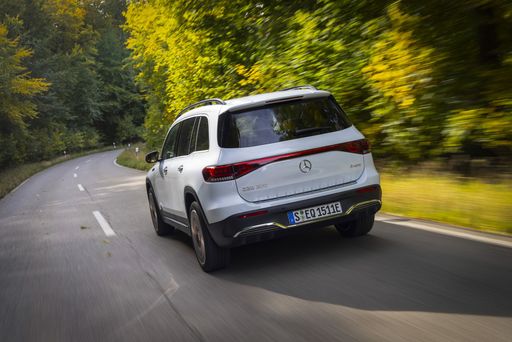
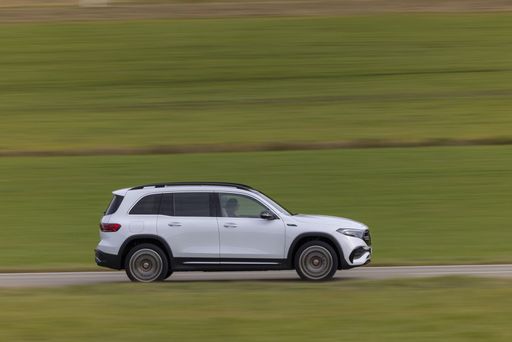
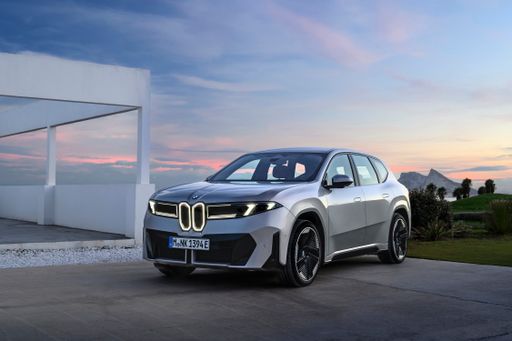
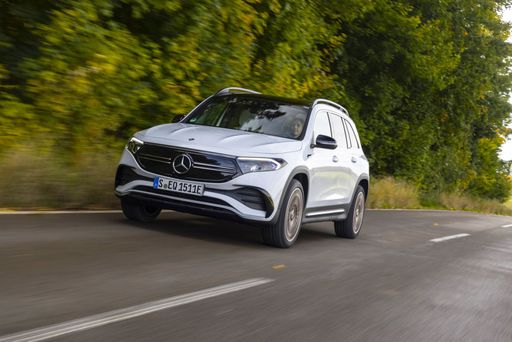
The BMW iX3 checks in with a length of 4734 mm, width of 1891 mm, and a height of 1668 mm. It features a sleek and sporty exterior typical of the BMW brand. In contrast, the Mercedes EQB measures 4684 mm in length, 1834 mm in width, and offers a height ranging from 1654 mm to 1689 mm (depending on the trim). The EQB presents a more traditional SUV styling with a modern twist, featuring smooth curves that enhance its aerodynamics.

EQB

Powertrain and Performance

Under the hood, the iX3 packs a punch with a single rear-wheel drive electric motor producing 286 HP and 400 Nm of torque. This allows the iX3 to accelerate from 0 to 100 km/h in just 6.8 seconds. In terms of driving range, the iX3 boasts a robust electric range of 471 km on a full charge, supported by a 73.9 kWh battery.

Meanwhile, the Mercedes EQB offers several variants, starting from 190 HP and going up to a powerful 292 HP in its top variant. The EQB also showcases varying torque levels, with the top variant delivering a remarkable 520 Nm. It can sprint from 0 to 100 km/h in as little as 6.2 seconds, proving that the EQB is not just about luxury but performance as well. The electric range varies depending on the configuration, with the most efficient variant reaching up to 533 km thanks to a 70.5 kWh battery.

iX3

Efficiency and Charging

When it comes to efficiency, the iX3 consumes 17.6 kWh per 100 km, which is commendable but not the most efficient in this comparison. The EQB, on the other hand, shines in this department with a consumption ranging from 15.2 to 17.3 kWh per 100 km, depending on the powertrain choice. Both models support fast charging, with the BMW iX3 capable of going from 0 to 80% in about 34 minutes, facilitating quick pit stops on longer journeys.

EQB

Interior and Technology

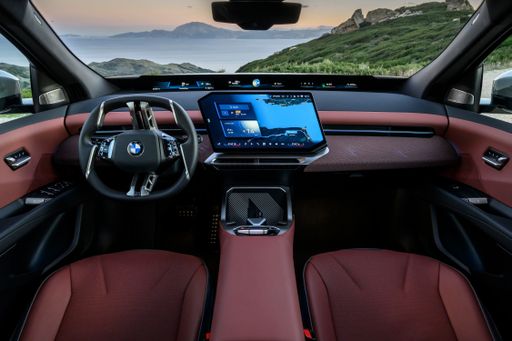
Stepping inside, the BMW iX3 offers a spacious and luxurious cabin, seating five comfortably. It features a modern dashboard with the latest iteration of BMW’s iDrive system, complemented by high-quality materials and a driver-focused layout. The trunk capacity stands at an impressive 510 L, making it practical for daily use and family outings.

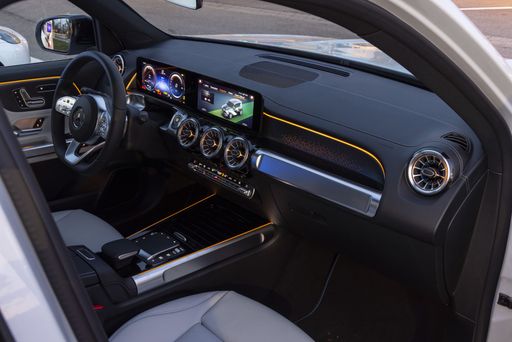
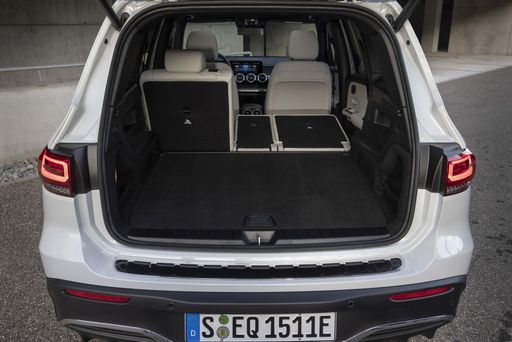
The Mercedes EQB matches this with a similarly spacious five-seat configuration and a trunk capacity of 495 L. It also comes loaded with the MBUX infotainment system, known for its intuitive interface and voice control capabilities. The EQB, however, offers an optional third row, making it a versatile choice for families needing extra space.

iX3

Driving Experience

On the road, the BMW iX3 delivers a dynamic driving experience that enthusiasts are sure to appreciate. Its rear-wheel-drive configuration and performance-tuned suspension provide a sporty feel, making it a joy to drive on winding roads. The EQB, while slightly slower in maximum speed at 160 km/h compared to the iX3’s 180 km/h, offers a smooth, quiet ride with excellent handling, particularly in its all-wheel-drive variant.

EQB

Conclusion: Choosing Your Ideal Electric SUV

Both the BMW iX3 and the Mercedes EQB represent the best of electric mobility, each with its own strengths. The iX3 appeals to those seeking a sporty, performance-oriented SUV with a longer range, while the EQB offers versatility and efficiency, particularly well-suited for larger families.

As electric vehicles continue to grow in popularity, either choice signifies a commitment to a sustainable future without sacrificing style, performance, or luxury. Which one will you choose to drive into the future?

Here’s where it gets real: The technical differences in detail

EQB

Costs and Efficiency:

Looking at overall running costs, both models reveal some interesting differences in everyday economy.

Mercedes EQB is a bit cheaper – starting at 45,900 £ , while the BMW iX3 costs 54,300 £ . That’s a price difference of around 8,473 £.

In terms of energy consumption, the BMW iX3 is only slightly more efficient: consuming 14.6 kWh/100km compared to 15.2 kWh/100km for the Mercedes EQB. That’s a difference of about 0.6 kWh/100km.

As for electric range, the BMW iX3 offers clearly more range – reaching up to 805 km, about 270 km more than the Mercedes EQB.

iX3

Engine and Performance:

Under the bonnet, it becomes clear which model is tuned for sportiness and which one takes the lead when you hit the accelerator.

When it comes to engine power, the BMW iX3 offers visibly more power – delivering 469 HP compared to 292 HP. That’s roughly 177 HP more horsepower.

When accelerating from 0 to 100 km/h, the BMW iX3 is markedly quicker – completing the sprint in 4.9 s, while the Mercedes EQB takes 6.2 s. That’s about 1.3 s quicker.

There’s also a difference in torque: the BMW iX3 delivers a bit more torque with 645 Nm compared to 520 Nm. That’s about 125 Nm more.

EQB

Space and Everyday Use:

Beyond pure performance, interior space and usability matter most in daily life. This is where you see which car is more practical and versatile.

Both vehicles offer seating for 5 people.

In terms of curb weight, Mercedes EQB is somewhat lighter – 2,105 kg compared to 2,360 kg. The difference is around 255 kg.

When it comes to payload, the BMW iX3 carries very slightly more – 465 kg compared to 435 kg. That’s a difference of about 30 kg.

Who wins the race in the data check?

The BMW iX3 is clearly superior overall in the objective data comparison.
This result only shows which model scores more points on paper – not which of the two cars feels right for you.

from £54,300
iX3

BMW iX3

  • Engine Type : Electric
  • Transmission : Automatic
  • Drive Type : All-Wheel Drive, Rear-Wheel Drive
  • Power HP : 320 - 469 HP
  • Consumption kWh/100km : 14.6 - 15.1 kWh/100km
  • Electric Range : 635 - 805 km
Mercedes EQB
BMW iX3

Costs and Consumption

View detailed analysis

Engine and Performance

View detailed analysis

Dimensions and Body

View detailed analysis

Mercedes EQB

The Mercedes EQB is an electric compact SUV that dresses Mercedes' premium feel in practical clothing, with flexible seating and a serene, composed ride that turns everyday errands into a small luxury. It won't thrill the enthusiast, but for buyers who want a smart, spacious and well-made EV with tasteful tech and real-world usability, the EQB is a sensible, slightly buttoned-up choice that impresses without shouting.

details

BMW iX3

The BMW iX3 brings BMW's familiar SUV poise into the electric era, blending restrained styling and a comfortable, composed ride that will please traditionalists dipping their toes into electrification. It's quiet, practical and rather grown-up about going electric — a sensible choice for buyers who want BMW driving manners without the drama.

details
Mercedes EQB
BMW iX3

Costs and Consumption

Price
45,900 - 58,900 £
Price
54,300 - 66,300 £
Consumption L/100km
-
Consumption L/100km
-
Consumption kWh/100km
15.2 - 17.2 kWh/100km
Consumption kWh/100km
14.6 - 15.1 kWh/100km
Electric Range
468 - 535 km
Electric Range
635 - 805 km
Battery Capacity
70.5 kWh
Battery Capacity
-
co2
0 g/km
co2
0 g/km
Fuel tank capacity
-
Fuel tank capacity
-

Dimensions and Body

Body Type
SUV
Body Type
SUV
Seats
5
Seats
5
Doors
5
Doors
-
Curb weight
2,105 - 2,170 kg
Curb weight
2,360 kg
Trunk capacity
495 L
Trunk capacity
-
Length
4,684 mm
Length
-
Width
1,834 mm
Width
1,895 mm
Height
1,654 - 1,689 mm
Height
-
Max trunk capacity
1,710 L
Max trunk capacity
-
Payload
435 kg
Payload
465 kg

Engine and Performance

Engine Type
Electric
Engine Type
Electric
Transmission
Automatic
Transmission
Automatic
Transmission Detail
Reduction Gearbox
Transmission Detail
Reduction Gearbox
Drive Type
Front-Wheel Drive, All-Wheel Drive
Drive Type
All-Wheel Drive, Rear-Wheel Drive
Power HP
190 - 292 HP
Power HP
320 - 469 HP
Acceleration 0-100km/h
6.2 - 8.9 s
Acceleration 0-100km/h
4.9 - 5.9 s
Max Speed
160 km/h
Max Speed
-
Torque
385 - 520 Nm
Torque
500 - 645 Nm
Number of Cylinders
-
Number of Cylinders
-
Power kW
140 - 215 kW
Power kW
235 - 345 kW
Engine capacity
-
Engine capacity
-

General

Model Year
2,024 - 2,025
Model Year
2026
CO2 Efficiency Class
A
CO2 Efficiency Class
A
Brand
Mercedes-Benz
Brand
BMW
DriveDuel uses data analysis and artificial intelligence to evaluate vehicle data and create content. Content is regularly reviewed and improved. The displayed prices are estimates based on German list prices, adjusted to the respective country’s VAT. Country-specific registration taxes are not included. This information is not legally binding.