VS

Mercedes GLC vs BYD Seal U comparison

Compare performance (472 HP vs 324 HP), boot space and price (50,300 £ vs 34,300 £ ) at a glance. Find out which car is the better choice for you – Mercedes GLC or BYD Seal U?

Mercedes GLC vs BYD Seal U: Key differences

Mercedes GLC

4.4 (13 Reviews)
rate
  • markedly more power
  • considerably quicker 0–100 km/h
  • somewhat more trunk space
details

BYD Seal U

4.1 (8 Reviews)
rate
  • considerably cheaper
  • substantially more electric range
  • barely lighter
details

All details on performance, efficiency, range and trunk space can be found in the technical comparison below – including user reviews for both models.

By Achim Sedelmaier

GLC

BYD Seal U VS Mercedes GLC — a quick reality check

BYD Seal U VS Mercedes GLC sets up a straightforward trade-off: the Seal U delivers high equipment levels and electric‑centric practicality for less money, while the GLC offers a more traditionally refined, premium experience at a higher price. The Seal U feels like a value-packed, comfort-first family SUV with strong EV credentials and lots of standard kit. The Mercedes GLC answers with quieter long‑distance manners, more polished materials and options that tune ride and handling toward refinement. For buyers the choice is less about which is objectively better and more about whether you prioritise kit and electric range or upscale feel and tried‑and‑true long‑distance composure.
Seal U

Cabin comfort and perceived quality

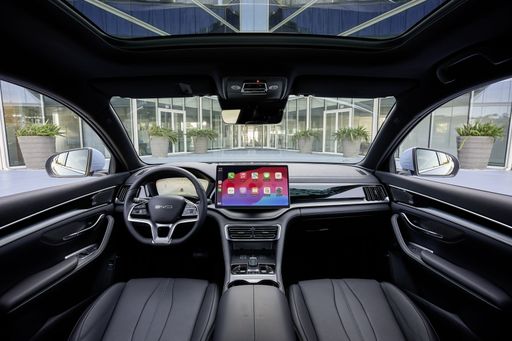
The BYD Seal U leans into a soft, relaxed ride and generous standard comfort features that make it immediately welcoming for daily commutes and long drives. The Mercedes GLC, by contrast, cultivates a more finished cabin ambience with higher‑grade touchpoints and an overall sense of refinement that reads as more premium to most occupants. In everyday use the Seal U feels plush and a touch floaty over uneven surfaces, whereas the GLC feels composed and controlled, especially if you opt for the adaptive suspension package. If you cherish plush seats and lots of creature comforts as standard, the Seal U will impress; if you want a quieter, more class‑leading interior finish, the GLC nudges ahead.

GLC

Practicality and family usability

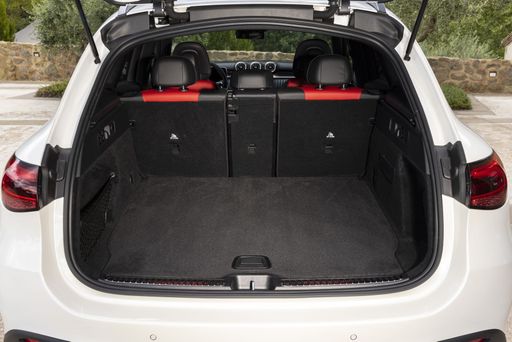
The BYD Seal U prioritises interior space for passengers with a flat rear floor and adjustable rear seats that make life easier with child seats and long legs in the back. The Mercedes GLC tends to win on straightforward luggage usability in its conventional petrol/diesel forms, offering a deeper, more regular boot when you need to load big suitcases. That said, the Seal U’s variable floors and clever touches are family‑friendly and its 360° camera helps city parking; the GLC can be easier to live with for heavy cargo loads unless you choose a PHEV, which trims space. For families who haul people rather than bulky cargo the Seal U feels more practical day‑to‑day, while those who regularly pack for trips will appreciate the GLC’s classic trunk usability.

Seal U

Driving character and long‑distance behavior

The BYD Seal U drives with a composed, comfort‑first personality that soothes long motorway runs and keeps interior noise low under steady cruising. The Mercedes GLC behaves like a seasoned cruiser — exceptionally stable at speed and able to mask highway fatigue better, especially with the right suspension option. In traffic and town the Seal U’s lighter steering and relaxed responses feel effortless, whereas the GLC gives a firmer, more assured on‑centre feel that passengers interpret as confidence. If you want a relaxed long‑distance EV experience with lots of equipment the Seal U fits neatly; if you prioritise a hushed, planted motorway companion with more nuanced chassis tuning, the GLC is more convincing.

GLC

Technology, ergonomics and charging/energy practicality

BYD outfits the Seal U with a large, distinctive screen, rotating display and strong camera systems that make parking and visibility chores easier, but the menu structure and limited shortcut keys demand a learning curve. Mercedes’ MBUX package trades some of that cheesiness for slick voice controls and polished screens, though the reliance on touch controls — especially for climate functions — frustrates those who prefer physical buttons. From a charging and daily‑range perspective, the Seal U is pitched as a very EV‑capable option for regular electric use, while Mercedes offers a more conventional premium set of powertrain choices that can be more flexible for mixed driving patterns. In short, the Seal U trades some ergonomic polish for value‑packed tech, whereas the GLC gives more refined systems with a touch of interface compromise.

Seal U

Who should pick which car — buyer fit and trade‑offs

If you want the most equipment for the money, a quiet, comfortable cabin and an EV‑friendly operating profile that rewards regular charging, the BYD Seal U is aimed squarely at you. If you value material refinement, a classier cabin feel, greater composure on long trips and the reassurance of established premium packaging, the Mercedes GLC will suit your priorities better. Urban families and cost‑conscious EV adopters will appreciate the Seal U’s straightforward value, while buyers who habitually do motorway miles or who need a very conventional boot layout will lean toward the GLC. The next section drills into the technical details so you can match those real‑world impressions to the concrete specifications behind them.

Here’s where it gets real: The technical differences in detail

GLC

Costs and Efficiency:

When it comes to price and running costs, the biggest differences usually appear. This is often where you see which car fits your budget better in the long run.

BYD Seal U is considerably cheaper – starting at 34,300 £ , while the Mercedes GLC costs 50,300 £ . That’s a price difference of around 16,050 £.

As for electric range, the BYD Seal U offers substantially more range – reaching up to 500 km, about 372 km more than the Mercedes GLC.

Seal U

Engine and Performance:

Under the bonnet, it becomes clear which model is tuned for sportiness and which one takes the lead when you hit the accelerator.

When it comes to engine power, the Mercedes GLC offers markedly more power – delivering 472 HP compared to 324 HP. That’s roughly 148 HP more horsepower.

When accelerating from 0 to 100 km/h, the Mercedes GLC is considerably quicker – completing the sprint in 4.2 s, while the BYD Seal U takes 5.9 s. That’s about 1.7 s quicker.

There’s also a difference in torque: the Mercedes GLC delivers noticeably more torque with 750 Nm compared to 550 Nm. That’s about 200 Nm more.

GLC

Space and Everyday Use:

Beyond pure performance, interior space and usability matter most in daily life. This is where you see which car is more practical and versatile.

Both vehicles offer seating for 5 people.

In terms of curb weight, BYD Seal U is barely lighter – 1,940 kg compared to 1,985 kg. The difference is around 45 kg.

Looking at boot space, the Mercedes GLC offers somewhat more boot space – 620 L compared to 552 L. That’s a difference of about 68 L.

When it comes to payload, the Mercedes GLC carries markedly more – 575 kg compared to 410 kg. That’s a difference of about 165 kg.

Who wins the race in the data check?

The Mercedes GLC comes out modestly ahead in the objective data comparison.
This result only shows which model scores more points on paper – not which of the two cars feels right for you.

from £50,300
GLC

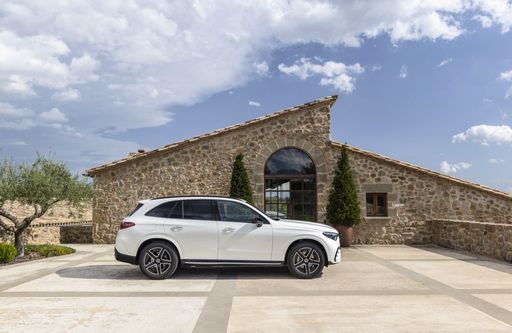
Mercedes GLC

  • Engine Type Diesel MHEV, Plugin Hybrid, Petrol MHEV
  • Transmission Automatic
  • Drive Type All-Wheel Drive
  • Power HP 186 - 472 HP
  • Consumption L/100km 1.6 - 9.4 L/100km
  • Electric Range 122 - 128 km
Mercedes GLC
BYD Seal U

Costs and Consumption

View detailed analysis

Engine and Performance

View detailed analysis

Dimensions and Body

View detailed analysis

Mercedes GLC

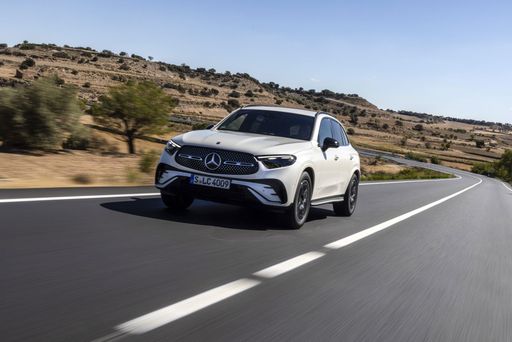
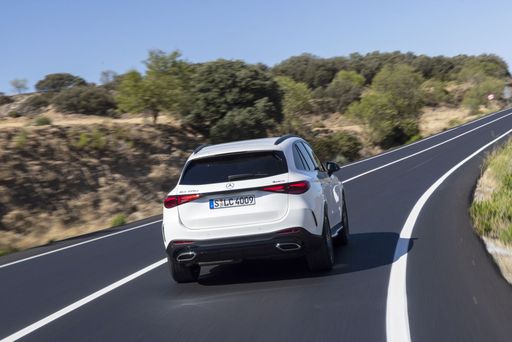
The Mercedes GLC blends quiet refinement with premium materials to create a comfortable, modern cabin that feels more upscale than its size might suggest. It delivers composed handling and confident on-road manners while offering practical versatility and a strong suite of driver assistance and infotainment features.

details

BYD Seal U

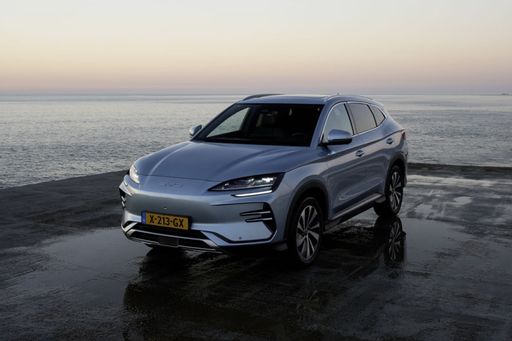
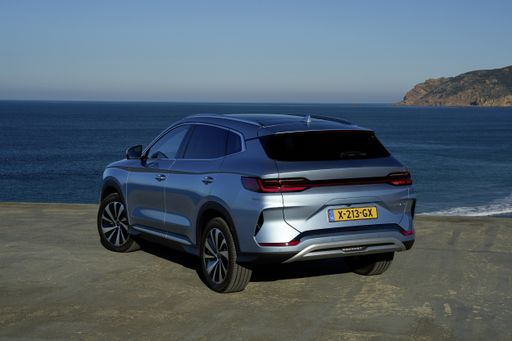
The BYD Seal U is a sleek electric fastback that blends sporty styling with a roomy, tech-focused interior, making it an appealing choice for buyers who want electric performance without sacrificing comfort. It delivers a smooth, composed ride and intuitive features, positioning it as a practical yet modern option in the EV market.

details
Mercedes GLC
BYD Seal U

Costs and Consumption

Price
50,300 - 82,100 £
Price
34,300 - 39,800 £
Consumption L/100km
1.6 - 9.4 L/100km
Consumption L/100km
-
Consumption kWh/100km
-
Consumption kWh/100km
12.1 - 20.5 kWh/100km
Electric Range
122 - 128 km
Electric Range
70 - 500 km
Battery Capacity
-
Battery Capacity
-
co2
41 - 214 g/km
co2
0 - 71 g/km
Fuel tank capacity
-
Fuel tank capacity
-

Dimensions and Body

Body Type
SUV
Body Type
SUV
Seats
5
Seats
5
Doors
-
Doors
-
Curb weight
1,985 - 2,400 kg
Curb weight
1,940 - 2,147 kg
Trunk capacity
390 - 620 L
Trunk capacity
425 - 552 L
Length
-
Length
-
Width
1,890 - 1,920 mm
Width
1,890 mm
Height
-
Height
-
Max trunk capacity
-
Max trunk capacity
-
Payload
475 - 575 kg
Payload
410 kg

Engine and Performance

Engine Type
Diesel MHEV, Plugin Hybrid, Petrol MHEV
Engine Type
Electric, Plugin Hybrid
Transmission
Automatic
Transmission
Automatic
Transmission Detail
Automatic Gearbox
Transmission Detail
Reduction Gearbox, Automatic Gearbox
Drive Type
All-Wheel Drive
Drive Type
Front-Wheel Drive, All-Wheel Drive
Power HP
186 - 472 HP
Power HP
218 - 324 HP
Acceleration 0-100km/h
4.2 - 9 s
Acceleration 0-100km/h
5.9 - 9.6 s
Max Speed
-
Max Speed
-
Torque
380 - 750 Nm
Torque
300 - 550 Nm
Number of Cylinders
4 - 6
Number of Cylinders
4
Power kW
137 - 347 kW
Power kW
160 - 238 kW
Engine capacity
1,993 - 2,999 cm3
Engine capacity
1,497 - 1,498 cm3

General

Model Year
2,025 - 2,026
Model Year
2,024 - 2,026
CO2 Efficiency Class
D, B, E, F, G
CO2 Efficiency Class
A, B
Brand
Mercedes-Benz
Brand
BYD
DriveDuel uses data analysis and artificial intelligence to evaluate vehicle data and create content. Content is regularly reviewed and improved. The displayed prices are estimates based on German list prices, adjusted to the respective country’s VAT. Country-specific registration taxes are not included. This information is not legally binding.