
 Deutschland
 France
 Nederland
 Great Britain
 Sverige
 Norge
Norge Danmark
 Suomi
Suomi Italia
 Polska
 España
VS
Mercedes GLS vs Suzuki S-Cross – Performance, range & efficiency compared
Everyday use, family trips or long-distance drives – here’s where the differences show.
Discover whether Mercedes GLS or Suzuki S-Cross fits your lifestyle better.
GLS
@ Mercedes-Benz Group Media
Costs and Efficiency:
Looking at overall running costs, both models reveal some interesting differences in everyday economy.
Suzuki S-Cross has a convincingly advantage in terms of price – it starts at 21800 £, while the Mercedes GLS costs 96100 £. That’s a price difference of around 74358 £.
Fuel consumption also shows a difference: Suzuki S-Cross manages with 5.30 L and is therefore decisively more efficient than the Mercedes GLS with 7.80 L. The difference is about 2.50 L per 100 km.
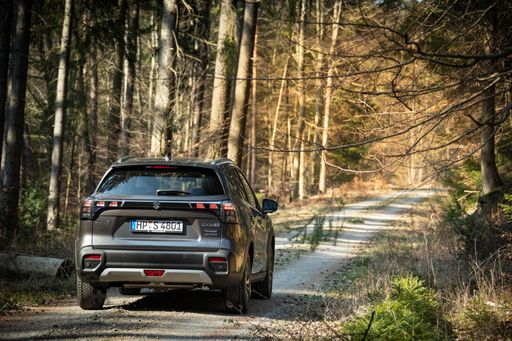
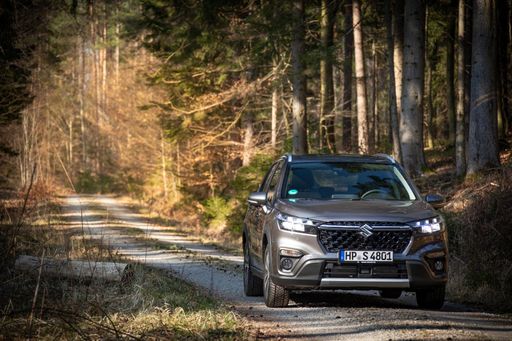
S-Cross
@ Suzuki Motor Corporation
Engine and Performance:
Under the bonnet, it becomes clear which model is tuned for sportiness and which one takes the lead when you hit the accelerator.
When it comes to engine power, the Mercedes GLS has a convincingly edge – offering 634 HP compared to 110 HP. That’s roughly 524 HP more horsepower.
In terms of top speed, the Mercedes GLS performs evident better – reaching 280 km/h, while the Suzuki S-Cross tops out at 185 km/h. The difference is around 95 km/h.
There’s also a difference in torque: Mercedes GLS pulls clearly stronger with 850 Nm compared to 235 Nm. That’s about 615 Nm difference.
GLS
@ Mercedes-Benz Group Media
Space and Everyday Use:
Beyond pure performance, interior space and usability matter most in daily life. This is where you see which car is more practical and versatile.
Seats: Mercedes GLS offers noticeable more seating capacity – 7 vs 5.
In curb weight, Suzuki S-Cross is convincingly lighter – 1280 kg compared to 2550 kg. The difference is around 1270 kg.
In terms of boot space, the Suzuki S-Cross offers to a small extent more room – 430 L compared to 355 L. That’s a difference of about 75 L.
In maximum load capacity, the Mercedes GLS performs convincingly better – up to 2400 L, which is about 1170 L more than the Suzuki S-Cross.
When it comes to payload, Mercedes GLS clearly takes the win – 695 kg compared to 405 kg. That’s a difference of about 290 kg.
Who wins the race?
The Suzuki S-Cross proves to be wins by a narrow margin and therefore becomes our DriveDuel Champion!
Suzuki S-Cross is the better all-rounder in this comparison.
from about £21,800
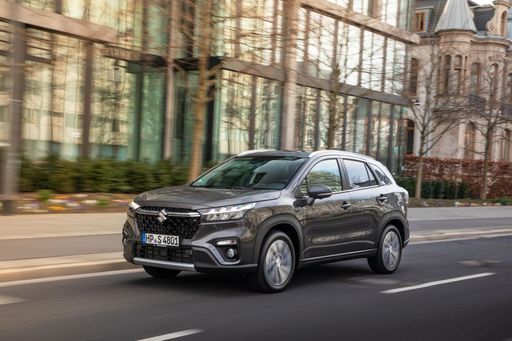 @ Suzuki Motor Corporation
Suzuki S-Cross
Mercedes GLS
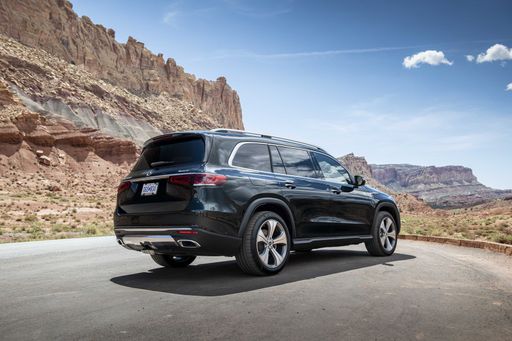
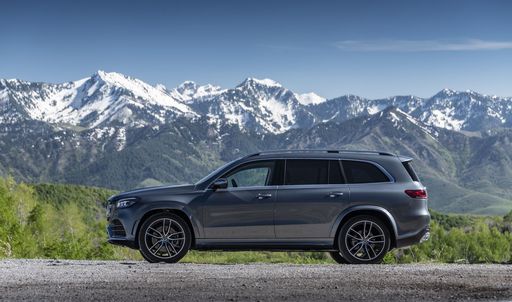
The Mercedes-Benz GLS represents the epitome of luxury and spaciousness in the SUV category, offering a blend of refined elegance and advanced technology. With its imposing presence and meticulously crafted interior, it provides both driver and passengers with unparalleled comfort and sophistication. The vehicle's state-of-the-art features and smooth performance make it a standout choice for those seeking both style and functionality in their automotive experience.
details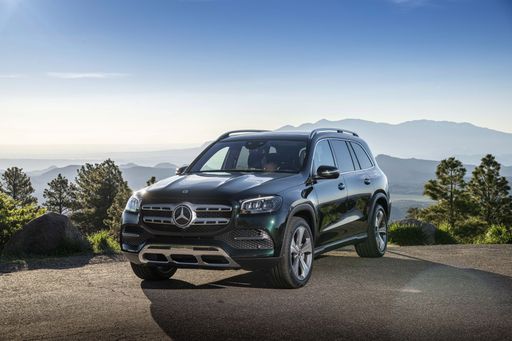 @ Mercedes-Benz Group Media
 @ Mercedes-Benz Group Media
 @ Mercedes-Benz Group Media
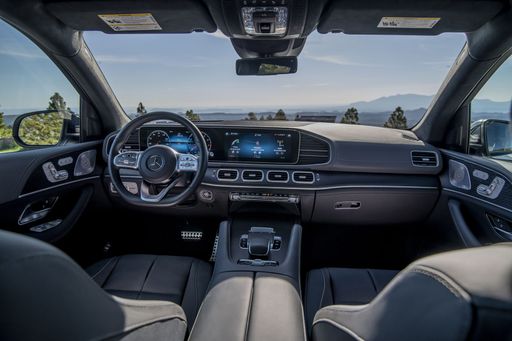 @ Mercedes-Benz Group Media
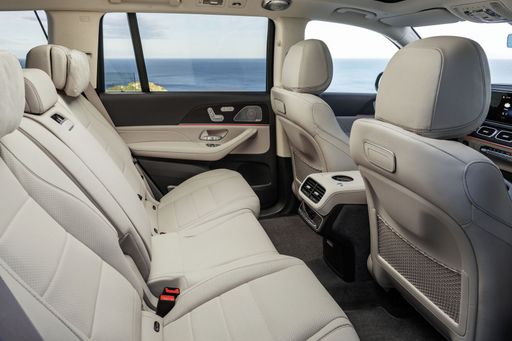 @ Mercedes-Benz Group Media
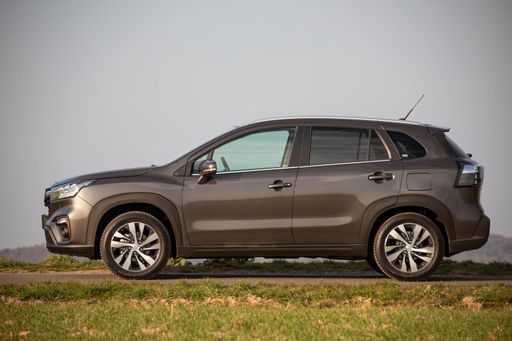
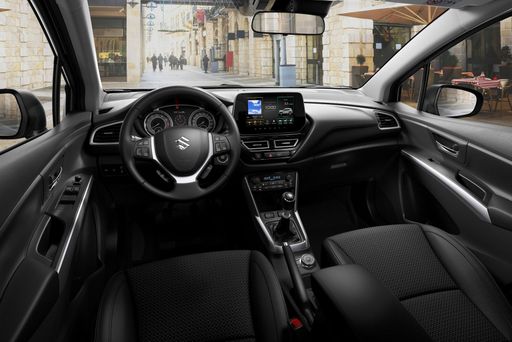
Suzuki S-Cross
The Suzuki S-Cross is a neatly packaged crossover that puts everyday practicality ahead of showy theatrics, offering a comfortable cabin and predictable handling that suit family life and weekend errands alike. It’s not a headline-grabber, but its sensible packaging, low-key charm and reputation for reliability make it a shrewd choice for buyers who prefer smart value over flash.
details
@ Suzuki Motor Corporation
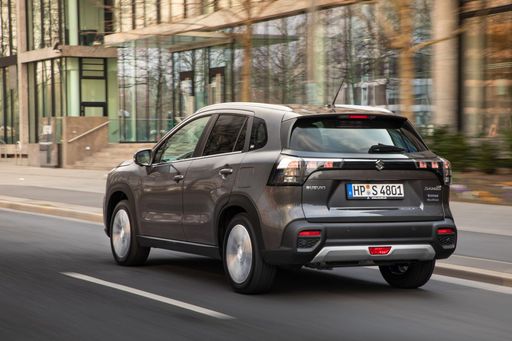 @ Suzuki Motor Corporation
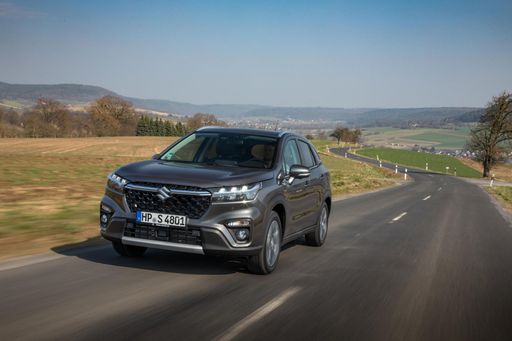 @ Suzuki Motor Corporation
 @ Suzuki Motor Corporation
 @ Suzuki Motor Corporation
 @ Suzuki Motor Corporation
 @ Suzuki Motor Corporation
Mercedes GLS
Suzuki S-Cross
|
@ Mercedes-Benz Group Media
|
@ Suzuki Motor Corporation
|
|
|
|
Costs and Consumption |
|
|---|---|
|
Price
96100 - 208500 £
|
Price
21800 - 34200 £
|
|
Consumption L/100km
7.8 - 13.7 L
|
Consumption L/100km
5.3 - 5.8 L
|
|
Consumption kWh/100km
-
|
Consumption kWh/100km
-
|
|
Electric Range
-
|
Electric Range
-
|
|
Battery Capacity
-
|
Battery Capacity
-
|
|
co2
204 - 310 g/km
|
co2
119 - 138 g/km
|
|
Fuel tank capacity
90 L
|
Fuel tank capacity
47 L
|
Dimensions and Body |
|
|---|---|
|
Body Type
SUV
|
Body Type
SUV
|
|
Seats
7
|
Seats
5
|
|
Doors
5
|
Doors
5
|
|
Curb weight
2550 - 2825 kg
|
Curb weight
1280 - 1385 kg
|
|
Trunk capacity
355 L
|
Trunk capacity
430 L
|
|
Length
5208 - 5233 mm
|
Length
4305 mm
|
|
Width
1956 mm
|
Width
1785 mm
|
|
Height
1782 - 1838 mm
|
Height
1580 mm
|
|
Max trunk capacity
2400 L
|
Max trunk capacity
1230 L
|
|
Payload
445 - 695 kg
|
Payload
395 - 405 kg
|
Engine and Performance |
|
|---|---|
|
Engine Type
Petrol MHEV, Diesel MHEV
|
Engine Type
Petrol MHEV
|
|
Transmission
Automatic
|
Transmission
Manuel, Automatic
|
|
Transmission Detail
Automatic Gearbox
|
Transmission Detail
Manual Gearbox, Automatic Gearbox
|
|
Drive Type
All-Wheel Drive
|
Drive Type
Front-Wheel Drive, All-Wheel Drive
|
|
Power HP
333 - 634 HP
|
Power HP
110 HP
|
|
Acceleration 0-100km/h
4.2 - 6.7 s
|
Acceleration 0-100km/h
-
|
|
Max Speed
238 - 280 km/h
|
Max Speed
180 - 185 km/h
|
|
Torque
500 - 850 Nm
|
Torque
235 Nm
|
|
Number of Cylinders
6 - 8
|
Number of Cylinders
4
|
|
Power kW
245 - 466 kW
|
Power kW
81 kW
|
|
Engine capacity
2989 - 3982 cm3
|
Engine capacity
1373 cm3
|
General |
|
|---|---|
|
Model Year
2024 - 2025
|
Model Year
2025
|
|
CO2 Efficiency Class
G
|
CO2 Efficiency Class
D, E
|
|
Brand
Mercedes-Benz
|
Brand
Suzuki
|
Is the Mercedes GLS offered with different drivetrains?
Available configurations include All-Wheel Drive.
The prices and data displayed are estimates based on German list prices and may vary by country. This information is not legally binding.