VS

Suzuki S-Cross vs Suzuki Vitara comparison

Compare performance (110 HP vs 184 HP), boot space and price (21,800 £ vs 23,600 £ ) at a glance. Find out which car is the better choice for you – Suzuki S-Cross or Suzuki Vitara?

Suzuki S-Cross vs Suzuki Vitara: Key differences

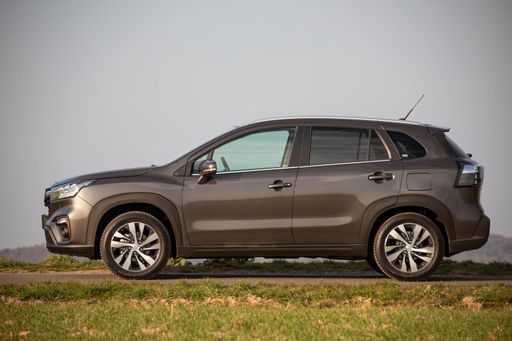
Suzuki S-Cross

4.7 (4 Reviews)
rate
  • marginally cheaper
  • somewhat more trunk space
details

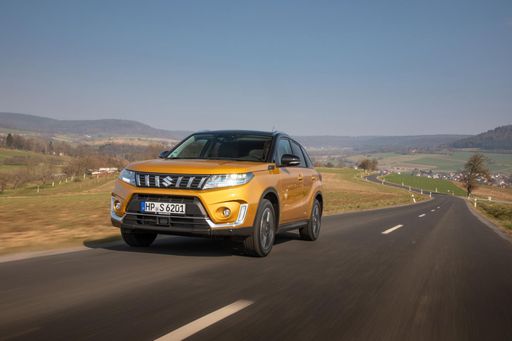
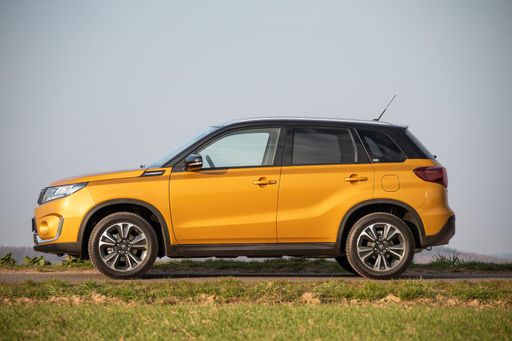
Suzuki Vitara

4.5 (5 Reviews)
rate
  • significantly more power
  • marginally lighter
details

All details on performance, efficiency, range and trunk space can be found in the technical comparison below – including user reviews for both models.

By Achim Sedelmaier

S-Cross

Suzuki S-Cross vs Suzuki Vitara: which Suzuki SUV fits your life?

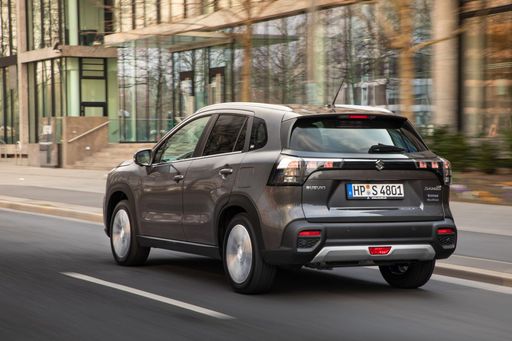
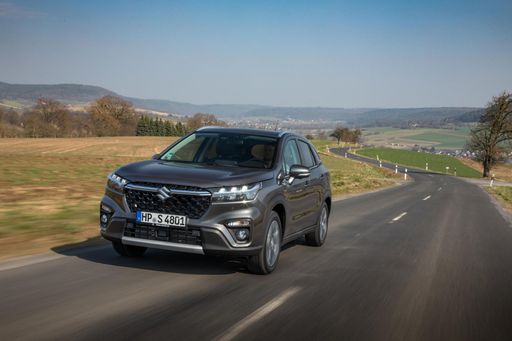
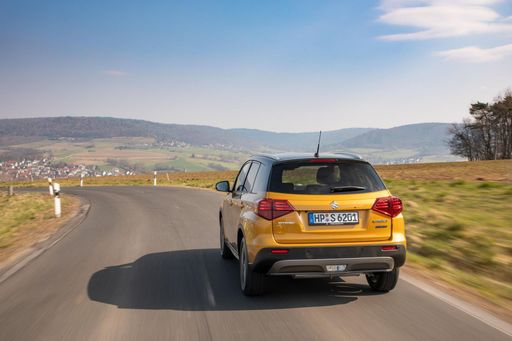
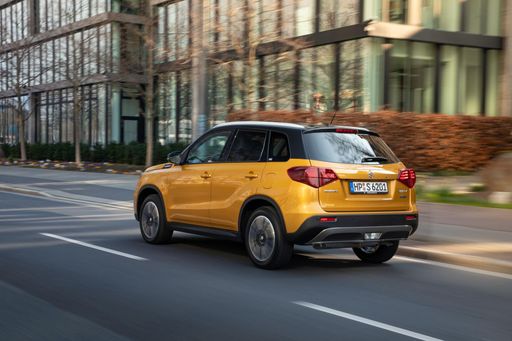
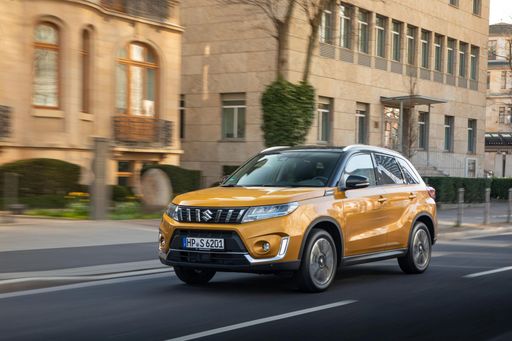
The Suzuki S-Cross and Suzuki Vitara are siblings that tackle everyday life in different ways. The S-Cross feels more grown-up and family-minded, while the Vitara leans into compact, upright and easygoing city manners. Both keep the recipe honest with simple controls and the option of ALLGRIP all-wheel drive for winter confidence. Pricing tends to favor the S-Cross like-for-like, but the Vitara repays with effortless maneuverability. Here’s how Suzuki S-Cross VS Suzuki Vitara shakes out for real buyers.
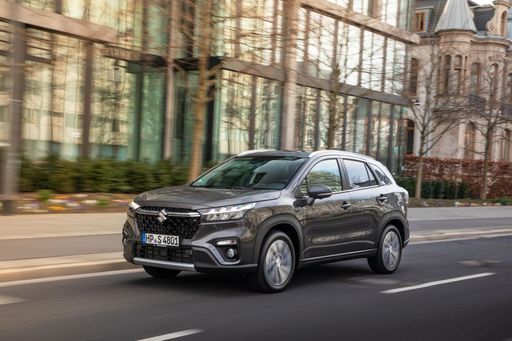
Vitara

Driving character: calm and planted vs light and nimble

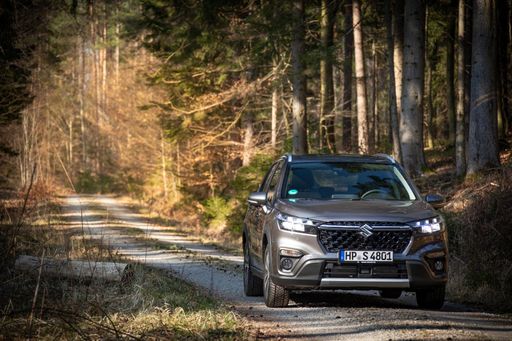
The Suzuki S-Cross comes across as steadier and more mature, settling quickly after bumps and feeling composed on a fast A-road. The Suzuki Vitara feels lighter on its feet, with an eager tip-in and a keener sense of agility in town and on twisty backroads. Neither chases sporty steering feel, but the S-Cross encourages relaxed, tidy progress while the Vitara invites you to nip into gaps and park with one clean swing. In bad weather, both benefit from the same selectable all-wheel-drive philosophy, yet the S-Cross feels more secure on longer runs and the Vitara feels more playful day to day.

S-Cross

Comfort and noise: everyday ease with different trade-offs

Ride quality is comfort-biased in both, but the Suzuki S-Cross smooths out patchy tarmac a touch better and feels less busy at speed. The Suzuki Vitara is comfortable around town, yet brings more wind and engine noise on the motorway, which takes the edge off long-distance refinement. Seat support is simple in both; if you’re sensitive to back support, the S-Cross’s slightly more settled gait helps on longer stints. Expect peace rather than hush: the S-Cross is the quieter of the two in most trims, but neither is a cocoon at high speed.

Vitara

Cabin feel and tech: mature vs airy

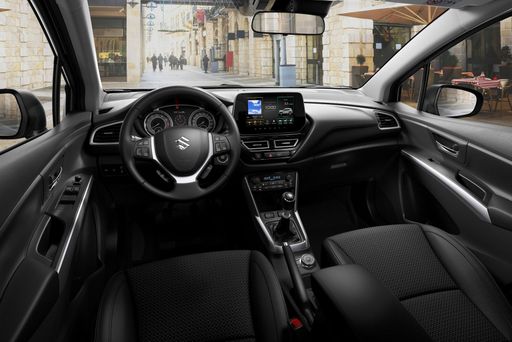
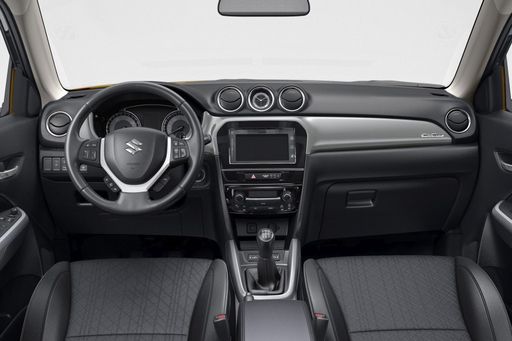
Inside, the Suzuki S-Cross looks restrained and logically laid out, with sturdy switchgear that favors function over flair. The Suzuki Vitara feels airier thanks to its big windows and higher, more upright seating, making visibility excellent in traffic and tight car parks. Infotainment in both does the essentials with smartphone mirroring, but responses can be a beat behind the best; the S-Cross feels a tad more integrated, the Vitara a bit more old-school. Materials skew hardwearing rather than plush in both, so perceived quality is about solid assembly, not soft-touch theater.

S-Cross

Practicality: family luggage vs city footprint

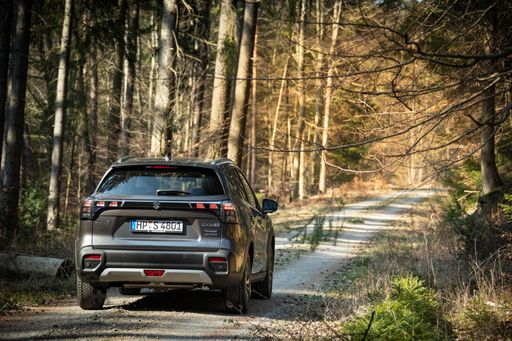
If you regularly haul pushchairs, sports gear or a weekly shop for four, the Suzuki S-Cross has the more useful boot and smarter load floor solutions. Rear space also feels that fraction roomier in the S-Cross, which pays off on school runs and airport runs alike. The Suzuki Vitara counters with a shorter body that’s easier to thread through congested streets and into tight bays, though its luggage area is the first to cry enough. Hybrid versions of both can nibble into underfloor storage, so frequent packers should check the exact layout of the trim they’re eyeing.

Vitara

Running costs and buyer fit: choose by your roads, not the brochure

Real-world efficiency is broadly comparable across similar trims, with the mild-hybrid manuals in each car feeling the smoothest and most predictable in mixed driving. Automatic full-hybrid versions favor stop–go calm but can feel hesitant when you ask for brisk acceleration, a point where the S-Cross’s calmer chassis and the Vitara’s lightness trade different compromises. Value tilts toward the Suzuki S-Cross if you want more space and a more relaxed long-haul temperament at a keen entry price. The Suzuki Vitara makes more sense if you prize a compact footprint, outstanding visibility and a breezy driving feel for urban and rural lanes. If that sounds like your use-case, pick accordingly—then dive into the specs to confirm the trim and drivetrain that best match your priorities.

Here’s where it gets real: The technical differences in detail

S-Cross

Costs and Efficiency:

Price and efficiency are key factors when choosing a car – and this is often where the real differences emerge.

Suzuki S-Cross is marginally cheaper – starting at 21,800 £ , while the Suzuki Vitara costs 23,600 £ . That’s a price difference of around 1,809 £.

Both cars consume an average of 5.3 L/100km – no difference here.

Vitara

Engine and Performance:

Under the bonnet, it becomes clear which model is tuned for sportiness and which one takes the lead when you hit the accelerator.

When it comes to engine power, the Suzuki Vitara offers significantly more power – delivering 184 HP compared to 110 HP. That’s roughly 74 HP more horsepower.

There’s also a difference in torque: the Suzuki Vitara delivers visibly more torque with 307 Nm compared to 235 Nm. That’s about 72 Nm more.

S-Cross

Space and Everyday Use:

Cabin size, boot volume and payload all play a role in everyday practicality. Here, comfort and flexibility make the difference.

Both vehicles offer seating for 5 people.

In terms of curb weight, Suzuki Vitara is marginally lighter – 1,255 kg compared to 1,280 kg. The difference is around 25 kg.

Looking at boot space, the Suzuki S-Cross offers somewhat more boot space – 430 L compared to 375 L. That’s a difference of about 55 L.

When it comes to payload, the Suzuki Vitara carries barely more – 425 kg compared to 405 kg. That’s a difference of about 20 kg.

Who wins the race in the data check?

The Suzuki Vitara is clearly superior overall in the objective data comparison.
This result only shows which model scores more points on paper – not which of the two cars feels right for you.

from £23,600
Vitara

Suzuki Vitara

  • Engine Type : Petrol MHEV, Electric
  • Transmission : Automatic, Manuel
  • Drive Type : Front-Wheel Drive, All-Wheel Drive
  • Power HP : 110 - 184 HP
  • Consumption L/100km : 5.3 - 5.8 L/100km
  • Consumption kWh/100km : 14.9 - 16.6 kWh/100km
  • Electric Range : 344 - 426 km
Suzuki S-Cross
Suzuki Vitara

Costs and Consumption

View detailed analysis

Engine and Performance

View detailed analysis

Dimensions and Body

View detailed analysis

Suzuki S-Cross

The Suzuki S-Cross is a practical, well-built compact crossover that puts comfort, efficiency and everyday reliability first. With a roomy cabin, straightforward technology and sensible design, it’s a no-nonsense choice for buyers seeking a versatile family car.

details

Suzuki Vitara

The Suzuki Vitara is a practical compact SUV that balances a comfortable, composed ride with easy-to-live-with interior space, making it well suited for daily driving and weekend getaways. It's widely praised for reliable engineering and sensible running costs, offering straightforward value to buyers who want a no-nonsense, economical crossover.

details
Suzuki S-Cross
Suzuki Vitara

Costs and Consumption

Price
21,800 - 34,200 £
Price
23,600 - 36,800 £
Consumption L/100km
5.3 - 5.8 L/100km
Consumption L/100km
5.3 - 5.8 L/100km
Consumption kWh/100km
-
Consumption kWh/100km
14.9 - 16.6 kWh/100km
Electric Range
-
Electric Range
344 - 426 km
Battery Capacity
-
Battery Capacity
-
co2
119 - 138 g/km
co2
0 - 137 g/km
Fuel tank capacity
-
Fuel tank capacity
-

Dimensions and Body

Body Type
SUV
Body Type
SUV
Seats
5
Seats
5
Doors
-
Doors
-
Curb weight
1,280 - 1,385 kg
Curb weight
1,255 - 1,935 kg
Trunk capacity
430 L
Trunk capacity
310 - 375 L
Length
-
Length
-
Width
1,785 mm
Width
1,775 - 1,800 mm
Height
-
Height
-
Max trunk capacity
-
Max trunk capacity
-
Payload
395 - 405 kg
Payload
395 - 425 kg

Engine and Performance

Engine Type
Petrol MHEV
Engine Type
Petrol MHEV, Electric
Transmission
Manuel, Automatic
Transmission
Automatic, Manuel
Transmission Detail
Manual Gearbox, Automatic Gearbox
Transmission Detail
Automatic Gearbox, Manual Gearbox
Drive Type
Front-Wheel Drive, All-Wheel Drive
Drive Type
Front-Wheel Drive, All-Wheel Drive
Power HP
110 HP
Power HP
110 - 184 HP
Acceleration 0-100km/h
-
Acceleration 0-100km/h
7.4 - 9.6 s
Max Speed
-
Max Speed
-
Torque
235 Nm
Torque
193 - 307 Nm
Number of Cylinders
4
Number of Cylinders
4
Power kW
81 kW
Power kW
81 - 135 kW
Engine capacity
1,373 cm3
Engine capacity
1,373 cm3

General

Model Year
2025
Model Year
2,025 - 2,026
CO2 Efficiency Class
D, E
CO2 Efficiency Class
D, E, A
Brand
Suzuki
Brand
Suzuki
DriveDuel uses data analysis and artificial intelligence to evaluate vehicle data and create content. Content is regularly reviewed and improved. The displayed prices are estimates based on German list prices, adjusted to the respective country’s VAT. Country-specific registration taxes are not included. This information is not legally binding.