VS

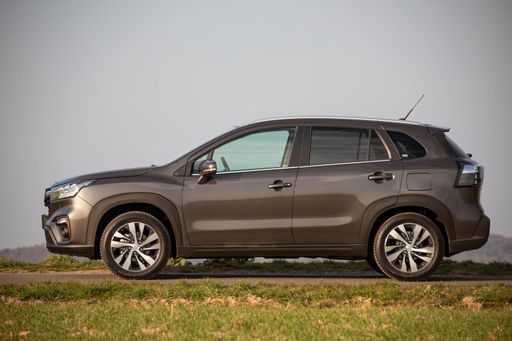
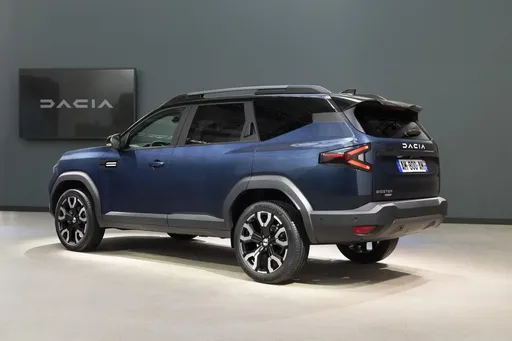
Suzuki S-Cross vs Dacia Bigster comparison

Compare performance (110 HP vs 158 HP), boot space and price (21,800 £ vs 20,600 £ ) at a glance. Find out which car is the better choice for you – Suzuki S-Cross or Dacia Bigster?

Suzuki S-Cross vs Dacia Bigster: Key differences

Suzuki S-Cross

4.6 (9 Reviews)
rate
  • moderately lighter
details

Dacia Bigster

4.5 (13 Reviews)
rate
  • barely cheaper
  • clearly more power
  • moderately more efficient
  • visibly more trunk space
details

All details on performance, efficiency, range and trunk space can be found in the technical comparison below – including user reviews for both models.

S-Cross

Quick take: Suzuki S-Cross VS Dacia Bigster

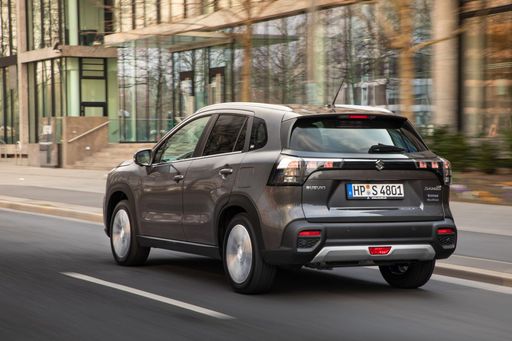
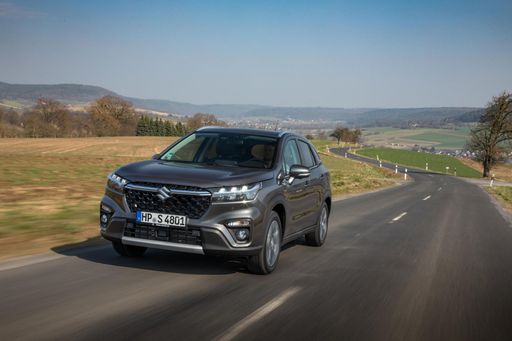
Suzuki S-Cross VS Dacia Bigster sets up a straight trade-off between compact, pragmatic handling and maximal, low-cost usefulness. The Suzuki S-Cross leans into lightness, straightforward controls and an option for real all‑wheel traction, while the Dacia Bigster sells space, simple utility and a budget-friendly value equation. Both cars feel honest rather than flashy, but they appeal to very different priorities: the S-Cross to drivers who want a tidy, maneuverable SUV with sensible tech, the Bigster to buyers who want elbow room and a huge boot for a modest outlay. Read on to see how those differences play out in everyday life rather than on a specs sheet.
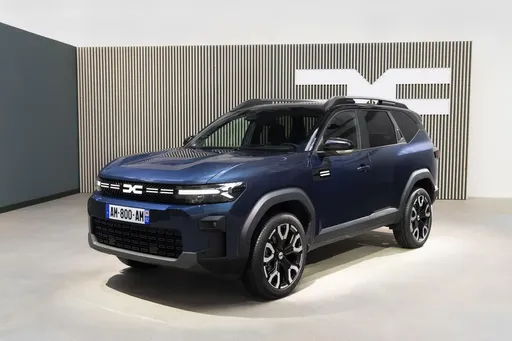
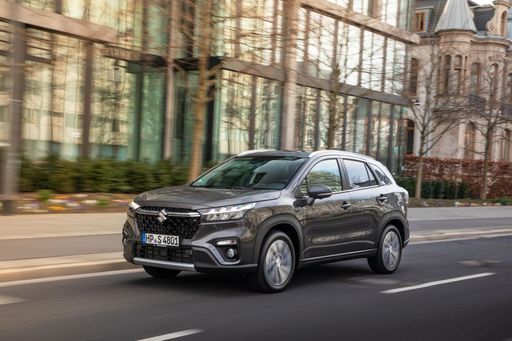
Bigster

Character and driving feel

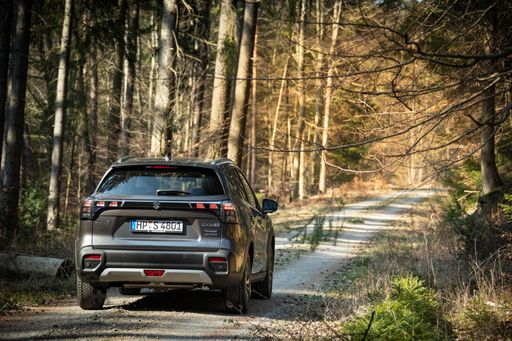
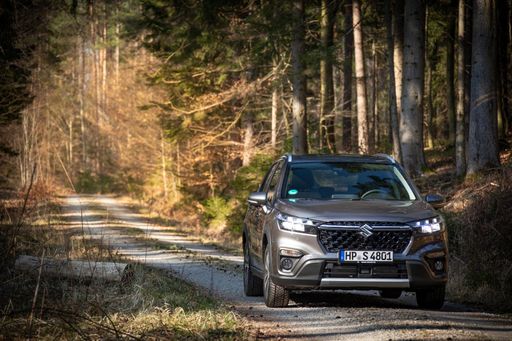
The Suzuki S-Cross drives like a compact, light-footed crossover: nimble in corners, easy to hustle through town and willing on loose surfaces if you opt for ALLGRIP, whereas the Dacia Bigster feels larger, more deliberate and built around carrying capacity rather than agility. Suzuki’s mild‑hybrid setup gives it a perky, economical feel in daily use, while the Bigster’s hybrid focus is tuned toward steady, efficient cruising and a stronger shove when you need it. That means the S-Cross rewards drivers who want a bit of engagement and ease of maneuver, while the Bigster suits those who prefer a composed, workmanlike cruiser that masks its weight with roomy comfort. In short: Suzuki is the lighter, livelier companion; Dacia is the spacious hauler with steady forward confidence.

S-Cross

Comfort and long-distance behavior

On long trips the contrast becomes practical: the Suzuki S-Cross rides agreeably on ordinary roads but can feel acoustically busy at motorway speeds, whereas the Dacia Bigster swallows distance with generous rear room but shows wind and engine presence on fast highways. Suzuki’s suspension bias is toward a softer, forgiving ride which helps daily comfort, yet that softness doesn’t hide tyre and wind noise at higher speeds. The Bigster’s seats are cushioned and its rear passengers will thank you for the legroom, but some people find the front seat shaping and shorter thigh support less comfortable over very long days. So if low cabin noise is a priority neither is perfect — choose the S-Cross if you want a more planted feel at moderate speeds and the Bigster if you value space and endurance over acoustic refinement.

Bigster

Practicality and cabin usability

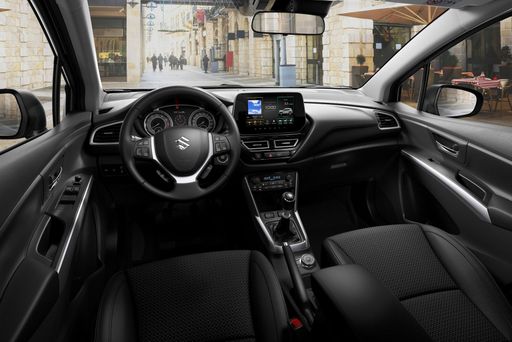
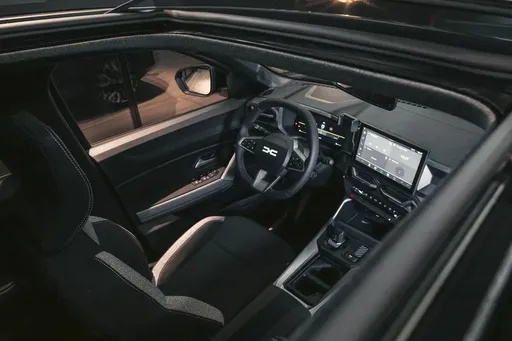
Practical differences are where the Dacia Bigster makes its strongest case: a much more capacious boot, a 40:20:40 split rear seat and outdoor‑centric details like YouClip and roof options give the Bigster real everyday versatility that the Suzuki S-Cross can’t match. The Suzuki S-Cross counters with a very usable smaller boot (especially in its mild‑hybrid layout), a tidy loading floor and clever, straightforward ergonomics — plus the option of genuine AWD for mixed-surface utility. Inside, the S-Cross feels functional and slightly dated with hard plastics but excellent tactile controls, while the Bigster is equally no-frills but leans more modern with a larger touchscreen and simple layouts. If you frequently haul bulky gear or need maximum family cargo, the Bigster wins on usability; if you prefer a compact footprint with sensible storage and better tactile switches, the S-Cross will be less fuss to live with.

S-Cross

City friendliness and daily usability

In town the Suzuki S-Cross is easier to place: its compact manners, light steering and clear sightlines make parking and tight manoeuvres less stressful than the Dacia Bigster’s broader stance. The Dacia Bigster remains surprisingly manageable for its size thanks to practical touches and hybrid electric drive for silent low-speed running, but its larger body means a longer turn and a higher loading lip in some guises. Suzuki’s cabin feels familiar and robust, rewarding quick, glove‑friendly operation, whereas Dacia’s cabin is more about space and simple tech that’s obvious to any user. For urban drivers who want a fuss-free, compact SUV the S-Cross is the better city companion; for those who prioritise interior room and low running costs even in town, the Bigster still holds appeal.

Bigster

Who should buy which car?

Choose the Suzuki S-Cross if you value compact agility, intuitive physical controls, optional all‑wheel traction and an honest, economical daily drive — it’s the better fit for commuters, drivers in mixed-weather regions and buyers who prefer a lighter, more maneuverable SUV. Opt for the Dacia Bigster if your priority is maximum interior space, a huge boot, the best price-for-room ratio and low real-world running costs from a hybrid focus — families, outdoor users and value hunters will feel at home. Both cars make sensible compromises rather than grand claims; the next step is to look at the technical details and equipment levels to match engine, boot size and option packages with your priorities before the test drive.

Here’s where it gets real: The technical differences in detail

S-Cross

Costs and Efficiency:

Price and efficiency are key factors when choosing a car – and this is often where the real differences emerge.

Dacia Bigster is barely cheaper – starting at 20,600 £ , while the Suzuki S-Cross costs 21,800 £ . That’s a price difference of around 1,200 £.

Fuel consumption also shows a difference: the Dacia Bigster uses 4.7 L/100km and is moderately more efficient than the Suzuki S-Cross with 5.3 L/100km. The difference is about 0.6 L/100km.

Bigster

Engine and Performance:

Power, torque and acceleration say a lot about how a car feels on the road. This is where you see which model delivers more driving dynamics.

When it comes to engine power, the Dacia Bigster offers clearly more power – delivering 158 HP compared to 110 HP. That’s roughly 48 HP more horsepower.

There’s also a difference in torque: the Suzuki S-Cross delivers only slightly more torque with 235 Nm compared to 230 Nm. That’s about 5 Nm more.

S-Cross

Space and Everyday Use:

Cabin size, boot volume and payload all play a role in everyday practicality. Here, comfort and flexibility make the difference.

Both vehicles offer seating for 5 people.

In terms of curb weight, Suzuki S-Cross is moderately lighter – 1,280 kg compared to 1,425 kg. The difference is around 145 kg.

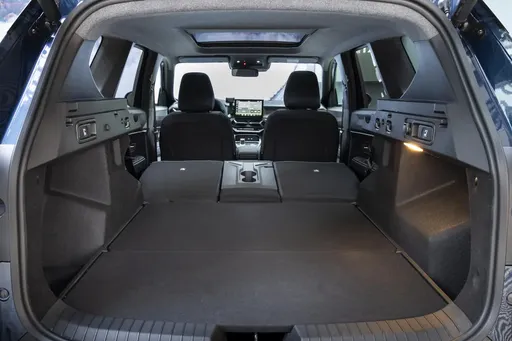
Looking at boot space, the Dacia Bigster offers visibly more boot space – 667 L compared to 430 L. That’s a difference of about 237 L.

When it comes to payload, the Dacia Bigster carries slightly more – 465 kg compared to 405 kg. That’s a difference of about 60 kg.

Who wins the race in the data check?

The Dacia Bigster is clearly superior overall in the objective data comparison.
This result only shows which model scores more points on paper – not which of the two cars feels right for you.

from £20,600
Bigster

Dacia Bigster

  • Engine Type Petrol MHEV, Full Hybrid, LPG
  • Transmission Manual, Automatic
  • Drive Type Front-Wheel Drive, All-Wheel Drive
  • Power HP 140 - 158 HP
  • Consumption L/100km 4.7 - 7.2 L/100km
Suzuki S-Cross
Dacia Bigster

Costs and Consumption

View detailed analysis

Engine and Performance

View detailed analysis

Dimensions and Body

View detailed analysis

Suzuki S-Cross

The Suzuki S-Cross is a practical, well-built compact crossover that puts comfort, efficiency and everyday reliability first. With a roomy cabin, straightforward technology and sensible design, it’s a no-nonsense choice for buyers seeking a versatile family car.

details

Dacia Bigster

The Dacia Bigster is a straightforward, value-driven SUV that emphasizes space, practicality and low running costs rather than flashy tech. It’s a sensible choice for buyers who want a roomy, well-built family car with rugged styling and easy-to-use features at an affordable price.

details
Suzuki S-Cross
Dacia Bigster

Costs and Consumption

Price
21,800 - 34,200 £
Price
20,600 - 28,100 £
Consumption L/100km
5.3 - 5.8 L/100km
Consumption L/100km
4.7 - 7.2 L/100km
Consumption kWh/100km
-
Consumption kWh/100km
-
Electric Range
-
Electric Range
-
Battery Capacity
-
Battery Capacity
-
co2
119 - 138 g/km
co2
106 - 134 g/km
Fuel tank capacity
-
Fuel tank capacity
-

Dimensions and Body

Body Type
SUV
Body Type
SUV
Seats
5
Seats
5
Doors
-
Doors
-
Curb weight
1,280 - 1,385 kg
Curb weight
1,425 - 1,611 kg
Trunk capacity
430 L
Trunk capacity
444 - 667 L
Length
-
Length
-
Width
1,785 mm
Width
1,813 mm
Height
-
Height
-
Max trunk capacity
-
Max trunk capacity
-
Payload
395 - 405 kg
Payload
434 - 465 kg

Engine and Performance

Engine Type
Petrol MHEV
Engine Type
Petrol MHEV, Full Hybrid, LPG
Transmission
Manual, Automatic
Transmission
Manual, Automatic
Transmission Detail
Manual Gearbox, Automatic Gearbox
Transmission Detail
Manual Gearbox, Automated Manual, Dual-Clutch Automatic
Drive Type
Front-Wheel Drive, All-Wheel Drive
Drive Type
Front-Wheel Drive, All-Wheel Drive
Power HP
110 HP
Power HP
140 - 158 HP
Acceleration 0-100km/h
-
Acceleration 0-100km/h
9.7 - 10.5 s
Max Speed
-
Max Speed
-
Torque
235 Nm
Torque
230 Nm
Number of Cylinders
4
Number of Cylinders
3 - 4
Power kW
81 kW
Power kW
103 - 116 kW
Engine capacity
1,373 cm3
Engine capacity
1,199 - 1,789 cm3

General

Model Year
2025
Model Year
2025
CO2 Efficiency Class
D, E
CO2 Efficiency Class
D, C
Brand
Suzuki
Brand
Dacia
DriveDuel uses data analysis and artificial intelligence to evaluate vehicle data and create content. Content is regularly reviewed and improved. The displayed prices are estimates based on German list prices, adjusted to the respective country’s VAT. Country-specific registration taxes are not included. This information is not legally binding.