VS

Vauxhall Frontera vs Renault R4 comparison

Compare performance (145 HP vs 150 HP), boot space and price (20,700 £ vs 27,300 £ ) at a glance. Find out which car is the better choice for you – Vauxhall Frontera or Renault R4?

Vauxhall Frontera vs Renault R4: Key differences

Vauxhall Frontera

4.4 (6 Reviews)
rate
  • markedly cheaper
  • barely lighter
details

Renault R4

5 (1 Reviews)
rate
  • barely more power
  • marginally more efficient
  • barely more electric range
  • slightly quicker 0–100 km/h
  • significantly more trunk space
details

All details on performance, efficiency, range and trunk space can be found in the technical comparison below – including user reviews for both models.

By Achim Sedelmaier

Frontera

Opel Frontera VS Renault R4 — which one fits your everyday life?

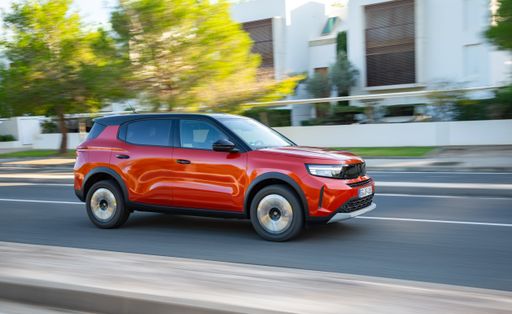
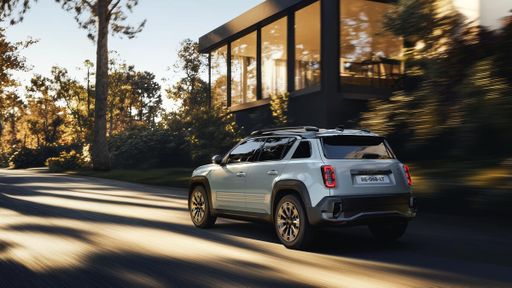
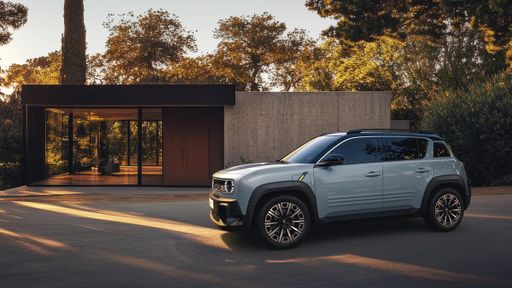
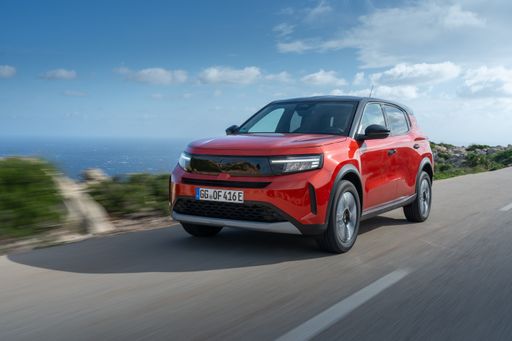
Opel Frontera VS Renault R4 sets up a classic trade-off: the Frontera leans into roomy, no‑nonsense family utility while the R4 favours compact practicality and retro charm. The Vauxhall Frontera is clearly aimed at buyers who prioritize rear‑seat space, flexible luggage layouts and a straightforward, cost‑conscious package. The Renault R4 targets urban drivers who want a low loading sill, clever little details and a calm, efficient drive in tight environments. In short, Frontera sells usable volume and simplicity; R4 sells everyday convenience and personality on a smaller footprint.
R4

Driving character: comfort versus agility

The Vauxhall Frontera feels tuned for comfort — soft suspension, stable motorway manners and a composed ride that soaks up town bumps with ease. The Renault R4 is quieter at low to moderate speeds and more nimble through town, with a smaller turning circle that makes parking and lane changes less fussy. On long motorway stints the Frontera’s composure gives confidence, whereas the R4 remains relaxed but can show more wind noise and needs more planning for rapid long runs. If you want a settled cruiser for family trips choose the Frontera’s calm; if most miles are urban or school‑run, the R4’s agility pays dividends.

Frontera

Comfort and long‑distance usability

Rear passengers will notice the biggest split: the Frontera offers generous legroom and headroom, and even a usable third row in its hybrid variants for kids, while the R4’s rear bench is lower and tighter for adults. Front seats in the Frontera are comfortable for shorter drives but feel a touch utilitarian on long stints, whereas the R4’s seating and quieter cabin reward steady cruising but can fatigue taller occupants in the back. For extended family journeys the Frontera’s space and boot flexibility make packing and comfort easier; for occasional trips with two adults and luggage the R4’s calm efficiency is usually sufficient. Consider who sits in the back most often: that determines which compromise feels right day‑to‑day.

R4

Practicality and luggage: size versus accessibility

The Frontera wins when raw cargo volume and flexible storage matter — a rectangular opening, variable floor and under‑floor cubbies turn weekend gear into an easy load. The R4 counters with an exceptionally low loading lip and smart, user‑friendly touches that make daily chores like shopping or stroller loading quicker and less awkward. Folded seats reveal another contrast: the Frontera can hide and organise more, while the R4 occasionally shows a step or seam that complicates perfectly flat loading. If you need to move bulky items or carry three passengers plus bags regularly, Frontera is the pragmatic pick; if you value effortless daily loading and city practicality, the R4 feels handier.

Frontera

Cabin feel, tech and perceived quality

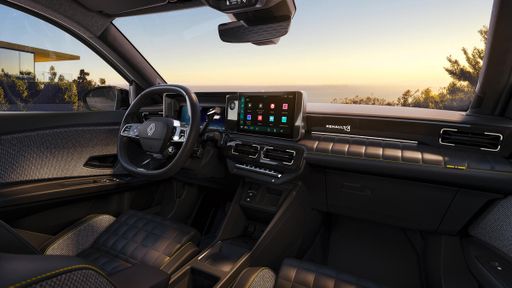
The Frontera’s interior is durable and deliberately simple — lots of hard plastics and clear physical controls that are easy to use but don’t aim for luxury. The R4 presents a more curated cabin vibe with a friendly, Google‑based infotainment experience and neater finishes in higher trims, giving a more modern and slightly more premium impression. Both cars have compromises in rear visibility, but the solutions differ: the Frontera often needs optional camera packages to help park, while the R4’s camera tends to be lower resolution and can get dirty. Choose Frontera if you prize tactile simplicity and robust ergonomics; pick R4 if a slick infotainment and nicer cabin feel matter more in daily use.

R4

Buyer fit: who should choose which car?

If your priority is carrying people and luggage without fuss — a budget‑minded family, regular school runs and long weekend trips — the Vauxhall Frontera is the more sensible, space‑first choice. If you live in town, value easy loading, want a compact footprint and enjoy a calm, efficient electric driving experience with character, the Renault R4 will feel more suited to your routine. Frontera trades a bit of polish for space and value; R4 trades some rear comfort and rapid long‑distance capability for accessibility, tech and city friendliness. The technical comparison that follows will unpack the drivetrain, range and cargo numbers so you can match these real‑world fits to the specification that matters most.

Here’s where it gets real: The technical differences in detail

Frontera

Costs and Efficiency:

Price and efficiency are often the first things buyers look at. Here it becomes clear which model has the long-term edge – whether at the pump, the plug, or in purchase price.

Vauxhall Frontera is markedly cheaper – starting at 20,700 £ , while the Renault R4 costs 27,300 £ . That’s a price difference of around 6,591 £.

In terms of energy consumption, the Renault R4 is marginally more efficient: consuming 15.1 kWh/100km compared to 15.8 kWh/100km for the Vauxhall Frontera. That’s a difference of about 0.7 kWh/100km.

As for electric range, the Renault R4 offers barely more range – reaching up to 409 km, about 1 km more than the Vauxhall Frontera.

R4

Engine and Performance:

Power, torque and acceleration say a lot about how a car feels on the road. This is where you see which model delivers more driving dynamics.

When it comes to engine power, the Renault R4 offers barely more power – delivering 150 HP compared to 145 HP. That’s roughly 5 HP more horsepower.

When accelerating from 0 to 100 km/h, the Renault R4 is slightly quicker – completing the sprint in 8.2 s, while the Vauxhall Frontera takes 9.1 s. That’s about 0.9 s quicker.

There’s also a difference in torque: the Renault R4 delivers very slightly more torque with 245 Nm compared to 230 Nm. That’s about 15 Nm more.

Frontera

Space and Everyday Use:

Cabin size, boot volume and payload all play a role in everyday practicality. Here, comfort and flexibility make the difference.

Seats: Vauxhall Frontera offers more seats – 7 vs 5.

In terms of curb weight, Vauxhall Frontera is barely lighter – 1,394 kg compared to 1,510 kg. The difference is around 116 kg.

Looking at boot space, the Renault R4 offers significantly more boot space – 1,045 L compared to 460 L. That’s a difference of about 585 L.

When it comes to payload, the Vauxhall Frontera carries noticeably more – 570 kg compared to 443 kg. That’s a difference of about 127 kg.

Who wins the race in the data check?

The Vauxhall Frontera is narrowly ahead in the objective data comparison.
This result only shows which model scores more points on paper – not which of the two cars feels right for you.

from £20,700
Frontera

Vauxhall Frontera

  • Engine Type : Electric, Petrol MHEV
  • Transmission : Automatic
  • Drive Type : Front-Wheel Drive
  • Power HP : 110 - 145 HP
  • Consumption L/100km : 5.2 - 5.3 L/100km
  • Consumption kWh/100km : 15.8 - 18.3 kWh/100km
  • Electric Range : 308 - 408 km
Vauxhall Frontera
Renault R4

Costs and Consumption

View detailed analysis

Engine and Performance

View detailed analysis

Dimensions and Body

View detailed analysis

Vauxhall Frontera

The Opel Frontera is a rugged, no-nonsense SUV that balances off-road capability with comfortable everyday driving. It offers straightforward mechanics and a practical cabin, making it a sensible choice for buyers who value durability over flash.

details

Renault R4

The Renault R4, affectionately known as the "R4," is a quintessential symbol of French automotive simplicity and practicality. This classic compact car, originally introduced in the early 1960s, won over numerous enthusiasts with its versatile design and dependable performance. Its no-frills charm and robust build made it a beloved choice for rural drivers and city dwellers alike, cementing its status as an iconic piece of automotive history.

details
Vauxhall Frontera
Renault R4

Costs and Consumption

Price
20,700 - 30,000 £
Price
27,300 - 32,800 £
Consumption L/100km
5.2 - 5.3 L/100km
Consumption L/100km
-
Consumption kWh/100km
15.8 - 18.3 kWh/100km
Consumption kWh/100km
15.1 kWh/100km
Electric Range
308 - 408 km
Electric Range
409 km
Battery Capacity
-
Battery Capacity
-
co2
0 - 119 g/km
co2
0 g/km
Fuel tank capacity
-
Fuel tank capacity
-

Dimensions and Body

Body Type
SUV
Body Type
SUV
Seats
5 - 7
Seats
2 - 5
Doors
-
Doors
-
Curb weight
1,394 - 1,610 kg
Curb weight
1,510 - 1,537 kg
Trunk capacity
460 L
Trunk capacity
420 - 1,045 L
Length
-
Length
-
Width
1,795 mm
Width
1,808 mm
Height
-
Height
-
Max trunk capacity
-
Max trunk capacity
-
Payload
436 - 570 kg
Payload
385 - 443 kg

Engine and Performance

Engine Type
Electric, Petrol MHEV
Engine Type
Electric
Transmission
Automatic
Transmission
Automatic
Transmission Detail
Reduction Gearbox, Dual-Clutch Automatic
Transmission Detail
Reduction Gearbox
Drive Type
Front-Wheel Drive
Drive Type
Front-Wheel Drive
Power HP
110 - 145 HP
Power HP
150 HP
Acceleration 0-100km/h
9.1 - 14.2 s
Acceleration 0-100km/h
8.2 s
Max Speed
-
Max Speed
-
Torque
125 - 230 Nm
Torque
245 Nm
Number of Cylinders
3
Number of Cylinders
-
Power kW
81 - 107 kW
Power kW
110 kW
Engine capacity
1,199 cm3
Engine capacity
-

General

Model Year
2025
Model Year
2,025 - 2,026
CO2 Efficiency Class
A, D
CO2 Efficiency Class
A
Brand
Vauxhall
Brand
Renault
DriveDuel uses data analysis and artificial intelligence to evaluate vehicle data and create content. Content is regularly reviewed and improved. The displayed prices are estimates based on German list prices, adjusted to the respective country’s VAT. Country-specific registration taxes are not included. This information is not legally binding.