@ Opel / Stellantis Media
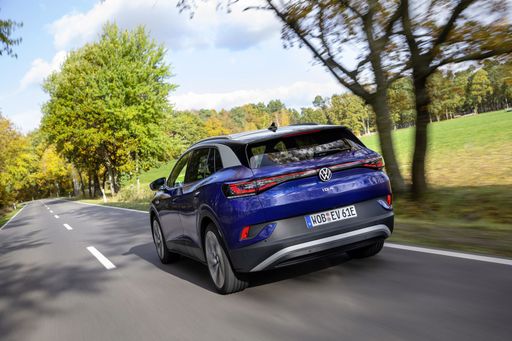
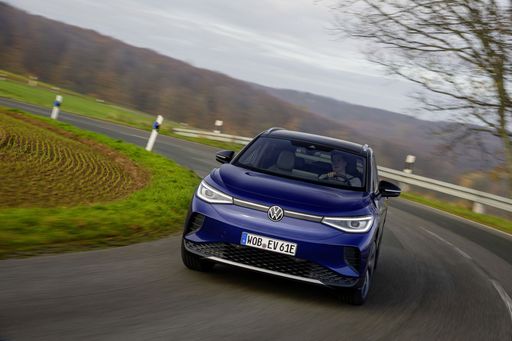
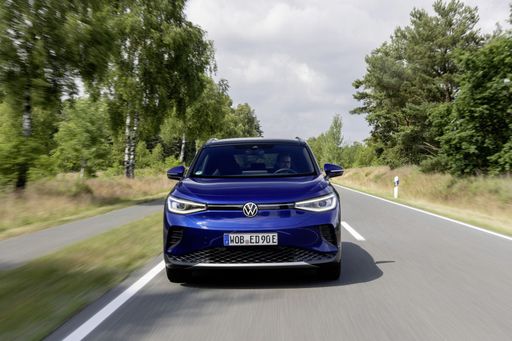
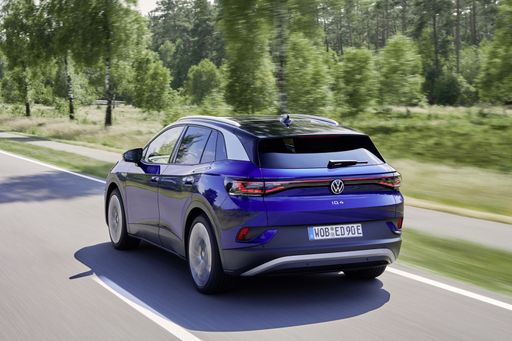
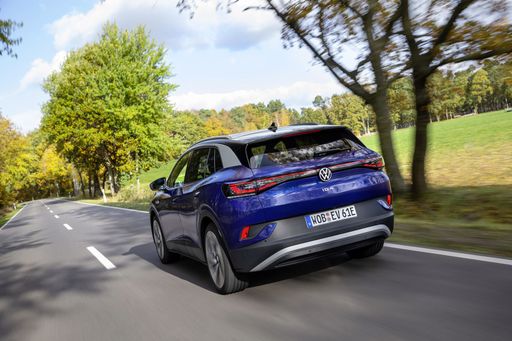
@ Volkswagen AG / VW Media
VS

Vauxhall Grandland vs VW ID.4 – Differences & prices compared

Everyday use, family trips or long-distance drives – here’s where the differences show.
Discover whether Vauxhall Grandland or VW ID.4 fits your lifestyle better.

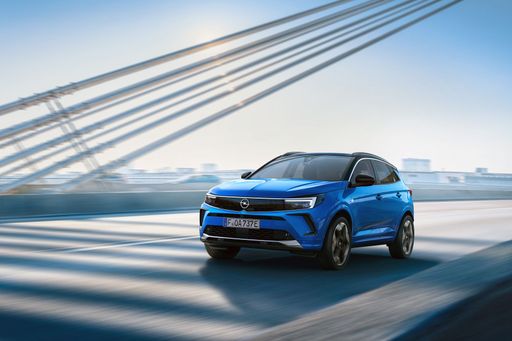
Grandland @ Opel / Stellantis Media

Opel Grandland vs. VW ID.4: A Clash of Titans in the SUV Arena

The SUV market continues to be a hotbed of innovation and competition, and two of the standout models vying for attention are the Opel Grandland and the VW ID.4. Both vehicles are pushing boundaries in design, performance, and technology, reflecting the growing demand for more efficient and versatile SUVs. In this comparison, we'll dive deep into what makes each of these models unique, from their technical specifications to the innovations they bring to the table.

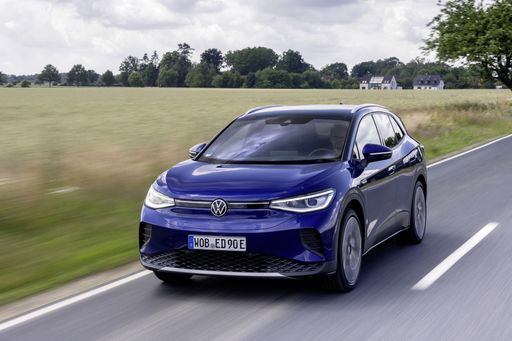
ID.4 @ Volkswagen AG / VW Media

Performance and Powertrain

The Opel Grandland offers a variety of powertrains designed to cater to diverse preferences and needs. Available in petrol MHEV, plugin hybrid, and electric versions, this SUV provides a power range of 136 to 213 HP, matching well with its flexible drive types, including a front-wheel-drive system. Meanwhile, the VW ID.4, available only as an electric vehicle, delivers a significant range in power outputs between 170 to 340 HP, showcased through its dynamic rear-wheel and all-wheel-drive formats.

In terms of acceleration, the ID.4 shines with its ability to sprint from 0 to 100 km/h in as little as 5.4 seconds, thanks to its electric motor's impressive torque distribution of up to 679 Nm. The Grandland, though slightly slower, offers a respectable acceleration time starting from 7.8 seconds, depending on the powertrain selection, which is complemented by a maximum torque of 350 Nm.

Grandland @ Opel / Stellantis Media

Efficiency and Range

Fuel efficiency and electric range are key considerations for modern SUV buyers. The Opel Grandland's hybrid options report a consumption as low as 0.8 L/100km, while the fully electric version offers between 523 and 585 km of range. CO2 emissions range from 0 to 124 g/km, aligning well within competitive CO2 efficiency classes of A to D depending on the model.

Not to be outdone, the VW ID.4 stands strong in efficiency, with an average consumption of 15.8 to 16.8 kWh/100km and a CO2 efficiency class of A. It features a robust electric range of 357 to 572 km, underscoring Volkswagen's commitment to electric innovation and infrastructure support.

ID.4 @ Volkswagen AG / VW Media

Design and Dimensions

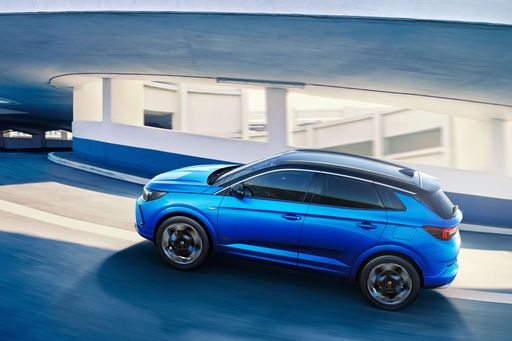
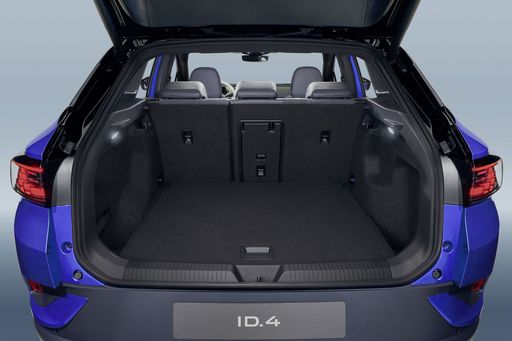
Design-wise, the Opel Grandland measures 4650 mm in length, 1934 mm in width, and 1665 mm in height, providing a sturdy and spacious cabin with a trunk capacity of 550 liters, making it ideal for family outings and adventure trips. Conversely, the VW ID.4 offers a slightly compact profile with dimensions stretching up to 4584 mm in length, 1852 mm in width, and a height variation from 1619 to 1634 mm, alongside a generous trunk space of 543 liters.

Grandland @ Opel / Stellantis Media

Innovation and Technology

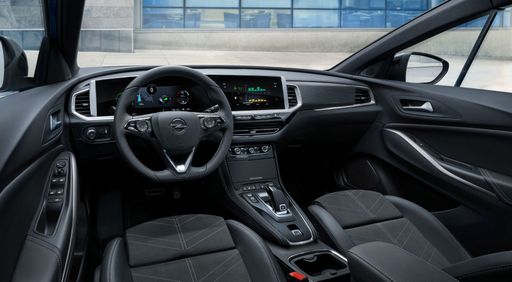
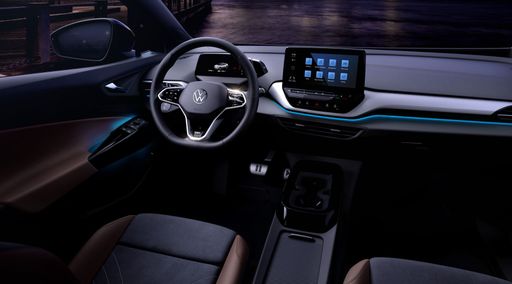
Both SUVs are a testament to automotive innovation, from their powertrains to user-focused technologies. The Opel Grandland combines hybrid efficiency with cutting-edge features like automatic dual-clutch and reduction gearbox transmissions. Meanwhile, the VW ID.4 integrates cutting-edge electric technologies with transmissions designed for efficiency and seamless driving, promising comfort and ease with each journey.

ID.4 @ Volkswagen AG / VW Media

Conclusion

The competition between the Opel Grandland and the VW ID.4 highlight their respective strengths in the SUV market. The Grandland offers the flexibility of hybrid and electric powertrains, appealing to consumers looking for a varied approach to efficiency and performance. On the other hand, the ID.4 stands as a robust all-electric option, designed to deliver exceptional range and innovative driving dynamics.

Ultimately, the choice between these two would rest on personal preferences for hybrid flexibility versus fully embracing the electric future, alongside considerations of performance and design needs.

Video - VW ID.4

Here’s where it gets real: The technical differences in detail

Grandland @ Opel / Stellantis Media

Costs and Efficiency:

Price and efficiency are often the first things buyers look at. Here it becomes clear which model has the long-term edge – whether at the pump, the plug, or in purchase price.

Vauxhall Grandland has a hardly perceptible advantage in terms of price – it starts at 32600 £, while the VW ID.4 costs 34600 £. That’s a price difference of around 2010 £.

In terms of energy consumption, the advantage goes to the VW ID.4: with 15.60 kWh per 100 km, it’s slightly more efficient than the Vauxhall Grandland with 17.80 kWh. That’s a difference of about 2.20 kWh.

As for range, the Vauxhall Grandland performs a bit better – achieving up to 694 km, about 125 km more than the VW ID.4.

ID.4 @ Volkswagen AG / VW Media

Engine and Performance:

Power, torque and acceleration are the classic benchmarks for car enthusiasts – and here, some clear differences start to show.

When it comes to engine power, the VW ID.4 has a hardly perceptible edge – offering 340 HP compared to 325 HP. That’s roughly 15 HP more horsepower.

In acceleration from 0 to 100 km/h, the VW ID.4 is to a small extent quicker – completing the sprint in 5.40 s, while the Vauxhall Grandland takes 6.10 s. That’s about 0.70 s faster.

In terms of top speed, the Vauxhall Grandland performs slightly better – reaching 220 km/h, while the VW ID.4 tops out at 180 km/h. The difference is around 40 km/h.

There’s also a difference in torque: VW ID.4 pulls distinct stronger with 679 Nm compared to 509 Nm. That’s about 170 Nm difference.

Space and Everyday Use:

Whether family car or daily driver – which one offers more room, flexibility and comfort?

Both vehicles offer seating for 5 people.

In curb weight, Vauxhall Grandland is slightly lighter – 1675 kg compared to 1975 kg. The difference is around 300 kg.

In terms of boot space, the Vauxhall Grandland offers slight more room – 550 L compared to 543 L. That’s a difference of about 7 L.

In maximum load capacity, the Vauxhall Grandland performs minimal better – up to 1645 L, which is about 70 L more than the VW ID.4.

When it comes to payload, VW ID.4 slightly takes the win – 551 kg compared to 495 kg. That’s a difference of about 56 kg.

Who wins the race?

The VW ID.4 proves to be has a very small edge and therefore becomes our DriveDuel Champion!
VW ID.4 is the better all-rounder in this comparison.

from about £34,600
ID.4 @ Volkswagen AG / VW Media

VW ID.4

  • Engine Type : Electric
  • Transmission : Automatic
  • Drive Type : Rear-Wheel Drive, All-Wheel Drive
  • Power HP : 170 - 340 HP
  • Consumption kWh/100km : 15.6 - 17 kWh
  • Electric Range : 356 - 569 km

Vauxhall Grandland

5 (1)
rate

The Opel Grandland feels like a sensible, well-rounded SUV — neat styling, a spacious cabin and a composed ride that turns daily driving into a quietly pleasant experience. It’s a smart choice for buyers who want modern tech, good economy and a dash of German practicality without shouting for attention.

details

VW ID.4

4.5 (2)
rate

The VW ID.4 is a calm, roomy electric SUV that turns everyday driving into a quietly confident experience, its practical packaging and smooth manners tailored perfectly for family life. Volkswagen's solid build and intuitive interior tech mean you get electric practicality without the sci‑fi theatrics, making the ID.4 a sensible, surprisingly likable choice for most buyers.

details
Vauxhall Grandland
VW ID.4
Grandland @ Opel / Stellantis Media
ID.4 @ Volkswagen AG / VW Media

Costs and Consumption

Price
32600 - 51400 £
Price
34600 - 47200 £
Consumption L/100km
2.6 - 5.6 L
Consumption L/100km
-
Consumption kWh/100km
17.8 - 18.6 kWh
Consumption kWh/100km
15.6 - 17 kWh
Electric Range
82 - 694 km
Electric Range
356 - 569 km
Battery Capacity
-
Battery Capacity
52 - 77 kWh
co2
0 - 126 g/km
co2
0 g/km
Fuel tank capacity
55 L
Fuel tank capacity
-

Dimensions and Body

Body Type
SUV
Body Type
SUV
Seats
5
Seats
5
Doors
5
Doors
5
Curb weight
1675 - 2325 kg
Curb weight
1975 - 2248 kg
Trunk capacity
485 - 550 L
Trunk capacity
543 L
Length
4650 mm
Length
4582 - 4584 mm
Width
1905 - 1934 mm
Width
1852 mm
Height
1665 mm
Height
1619 - 1634 mm
Max trunk capacity
1580 - 1645 L
Max trunk capacity
1575 L
Payload
425 - 495 kg
Payload
511 - 551 kg

Engine and Performance

Engine Type
Electric, Petrol MHEV, Plugin Hybrid
Engine Type
Electric
Transmission
Automatic
Transmission
Automatic
Transmission Detail
Reduction Gearbox, Dual-Clutch Automatic
Transmission Detail
Reduction Gearbox
Drive Type
Front-Wheel Drive, All-Wheel Drive
Drive Type
Rear-Wheel Drive, All-Wheel Drive
Power HP
145 - 325 HP
Power HP
170 - 340 HP
Acceleration 0-100km/h
6.1 - 10.2 s
Acceleration 0-100km/h
5.4 - 9 s
Max Speed
170 - 220 km/h
Max Speed
160 - 180 km/h
Torque
230 - 509 Nm
Torque
310 - 679 Nm
Number of Cylinders
3 - 4
Number of Cylinders
-
Power kW
107 - 239 kW
Power kW
125 - 250 kW
Engine capacity
1199 - 1598 cm3
Engine capacity
-

General

Model Year
2024 - 2025
Model Year
2023 - 2025
CO2 Efficiency Class
A, D, B
CO2 Efficiency Class
A
Brand
Vauxhall
Brand
VW
Is the Vauxhall Grandland offered with different drivetrains?

Available configurations include Front-Wheel Drive or All-Wheel Drive.

The prices and data displayed are estimates based on German list prices and may vary by country. This information is not legally binding.