VS

Peugeot 308 vs Peugeot 2008 comparison

Compare performance (195 HP vs 156 HP), boot space and price (29,200 £ vs 24,800 £ ) at a glance. Find out which car is the better choice for you – Peugeot 308 or Peugeot 2008?

Peugeot 308 vs Peugeot 2008: Key differences

Peugeot 308

5 (1 Reviews)
rate
  • moderately more power
  • considerably more efficient
  • marginally more electric range
  • marginally quicker 0–100 km/h

Peugeot 2008

5 (1 Reviews)
rate
  • moderately cheaper
  • only slightly more efficient
  • somewhat lighter
  • marginally more trunk space
308

Peugeot 2008 VS Peugeot 308 — crossover or hatchback, which suits you?

The Peugeot 2008 VS Peugeot 308 pits a cheeky compact SUV against a sleeker compact hatchback in a head-to-head that matters to buyers. This comparison is about how the Peugeot 2008 and the Peugeot 308 differ in everyday character, perceived comfort and practicality rather than just tick-box figures. We’ll look at how each car feels on the road, how usable they are for daily life, and what kind of owner each one naturally attracts. Read on if you want a clear sense of which silhouette and personality match your garage and your ego.

2008

Personality clash: rugged cheek vs composed poise

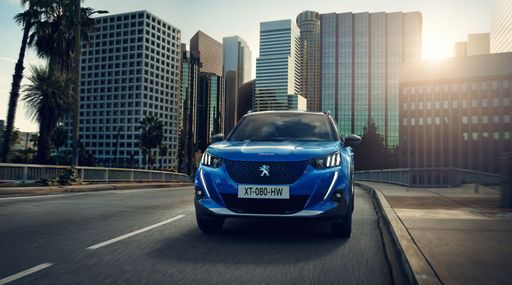
The Peugeot 2008 arrives with an upright, adventurous attitude that pairs well with weekend plans and school runs, while the Peugeot 308 prefers to make its point through composure and precision. In the 2008 you get a higher seating position and a look that says “I’ll go places,” whereas the 308’s lines and cabin layout aim for a sharper, more driver-focused experience. The 2008 trades some on-road crispness for presence and approachability; the 308 sacrifices a little of that height for tighter handling and a more mature interior vibe. That contrast is the heart of the duel: one plays extrovert, the other plays it cool.

308

Everyday reality: city nimbleness vs long-run comfort

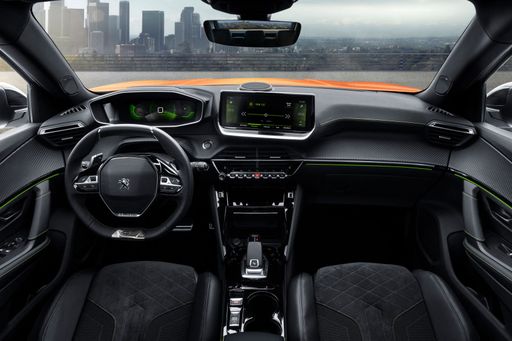
The Peugeot 2008 makes life easy in town thanks to its elevated view and practical load space, while the Peugeot 308 rewards motorway miles and tighter cornering with a more planted feel. If your routine is lots of short trips, shopping and occasional countryside runs, the 2008’s layout and usability feel sensible and forgiving. If you spend hours on fast roads or value a cabin that soothes fatigue, the 308’s composure becomes a real advantage. Both cabins are user-friendly, but the 308 aims for a slightly more polished, car-like ergonomics compared with the 2008’s crossover practicality.

2008

Buying with pride: style statements and sensible reasons

Picking the Peugeot 2008 signals lifestyle and practicality — it’s the choice for people who want a bit of character with their daily utility. Choosing the Peugeot 308 says you value efficiency, sharper driving manners and a subtler, more refined presence. The 2008 offers a visible personality that suits those who like a noticeable silhouette on the driveway, while the 308 opts for understated class that rewards closer inspection. Both give you solid justifications at the dealership: one feels like a lifestyle upgrade, the other like a sensible step towards better driving and finish.

308

Who should test-drive the 2008 first?

The Peugeot 2008 is ideal for buyers who prioritise everyday flexibility, easy access and a relaxed view of the road — think urban families and practical-minded commuters. If loading child seats, bulky shopping and navigating tight streets are part of your routine, the 2008’s packaging and elevated seating make life simpler. It’s also for drivers who want a dose of style without chasing premium-badge pretensions, so image-conscious pragmatists will be comfortable here. If you’re undecided about outright refinement, take the 2008 for a week and then compare notes with the Peugeot 308.

2008

Who should test-drive the 308 next?

The Peugeot 308 suits drivers who prize efficiency, tighter steering and a cabin that feels a touch more grown-up — ideal for rational buyers who want economy and engagement. If modern tech, composed long-distance comfort and a sleeker hatch profile are high on your checklist, the 308 will likely win on day-to-day satisfaction. It’s the pick for those who prefer a precise, slightly firmer drive to the softer crossover manners of the 2008. If practicality nudges you more than sportiness, remember the Peugeot 2008 remains the cushier alternative to test before you decide.

Here’s where it gets real: The technical differences in detail

308

Costs and Efficiency:

Price and efficiency are key factors when choosing a car – and this is often where the real differences emerge.

Peugeot 2008 is moderately cheaper – starting at 24,800 £ , while the Peugeot 308 costs 29,200 £ . That’s a price difference of around 4,475 £.

Fuel consumption also shows a difference: the Peugeot 308 uses 2.3 L/100km and is considerably more efficient than the Peugeot 2008 with 4.9 L/100km. The difference is about 2.6 L/100km.

In terms of energy consumption, the Peugeot 2008 is only slightly more efficient: consuming 15.3 kWh/100km compared to 15.6 kWh/100km for the Peugeot 308. That’s a difference of about 0.3 kWh/100km.

As for electric range, the Peugeot 308 offers marginally more range – reaching up to 450 km, about 44 km more than the Peugeot 2008.

2008

Engine and Performance:

Power, torque and acceleration are the classic benchmarks for car enthusiasts – and here, some clear differences start to show.

When it comes to engine power, the Peugeot 308 offers moderately more power – delivering 195 HP compared to 156 HP. That’s roughly 39 HP more horsepower.

When accelerating from 0 to 100 km/h, the Peugeot 308 is marginally quicker – completing the sprint in 7.6 s, while the Peugeot 2008 takes 8.3 s. That’s about 0.7 s quicker.

Looking at top speed, the Peugeot 308 is very slightly faster – reaching 225 km/h, while the Peugeot 2008 tops out at 206 km/h. The difference is around 19 km/h.

There’s also a difference in torque: the Peugeot 308 delivers marginally more torque with 300 Nm compared to 270 Nm. That’s about 30 Nm more.

308

Space and Everyday Use:

Cabin size, boot volume and payload all play a role in everyday practicality. Here, comfort and flexibility make the difference.

Both vehicles offer seating for 5 people.

In terms of curb weight, Peugeot 2008 is somewhat lighter – 1,263 kg compared to 1,453 kg. The difference is around 190 kg.

Looking at boot space, the Peugeot 2008 offers marginally more boot space – 434 L compared to 412 L. That’s a difference of about 22 L.

For maximum load capacity, the Peugeot 2008 offers very slightly more capacity – up to 1,467 L, about 144 L more than the Peugeot 308.

When it comes to payload, the Peugeot 308 carries slightly more – 503 kg compared to 447 kg. That’s a difference of about 56 kg.

Who wins the race in the data check?

The Peugeot 308 is clearly superior overall in the objective data comparison.
This result only shows which model scores more points on paper – not which of the two cars feels right for you.

from £29,200
308

Peugeot 308

  • Engine Type : Petrol MHEV, Diesel, Plugin Hybrid, Electric
  • Transmission : Automatic
  • Drive Type : Front-Wheel Drive
  • Power HP : 131 - 195 HP
  • Consumption L/100km : 2.3 - 5.1 L/100km
  • Consumption kWh/100km : 15.6 kWh/100km
  • Electric Range : 78 - 450 km
Peugeot 308
Peugeot 2008

Costs and Consumption

View detailed analysis

Engine and Performance

View detailed analysis

Dimensions and Body

View detailed analysis

Peugeot 308

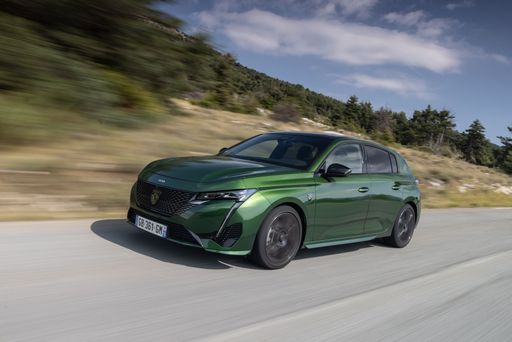
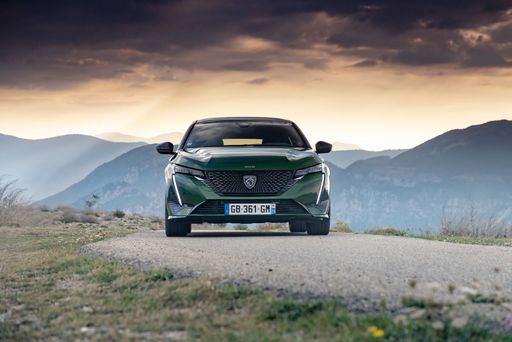
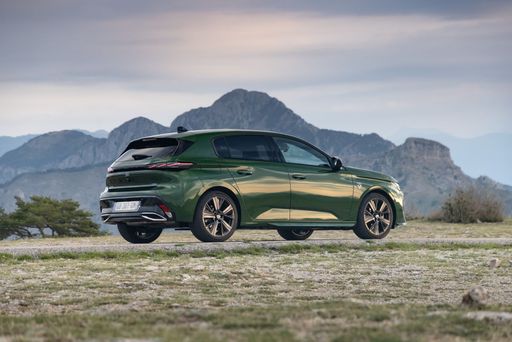
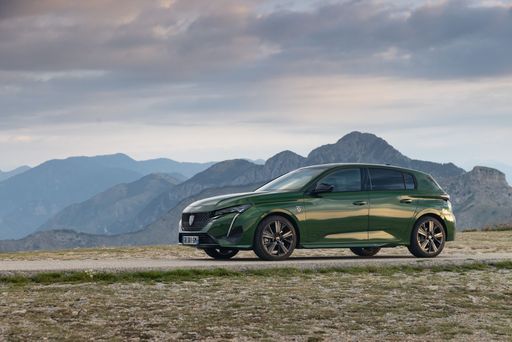
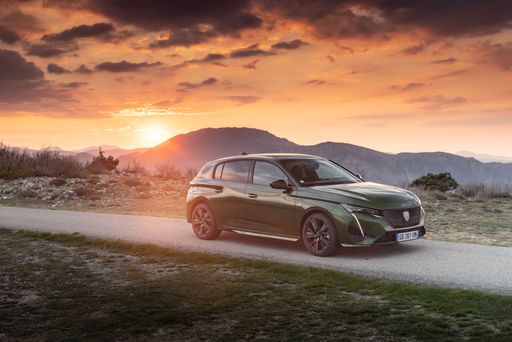
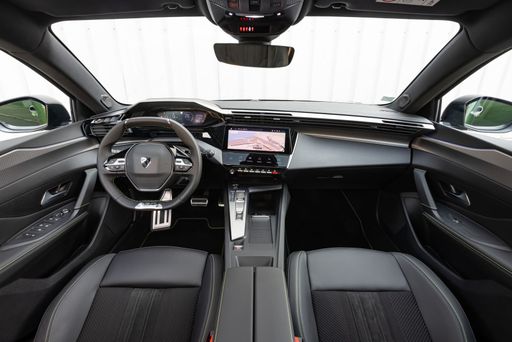
The Peugeot 308 brings a sleek, feline profile and an unexpectedly upscale cabin, with clever packaging and materials that feel a touch more premium than you might expect. It’s composed on the road, easy to live with for daily life, and a smart choice if you want a stylish hatch that still behaves when the road gets interesting.

details

Peugeot 2008

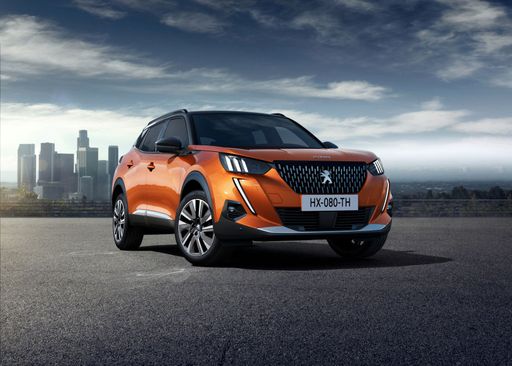
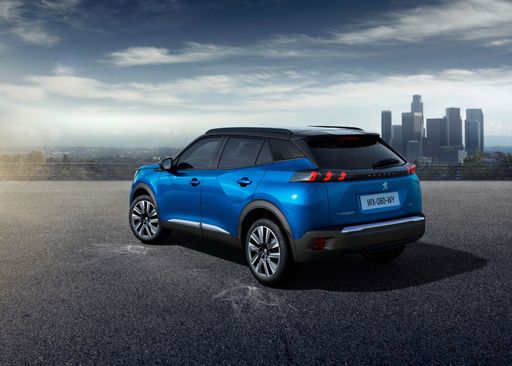
The Peugeot 2008 is a stylish, city-friendly crossover that packs big character into a compact package, turning mundane errands into a mildly entertaining drive. Its clever interior layout, polished looks and confident ride make it a smart choice for buyers who want practical daily sense with a touch of flair.

details
Peugeot 308
Peugeot 2008

Costs and Consumption

Price
29,200 - 42,600 £
Price
24,800 - 40,400 £
Consumption L/100km
2.3 - 5.1 L/100km
Consumption L/100km
4.9 - 5.7 L/100km
Consumption kWh/100km
15.6 kWh/100km
Consumption kWh/100km
15.3 - 15.5 kWh/100km
Electric Range
78 - 450 km
Electric Range
405 - 406 km
Battery Capacity
0.4 kWh
Battery Capacity
51 kWh
co2
0 - 133 g/km
co2
0 - 129 g/km
Fuel tank capacity
42 - 52 L
Fuel tank capacity
44 L

Dimensions and Body

Body Type
Hatchback
Body Type
SUV
Seats
5
Seats
5
Doors
5
Doors
5
Curb weight
1,453 - 1,749 kg
Curb weight
1,263 - 1,623 kg
Trunk capacity
314 - 412 L
Trunk capacity
434 L
Length
4,367 mm
Length
4,304 mm
Width
1,852 mm
Width
1,770 mm
Height
1,438 mm
Height
1,523 mm
Max trunk capacity
1,258 - 1,323 L
Max trunk capacity
1,467 L
Payload
430 - 503 kg
Payload
407 - 447 kg

Engine and Performance

Engine Type
Petrol MHEV, Diesel, Plugin Hybrid, Electric
Engine Type
Electric, Petrol MHEV, Petrol
Transmission
Automatic
Transmission
Automatic, Manuel
Transmission Detail
Dual-Clutch Automatic, Automatic Gearbox, Reduction Gearbox
Transmission Detail
Reduction Gearbox, Dual-Clutch Automatic, Manual Gearbox
Drive Type
Front-Wheel Drive
Drive Type
Front-Wheel Drive
Power HP
131 - 195 HP
Power HP
101 - 156 HP
Acceleration 0-100km/h
7.6 - 10.6 s
Acceleration 0-100km/h
8.3 - 10.9 s
Max Speed
170 - 225 km/h
Max Speed
150 - 206 km/h
Torque
230 - 300 Nm
Torque
205 - 270 Nm
Number of Cylinders
3 - 4
Number of Cylinders
3
Power kW
96 - 144 kW
Power kW
74 - 115 kW
Engine capacity
1,199 - 1,598 cm3
Engine capacity
1,199 cm3

General

Model Year
2,025 - 2,026
Model Year
2,023 - 2,026
CO2 Efficiency Class
C, D, B, A
CO2 Efficiency Class
A, C, D
Brand
Peugeot
Brand
Peugeot
DriveDuel uses data analysis and artificial intelligence to evaluate vehicle data and create content. Content is regularly reviewed and improved. The displayed prices are estimates based on German list prices, adjusted to the respective country’s VAT. Country-specific registration taxes are not included. This information is not legally binding.