VS

Polestar 4 vs Ford Mustang Mach-E comparison

Compare performance (544 HP vs 487 HP), boot space and price (53,100 £ vs 48,400 £ ) at a glance. Find out which car is the better choice for you – Polestar 4 or Ford Mustang Mach-E?

Polestar 4 vs Ford Mustang Mach-E: Key differences

Polestar 4

4.8 (13 Reviews)
rate
  • slightly more power
  • very slightly more electric range
  • marginally more trunk space
details

Ford Mustang Mach-E

3.8 (4 Reviews)
rate
  • only slightly cheaper
  • marginally more efficient
  • barely lighter
details

All details on performance, efficiency, range and trunk space can be found in the technical comparison below – including user reviews for both models.

By Achim Sedelmaier

4

Ford vs Polestar: A Detailed Comparison of Electric SUVs

As electric vehicles (EVs) gain traction in the automotive market, two contenders have captured attention: Ford and Polestar. Both brands, rooted in rich automotive traditions, have ventured into the electric SUV segment, bringing forth innovative technologies and compelling designs. In this article, we will delve into a head-to-head comparison of Ford's electric offerings against those from Polestar, exploring their technical specifications, innovations, and features.
Mustang Mach-E

Power and Performance

When it comes to power, both manufacturers have done well to equip their SUVs with robust electric drivetrains. Ford's electric SUV lineup boasts up to 487 horsepower and torque figures ranging up to 880 Nm. This enables exhilarating acceleration, with some models achieving the 0-100 km/h sprint in just 3.5 seconds.

On the other hand, Polestar’s latest offerings are no slouch either, with a maximum output of 544 horsepower and peak torque of 686 Nm. These figures translate to impressive performance, with the 0-100 km/h acceleration time estimated at just 3.8 seconds. The focus on performance ensures that both brands deliver thrilling driving experiences typical of their combustion-engine predecessors.

4

Electric Range and Efficiency

Electric range is crucial for any EV buyer, and both Ford and Polestar excel in this area. Ford's electric models can achieve ranges of up to 600 km on a single charge, while Polestar offers an impressive 620 km range. Efficiency also plays a vital role; Ford’s SUV consumption varies from 17.3 to 21.3 kWh/100 km, while Polestar registers a slightly higher consumption at 18.7 kWh/100 km.

Mustang Mach-E

Battery and Charging

Battery capacity is another important aspect of electric vehicles. Ford's range encompasses battery sizes from 72.6 kWh to 91 kWh, while Polestar's offerings come with a 94 kWh capacity. Both manufacturers have designed their vehicles for fast charging, allowing for minimal downtime that aligns with the increasing trend of electric mobility.

4

Interior Comfort and Technology

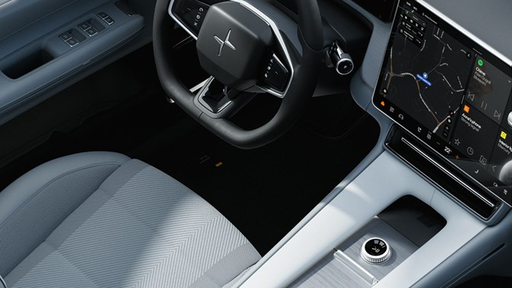
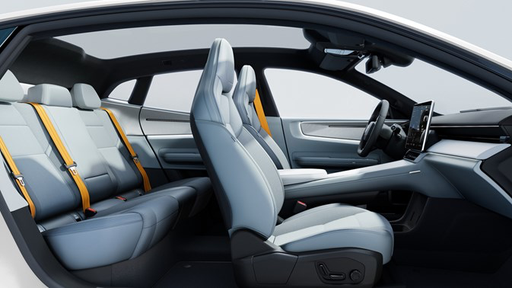
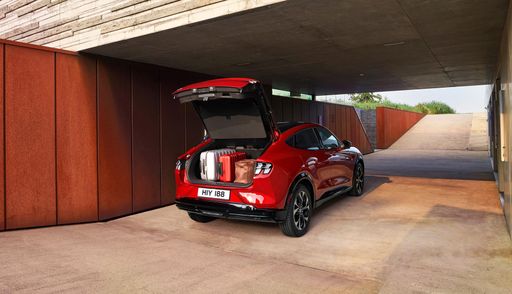
Inside the cabin, both Ford and Polestar place significant emphasis on driver comfort and high-tech features. Ford's electric SUVs often come equipped with a sophisticated infotainment system, intuitive controls, and ample storage space, with trunk capacities around 402 liters. In contrast, Polestar’s sophisticated Scandinavian design philosophy focuses on minimalism and user experience, offering a more premium feel, especially in its higher-end models where trunk capacity can reach 526 liters.

Mustang Mach-E

Innovative Features

Both brands integrate advanced technologies into their vehicle offerings. Ford has embraced features like connected car technology, which allows for over-the-air updates, enhanced safety systems, and driver-assistance tools. On the other hand, Polestar emphasizes sustainable materials throughout its vehicles, alongside cutting-edge safety features and driver-centric technology that enhances the overall driving experience.

Conclusion: Which SUV Comes Out on Top?

Ultimately, the choice between Ford and Polestar comes down to individual preferences. Ford provides a robust performance and extensive electric range, making it appealing for those who prioritize power and versatility. Meanwhile, Polestar offers a more upscale experience combined with a focus on sustainability and style.

As both brands continue to evolve in the electric vehicle landscape, the competition is likely to drive innovation and quality higher, benefitting electric vehicle enthusiasts around the globe.

Here’s where it gets real: The technical differences in detail

4

Costs and Efficiency:

When it comes to price and running costs, the biggest differences usually appear. This is often where you see which car fits your budget better in the long run.

Ford Mustang Mach-E is only slightly cheaper – starting at 48,400 £ , while the Polestar 4 costs 53,100 £ . That’s a price difference of around 4,629 £.

In terms of energy consumption, the Ford Mustang Mach-E is marginally more efficient: consuming 17.7 kWh/100km compared to 17.8 kWh/100km for the Polestar 4. That’s a difference of about 0.1 kWh/100km.

As for electric range, the Polestar 4 offers very slightly more range – reaching up to 620 km, about 20 km more than the Ford Mustang Mach-E.

Mustang Mach-E

Engine and Performance:

Power, torque and acceleration say a lot about how a car feels on the road. This is where you see which model delivers more driving dynamics.

When it comes to engine power, the Polestar 4 offers slightly more power – delivering 544 HP compared to 487 HP. That’s roughly 57 HP more horsepower.

Both models accelerate almost equally fast – 3.8 s from 0 to 100 km/h.

There’s also a difference in torque: the Ford Mustang Mach-E delivers clearly more torque with 950 Nm compared to 686 Nm. That’s about 264 Nm more.

4

Space and Everyday Use:

Whether family car or daily driver – which one offers more room, flexibility and comfort?

Both vehicles offer seating for 5 people.

In terms of curb weight, Ford Mustang Mach-E is barely lighter – 2,161 kg compared to 2,230 kg. The difference is around 69 kg.

Looking at boot space, the Polestar 4 offers marginally more boot space – 526 L compared to 519 L. That’s a difference of about 7 L.

When it comes to payload, the Polestar 4 carries barely more – 455 kg compared to 450 kg. That’s a difference of about 5 kg.

Who wins the race in the data check?

The Ford Mustang Mach-E holds a slight edge in the objective data comparison.
This result only shows which model scores more points on paper – not which of the two cars feels right for you.

from £48,400
Mustang Mach-E

Ford Mustang Mach-E

  • Engine Type Electric
  • Transmission Automatic
  • Drive Type Rear-Wheel Drive, All-Wheel Drive
  • Power HP 268 - 487 HP
  • Consumption kWh/100km 17.7 - 21 kWh/100km
  • Electric Range 470 - 600 km
Polestar 4
Ford Mustang Mach-E

Costs and Consumption

View detailed analysis

Engine and Performance

View detailed analysis

Dimensions and Body

View detailed analysis

Polestar 4

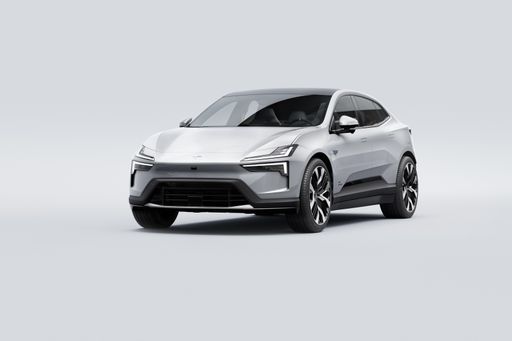
The Polestar 4 wears a coupe-like profile and a Scandinavian-minimal interior that feels premium and unexpectedly roomy, with composed handling that makes urban driving and country roads a pleasure. For buyers who want an electric car that turns heads without shouting, the Polestar 4 is a stylish, clever choice that balances practicality with personality.

details

Ford Mustang Mach-E

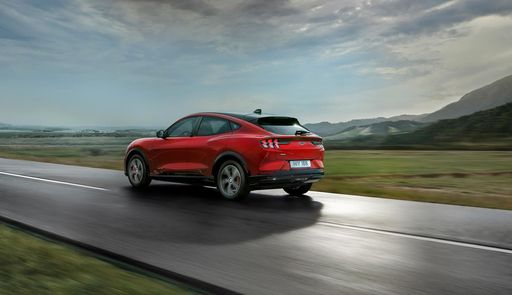
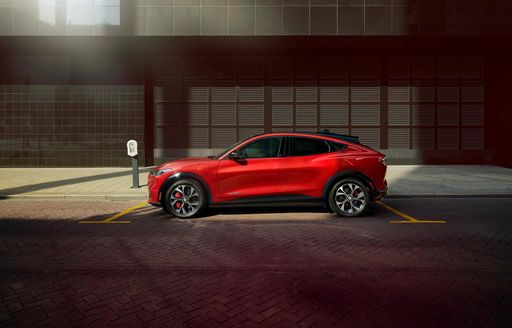
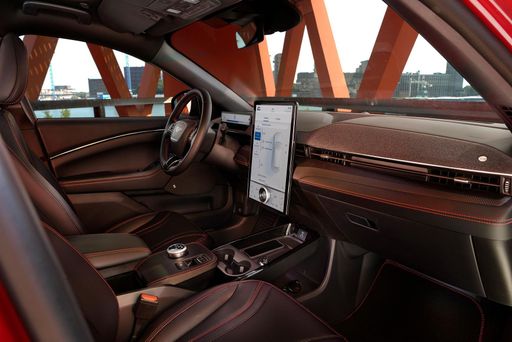
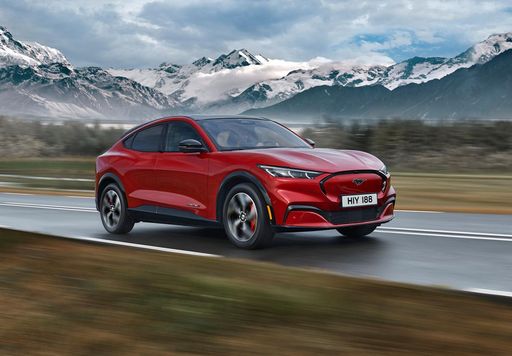
The Mustang Mach-E proves an electric SUV can be both playful and practical, with the Mustang name bringing muscle-car charisma to a family-friendly package. It delivers eager performance, a comfortable cabin, and a slick infotainment setup that keeps daily driving fun — and yes, you’ll still get admiring glances at the lights.

details
Polestar 4
Ford Mustang Mach-E

Costs and Consumption

Price
53,100 - 59,900 £
Price
48,400 - 66,900 £
Consumption L/100km
-
Consumption L/100km
-
Consumption kWh/100km
17.8 - 19 kWh/100km
Consumption kWh/100km
17.7 - 21 kWh/100km
Electric Range
590 - 620 km
Electric Range
470 - 600 km
Battery Capacity
-
Battery Capacity
-
co2
0 g/km
co2
0 g/km
Fuel tank capacity
-
Fuel tank capacity
-

Dimensions and Body

Body Type
SUV
Body Type
SUV
Seats
5
Seats
5
Doors
-
Doors
-
Curb weight
2,230 - 2,355 kg
Curb weight
2,161 - 2,351 kg
Trunk capacity
526 L
Trunk capacity
519 L
Length
-
Length
-
Width
2,008 mm
Width
1,881 mm
Height
-
Height
-
Max trunk capacity
-
Max trunk capacity
-
Payload
455 kg
Payload
368 - 450 kg

Engine and Performance

Engine Type
Electric
Engine Type
Electric
Transmission
Automatic
Transmission
Automatic
Transmission Detail
Reduction Gearbox
Transmission Detail
Reduction Gearbox
Drive Type
Rear-Wheel Drive, All-Wheel Drive
Drive Type
Rear-Wheel Drive, All-Wheel Drive
Power HP
272 - 544 HP
Power HP
268 - 487 HP
Acceleration 0-100km/h
3.8 - 7.1 s
Acceleration 0-100km/h
3.8 - 6.2 s
Max Speed
-
Max Speed
-
Torque
343 - 686 Nm
Torque
525 - 950 Nm
Number of Cylinders
-
Number of Cylinders
-
Power kW
200 - 400 kW
Power kW
197 - 358 kW
Engine capacity
-
Engine capacity
-

General

Model Year
2026
Model Year
2025
CO2 Efficiency Class
A
CO2 Efficiency Class
A
Brand
Polestar
Brand
Ford
DriveDuel uses data analysis and artificial intelligence to evaluate vehicle data and create content. Content is regularly reviewed and improved. The displayed prices are estimates based on German list prices, adjusted to the respective country’s VAT. Country-specific registration taxes are not included. This information is not legally binding.