VS

Renault Austral vs Hyundai Tucson comparison

Compare performance (200 HP vs 288 HP), boot space and price (29,900 £ vs 20,900 £ ) at a glance. Find out which car is the better choice for you – Renault Austral or Hyundai Tucson?

Renault Austral vs Hyundai Tucson: Key differences

Renault Austral

4.9 (4 Reviews)
rate

Hyundai Tucson

4.6 (4 Reviews)
rate
  • clearly cheaper
  • noticeably more power
  • clearly more efficient
  • a bit quicker 0–100 km/h
  • only slightly lighter
  • a bit more trunk space

All details on performance, efficiency, range and trunk space can be found in the technical comparison below – including user reviews for both models.

Austral

Street Charisma and First Glance

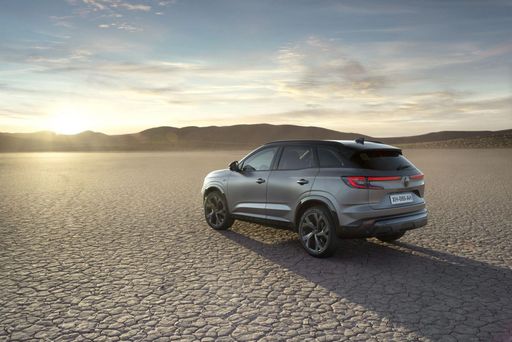
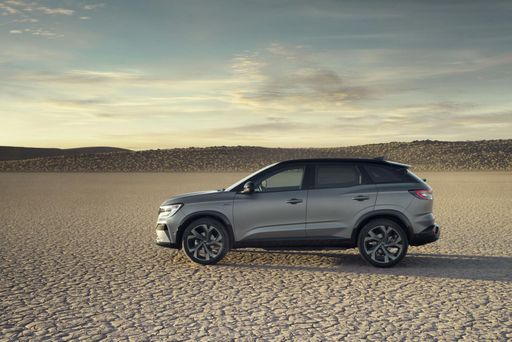
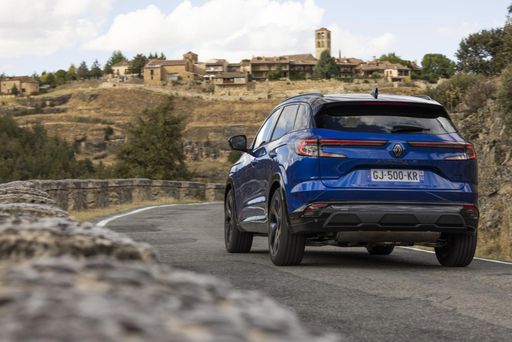
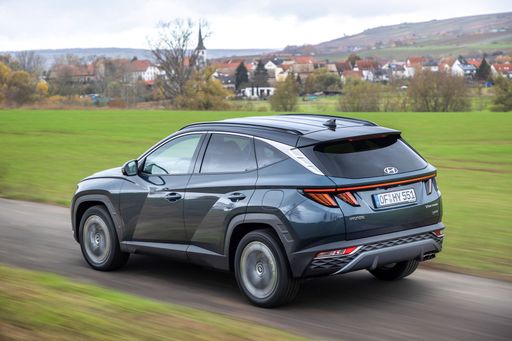
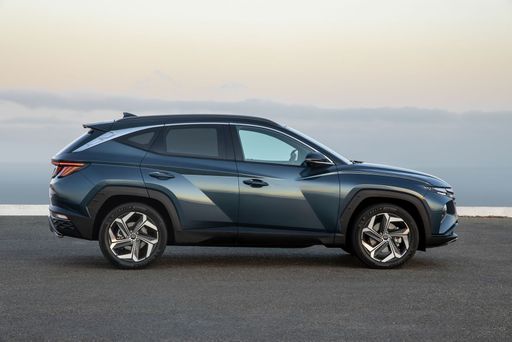
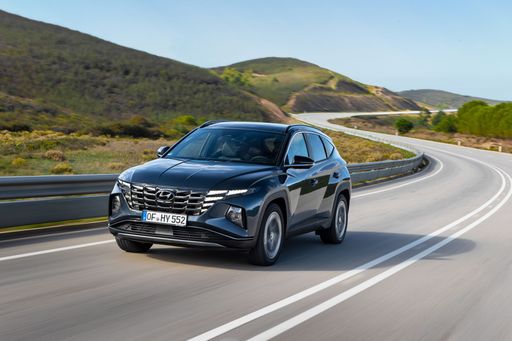
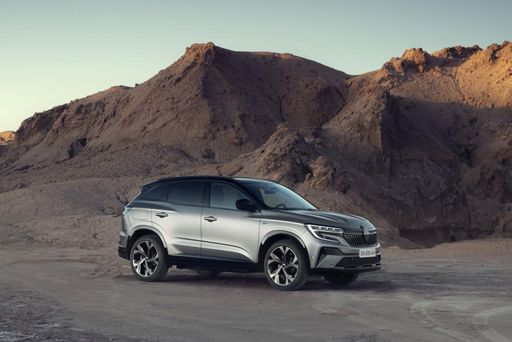
Stand them side by side and you get two different takes on modern SUV style: one leaning into muscular, almost rugged cues that promise capability, the other favouring a softer, more sculpted elegance that catches the eye in a quieter way. The first feels like it wants to be noticed on an outer-city roundabout, while the second dresses up nicely for the school run and the café curb. Both designs have presence, but they speak to subtly different shoppers — one extrovert, one quietly confident.
Tucson

Cabin Comfort: Day-to-Day Livability

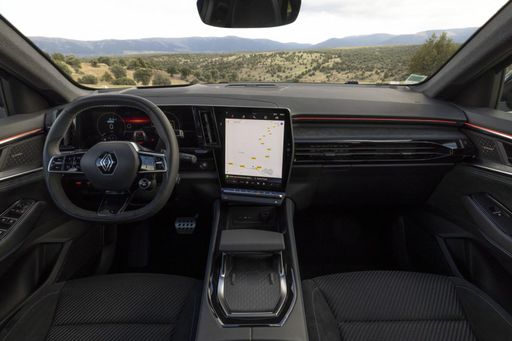
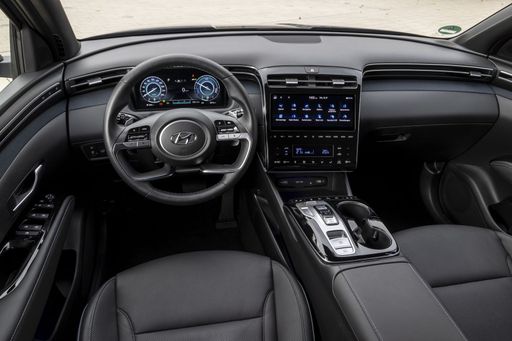
Step inside and the mood shifts: materials and seat comfort set the tone for how pleasant long journeys or daily commutes will be, and each car chooses its own path. One delivers a slightly more traditional, spacious feel with practical touches that prioritise family life, while the other leans into a more refined, contemporary ambience that rewards those who value polish and ergonomics. In short, one is tuned for functional comfort, the other for finished luxury in everyday use.

Austral

Behind the Wheel: Character on the Move

The driving personalities are distinct — one is eager and taut, rewarding brisk inputs with a composed, involving feel that keeps motorway miles interesting, while the other soaks up surface imperfections and prefers to drift along with serene composure. Cornering and direction are where those differences become obvious: choose sharper feedback if you enjoy a bit of engagement, or pick the cushier companion if you favour a relaxed, hushed cruise. Neither is wrong, they just cater to different attitudes toward driving: active versus tranquil.

Tucson

Practicalities That Matter Most

Everyday usability is where opinions often harden: how easy is it to load shopping, wrangle booster seats, or live with the car for a week of errands and weekend escapes? One of these SUVs tends to reward owners with slightly more flexible cargo and load options, making life a touch simpler when you need to shove in awkward items, whereas the other compensates with clever cubbies and a cabin layout that keeps essentials within reach. Both will live happily with a family, but your priorities — luggage capacity versus smarter packaging — will steer the choice.

Austral

Digital Life and Control Ergonomics

Infotainment and the way the cabin communicates with the driver shape everyday convenience far more than most buyers expect, and here the two take contrasting routes. One prioritises clear, straightforward menus and a user-friendly interface that avoids distraction, while the other spices things up with a sleeker display and a more high-tech presentation that feels modern and aspirational. The most important thing is how intuitive the controls are in daily use: personal preference will decide which approach feels less fiddly.

Tucson

Running the Numbers You Can’t See

Beyond showroom appeal, perceived ownership costs and how economical a car feels in daily life factor heavily into long-term satisfaction, and both cars project sensible credentials in different ways. One offers a reassuringly practical image that suggests modest ongoing bills and broad appeal, whereas the other aims to deliver a bit more refinement for the money spent, often appealing to buyers who weigh creature comforts against cost. Either way, both are pitched at drivers who expect reasonable value without unpleasant surprises.

Austral

Which Driver Gets Which Smile?

If you commute in mixed conditions, enjoy an occasionally spirited driving style and like a more planted, versatile companion, you’ll likely find one of these SUVs speaking your language; if you prioritise a tranquil cabin, an elegant daily experience and a bit more focus on modern interior styling, the other will be more compelling. Families who need straightforward practicality might favour the more utilitarian layout, while style-conscious buyers will appreciate the polished ambience of the rival. Keep reading — the DriveDuel Champion will be revealed afterwards.

Here’s where it gets real: The technical differences in detail

Austral

Costs and Efficiency:

Price and efficiency are key factors when choosing a car – and this is often where the real differences emerge.

Hyundai Tucson is clearly cheaper – starting at 20,900 £ , while the Renault Austral costs 29,900 £ . That’s a price difference of around 9,017 £.

Fuel consumption also shows a difference: the Hyundai Tucson uses 2.7 L/100km and is clearly more efficient than the Renault Austral with 4.8 L/100km. The difference is about 2.1 L/100km.

Tucson

Engine and Performance:

Power, torque and acceleration are the classic benchmarks for car enthusiasts – and here, some clear differences start to show.

When it comes to engine power, the Hyundai Tucson offers noticeably more power – delivering 288 HP compared to 200 HP. That’s roughly 88 HP more horsepower.

When accelerating from 0 to 100 km/h, the Hyundai Tucson is a bit quicker – completing the sprint in 7.5 s, while the Renault Austral takes 8.4 s. That’s about 0.9 s quicker.

Looking at top speed, the Hyundai Tucson is a bit faster – reaching 204 km/h, while the Renault Austral tops out at 180 km/h. The difference is around 24 km/h.

There’s also a difference in torque: the Hyundai Tucson delivers markedly more torque with 379 Nm compared to 270 Nm. That’s about 109 Nm more.

Austral

Space and Everyday Use:

Cabin size, boot volume and payload all play a role in everyday practicality. Here, comfort and flexibility make the difference.

Both vehicles offer seating for 5 people.

In terms of curb weight, Hyundai Tucson is only slightly lighter – 1,542 kg compared to 1,548 kg. The difference is around 6 kg.

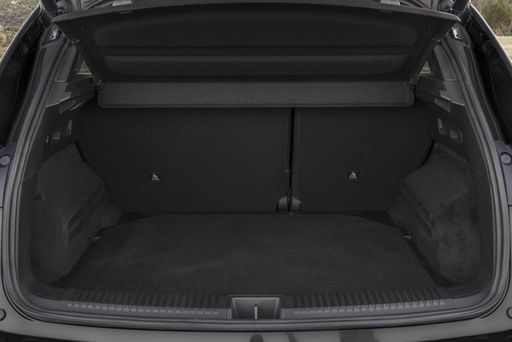
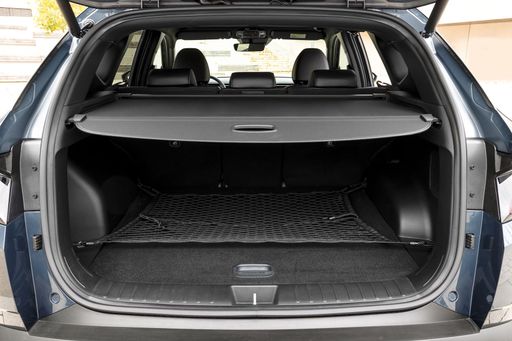
Looking at boot space, the Hyundai Tucson offers a bit more boot space – 620 L compared to 527 L. That’s a difference of about 93 L.

For maximum load capacity, the Hyundai Tucson offers marginally more capacity – up to 1,799 L, about 63 L more than the Renault Austral.

When it comes to payload, the Hyundai Tucson carries moderately more – 545 kg compared to 477 kg. That’s a difference of about 68 kg.

Who wins the race in the data check?

The Hyundai Tucson stands well ahead of its rival in the objective data comparison.
This result only shows which model scores more points on paper – not which of the two cars feels right for you.

from £20,900
Tucson

Hyundai Tucson

  • Engine Type : Petrol, Full Hybrid, Plugin Hybrid, Diesel MHEV
  • Transmission : Manuel, Automatic
  • Drive Type : Front-Wheel Drive, All-Wheel Drive
  • Power HP : 136 - 288 HP
  • Consumption L/100km : 2.7 - 7.6 L/100km
  • Electric Range : 63 - 70 km
Renault Austral
Hyundai Tucson

Costs and Consumption

View detailed analysis

Engine and Performance

View detailed analysis

Dimensions and Body

View detailed analysis

Renault Austral

The Renault Austral dresses the family SUV in elegant modern looks and a surprisingly grown-up cabin that feels thoughtful and livable. It balances comfort and clever technology with a relaxed road presence—an appealing choice for buyers who want style and everyday sense without fuss.

details

Hyundai Tucson

Hyundai Tucson marries bold, sculpted looks with a clever, roomy cabin that feels smarter than its price tag suggests. It's composed on the road, easy to live with day-to-day, and a sensible choice for buyers who want SUV style without the showroom theatrics.

details
Renault Austral
Hyundai Tucson

Costs and Consumption

Price
29,900 - 37,800 £
Price
20,900 - 47,900 £
Consumption L/100km
4.8 - 6.4 L/100km
Consumption L/100km
2.7 - 7.6 L/100km
Consumption kWh/100km
-
Consumption kWh/100km
-
Electric Range
-
Electric Range
63 - 70 km
Battery Capacity
-
Battery Capacity
-
co2
109 - 145 g/km
co2
62 - 172 g/km
Fuel tank capacity
55 L
Fuel tank capacity
52 - 54 L

Dimensions and Body

Body Type
SUV
Body Type
SUV
Seats
5
Seats
5
Doors
5
Doors
5
Curb weight
1,548 - 1,613 kg
Curb weight
1,542 - 1,893 kg
Trunk capacity
527 L
Trunk capacity
546 - 620 L
Length
4,533 mm
Length
4,525 - 4,535 mm
Width
1,825 mm
Width
1,865 mm
Height
1,645 mm
Height
1,650 mm
Max trunk capacity
1,736 L
Max trunk capacity
1,795 - 1,799 L
Payload
455 - 477 kg
Payload
518 - 545 kg

Engine and Performance

Engine Type
Full Hybrid, Petrol MHEV
Engine Type
Petrol, Full Hybrid, Plugin Hybrid, Diesel MHEV
Transmission
Automatic
Transmission
Manuel, Automatic
Transmission Detail
Automatic Gearbox, CVT
Transmission Detail
Manual Gearbox, Dual-Clutch Automatic, Automatic Gearbox
Drive Type
Front-Wheel Drive
Drive Type
Front-Wheel Drive, All-Wheel Drive
Power HP
148 - 200 HP
Power HP
136 - 288 HP
Acceleration 0-100km/h
8.4 - 9.9 s
Acceleration 0-100km/h
7.5 - 11.6 s
Max Speed
180 km/h
Max Speed
196 - 204 km/h
Torque
270 Nm
Torque
250 - 379 Nm
Number of Cylinders
3 - 4
Number of Cylinders
4
Power kW
109 - 147 kW
Power kW
100 - 212 kW
Engine capacity
1,199 - 1,332 cm3
Engine capacity
1,598 cm3

General

Model Year
2,025
Model Year
2,025
CO2 Efficiency Class
C, E
CO2 Efficiency Class
F, D, E, B
Brand
Renault
Brand
Hyundai
DriveDuel uses data analysis and artificial intelligence to evaluate vehicle data and create content. Content is regularly reviewed and improved. The displayed prices are estimates based on German list prices, adjusted to the respective country’s VAT. Country-specific registration taxes are not included. This information is not legally binding.