VS

Renault Captur vs Kia Stonic comparison

Compare performance (158 HP vs 115 HP), boot space and price (21,100 £ vs 20,100 £ ) at a glance. Find out which car is the better choice for you – Renault Captur or Kia Stonic?

Renault Captur vs Kia Stonic: Key differences

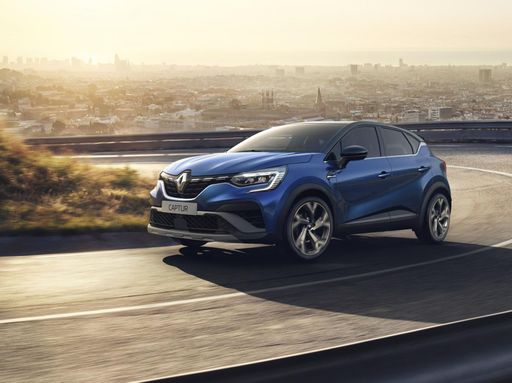
Renault Captur

4.8 (5 Reviews)
rate
  • noticeably more power
  • clearly more efficient
  • noticeably quicker 0–100 km/h
  • slightly more trunk space

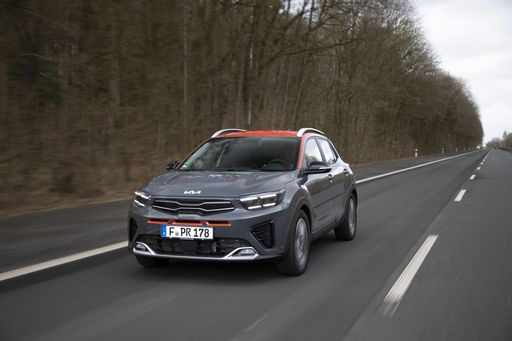
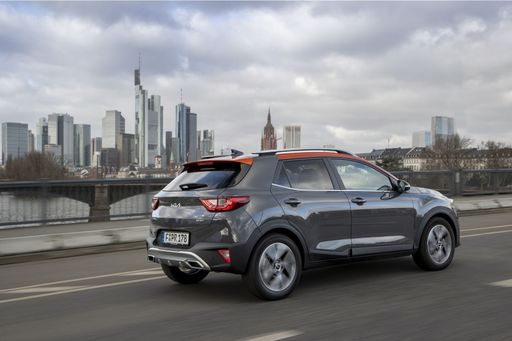
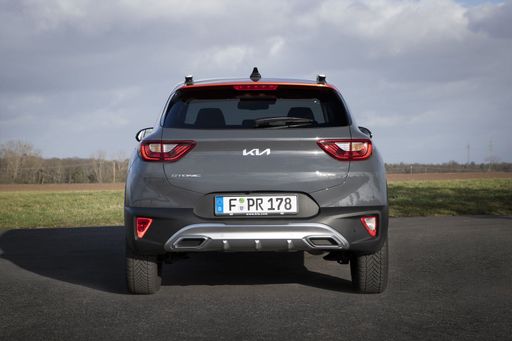
Kia Stonic

4.6 (2 Reviews)
rate
  • marginally cheaper
  • only slightly lighter

All details on performance, efficiency, range and trunk space can be found in the technical comparison below – including user reviews for both models.

Captur

The automotive world is brimming with compact SUVs designed to meet the evolving needs of drivers, and two models that stand out in this segment are the Kia Stonic and the Renault Captur. Both vehicles offer unique technical specifications and features aimed at enhancing the driving experience. In this article, we will delve into a comprehensive comparison of the two, examining their performance, innovations, and overall value.

Stonic

Engine Performance and Efficiency

The Kia Stonic boasts a range of engine options, including a 1.0-liter petrol engine available in both standard and mild hybrid variants. The petrol engines deliver between 79 to 100 HP, with torque ratings from 113 to 172 Nm. Acceleration from 0-100 km/h varies significantly, with the fastest option hitting 11.3 seconds. Fuel efficiency ranges from 5.5 to 5.8 L/100 km, making it a decent option for daily commutes.

On the other hand, the Renault Captur offers a broader array of engines, including full hybrid, petrol MHEV, and LPG options. The power outputs for these engines range from 91 HP in the smaller variants to an impressive 158 HP in higher trims. The Captur excels in acceleration with the quickest model achieving 0-100 km/h in just 8.5 seconds, reflecting its more performance-oriented tuning. Fuel consumption averages between 4.7 and 7.8 L/100 km, providing diverse choices for drivers prioritizing efficiency.

Captur

Dimensions and Comfort

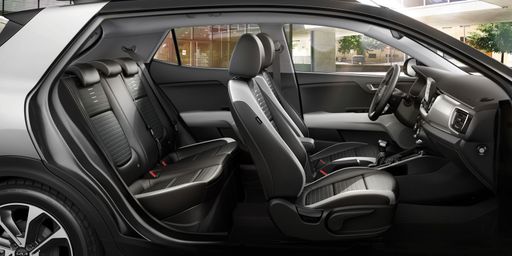
When it comes to dimensions, the Kia Stonic measures 4140 mm in length, 1760 mm in width, and stands 1505 mm tall. It offers a trunk capacity of 352 liters and can comfortably seat five passengers. The interior, while compact, has been designed to maximize space for both passengers and cargo.

The Renault Captur, however, is larger, stretching 4239 mm in length with a width of 1797 mm and a height of 1575 mm. The Captur also boasts a significantly larger trunk capacity of 422 liters, making it an attractive option for families or those needing extra storage space. Both vehicles comfortably accommodate five passengers but the Captur edges ahead in overall interior space.

Stonic

Technological Innovations

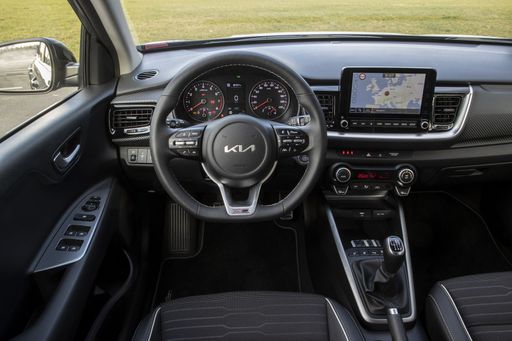
In terms of technology, both vehicles are equipped with modern infotainment systems. The Kia Stonic features an 8-inch touchscreen with smartphone integration capabilities, including Apple CarPlay and Android Auto. Higher trims may also offer additional features such as wireless charging and advanced safety technologies.

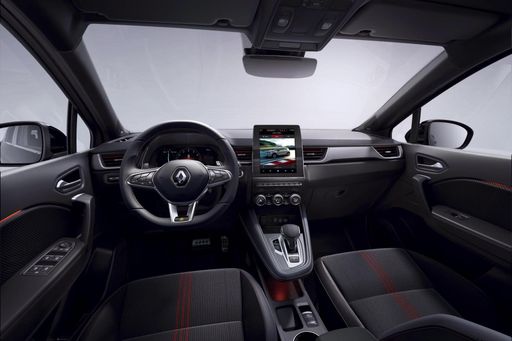
The Renault Captur, however, has positioned itself as a leader in in-car technology by offering a larger 9.3-inch infotainment system in higher trims. It includes similar smartphone integration features, alongside a host of advanced driving aids like lane departure warning, adaptive cruise control, and blind-spot monitoring. The hybrid models also include a battery management system displaying real-time energy usage and regeneration data.

Captur

Driving Experience and Comfort

The driving dynamics of both vehicles present distinct characteristics. The Kia Stonic is designed for a sporty feel with its responsive handling and firm ride quality. Its compact nature translates into nimble maneuverability, making it ideal for urban environments.

Contrarily, the Renault Captur prioritizes a plush ride experience. With a focus on comfort, the Captur absorbs road imperfections more effectively, providing a smooth driving experience. Drivers looking for a more relaxed ride will find the Captur's setup preferable, especially on longer journeys.

Stonic

Conclusion: Which One Should You Choose?

Ultimately, the choice between the Kia Stonic and the Renault Captur boils down to personal preferences and specific needs. If you're after a sportier, agile compact SUV with decent efficiency and modern tech, the Stonic is a formidable option. However, if you prioritize space, comfort, and cutting-edge technology, especially in hybrid variants, the Captur may be the better fit. Both vehicles embody the spirit of modern compact SUVs, each with its own set of advantages to cater to today's dynamic driving landscape.

Here’s where it gets real: The technical differences in detail

Captur

Costs and Efficiency:

When it comes to price and running costs, the biggest differences usually appear. This is often where you see which car fits your budget better in the long run.

Kia Stonic is marginally cheaper – starting at 20,100 £ , while the Renault Captur costs 21,100 £ . That’s a price difference of around 994 £.

Fuel consumption also shows a difference: the Renault Captur uses 4.4 L/100km and is clearly more efficient than the Kia Stonic with 5.6 L/100km. The difference is about 1.2 L/100km.

Stonic

Engine and Performance:

Power, torque and acceleration are the classic benchmarks for car enthusiasts – and here, some clear differences start to show.

When it comes to engine power, the Renault Captur offers noticeably more power – delivering 158 HP compared to 115 HP. That’s roughly 43 HP more horsepower.

When accelerating from 0 to 100 km/h, the Renault Captur is noticeably quicker – completing the sprint in 8.9 s, while the Kia Stonic takes 10.7 s. That’s about 1.8 s quicker.

Looking at top speed, the Kia Stonic is very slightly faster – reaching 182 km/h, while the Renault Captur tops out at 180 km/h. The difference is around 2 km/h.

There’s also a difference in torque: the Renault Captur delivers clearly more torque with 265 Nm compared to 200 Nm. That’s about 65 Nm more.

Captur

Space and Everyday Use:

Whether family car or daily driver – which one offers more room, flexibility and comfort?

Both vehicles offer seating for 5 people.

In terms of curb weight, Kia Stonic is only slightly lighter – 1,205 kg compared to 1,323 kg. The difference is around 118 kg.

Looking at boot space, the Renault Captur offers slightly more boot space – 422 L compared to 352 L. That’s a difference of about 70 L.

For maximum load capacity, the Renault Captur offers slightly more capacity – up to 1,363 L, about 208 L more than the Kia Stonic.

When it comes to payload, the Renault Captur carries marginally more – 453 kg compared to 445 kg. That’s a difference of about 8 kg.

Who wins the race in the data check?

The Renault Captur is far ahead overall in the objective data comparison.
This result only shows which model scores more points on paper – not which of the two cars feels right for you.

from £21,100
Captur

Renault Captur

  • Engine Type : Full Hybrid, Petrol, Petrol MHEV
  • Transmission : Automatic, Manuel
  • Drive Type : Front-Wheel Drive
  • Power HP : 115 - 158 HP
  • Consumption L/100km : 4.4 - 6 L/100km
Renault Captur
Kia Stonic

Costs and Consumption

View detailed analysis

Engine and Performance

View detailed analysis

Dimensions and Body

View detailed analysis

Renault Captur

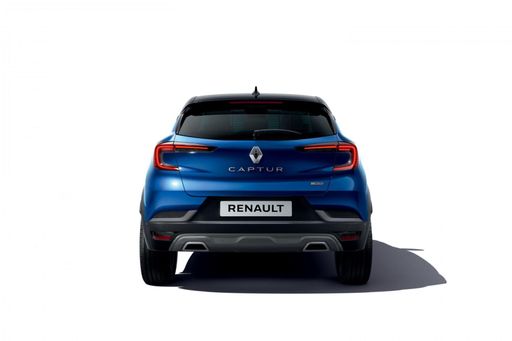
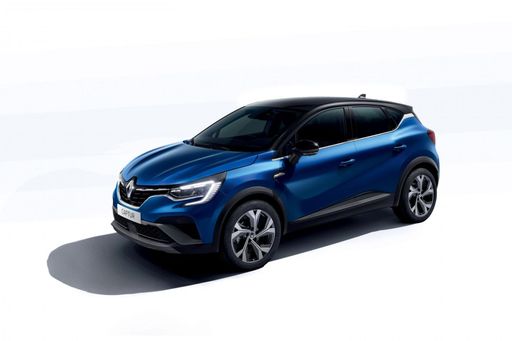
The Renault Captur is a cheeky little crossover that pairs city-friendly agility with a roomy, well-thought-out cabin and enough style to turn heads at the lights. It’s a sensible choice for buyers who want practical versatility and a dash of personality on their daily drives, without taking itself too seriously.

details

Kia Stonic

The Kia Stonic is a sprightly compact crossover that mixes city-friendly agility with a cheeky, modern design — perfect for buyers who want style without sacrificing sense. Inside it serves up clever practicality and a bright, well-equipped cabin, making everyday driving feel a bit more fun than it has any right to be.

details
Renault Captur
Kia Stonic

Costs and Consumption

Price
21,100 - 28,400 £
Price
20,100 - 26,600 £
Consumption L/100km
4.4 - 6 L/100km
Consumption L/100km
5.6 - 5.9 L/100km
Consumption kWh/100km
-
Consumption kWh/100km
-
Electric Range
-
Electric Range
-
Battery Capacity
-
Battery Capacity
-
co2
100 - 137 g/km
co2
127 - 133 g/km
Fuel tank capacity
48 L
Fuel tank capacity
45 L

Dimensions and Body

Body Type
SUV
Body Type
SUV
Seats
5
Seats
5
Doors
5
Doors
5
Curb weight
1,323 - 1,441 kg
Curb weight
1,205 - 1,270 kg
Trunk capacity
326 - 422 L
Trunk capacity
352 L
Length
4,239 mm
Length
4,165 mm
Width
1,797 mm
Width
1,760 mm
Height
1,575 mm
Height
1,520 mm
Max trunk capacity
1,363 L
Max trunk capacity
1,155 L
Payload
447 - 453 kg
Payload
440 - 445 kg

Engine and Performance

Engine Type
Full Hybrid, Petrol, Petrol MHEV
Engine Type
Petrol, Petrol MHEV
Transmission
Automatic, Manuel
Transmission
Manuel, Automatic
Transmission Detail
Automatic Gearbox, Manual Gearbox, Dual-Clutch Automatic
Transmission Detail
Manual Gearbox, Dual-Clutch Automatic
Drive Type
Front-Wheel Drive
Drive Type
Front-Wheel Drive
Power HP
115 - 158 HP
Power HP
100 - 115 HP
Acceleration 0-100km/h
8.9 - 12.3 s
Acceleration 0-100km/h
10.7 - 12.1 s
Max Speed
180 km/h
Max Speed
179 - 182 km/h
Torque
160 - 265 Nm
Torque
172 - 200 Nm
Number of Cylinders
3 - 4
Number of Cylinders
3
Power kW
84 - 116 kW
Power kW
74 - 85 kW
Engine capacity
1,199 - 1,789 cm3
Engine capacity
998 cm3

General

Model Year
2,025
Model Year
2,025
CO2 Efficiency Class
C, D, E
CO2 Efficiency Class
D
Brand
Renault
Brand
Kia
DriveDuel uses data analysis and artificial intelligence to evaluate vehicle data and create content. Content is regularly reviewed and improved. The displayed prices are estimates based on German list prices, adjusted to the respective country’s VAT. Country-specific registration taxes are not included. This information is not legally binding.