
 Deutschland
 France
 Nederland
 Great Britain
 Sverige
 Danmark
 Suomi
Suomi Italia
 Polska
 Česko
Česko España
VS
Renault Kangoo vs Mitsubishi Grandis comparison
Compare performance (130 HP vs 158 HP), boot space and price (25,700 £ vs 25,200 £ ) at a glance. Find out which car is the better choice for you – Renault Kangoo or Mitsubishi Grandis?
Kangoo
Costs and Efficiency:
Price and efficiency are key factors when choosing a car – and this is often where the real differences emerge.
Mitsubishi Grandis is marginally cheaper – starting at 25,200 £ , while the Renault Kangoo costs 25,700 £ . That’s a price difference of around 523 £.
Fuel consumption also shows a difference: the Mitsubishi Grandis uses 4.3 L/100km and is markedly more efficient than the Renault Kangoo with 5.2 L/100km. The difference is about 0.9 L/100km.
Grandis
Engine and Performance:
Power, torque and acceleration say a lot about how a car feels on the road. This is where you see which model delivers more driving dynamics.
When it comes to engine power, the Mitsubishi Grandis offers a bit more power – delivering 158 HP compared to 130 HP. That’s roughly 28 HP more horsepower.
When accelerating from 0 to 100 km/h, the Mitsubishi Grandis is noticeably quicker – completing the sprint in 9.1 s, while the Renault Kangoo takes 11.6 s. That’s about 2.5 s quicker.
There’s also a difference in torque: the Renault Kangoo delivers only slightly more torque with 270 Nm compared to 265 Nm. That’s about 5 Nm more.
Kangoo
Space and Everyday Use:
Cabin size, boot volume and payload all play a role in everyday practicality. Here, comfort and flexibility make the difference.
Seats: Renault Kangoo offers more seats – 7 vs 5.
In terms of curb weight, Mitsubishi Grandis is very slightly lighter – 1,359 kg compared to 1,489 kg. The difference is around 130 kg.
Looking at boot space, the Renault Kangoo offers markedly more boot space – 775 L compared to 576 L. That’s a difference of about 199 L.
When it comes to payload, the Renault Kangoo carries markedly more – 610 kg compared to 459 kg. That’s a difference of about 151 kg.
Who wins the race in the data check?
The Mitsubishi Grandis stands well ahead of its rival in the objective data comparison.
This result only shows which model scores more points on paper – not which of the two cars feels right for you.
from £25,200
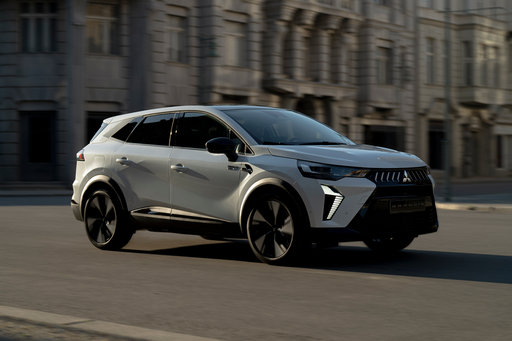
Mitsubishi Grandis
Renault Kangoo
Mitsubishi Grandis
Costs and Consumption
View detailed analysis
View detailed analysis
Engine and Performance
View detailed analysis
View detailed analysis
Dimensions and Body
View detailed analysis
View detailed analysis
Renault Kangoo
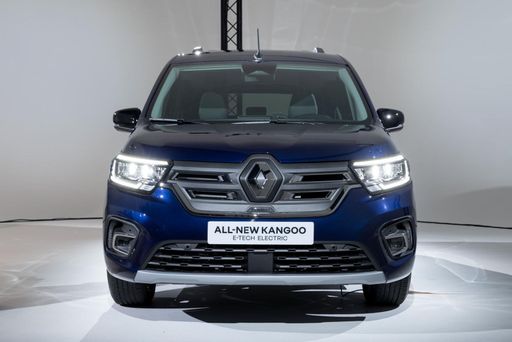
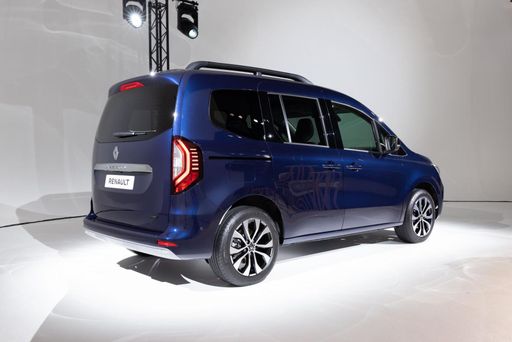
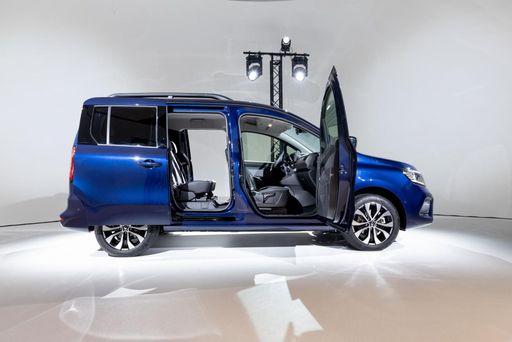
The Renault Kangoo is the pragmatic chameleon of small vans, marrying van-like practicality with carlike comfort and a cheerful, friendly face that suits both family runs and workday hauls. It's sensible, versatile and annoyingly useful — easy to live with, cheap to run and clever where it counts, so you get more space and fewer compromises than the price suggests.
details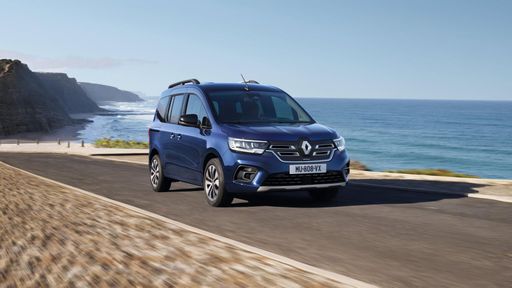


Mitsubishi Grandis
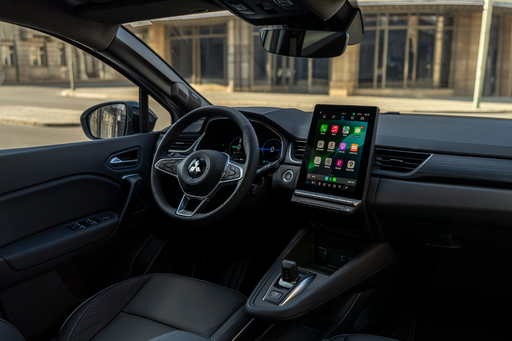
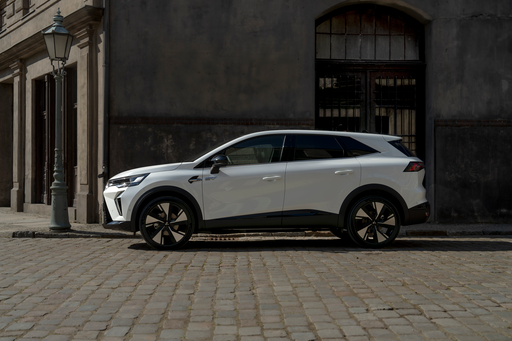
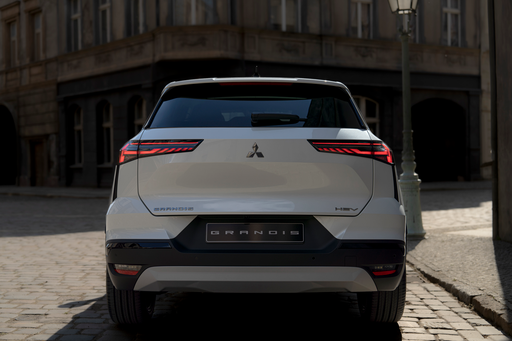
The Mitsubishi Grandis is a no-nonsense MPV that hides a surprisingly sleek profile, making family duty look almost stylish. It’s spacious, easy to drive, and built to shrug off daily chaos, though the cabin feels dated and it prefers a relaxed cruise to any hot-hatch antics.
details
Renault Kangoo
Mitsubishi Grandis
Costs and Consumption |
|
|---|---|
|
Price
25,700 - 32,100 £
|
Price
25,200 - 35,300 £
|
|
Consumption L/100km
5.2 - 7.4 L/100km
|
Consumption L/100km
4.3 - 6.1 L/100km
|
|
Consumption kWh/100km
-
|
Consumption kWh/100km
-
|
|
Electric Range
-
|
Electric Range
-
|
|
Battery Capacity
-
|
Battery Capacity
-
|
|
co2
136 - 168 g/km
|
co2
98 - 138 g/km
|
|
Fuel tank capacity
-
|
Fuel tank capacity
-
|
Dimensions and Body |
|
|---|---|
|
Body Type
High Roof Estate
|
Body Type
SUV
|
|
Seats
5 - 7
|
Seats
5
|
|
Doors
-
|
Doors
-
|
|
Curb weight
1,489 - 1,830 kg
|
Curb weight
1,359 - 1,525 kg
|
|
Trunk capacity
500 - 775 L
|
Trunk capacity
492 - 576 L
|
|
Length
-
|
Length
-
|
|
Width
1,860 mm
|
Width
1,797 mm
|
|
Height
-
|
Height
-
|
|
Max trunk capacity
-
|
Max trunk capacity
-
|
|
Payload
459 - 610 kg
|
Payload
395 - 459 kg
|
Engine and Performance |
|
|---|---|
|
Engine Type
Petrol, Diesel
|
Engine Type
Petrol MHEV, Full Hybrid
|
|
Transmission
Manual, Automatic
|
Transmission
Manual, Automatic
|
|
Transmission Detail
Manual Gearbox, Dual-Clutch Automatic
|
Transmission Detail
Manual Gearbox, Dual-Clutch Automatic, Automatic Gearbox
|
|
Drive Type
Front-Wheel Drive
|
Drive Type
Front-Wheel Drive
|
|
Power HP
95 - 130 HP
|
Power HP
140 - 158 HP
|
|
Acceleration 0-100km/h
11.6 - 16.7 s
|
Acceleration 0-100km/h
9.1 - 10.6 s
|
|
Max Speed
-
|
Max Speed
-
|
|
Torque
240 - 270 Nm
|
Torque
245 - 265 Nm
|
|
Number of Cylinders
4
|
Number of Cylinders
4
|
|
Power kW
70 - 96 kW
|
Power kW
104 - 116 kW
|
|
Engine capacity
1,332 - 1,461 cm3
|
Engine capacity
1,333 - 1,789 cm3
|
General |
|
|---|---|
|
Model Year
2025
|
Model Year
2025
|
|
CO2 Efficiency Class
F, E
|
CO2 Efficiency Class
D, E, C
|
|
Brand
Renault
|
Brand
Mitsubishi
|
DriveDuel uses data analysis and artificial intelligence to evaluate vehicle data and create content. Content is regularly reviewed and improved.
The displayed prices are estimates based on German list prices, adjusted to the respective country’s VAT. Country-specific registration taxes are not included. This information is not legally binding.