VS

Renault Scénic vs Peugeot 2008 comparison

Compare performance (218 HP vs 156 HP), boot space and price (34,600 £ vs 24,800 £ ) at a glance. Find out which car is the better choice for you – Renault Scénic or Peugeot 2008?

Renault Scénic vs Peugeot 2008: Key differences

Renault Scénic

5 (1 Reviews)
rate
  • markedly more power
  • noticeably more electric range
  • barely quicker 0–100 km/h
  • markedly more trunk space

Peugeot 2008

5 (1 Reviews)
rate
  • clearly cheaper
  • marginally more efficient
  • significantly lighter
Scénic

Peugeot 2008 vs Renault Scénic: A Comprehensive Comparison

In the ever-evolving world of SUVs, the Peugeot 2008 and Renault Scénic stand out as two compelling choices for drivers seeking style, performance, and practicality. Each model brings its unique set of features to the table, catering to various customer preferences. In this article, we’ll delve into the technical specifications, innovative technologies, and overall appeal of both vehicles.
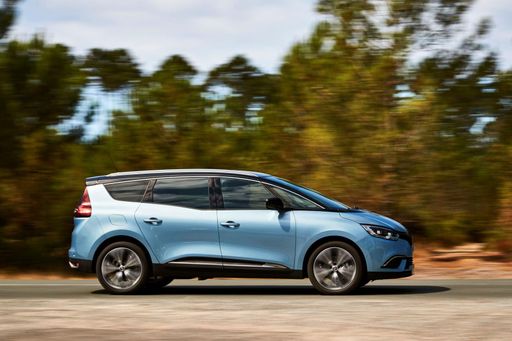
2008

Design and Dimensions

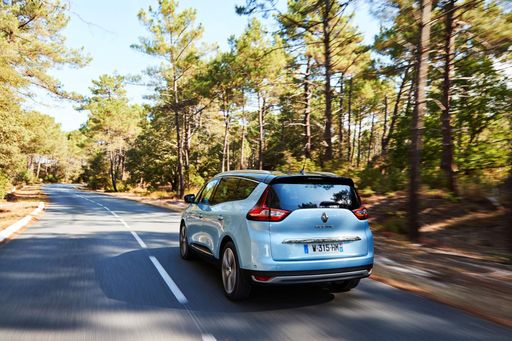
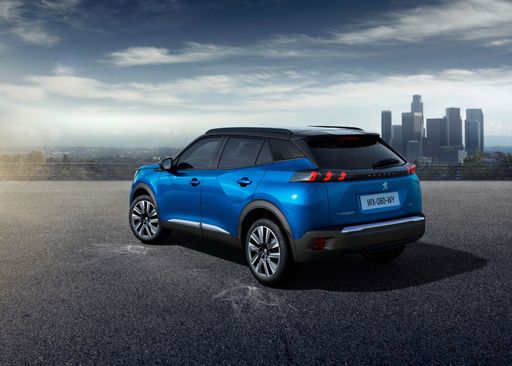
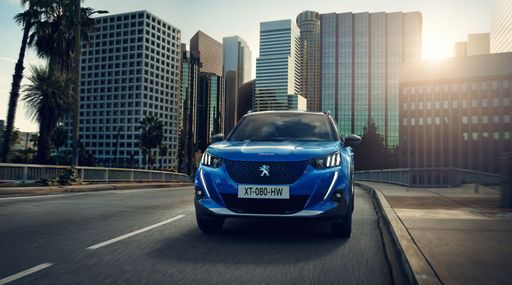
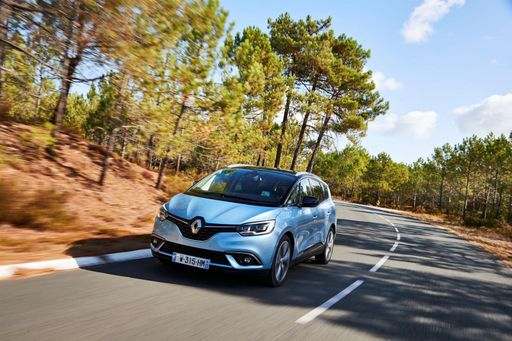
Starting with their exterior dimensions, the Peugeot 2008 measures 4304 mm in length, 1770 mm in width, and 1523 mm in height, while the Renault Scénic is slightly larger, with dimensions of 4470 mm in length, 1864 mm in width, and 1571 mm in height. This difference gives the Scénic a more robust presence on the road.

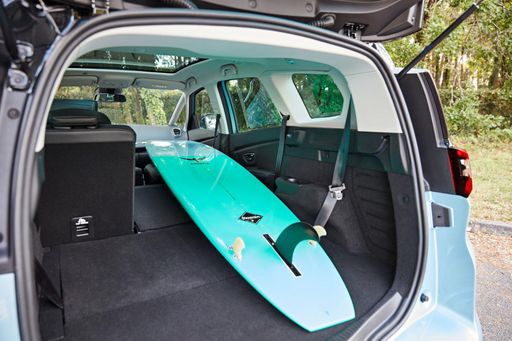
Both vehicles feature a distinctive SUV body type, appealing to urban and adventurous drivers alike. The Scénic not only looks spacious but also offers more generous trunk capacity at 545 liters compared to the 2008's 434 liters, making it an excellent choice for families or those needing extra storage.

Scénic

Powertrains and Performance

The Peugeot 2008 offers a versatile range of engine options, including petrol, petrol MHEV (Mild Hybrid Electric Vehicle), and electric, with power outputs ranging from 101 to 156 HP. The performance is impressive with a 0-100 km/h acceleration time as quick as 8.3 seconds, depending on the engine choice. Its electric range also impresses, with options reaching up to 406 km.

In contrast, the Renault Scénic focuses exclusively on electric powertrains, offering up to 220 HP. It achieves 0-100 km/h in a swift 7.9 seconds, showcasing its performance pedigree. Additionally, the Scénic boasts an electric range of up to 598 km, making it suitable for longer journeys without the need for frequent recharging.

2008

Efficiency and Fuel Consumption

The Peugeot 2008 shines in terms of fuel efficiency, with fuel consumption as low as 5 L/100 km for its petrol variants. The electric models are also efficient, consuming around 15.5 kWh/100 km. In terms of CO2 emissions, the 2008 ranges from 0 g/km for electric variants to 129 g/km for its petrol engines, earning it a CO2 efficiency class of C to A.

The Renault Scénic, being fully electric, registers a commendable 0 g/km of CO2 emissions, showcasing its commitment to sustainability. However, its energy consumption rates from 16.7 to 17.6 kWh/100 km, are slightly higher than the Peugeot's electric offerings.

Scénic

Interior Comfort and Technology

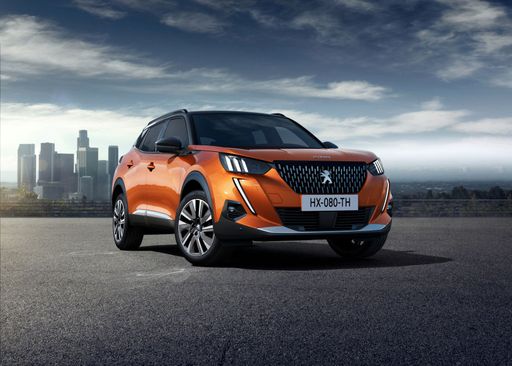
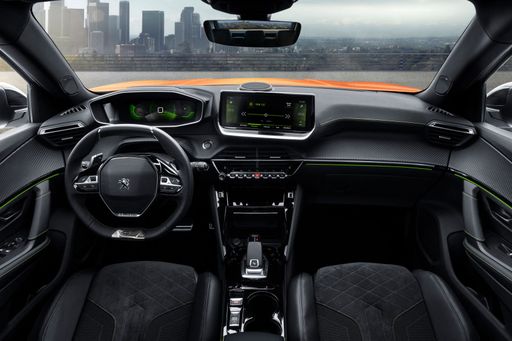
Inside the Peugeot 2008, the cabin exudes a modern atmosphere with high-quality materials and a user-friendly infotainment system. It comfortably seats five and is equipped with the latest technology, including a digital cockpit that enhances the driving experience.

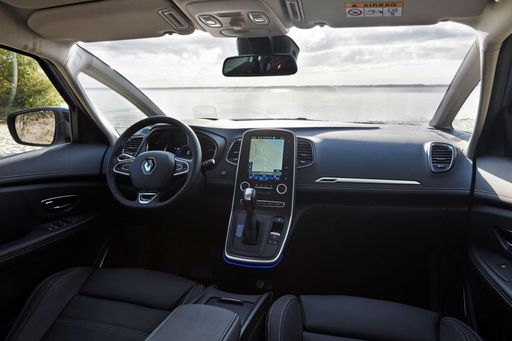
The Renault Scénic also prioritizes comfort, featuring spacious seating and an ergonomic layout. With its expansive trunk and passenger space, it is designed for family outings. The advanced infotainment system supports a seamless connection for smartphones, ensuring that drivers stay connected no matter where the journey leads.

2008

Conclusion: Which SUV Reigns Supreme?

When comparing the Peugeot 2008 and Renault Scénic, it becomes clear that both vehicles have their strengths. The 2008 offers flexibility with a variety of powertrains and impressive fuel efficiency, while the Scénic excels in electric range and spaciousness.

Ultimately, the choice may boil down to whether you prefer the convenience of multiple engine options or the sustainability and range of a dedicated electric vehicle. Each SUV represents a unique take on modern automotive engineering, catering to the varying needs of today's drivers.

Here’s where it gets real: The technical differences in detail

Scénic

Costs and Efficiency:

Price and efficiency are key factors when choosing a car – and this is often where the real differences emerge.

Peugeot 2008 is clearly cheaper – starting at 24,800 £ , while the Renault Scénic costs 34,600 £ . That’s a price difference of around 9,866 £.

In terms of energy consumption, the Peugeot 2008 is marginally more efficient: consuming 15.3 kWh/100km compared to 16.6 kWh/100km for the Renault Scénic. That’s a difference of about 1.3 kWh/100km.

As for electric range, the Renault Scénic offers noticeably more range – reaching up to 598 km, about 192 km more than the Peugeot 2008.

2008

Engine and Performance:

Under the bonnet, it becomes clear which model is tuned for sportiness and which one takes the lead when you hit the accelerator.

When it comes to engine power, the Renault Scénic offers markedly more power – delivering 218 HP compared to 156 HP. That’s roughly 62 HP more horsepower.

When accelerating from 0 to 100 km/h, the Renault Scénic is barely quicker – completing the sprint in 7.9 s, while the Peugeot 2008 takes 8.3 s. That’s about 0.4 s quicker.

Looking at top speed, the Peugeot 2008 is somewhat faster – reaching 206 km/h, while the Renault Scénic tops out at 170 km/h. The difference is around 36 km/h.

There’s also a difference in torque: the Renault Scénic delivers marginally more torque with 300 Nm compared to 270 Nm. That’s about 30 Nm more.

Scénic

Space and Everyday Use:

Whether family car or daily driver – which one offers more room, flexibility and comfort?

Both vehicles offer seating for 5 people.

In terms of curb weight, Peugeot 2008 is significantly lighter – 1,263 kg compared to 1,822 kg. The difference is around 559 kg.

Looking at boot space, the Renault Scénic offers markedly more boot space – 545 L compared to 434 L. That’s a difference of about 111 L.

For maximum load capacity, the Renault Scénic offers moderately more capacity – up to 1,670 L, about 203 L more than the Peugeot 2008.

When it comes to payload, the Renault Scénic carries slightly more – 518 kg compared to 447 kg. That’s a difference of about 71 kg.

Who wins the race in the data check?

The Renault Scénic has the upper hand in the objective data comparison.
This result only shows which model scores more points on paper – not which of the two cars feels right for you.

from £34,600
Scénic

Renault Scénic

  • Engine Type : Electric
  • Transmission : Automatic
  • Drive Type : Front-Wheel Drive
  • Power HP : 170 - 218 HP
  • Consumption kWh/100km : 16.6 - 17.5 kWh/100km
  • Electric Range : 420 - 598 km
Renault Scénic
Peugeot 2008

Costs and Consumption

View detailed analysis

Engine and Performance

View detailed analysis

Dimensions and Body

View detailed analysis

Renault Scénic

The Renault Scénic is a quietly clever family MPV that balances everyday practicality with unexpected flair, offering a roomy, flexible cabin that makes school runs and weekend escapes less of a chore. It won't dazzle like a sports car, but its composed ride, sensible tech and thoughtful storage solutions make it a superbly pragmatic choice for buyers who prefer substance with a wink.

details

Peugeot 2008

The Peugeot 2008 is a stylish, city-friendly crossover that packs big character into a compact package, turning mundane errands into a mildly entertaining drive. Its clever interior layout, polished looks and confident ride make it a smart choice for buyers who want practical daily sense with a touch of flair.

details
Renault Scénic
Peugeot 2008

Costs and Consumption

Price
34,600 - 44,000 £
Price
24,800 - 40,400 £
Consumption L/100km
-
Consumption L/100km
4.9 - 5.7 L/100km
Consumption kWh/100km
16.6 - 17.5 kWh/100km
Consumption kWh/100km
15.3 - 15.5 kWh/100km
Electric Range
420 - 598 km
Electric Range
405 - 406 km
Battery Capacity
-
Battery Capacity
51 kWh
co2
0 g/km
co2
0 - 129 g/km
Fuel tank capacity
-
Fuel tank capacity
44 L

Dimensions and Body

Body Type
SUV
Body Type
SUV
Seats
5
Seats
5
Doors
5
Doors
5
Curb weight
1,822 - 1,927 kg
Curb weight
1,263 - 1,623 kg
Trunk capacity
545 L
Trunk capacity
434 L
Length
4,470 mm
Length
4,304 mm
Width
1,864 mm
Width
1,770 mm
Height
1,571 mm
Height
1,523 mm
Max trunk capacity
1,670 L
Max trunk capacity
1,467 L
Payload
514 - 518 kg
Payload
407 - 447 kg

Engine and Performance

Engine Type
Electric
Engine Type
Electric, Petrol MHEV, Petrol
Transmission
Automatic
Transmission
Automatic, Manuel
Transmission Detail
Reduction Gearbox
Transmission Detail
Reduction Gearbox, Dual-Clutch Automatic, Manual Gearbox
Drive Type
Front-Wheel Drive
Drive Type
Front-Wheel Drive
Power HP
170 - 218 HP
Power HP
101 - 156 HP
Acceleration 0-100km/h
7.9 - 8.6 s
Acceleration 0-100km/h
8.3 - 10.9 s
Max Speed
150 - 170 km/h
Max Speed
150 - 206 km/h
Torque
280 - 300 Nm
Torque
205 - 270 Nm
Number of Cylinders
-
Number of Cylinders
3
Power kW
125 - 160 kW
Power kW
74 - 115 kW
Engine capacity
-
Engine capacity
1,199 cm3

General

Model Year
2,025
Model Year
2,023 - 2,026
CO2 Efficiency Class
A
CO2 Efficiency Class
A, C, D
Brand
Renault
Brand
Peugeot
DriveDuel uses data analysis and artificial intelligence to evaluate vehicle data and create content. Content is regularly reviewed and improved. The displayed prices are estimates based on German list prices, adjusted to the respective country’s VAT. Country-specific registration taxes are not included. This information is not legally binding.