VS

Skoda Fabia vs Kia Stonic comparison

Compare performance (177 HP vs 115 HP), boot space and price (17,300 £ vs 20,400 £ ) at a glance. Find out which car is the better choice for you – Skoda Fabia or Kia Stonic?

Skoda Fabia vs Kia Stonic: Key differences

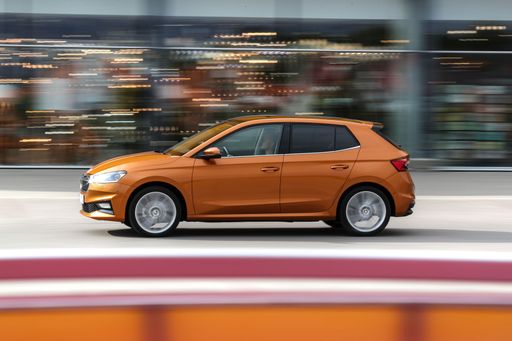
Skoda Fabia

4.9 (2 Reviews)
rate
  • somewhat cheaper
  • noticeably more power
  • slightly more efficient
  • considerably quicker 0–100 km/h
  • very slightly lighter
  • barely more trunk space
details

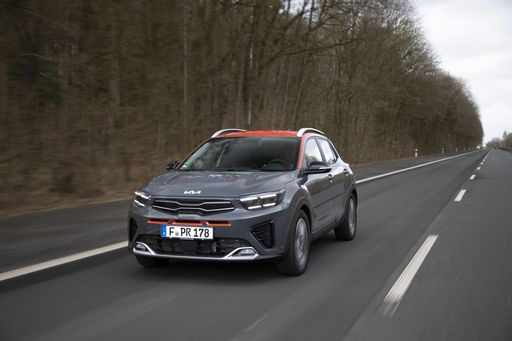
Kia Stonic

4.6 (2 Reviews)
rate
details

All details on performance, efficiency, range and trunk space can be found in the technical comparison below – including user reviews for both models.

By Achim Sedelmaier

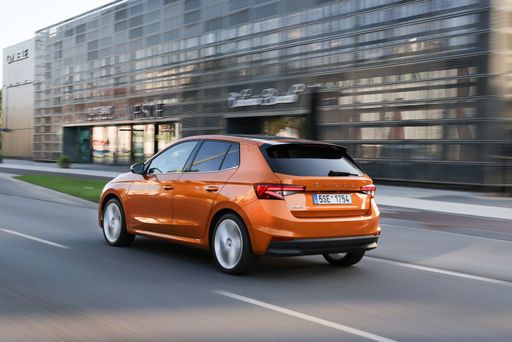
Fabia

Head-to-head: Kia Stonic VS Skoda Fabia — quick take

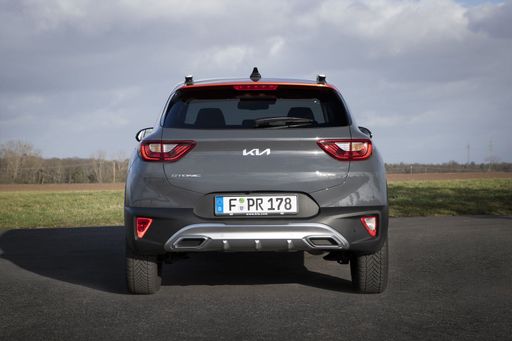
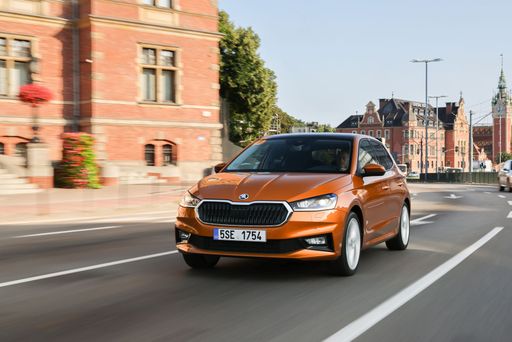
The Kia Stonic and the Skoda Fabia present two distinct answers to the small-car question, and this comparison lays out how their personalities translate to everyday life. The Kia Stonic VS Skoda Fabia matchup pits a compact, SUV-styled city mover against a roomy, comfort-focused hatchback. The Stonic sells on city agility, a fresh cockpit and a long manufacturer warranty that lowers ownership worry, while the Fabia trades a bit of urban sportiness for superior space, quieter cruising and lower running cost. Choosing between them is about whether you prioritise maneuverability and purchase peace-of-mind or interior usability and long-distance calm. Below we unpack how those differences feel behind the wheel and in daily routines.
Stonic

Character and driving feel

The Kia Stonic feels light on its feet: steering is direct, inputs are immediate and it rewards brisk manoeuvres around town, whereas the Skoda Fabia leans toward a composed, confidence-giving demeanor. The Fabia’s engine and driveability make overtaking and motorway work less of an effort, so it feels more relaxed on longer runs while the Stonic demands a bit more work to maintain pace. Conversely, the Stonic’s chassis communicates more and makes parking, roundabouts and city lane changes feel effortless compared with the Fabia’s more reserved steering. If you want playful, responsive city manners pick the Stonic; if you prefer steady, predictable progress and a calmer overall demeanour, the Fabia is the natural choice.

Fabia

Comfort and long-distance behavior

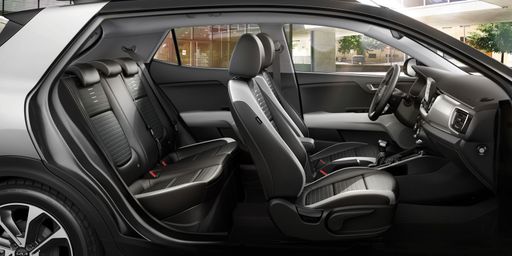
On short hops both cars are pleasant, but differences become obvious on longer drives: the Fabia soaks up motorway miles with a softer ride and less driver fatigue, while the Stonic’s firmer suspension and higher perceived road and wind noise make long-distance cruising less serene. Rear-seat passengers will feel the gap too — the Fabia provides noticeably more legroom and a roomier rear seat, which matters on school runs or weekend trips. The Stonic’s seats are supportive and the cabin is modern, but its overall refinement at speed is a step behind the Fabia. If your commute or holiday miles are high, the Fabia’s composure will be appreciated; urban commuters who rarely stray from town will enjoy the Stonic’s tauter set-up.

Stonic

Usability and practicality

Practicality is where the Fabia pulls ahead: its boot and clever details make daily loading and family chores easier, and the rear cabin space is genuinely class-leading for people and luggage. The Stonic’s SUV styling helps visibility and makes it feel easier to hop in and out of, but its boot is smaller and the load area less flexible, which makes bulky weekend gear more of a squeeze. In tight urban settings the Stonic’s compact footprint and light steering make parking and manoeuvring less stressful than the slightly larger Fabia. For buyers who value cargo space and rear passenger comfort the Fabia is the sensible pick; for those prioritising city convenience and easy ingress/egress the Stonic fits better.

Fabia

Cabin feel and perceived quality

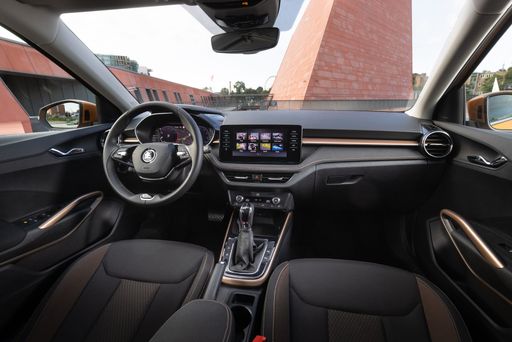
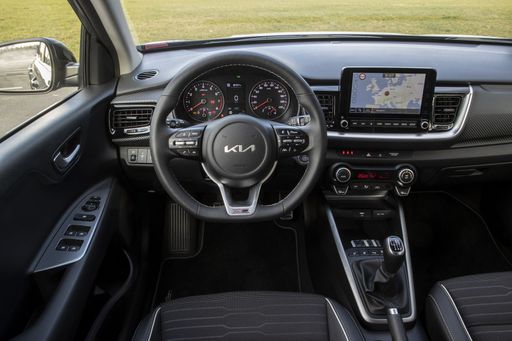
The Stonic’s recent interior updates give it a modern look with twin screens and clear graphics, but many surfaces still feel hard and functional rather than premium, which undercuts the visual upgrade. The Fabia’s interior reads more mature: materials and the logical layout — including physical knobs and sensible storage — create a sense of practical quality even if the touchscreen can feel slow at times. Kia’s long warranty is a strong psychological advantage for buyers who worry about running costs and reliability, whereas the Fabia wins on perceived everyday sturdiness and better ergonomics for longer journeys. In short, the Stonic sells freshness and reassurance; the Fabia sells solidity and user-friendly detail work.

Stonic

Buyer fit and trade-offs — who should choose which?

If your life is largely urban, you prioritise easy parking, crisp city steering and the comfort of a long warranty, the Kia Stonic is the pragmatic, wallet-calm choice that makes town driving more enjoyable. If you need rear-seat space, a big, usable boot, better long-distance refinement and lower running cost for regular motorway work, the Skoda Fabia is the more convincing everyday tool for families and frequent travellers. Both models have sensible kit and broadly similar usability in town, but the trade-off is clear: choose the Stonic for city agility and ownership peace-of-mind, or the Fabia for cabin space, comfort and relaxed cruising — the technical comparison that follows will show how engines, weight and luggage volume underpin these practical differences.

Here’s where it gets real: The technical differences in detail

Fabia

Costs and Efficiency:

When it comes to price and running costs, the biggest differences usually appear. This is often where you see which car fits your budget better in the long run.

Skoda Fabia is somewhat cheaper – starting at 17,300 £ , while the Kia Stonic costs 20,400 £ . That’s a price difference of around 3,086 £.

Fuel consumption also shows a difference: the Skoda Fabia uses 4.9 L/100km and is slightly more efficient than the Kia Stonic with 5.6 L/100km. The difference is about 0.7 L/100km.

Stonic

Engine and Performance:

Power, torque and acceleration say a lot about how a car feels on the road. This is where you see which model delivers more driving dynamics.

When it comes to engine power, the Skoda Fabia offers noticeably more power – delivering 177 HP compared to 115 HP. That’s roughly 62 HP more horsepower.

When accelerating from 0 to 100 km/h, the Skoda Fabia is considerably quicker – completing the sprint in 7.4 s, while the Kia Stonic takes 10.7 s. That’s about 3.3 s quicker.

There’s also a difference in torque: the Skoda Fabia delivers somewhat more torque with 250 Nm compared to 200 Nm. That’s about 50 Nm more.

Fabia

Space and Everyday Use:

Cabin size, boot volume and payload all play a role in everyday practicality. Here, comfort and flexibility make the difference.

Both vehicles offer seating for 5 people.

In terms of curb weight, Skoda Fabia is very slightly lighter – 1,143 kg compared to 1,205 kg. The difference is around 62 kg.

Looking at boot space, the Skoda Fabia offers barely more boot space – 380 L compared to 352 L. That’s a difference of about 28 L.

When it comes to payload, the Kia Stonic carries only slightly more – 445 kg compared to 437 kg. That’s a difference of about 8 kg.

Who wins the race in the data check?

The Skoda Fabia is far ahead overall in the objective data comparison.
This result only shows which model scores more points on paper – not which of the two cars feels right for you.

from £17,300
Fabia

Skoda Fabia

  • Engine Type Petrol
  • Transmission Manuel, Automatic
  • Drive Type Front-Wheel Drive
  • Power HP 80 - 177 HP
  • Consumption L/100km 4.9 - 5.6 L/100km
Skoda Fabia
Kia Stonic

Costs and Consumption

View detailed analysis

Engine and Performance

View detailed analysis

Dimensions and Body

View detailed analysis

Skoda Fabia

The Skoda Fabia is a clever, no-nonsense small car that turns everyday chores into a breeze thanks to smart packaging and a surprisingly roomy cabin. It won’t set your pulses racing, but it’s a consistently sensible choice — reliable, easy to live with and blessed with a few neat tricks that make city life less faff.

details

Kia Stonic

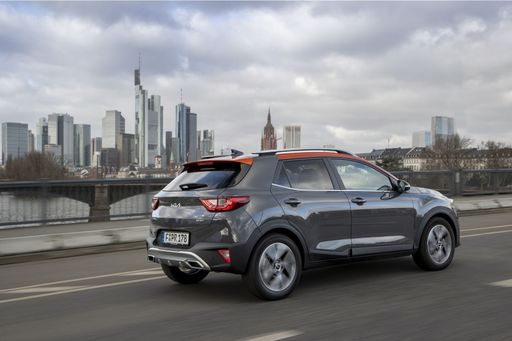
The Kia Stonic is a compact crossover that pairs nimble city manners with a surprisingly spacious and comfortable cabin. It’s a practical, well-equipped choice for buyers who value sensible features, approachable styling and easy everyday usability.

details
Skoda Fabia
Kia Stonic

Costs and Consumption

Price
17,300 - 30,500 £
Price
20,400 - 26,800 £
Consumption L/100km
4.9 - 5.6 L/100km
Consumption L/100km
5.6 - 5.7 L/100km
Consumption kWh/100km
-
Consumption kWh/100km
-
Electric Range
-
Electric Range
-
Battery Capacity
-
Battery Capacity
-
co2
112 - 126 g/km
co2
126 - 128 g/km
Fuel tank capacity
-
Fuel tank capacity
-

Dimensions and Body

Body Type
Hatchback
Body Type
SUV
Seats
5
Seats
5
Doors
-
Doors
-
Curb weight
1,143 - 1,278 kg
Curb weight
1,205 - 1,270 kg
Trunk capacity
380 L
Trunk capacity
352 L
Length
-
Length
-
Width
1,780 mm
Width
1,760 mm
Height
-
Height
-
Max trunk capacity
-
Max trunk capacity
-
Payload
402 - 437 kg
Payload
440 - 445 kg

Engine and Performance

Engine Type
Petrol
Engine Type
Petrol, Petrol MHEV
Transmission
Manuel, Automatic
Transmission
Manuel, Automatic
Transmission Detail
Manual Gearbox, Dual-Clutch Automatic
Transmission Detail
Manual Gearbox, Dual-Clutch Automatic
Drive Type
Front-Wheel Drive
Drive Type
Front-Wheel Drive
Power HP
80 - 177 HP
Power HP
100 - 115 HP
Acceleration 0-100km/h
7.4 - 15.7 s
Acceleration 0-100km/h
10.7 - 12.1 s
Max Speed
-
Max Speed
-
Torque
93 - 250 Nm
Torque
172 - 200 Nm
Number of Cylinders
3 - 4
Number of Cylinders
3
Power kW
59 - 130 kW
Power kW
74 - 85 kW
Engine capacity
999 - 1,498 cm3
Engine capacity
998 cm3

General

Model Year
2025
Model Year
2025
CO2 Efficiency Class
D, C
CO2 Efficiency Class
D
Brand
Skoda
Brand
Kia
DriveDuel uses data analysis and artificial intelligence to evaluate vehicle data and create content. Content is regularly reviewed and improved. The displayed prices are estimates based on German list prices, adjusted to the respective country’s VAT. Country-specific registration taxes are not included. This information is not legally binding.