
 Deutschland
 Schweiz (DE)
 France
 Nederland
 Great Britain
 Italia
 España
VS
Skoda Octavia Combi VS Honda Jazz – Specs, Efficiency & Price Comparison
Which model is the better choice – the Skoda Octavia Combi or the Honda Jazz? We compare performance (265 HP vs 122 HP), boot capacity (640 L vs 304 L), efficiency (4.40 L vs 4.50 L), and of course, the price (24400 £ vs 23100 £).
Find out now which car fits your needs better!
The Skoda Octavia Combi (Estate) is powered by a Petrol, Petrol MHEV or Diesel engine and comes with a Manuel or Automatic transmission. In comparison, the Honda Jazz (Hatchback) features a Full Hybrid engine and a Automatic gearbox.
When it comes to boot capacity, the Skoda Octavia Combi offers 640 L, while the Honda Jazz provides 304 L – depending on what matters most to you. If you’re looking for more power, you’ll need to decide whether the 265 HP of the Skoda Octavia Combi or the 122 HP of the Honda Jazz suits your needs better.
There are also differences in efficiency: 4.40 L vs 4.50 L. In terms of price, the Skoda Octavia Combi starts at 24400 £, while the Honda Jazz is available from 23100 £.
Compare all the key specs now and find out which model fits your lifestyle best!
Skoda Octavia Combi
The Skoda Octavia Wagon impresses with its spacious interior, offering ample room for both passengers and luggage. It maintains a sleek and modern design, making it a stylish choice for families and professionals alike. The vehicle boasts an efficient engine range, providing a smooth and responsive driving experience.
details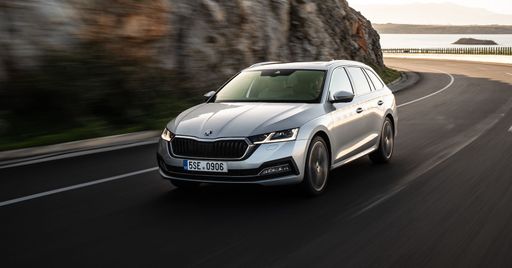 @ skoda-media.de
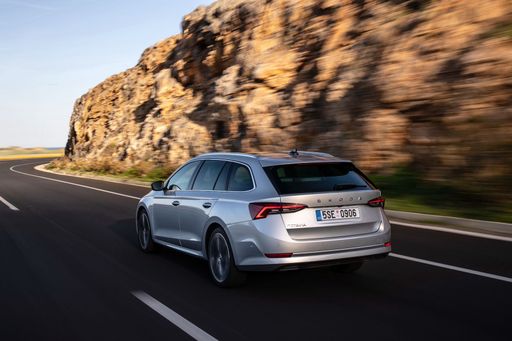 @ skoda-media.de
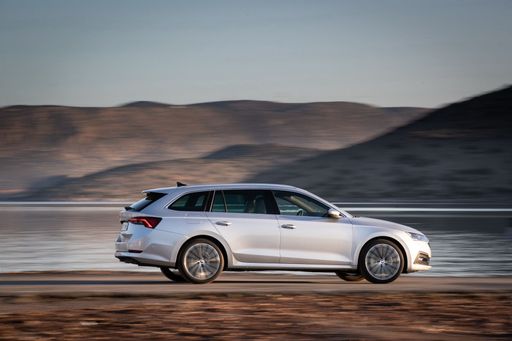 @ skoda-media.de
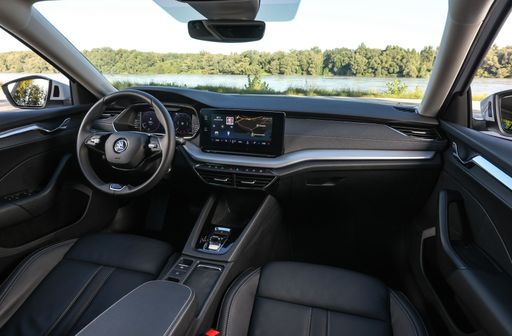 @ skoda-media.de
Honda Jazz
The Honda Jazz stands out in the compact car category with its intelligently designed interior, offering a surprisingly spacious cabin that comfortably accommodates passengers and luggage. Its efficient hybrid powertrain ensures a smooth and economical driving experience, ideal for both urban commutes and longer journeys. Furthermore, the Jazz is equipped with a range of advanced safety features, providing peace of mind while on the road.
details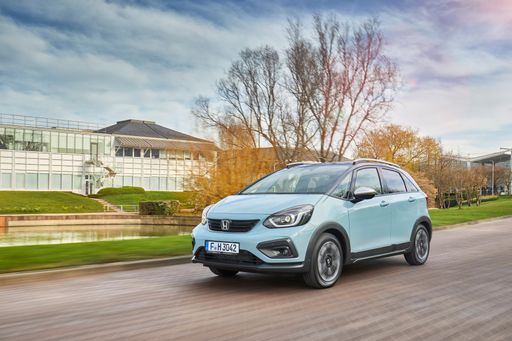 @ hondanews.eu
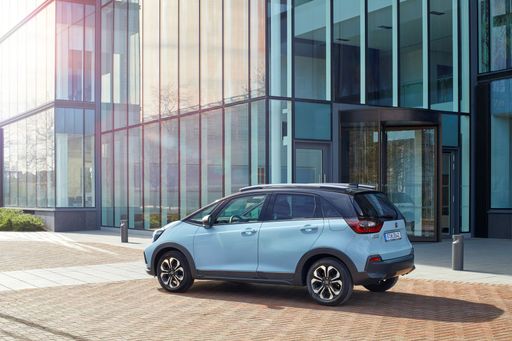 @ hondanews.eu
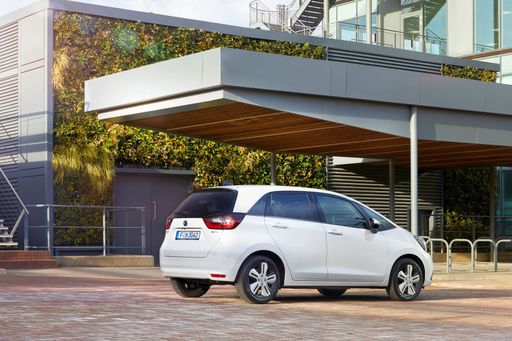 @ hondanews.eu
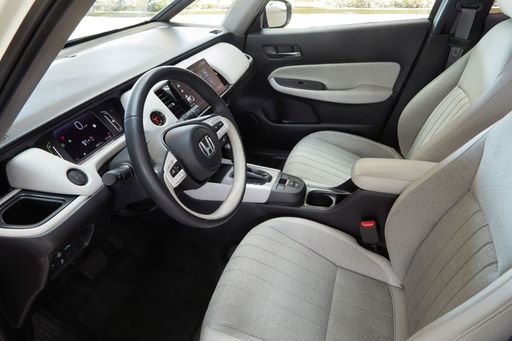 @ hondanews.eu
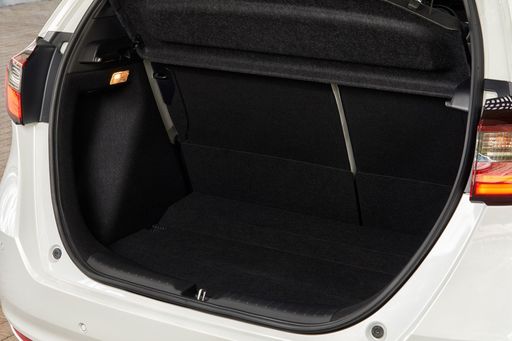 @ hondanews.eu
Skoda Octavia Combi
Honda Jazz
|
|
|
|
|
|
Costs and Consumption |
|
|---|---|
|
Price
24400 - 41600 £
|
Price
23100 - 26700 £
|
|
Consumption L/100km
4.4 - 6.9 L
|
Consumption L/100km
4.5 - 4.8 L
|
|
Consumption kWh/100km
-
|
Consumption kWh/100km
-
|
|
Electric Range
-
|
Electric Range
-
|
|
Battery Capacity
-
|
Battery Capacity
-
|
|
co2
114 - 157 g/km
|
co2
102 - 108 g/km
|
|
Fuel tank capacity
45 - 55 L
|
Fuel tank capacity
40 L
|
Dimensions and Body |
|
|---|---|
|
Body Type
Estate
|
Body Type
Hatchback
|
|
Seats
5
|
Seats
5
|
|
Doors
5
|
Doors
5
|
|
Curb weight
1366 - 1534 kg
|
Curb weight
1302 - 1320 kg
|
|
Trunk capacity
640 L
|
Trunk capacity
304 L
|
|
Length
4698 - 4709 mm
|
Length
4089 - 4105 mm
|
|
Width
1829 mm
|
Width
-
|
|
Height
1455 - 1468 mm
|
Height
1526 - 1556 mm
|
|
Payload
471 - 534 kg
|
Payload
370 - 388 kg
|
Engine and Performance |
|
|---|---|
|
Engine Type
Petrol, Petrol MHEV, Diesel
|
Engine Type
Full Hybrid
|
|
Transmission
Manuel, Automatic
|
Transmission
Automatic
|
|
Transmission Detail
Schaltgetriebe, Automat. Schaltgetriebe (Doppelkupplung)
|
Transmission Detail
-
|
|
Drive Type
Front-Wheel Drive, All-Wheel Drive
|
Drive Type
Front-Wheel Drive
|
|
Power HP
116 - 265 HP
|
Power HP
122 HP
|
|
Acceleration 0-100km/h
6.5 - 10.7 s
|
Acceleration 0-100km/h
9.4 - 9.7 s
|
|
Max Speed
203 - 250 km/h
|
Max Speed
175 km/h
|
|
Torque
220 - 370 Nm
|
Torque
253 Nm
|
|
Number of Cylinders
4
|
Number of Cylinders
4
|
|
Power kW
85 - 195 kW
|
Power kW
90 kW
|
|
Engine capacity
1498 - 1984 cm3
|
Engine capacity
1498 cm3
|
General |
|
|---|---|
|
Model Year
2024 - 2025
|
Model Year
2023
|
|
CO2 Efficiency Class
D, C, E, F
|
CO2 Efficiency Class
C
|
|
Brand
Skoda
|
Brand
Honda
|
Skoda Octavia Combi
The Versatile Skoda Octavia Wagon: A Comprehensive Insight
The Skoda Octavia Wagon has long served as a benchmark in the estate car segment, blending practicality with a touch of luxury. For the 2024 model year, Skoda has introduced thoughtful enhancements across the board, offering a range of options that meet varying needs and preferences. From innovative features to technical prowess, the Octavia Combi continues to impress car enthusiasts and everyday drivers alike.
Engine and Performance: A Diverse Selection
The Skoda Octavia Combi offers a choice of petrol, mild-hybrid, and diesel engines, ensuring there's something for every kind of driver. The petrol units are equipped with advanced 1.5 TSI ACT engines, delivering outputs ranging from 116 to 150 PS. For those inclined towards diesel, the 2.0 TDI SCR variants provide a smooth and economical drive, with options peaking at 150 PS. Notably, the RS model stands out with a robust 265 PS, bringing a spirited drive with its 6.8 L/100km efficiency.
All models channel power to the front wheels, with transmission options including a precise manual gearbox or a slick automatic with dual-clutch technology. The efficient fuel consumption across the Octavia Combi range, from 4.4 to 6.8 L/100km, further reinforces its appeal as a family-friendly, economical choice.
Innovations and Technological Highlights
Innovation lies at the heart of the new Skoda Octavia Combi. The inclusion of mild-hybrid technology in specific models exemplifies Skoda's commitment to sustainable and efficient driving solutions. This technology not only aids in fuel economy but also enhances the overall driving experience with smoother acceleration and reduced emissions.
Beyond the mechanic, the Octavia Combi is loaded with connectivity and infotainment features to cater to the modern driver. The intuitive infotainment system, equipped with a large touchscreen display, allows seamless access to navigation, entertainment, and vehicle settings, making every journey as comfortable as it is enjoyable.
Practicality and Comfort for Every Journey
Practicality remains a cornerstone for the Skoda Octavia Combi. Its spacious interior comfortably accommodates five passengers, with ample legroom and headroom ensuring a relaxed journey. The model boasts a notable boot space of 640 litres, making it perfect for both daily use and long excursions.
Attention to detail is evident in the choice of materials and the layout of controls, which are designed for both aesthetic appeal and ease of use. Various trim lines, such as Essence and Sportline, allow buyers to tailor the vehicle to their taste, offering a mix of elegance and sportiness.
Final Thoughts: A Reliable Choice with a Touch of Innovation
The 2024 Skoda Octavia Combi promises to be a significant player in the estate car market, worthy of consideration for those seeking a versatile, efficient, and technology-laden vehicle. With a competitive price range between €27,690 and €47,790, it provides excellent value for money. Whether it's the daily commute or a long family vacation, the Skoda Octavia Combi is equipped to handle the demands of modern life with ease and sophistication.
Honda Jazz
The Evolution of the Honda Jazz: A Modern Marvel in Compact Design
The Honda Jazz, known for its compact yet spacious design, continues to impress with its blend of practicality and innovation. Today, we delve into the technical details and innovations that make the latest models of the Honda Jazz stand out in the competitive auto market.
Hybrid Powertrain: Efficiency and Performance
The Honda Jazz is equipped with a cutting-edge 1.5 i-MMD e:HEV full hybrid engine, delivering an impressive 122 PS, or 90 kW. This powertrain seamlessly balances efficiency and performance, achieving a fuel consumption of 4.5 to 4.8 L/100km. Whether navigating the city streets or taking on longer journeys, the Jazz provides a responsive and smooth driving experience, accentuated by its CVT automatic transmission.
Sleek Design with Smart Storage Solutions
Staying true to its roots, the Honda Jazz maintains a compact exterior with dimensions ranging from 4089 to 4105 mm in length and 1526 to 1556 mm in height. Despite its size, the Jazz offers ample luggage capacity of 304 litres, thanks to the intelligent Magic Seat system that allows for flexible storage configurations. The combination of a sleek design with practical storage makes the Jazz an ideal city companion.
Advanced Technology and Comfort
The Honda Jazz doesn’t stop at efficiency; it also comes packed with a plethora of technological features. As part of its high-tech package, the Jazz includes a state-of-the-art infotainment system and various driving assistance technologies, enhancing both safety and comfort. Families and commuters alike will appreciate the thoughtfully designed interior, seating up to five passengers with ease.
Performance and Handling Dynamics
The driving experience of the Honda Jazz is primarily characterised by its lively handling and assured grip thanks to its front-wheel-drive configuration. With a torque of 253 Nm and a 0-100 km/h acceleration between 9.4 to 9.7 seconds, the Jazz offers adequate performance for everyday urban driving. The maximum speed reaches 175 km/h, ensuring the Jazz can hold its own on motorways too.
Environmental Responsibility and Cost Efficiency
In an era of heightened environmental awareness, the Honda Jazz stands out with a CO2 emission range of 102 to 108 g/km, adhering to the CO2 Efficiency Class C. Cost-conscious consumers will appreciate the Jazz's low running costs, with potential expenses ranging from €812 to €877 per month and a cost per kilometre of 32.5 to 35.1 cents.
Conclusion: A Comprehensive Package
Combining innovation, economy, and style, the Honda Jazz serves as a testament to Honda's commitment to evolving their compact range to meet the modern driver's needs. For those seeking a reliable, efficient, and technologically advanced vehicle, the Honda Jazz stands ready to elevate their driving experience.
The prices and data displayed are estimates based on German list prices and may vary by country. This information is not legally binding.