@ smart Europe GmbH
@ Volkswagen AG / VW Media
VS

smart #3 vs VW ID.4 – Performance, range & efficiency compared

Compare performance, boot capacity, efficiency and price at a glance.
Find out which car is the better choice for you – smart #3 or VW ID.4?

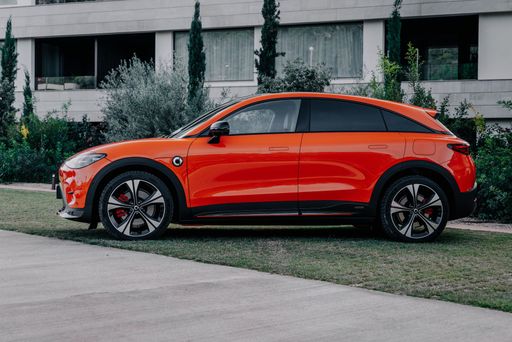
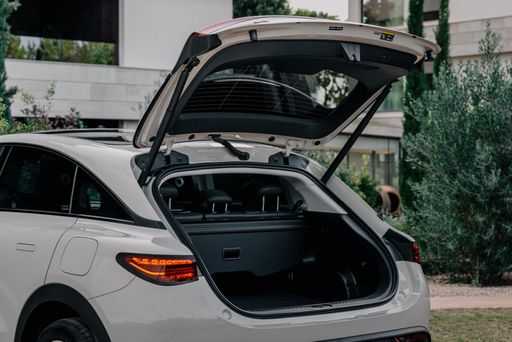
#3 @ smart Europe GmbH

A Clash of Electric Titans: smart #3 vs. VW ID.4

In the electrifying landscape of modern SUVs, two contenders stand out with their unique blend of innovation and performance: the smart #3 and the Volkswagen ID.4. Both models have carved a niche in the market, drawing attention with their cutting-edge technology and electric prowess. Let's dive into a detailed comparison and see what each has to offer.
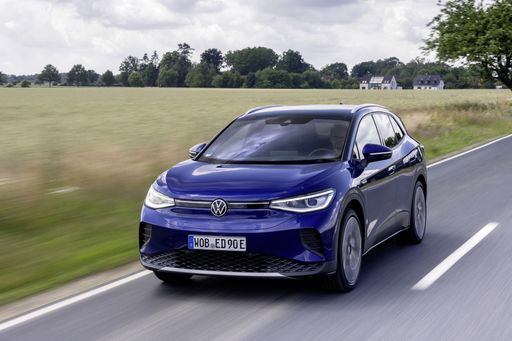
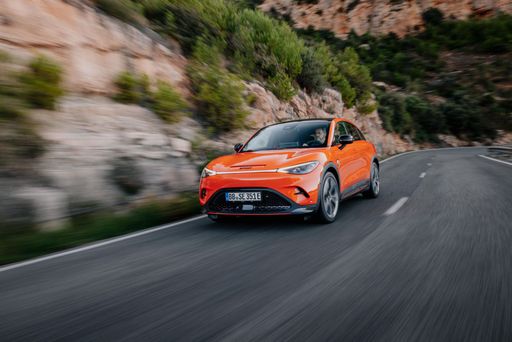
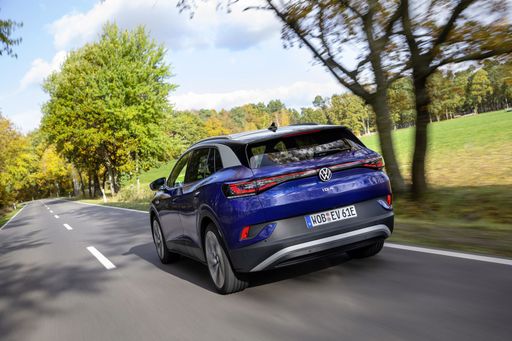
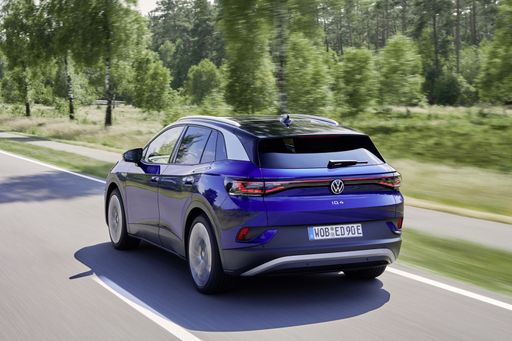
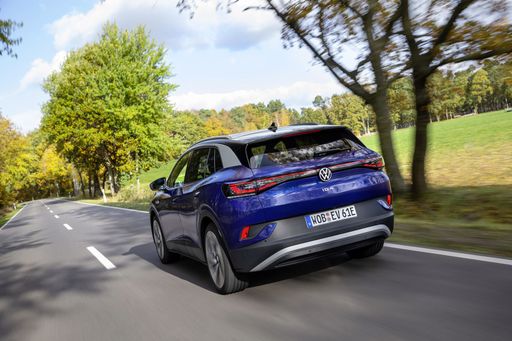
ID.4 @ Volkswagen AG / VW Media

Performance and Powertrain

The powertrain of an electric vehicle determines its essence, and both the smart #3 and VW ID.4 offer impressive specifications. The smart #3 comes equipped with a choice between rear-wheel and all-wheel drive, boasting power outputs of 272 HP and 428 HP respectively. Its acceleration from 0 to 100 km/h can be achieved in just 5.8 seconds or a thrilling 3.7 seconds, making it a formidable player in its class.

In comparison, the VW ID.4 also offers a diverse range of powertrains. Available in both rear-wheel and all-wheel drive, the ID.4 delivers power outputs up to 286 HP, with a top acceleration stat of 5.4 seconds to reach from 0 to 100 km/h. While slightly more conservative in its base versions, the performance range of the ID.4 holds its ground for everyday driving needs.

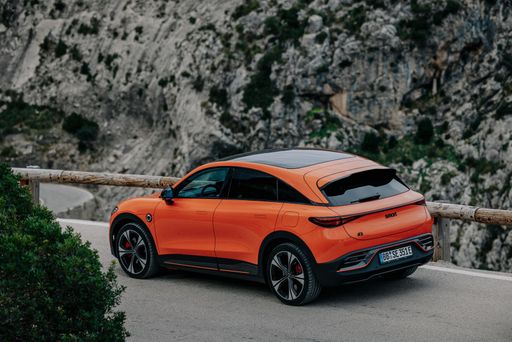
#3 @ smart Europe GmbH

Efficiency and Range

When it comes to energy efficiency and range, both SUVs offer competitive figures but with distinct differences. The smart #3 showcases an electric range between 325 km to 455 km, dictated by its battery options of 47 kWh and 62 kWh. Fuel consumption varies from 16.3 kWh/100km to 17.6 kWh/100km, ensuring economical energy use for various driving styles.

The VW ID.4, on the other hand, provides a superior range, extending from 357 km to a remarkable 572 km, depending on the model and battery size (77 kWh or 52 kWh). Its consumption figures are equally impressive, ranging from 15.8 kWh/100km to 16.8 kWh/100km, underscoring its efficiency credentials.

ID.4 @ Volkswagen AG / VW Media

Design and Dimensions

Design philosophies differ markedly between the smart #3 and VW ID.4. The smart #3, with its sleek dimensions of 4400 mm in length, 1844 mm in width, and 1556 mm in height, offers a compact yet stylish profile, ideal for urban environments. It sits comfortably with a payload capacity ranging from 419 kg to 450 kg and a trunk capacity of 370 liters.

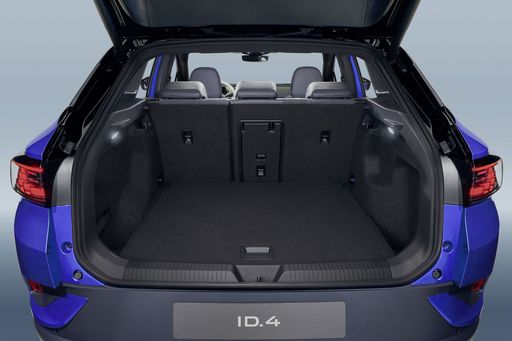
The VW ID.4 presents a larger frame with lengths around 4583 mm, widths of 1852 mm, and heights just over 1630 mm. Its spacious design supports a generous trunk capacity of 543 liters, providing practicality for family trips. With a payload capacity up to 541 kg, the ID.4 emphasizes its utility-focused design.

#3 @ smart Europe GmbH

Innovations and Features

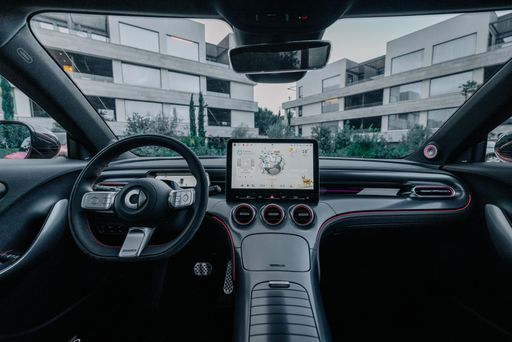
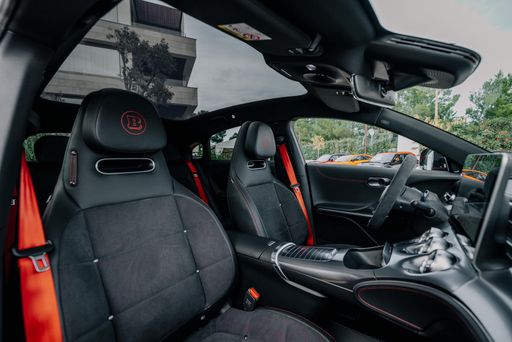
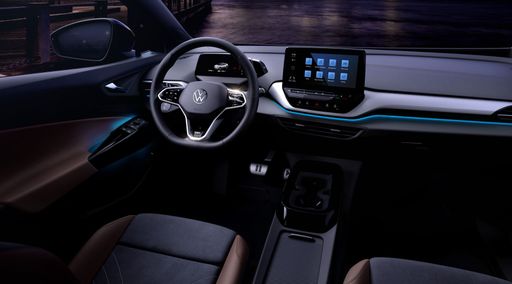
Both the smart #3 and VW ID.4 are packed with innovations that cater to modern drivers. The smart #3 supports a tech-savvy environment with a focus on connectivity and intuitive interfaces. Meanwhile, the VW ID.4, with its advanced infotainment systems and customizable digital cockpit, aims to provide a seamless and engaging driving experience.

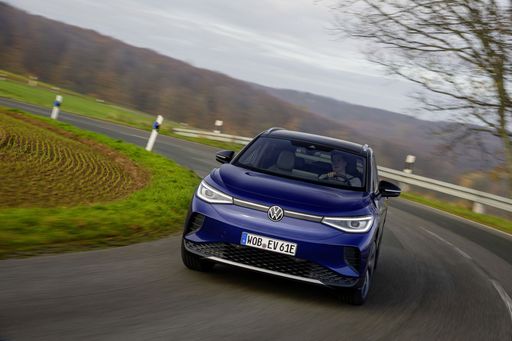
ID.4 @ Volkswagen AG / VW Media

Conclusion

Deciding between the smart #3 and VW ID.4 largely depends on individual priorities. If you are leaning towards raw acceleration and a sleek design tailored for city life, the smart #3 might be your match. Conversely, if a longer range and larger cargo space are more critical, the VW ID.4 stands out as the robust choice.

Both models signify a future-forward approach in the SUV category, each bringing unique strengths to the table. Whether it's the spirited smart #3 or the versatile ID.4, the journey to electrification has never been more exciting.

Video - VW ID.4

Here’s where it gets real: The technical differences in detail

#3 @ smart Europe GmbH

Costs and Efficiency:

Looking at overall running costs, both models reveal some interesting differences in everyday economy.

VW ID.4 has a barely noticeable advantage in terms of price – it starts at 34600 £, while the smart #3 costs 34700 £. That’s a price difference of around 133 £.

In terms of energy consumption, the advantage goes to the VW ID.4: with 15.60 kWh per 100 km, it’s slight more efficient than the smart #3 with 16.30 kWh. That’s a difference of about 0.70 kWh.

As for range, the VW ID.4 performs clearly perceptible better – achieving up to 569 km, about 114 km more than the smart #3.

ID.4 @ Volkswagen AG / VW Media

Engine and Performance:

Under the bonnet, it becomes clear which model is tuned for sportiness and which one takes the lead when you hit the accelerator.

When it comes to engine power, the smart #3 has a noticeable edge – offering 428 HP compared to 340 HP. That’s roughly 88 HP more horsepower.

In acceleration from 0 to 100 km/h, the smart #3 is decisively quicker – completing the sprint in 3.70 s, while the VW ID.4 takes 5.40 s. That’s about 1.70 s faster.

There’s no difference in top speed – both reach 180 km/h.

There’s also a difference in torque: VW ID.4 pulls to a small extent stronger with 679 Nm compared to 584 Nm. That’s about 95 Nm difference.

#3 @ smart Europe GmbH

Space and Everyday Use:

Cabin size, boot volume and payload all play a role in everyday practicality. Here, comfort and flexibility make the difference.

Both vehicles offer seating for 5 people.

In curb weight, smart #3 is a bit lighter – 1780 kg compared to 1975 kg. The difference is around 195 kg.

In terms of boot space, the VW ID.4 offers clearly perceptible more room – 543 L compared to 370 L. That’s a difference of about 173 L.

In maximum load capacity, the VW ID.4 performs clearly perceptible better – up to 1575 L, which is about 415 L more than the smart #3.

When it comes to payload, VW ID.4 to a small extent takes the win – 551 kg compared to 450 kg. That’s a difference of about 101 kg.

Who wins the race?

The VW ID.4 proves to be shows small but notable strengths and therefore becomes our DriveDuel Champion!
VW ID.4 is the better all-rounder in this comparison.

from about £34,600
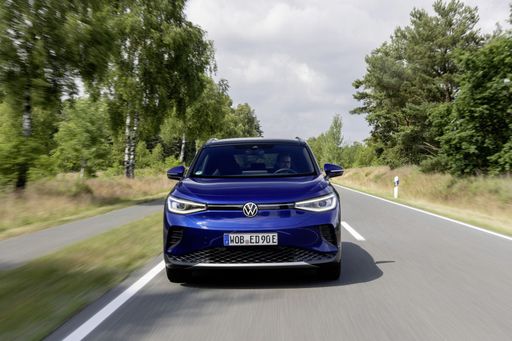
ID.4 @ Volkswagen AG / VW Media

VW ID.4

  • Engine Type : Electric
  • Transmission : Automatic
  • Drive Type : Rear-Wheel Drive, All-Wheel Drive
  • Power HP : 170 - 340 HP
  • Consumption kWh/100km : 15.6 - 17 kWh
  • Electric Range : 356 - 569 km

smart #3

5 (1)
rate

The Smart #3 represents a bold evolution in urban mobility, merging sleek design with sustainability. This compact electric SUV boasts a modern silhouette and advanced technology features that make city driving both efficient and enjoyable. With its spacious interior and innovative connectivity options, the Smart #3 is poised to redefine the expectations for eco-friendly urban transport.

details

VW ID.4

4.5 (2)
rate

The VW ID.4 is a calm, roomy electric SUV that turns everyday driving into a quietly confident experience, its practical packaging and smooth manners tailored perfectly for family life. Volkswagen's solid build and intuitive interior tech mean you get electric practicality without the sci‑fi theatrics, making the ID.4 a sensible, surprisingly likable choice for most buyers.

details
smart #3
VW ID.4
#3 @ smart Europe GmbH
ID.4 @ Volkswagen AG / VW Media

Costs and Consumption

Price
34700 - 45800 £
Price
34600 - 47200 £
Consumption L/100km
-
Consumption L/100km
-
Consumption kWh/100km
16.3 - 17.6 kWh
Consumption kWh/100km
15.6 - 17 kWh
Electric Range
325 - 455 km
Electric Range
356 - 569 km
Battery Capacity
47 - 62 kWh
Battery Capacity
52 - 77 kWh
co2
0 g/km
co2
0 g/km
Fuel tank capacity
-
Fuel tank capacity
-

Dimensions and Body

Body Type
SUV
Body Type
SUV
Seats
5
Seats
5
Doors
5
Doors
5
Curb weight
1780 - 1910 kg
Curb weight
1975 - 2248 kg
Trunk capacity
370 L
Trunk capacity
543 L
Length
4400 mm
Length
4582 - 4584 mm
Width
1844 mm
Width
1852 mm
Height
1556 mm
Height
1619 - 1634 mm
Max trunk capacity
1160 L
Max trunk capacity
1575 L
Payload
419 - 450 kg
Payload
511 - 551 kg

Engine and Performance

Engine Type
Electric
Engine Type
Electric
Transmission
Automatic
Transmission
Automatic
Transmission Detail
Reduction Gearbox
Transmission Detail
Reduction Gearbox
Drive Type
Rear-Wheel Drive, All-Wheel Drive
Drive Type
Rear-Wheel Drive, All-Wheel Drive
Power HP
272 - 428 HP
Power HP
170 - 340 HP
Acceleration 0-100km/h
3.7 - 5.8 s
Acceleration 0-100km/h
5.4 - 9 s
Max Speed
180 km/h
Max Speed
160 - 180 km/h
Torque
343 - 584 Nm
Torque
310 - 679 Nm
Number of Cylinders
-
Number of Cylinders
-
Power kW
200 - 315 kW
Power kW
125 - 250 kW
Engine capacity
-
Engine capacity
-

General

Model Year
2023 - 2025
Model Year
2023 - 2025
CO2 Efficiency Class
A
CO2 Efficiency Class
A
Brand
smart
Brand
VW
What drive types are available for the smart #3?

The smart #3 is available as Rear-Wheel Drive or All-Wheel Drive.

The prices and data displayed are estimates based on German list prices and may vary by country. This information is not legally binding.