
 Deutschland
 France
 Nederland
 Great Britain
 Sverige
 Norge
Norge Danmark
 Suomi
Suomi Italia
 Polska
 España
VS
Suzuki S-Cross vs VW Passat - Differences and prices compared
Compare performance (110 HP vs 272 HP), boot space and price (21800 £ vs 36500 £ ) at a glance. Find out which car is the better choice for you – Suzuki S-Cross or VW Passat?
S-Cross
Costs and Efficiency:
Looking at overall running costs, both models reveal some interesting differences in everyday economy.
Suzuki S-Cross has a convincingly advantage in terms of price – it starts at 21800 £ , while the VW Passat costs 36500 £ . That’s a price difference of around 14700 £.
Fuel consumption also shows a difference: VW Passat manages with 1.20 L and is therefore convincingly more efficient than the Suzuki S-Cross with 5.30 L. The difference is about 4.10 L per 100 km.
Passat
Engine and Performance:
Power, torque and acceleration are the classic benchmarks for car enthusiasts – and here, some clear differences start to show.
When it comes to engine power, the VW Passat has a clearly edge – offering 272 HP compared to 110 HP. That’s roughly 162 HP more horsepower.
In terms of top speed, the VW Passat performs distinct better – reaching 250 km/h, while the Suzuki S-Cross tops out at 185 km/h. The difference is around 65 km/h.
There’s also a difference in torque: VW Passat pulls significantly stronger with 400 Nm compared to 235 Nm. That’s about 165 Nm difference.
Ad · Affiliate
As an Amazon Associate, we earn from qualifying purchases.
S-Cross
Space and Everyday Use:
Cabin size, boot volume and payload all play a role in everyday practicality. Here, comfort and flexibility make the difference.
Both vehicles offer seating for 5 people.
In curb weight, Suzuki S-Cross is evident lighter – 1280 kg compared to 1573 kg. The difference is around 293 kg.
In terms of boot space, the VW Passat offers noticeable more room – 690 L compared to 430 L. That’s a difference of about 260 L.
In maximum load capacity, the VW Passat performs clearly perceptible better – up to 1920 L, which is about 690 L more than the Suzuki S-Cross.
When it comes to payload, VW Passat noticeable takes the win – 577 kg compared to 405 kg. That’s a difference of about 172 kg.
Who comes out on top?
Overall, the VW Passat shows itself to be dominates this comparison and secures the title of DriveDuel Champion.
It convinces with the more balanced overall package and proves to be the more versatile choice for everyday use.
from about £36,500
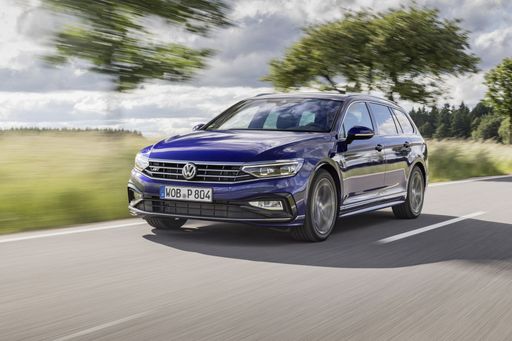
VW Passat
Suzuki S-Cross
VW Passat
Costs and Consumption
View detailed analysis
View detailed analysis
Engine and Performance
View detailed analysis
View detailed analysis
Dimensions and Body
View detailed analysis
View detailed analysis
Suzuki S-Cross
4.7 (3 Reviews)
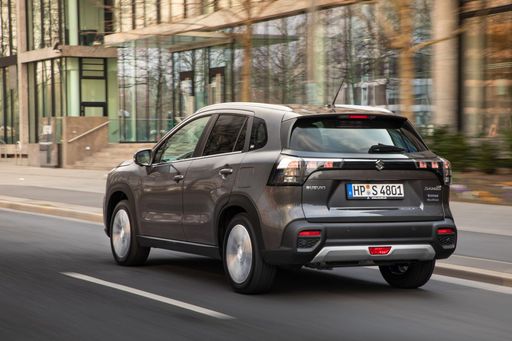
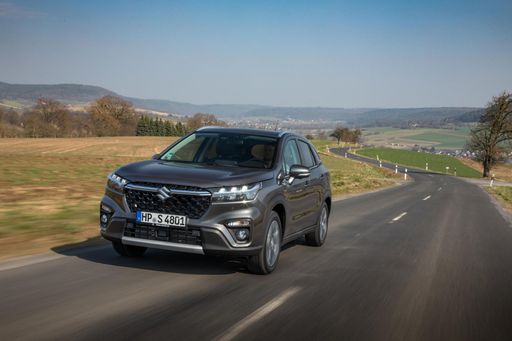
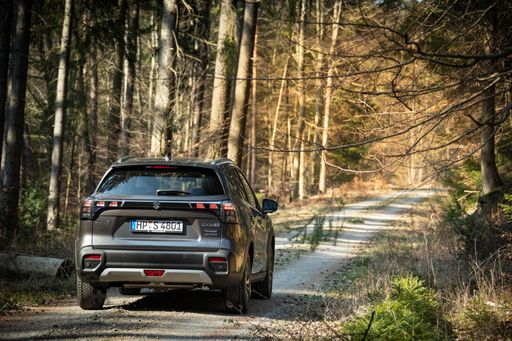
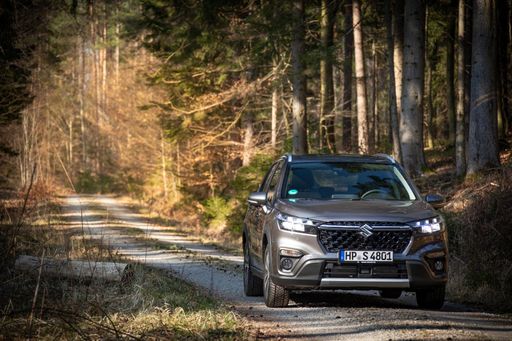
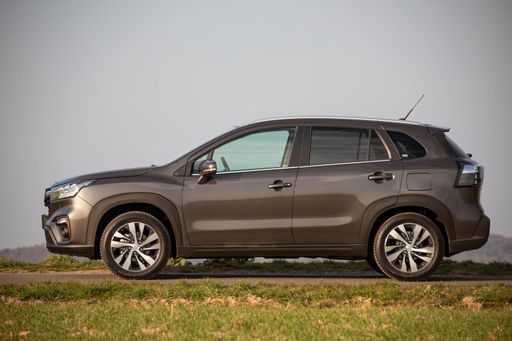
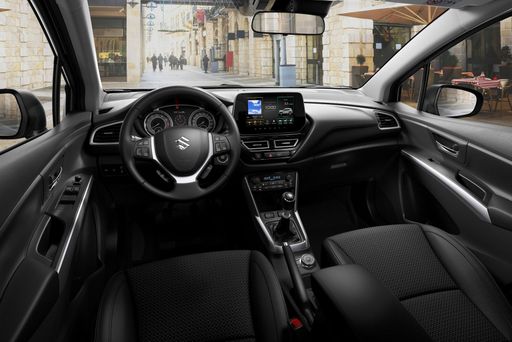
The Suzuki S-Cross is a neatly packaged crossover that puts everyday practicality ahead of showy theatrics, offering a comfortable cabin and predictable handling that suit family life and weekend errands alike. It’s not a headline-grabber, but its sensible packaging, low-key charm and reputation for reliability make it a shrewd choice for buyers who prefer smart value over flash.
details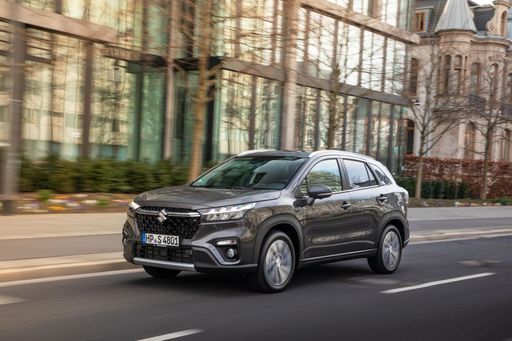
VW Passat
5 (2 Reviews)
The VW Passat is the grown-up family car that gets the basics absolutely right — roomy, comfortable and built to handle weekday commutes and weekend getaways without fuss. It won't set your pulse racing, but its calm composure and sensible packaging make it boring in the best possible way: a dependable, no‑drama choice for buyers who value practicality over flash.
details
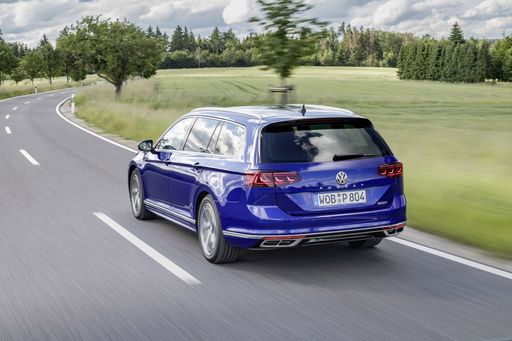
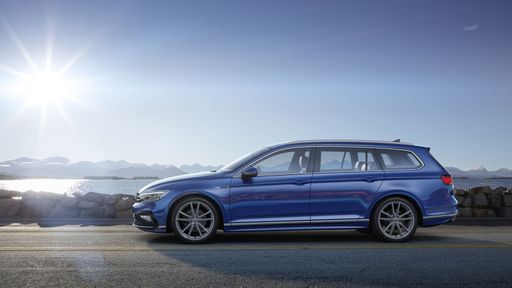
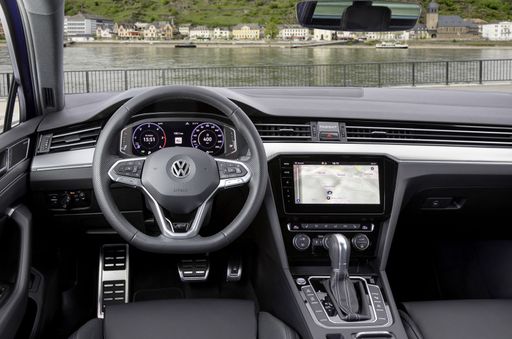
Suzuki S-Cross
VW Passat
Costs and Consumption |
|
|---|---|
|
Price
21800 - 34200 £
|
Price
36500 - 58500 £
|
|
Consumption L/100km
5.3 - 5.8 L
|
Consumption L/100km
1.2 - 8 L
|
|
Consumption kWh/100km
-
|
Consumption kWh/100km
-
|
|
Electric Range
-
|
Electric Range
124 - 135 km
|
|
Battery Capacity
-
|
Battery Capacity
19.70 kWh
|
|
co2
119 - 138 g/km
|
co2
28 - 181 g/km
|
|
Fuel tank capacity
47 L
|
Fuel tank capacity
45 - 66 L
|
Dimensions and Body |
|
|---|---|
|
Body Type
SUV
|
Body Type
Estate
|
|
Seats
5
|
Seats
5
|
|
Doors
5
|
Doors
5
|
|
Curb weight
1280 - 1385 kg
|
Curb weight
1573 - 1858 kg
|
|
Trunk capacity
430 L
|
Trunk capacity
510 - 690 L
|
|
Length
4305 mm
|
Length
4917 mm
|
|
Width
1785 mm
|
Width
1849 mm
|
|
Height
1580 mm
|
Height
1521 mm
|
|
Max trunk capacity
1230 L
|
Max trunk capacity
1770 - 1920 L
|
|
Payload
395 - 405 kg
|
Payload
501 - 577 kg
|
Engine and Performance |
|
|---|---|
|
Engine Type
Petrol MHEV
|
Engine Type
Petrol, Petrol MHEV, Diesel, Plugin Hybrid
|
|
Transmission
Manuel, Automatic
|
Transmission
Automatic
|
|
Transmission Detail
Manual Gearbox, Automatic Gearbox
|
Transmission Detail
Dual-Clutch Automatic
|
|
Drive Type
Front-Wheel Drive, All-Wheel Drive
|
Drive Type
All-Wheel Drive, Front-Wheel Drive
|
|
Power HP
110 HP
|
Power HP
122 - 272 HP
|
|
Acceleration 0-100km/h
-
|
Acceleration 0-100km/h
5.8 - 10.7 s
|
|
Max Speed
180 - 185 km/h
|
Max Speed
212 - 250 km/h
|
|
Torque
235 Nm
|
Torque
250 - 400 Nm
|
|
Number of Cylinders
4
|
Number of Cylinders
4
|
|
Power kW
81 kW
|
Power kW
90 - 200 kW
|
|
Engine capacity
1373 cm3
|
Engine capacity
1498 - 1984 cm3
|
General |
|
|---|---|
|
Model Year
2025
|
Model Year
2024 - 2025
|
|
CO2 Efficiency Class
D, E
|
CO2 Efficiency Class
G, D, E, B
|
|
Brand
Suzuki
|
Brand
VW
|
What drive types are available for the Suzuki S-Cross?
The Suzuki S-Cross is available as Front-Wheel Drive or All-Wheel Drive.
The prices shown are estimates based on German list prices, adjusted for local VAT. Local registration taxes (e.g. NoVA, BPM or CO2 malus) are not included. This information is not legally binding.