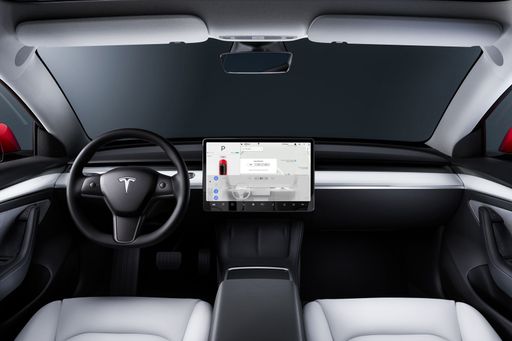
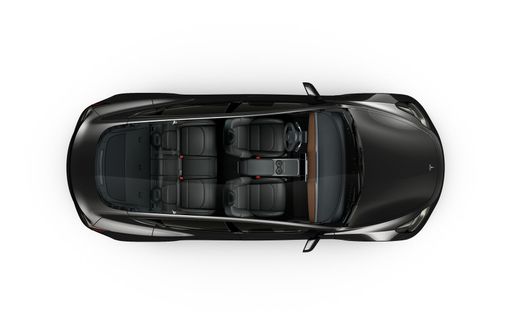
@ Tesla, Inc.
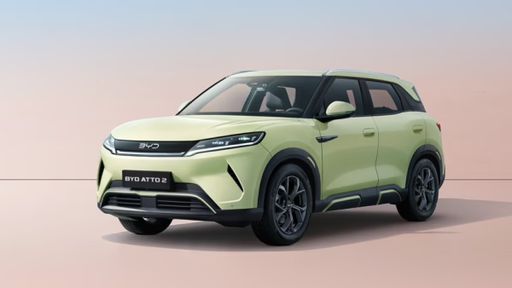
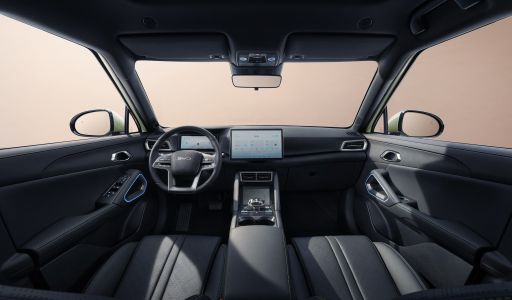
@ BYD Auto / BYD Global Media
VS

Tesla Model 3 vs BYD Atto 2 – Which car suits you better?

Everyday use, family trips or long-distance drives – here’s where the differences show.
Discover whether Tesla Model 3 or BYD Atto 2 fits your lifestyle better.

Model 3 @ Tesla, Inc.

Tesla Model 3 vs. BYD Atto 2: A Clash between Innovation Giants

The electric vehicle market is witnessing a titanic clash between two innovative giants: the Tesla Model 3 and the newly introduced BYD Atto 2. These two vehicles are setting the stage for a revolution in automotive engineering, each with its unique strengths and appeals. This comprehensive comparison offers a glimpse beyond aesthetics, diving into the technical prowess and advancements that define these avant-garde machines.
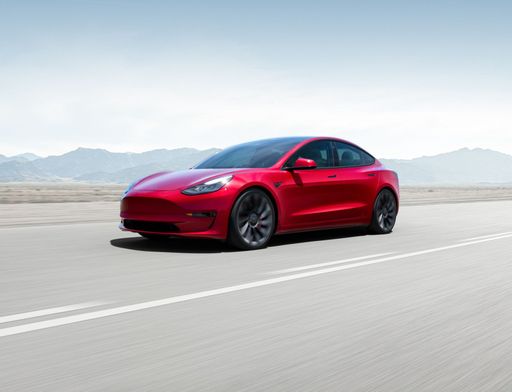
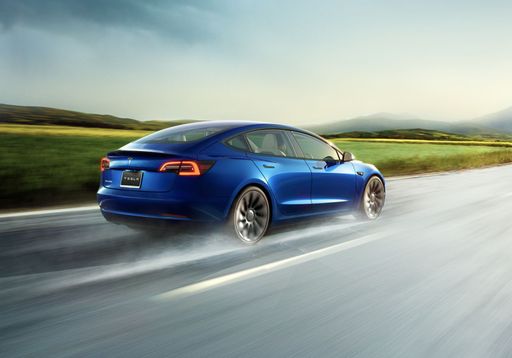
Atto 2 @ BYD Auto / BYD Global Media

The Heart of the Machines: Power and Efficiency

Starting under the hood, the Tesla Model 3 is known for its multiple power options, delivering a staggering power range between 283 to 460 HP. The all-wheel and rear-wheel drive options add layers to its versatile driving experience. The energy efficiency is commendable, with consumption as low as 12.5 kWh/100km, granting it an electric range extending up to 702 km on a full charge. With a battery capacity ranging from 62 to 79 kWh, the Model 3 ensures both city and long-distance commuters are well catered for.

In comparison, the BYD Atto 2, with its 177 HP and front-wheel drive setup, presents a more straightforward yet robust configuration. The Atto 2 consumes a respectable 16 kWh/100km, allowing for an electric range of 312 km. Its 130 kW of power reflects a conscientious balance between performance and efficiency. Although it may offer a smaller range than the Model 3, it speaks to drivers seeking dependable urban travel.

Model 3 @ Tesla, Inc.

Acceleration and Speed: Testing Performance Limits

When it comes to acceleration, the Model 3 impresses with a thrilling sprint from 0 to 100 km/h in just 3.1 seconds for its top-end model. Its maximum speed is another testament to its engineering excellence, reaching up to 262 km/h. These figures underscore Tesla's commitment to delivering sports-car-like performance in an electric vehicle package.

The Atto 2, while less aggressive, achieves 0 to 100 km/h in a respectable 7.9 seconds. Achieving a top speed of 160 km/h, it offers solid performance, well-suited for everyday driving with a leisurely drive experience in mind.

Atto 2 @ BYD Auto / BYD Global Media

Dimensions and Design: Style Meets Functionality

Beyond the technical specifications, the design ethos of these vehicles tells a story of their own. The Model 3’s dimensions are a testament to its hatchback design, measuring 4720 mm in length, 1850 mm in width, and 1440 mm in height. It boasts a trunk capacity of 594 L, providing ample space for cargo without compromising on passenger comfort.

The BYD Atto 2, categorized as an SUV, offers a more robust presence with dimensions of 4310 mm in length, 1830 mm in width, and 1675 mm in height. While its trunk capacity is a modest 400 L, its SUV stature provides a heightened viewpoint and a more commanding road presence.

Model 3 @ Tesla, Inc.

Weight and Payload: Measuring Capability

Curb weight is crucial to consider, with the Model 3 ranging from 1822 to 1919 kg, hinting at its heavy technological installations. It supports a payload capacity ranging from 313 to 333 kg, making it a viable option for moderate cargo transportation.

The Atto 2, lighter at 1570 kg, offers a higher payload capacity of 410 kg, illustrating its potential as a practical urban utility vehicle.

Conclusion: Which One Suits Your Journey?

Choosing between the Tesla Model 3 and BYD Atto 2 boils down largely to your driving needs and lifestyle preferences. If your priority leans towards high performance, extensive range, and futuristic appeal, the Model 3 is undoubtedly a top contender. On the other hand, those seeking a reliable, efficient SUV with solid urban comfort will find the BYD Atto 2 to be a compelling choice.

In the ever-evolving electric vehicle market, both cars are deeply emblematic of how far automotive technology has come and where it's headed. Whether you’re eco-conscious, a tech-savvy driver, or an urban commuter, the right choice lies in aligning your car with your lifestyle vision.

Here’s where it gets real: The technical differences in detail

Costs and Efficiency:

Price and efficiency are key factors when choosing a car – and this is often where the real differences emerge.

BYD Atto 2 has a noticeable advantage in terms of price – it starts at 27400 £, while the Tesla Model 3 costs 34300 £. That’s a price difference of around 6857 £.

In terms of energy consumption, the advantage goes to the Tesla Model 3: with 13.20 kWh per 100 km, it’s noticeable more efficient than the BYD Atto 2 with 16 kWh. That’s a difference of about 2.80 kWh.

As for range, the Tesla Model 3 performs clearly better – achieving up to 750 km, about 438 km more than the BYD Atto 2.

Engine and Performance:

Power, torque and acceleration are the classic benchmarks for car enthusiasts – and here, some clear differences start to show.

When it comes to engine power, the Tesla Model 3 has a decisively edge – offering 460 HP compared to 177 HP. That’s roughly 283 HP more horsepower.

In acceleration from 0 to 100 km/h, the Tesla Model 3 is clearly quicker – completing the sprint in 3.10 s, while the BYD Atto 2 takes 7.90 s. That’s about 4.80 s faster.

In terms of top speed, the Tesla Model 3 performs distinct better – reaching 262 km/h, while the BYD Atto 2 tops out at 160 km/h. The difference is around 102 km/h.

There’s also a difference in torque: Tesla Model 3 pulls clearly stronger with 660 Nm compared to 290 Nm. That’s about 370 Nm difference.

Space and Everyday Use:

Whether family car or daily driver – which one offers more room, flexibility and comfort?

Both vehicles offer seating for 5 people.

In curb weight, BYD Atto 2 is a bit lighter – 1570 kg compared to 1822 kg. The difference is around 252 kg.

In terms of boot space, the Tesla Model 3 offers noticeable more room – 594 L compared to 400 L. That’s a difference of about 194 L.

When it comes to payload, BYD Atto 2 a bit takes the win – 410 kg compared to 333 kg. That’s a difference of about 77 kg.

Who wins the race?

The Tesla Model 3 proves to be outperforms in nearly all aspects and therefore becomes our DriveDuel Champion!
Tesla Model 3 is the better all-rounder in this comparison.

from about £34,300
Model 3 @ Tesla, Inc.

Tesla Model 3

  • Engine Type : Electric
  • Transmission : Automatic
  • Drive Type : Rear-Wheel Drive, All-Wheel Drive
  • Power HP : 283 - 460 HP
  • Consumption kWh/100km : 13.2 - 16.7 kWh
  • Electric Range : 550 - 750 km

Tesla Model 3

1 (1)
rate

The Tesla Model 3 slices through daily commuting with a silent, confident shove that makes petrolheads reassess their life choices, while its minimalist cabin feels more like a slick gadget gallery than a traditional car interior. For buyers after a fuss-free, tech-forward electric with plenty of grin factor and low running drama, it’s hard to beat—just don't be surprised when the car updates itself overnight.

details

BYD Atto 2

5 (1)
rate

The Atto 2 is making waves in the electric vehicle market with its sleek design and impressive range. This innovative model combines cutting-edge technology with captivating aesthetics, making it a standout choice for eco-conscious drivers. With its spacious interior and advanced features, the Atto 2 offers both comfort and convenience for everyday use.

details
Tesla Model 3
BYD Atto 2
Model 3 @ Tesla, Inc.
Atto 2 @ BYD Auto / BYD Global Media

Costs and Consumption

Price
34300 - 50100 £
Price
27400 - 30000 £
Consumption L/100km
-
Consumption L/100km
-
Consumption kWh/100km
13.2 - 16.7 kWh
Consumption kWh/100km
16 kWh
Electric Range
550 - 750 km
Electric Range
312 km
Battery Capacity
64.5 - 83 kWh
Battery Capacity
-
co2
0 g/km
co2
0 g/km
Fuel tank capacity
-
Fuel tank capacity
-

Dimensions and Body

Body Type
Sedan
Body Type
SUV
Seats
5
Seats
5
Doors
4
Doors
5
Curb weight
1822 - 1929 kg
Curb weight
1570 kg
Trunk capacity
594 L
Trunk capacity
400 L
Length
4720 - 4724 mm
Length
4310 mm
Width
1850 mm
Width
1830 mm
Height
1431 - 1440 mm
Height
1675 mm
Max trunk capacity
-
Max trunk capacity
1340 L
Payload
303 - 333 kg
Payload
410 kg

Engine and Performance

Engine Type
Electric
Engine Type
Electric
Transmission
Automatic
Transmission
Automatic
Transmission Detail
Reduction Gearbox
Transmission Detail
Reduction Gearbox
Drive Type
Rear-Wheel Drive, All-Wheel Drive
Drive Type
Front-Wheel Drive
Power HP
283 - 460 HP
Power HP
177 HP
Acceleration 0-100km/h
3.1 - 6.1 s
Acceleration 0-100km/h
7.90 s
Max Speed
201 - 262 km/h
Max Speed
160 km/h
Torque
420 - 660 Nm
Torque
290 Nm
Number of Cylinders
-
Number of Cylinders
-
Power kW
208 - 338 kW
Power kW
130 kW
Engine capacity
-
Engine capacity
-

General

Model Year
2025
Model Year
2025
CO2 Efficiency Class
A
CO2 Efficiency Class
A
Brand
Tesla
Brand
BYD
Is the Tesla Model 3 offered with different drivetrains?

Available configurations include Rear-Wheel Drive or All-Wheel Drive.

The prices and data displayed are estimates based on German list prices and may vary by country. This information is not legally binding.