VS

Tesla Model 3 vs BYD Seal comparison

Compare performance (460 HP vs 530 HP), boot space and price (31,700 £ vs 40,300 £ ) at a glance. Find out which car is the better choice for you – Tesla Model 3 or BYD Seal?

Tesla Model 3 vs BYD Seal: Key differences

Tesla Model 3

3.8 (4 Reviews)
rate
  • markedly cheaper
  • slightly more efficient
  • visibly more electric range
  • visibly quicker 0–100 km/h
  • very slightly lighter
  • visibly more trunk space
details

BYD Seal

4.9 (1 Reviews)
rate
  • slightly more power
details

All details on performance, efficiency, range and trunk space can be found in the technical comparison below – including user reviews for both models.

By Achim Sedelmaier

Model 3

Battle of the Electric Sedans: BYD Seal vs Tesla Model 3

In the burgeoning world of electric vehicles, the BYD Seal and the Tesla Model 3 have become standout contenders in the race for dominance. Both vehicles offer impressive electric performance, cutting-edge technology, and compelling reasons to choose one over the other. Let's dig deeper into the specifics of these two sedans and see how they stack up against each other.
Seal

Performance and Power

When it comes to performance, both the BYD Seal and the Tesla Model 3 exhibit strong electric motor capabilities. The BYD Seal comes with two power variants: a rear-wheel-drive configuration with 313 horsepower and an all-wheel-drive variant boasting 530 horsepower. It accelerates from 0 to 100 km/h in an impressive 5.9 seconds for the base model and 3.8 seconds for the more powerful version. The Seal features a maximum speed of 180 km/h and delivers torque of up to 670 Nm.

On the other hand, the Tesla Model 3 offers multiple power options ranging from 283 to 627 horsepower across its variants. With the fastest acceleration time at a mere 3.1 seconds for the top-tier version and a top speed reaching up to 262 km/h, the Model 3 maintains its reputation for exhilarating performance. Torque ranges between 420 to 660 Nm, ensuring responsive acceleration.

Model 3

Range and Efficiency

Both the BYD Seal and Tesla Model 3 place a strong emphasis on energy efficiency and range, which are critical factors for any potential EV buyer. The BYD Seal offers an electric range of up to 570 km, while consumption ranges between 16.6 to 18.2 kWh/100km, with the Seal being tailored for those looking to maximize distance on a single charge.

In comparison, the Tesla Model 3 provides a competitive edge with its expansive range. The highest range available for Model 3 is 702 km, which is one of the longest in its segment. It has an energy consumption of 13.2 to 16.7 kWh/100km, showcasing Tesla's commitment to energy efficiency and minimizing charging stops during lengthy journeys.

Seal

Design and Comfort

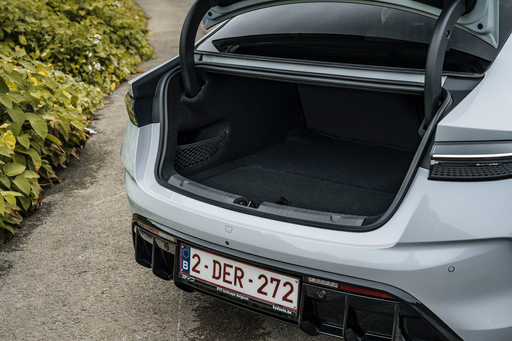
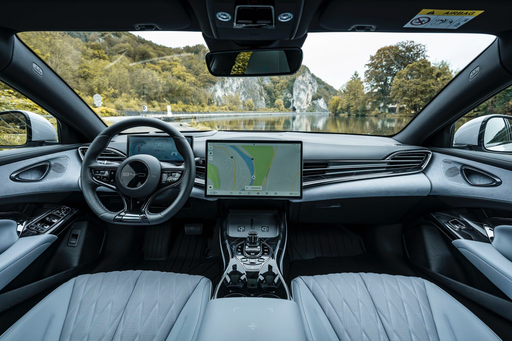
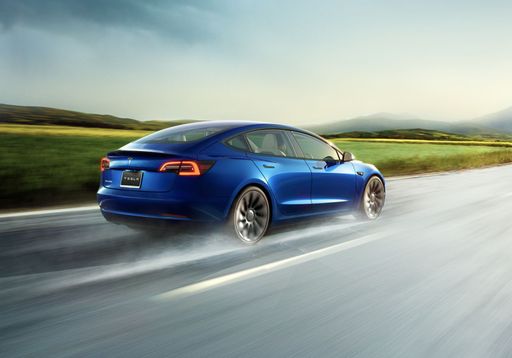
The BYD Seal sports a sleek sedan design with dimensions of 4800 mm in length, 1875 mm in width, and 1460 mm in height, providing ample interior space for occupants. The trunk capacity stands at 400 liters, offering decent storage for most needs.

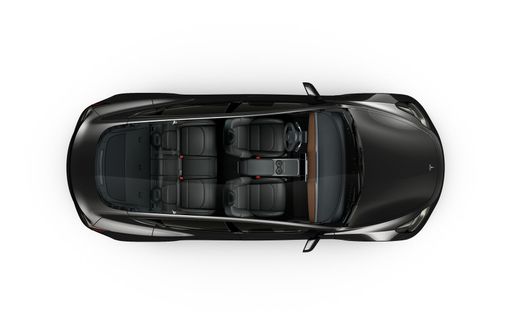
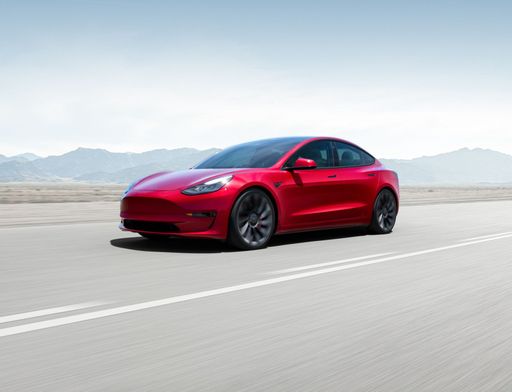
In contrast, the Tesla Model 3 is styled as a hatchback, which provides added practicality with a trunk capacity of 594 liters, suiting families or those requiring additional storage space. It features near-perfect proportions with a blend of elegance and aerodynamic efficiency, measuring up to 4724 mm in length and a consistent width of 1850 mm.

Model 3

Weight and Payload

The curb weight of the BYD Seal ranges from 2055 to 2185 kg, allowing for a payload capacity of up to 446 kg, sufficient for both passengers and cargo. The Tesla Model 3's curb weight is lighter, ranging from 1822 to 1929 kg, accompanied by a payload capacity varying between 303 to 333 kg.

Seal

Conclusion

In this head-to-head comparison, both the BYD Seal and Tesla Model 3 offer compelling arguments for being the electric car of choice. The Seal impresses with its spacious interior and robust performance at competitive pricing, while the Model 3 continues to captivate with its extensive range, high efficiency, and innovative technology. Ultimately, potential buyers will have to determine which factors – be it range, performance, or practicality – are more crucial to their needs. Regardless of choice, both models reinforce the exciting growth and potential within the electric vehicle market.

Here’s where it gets real: The technical differences in detail

Model 3

Costs and Efficiency:

Price and efficiency are key factors when choosing a car – and this is often where the real differences emerge.

Tesla Model 3 is markedly cheaper – starting at 31,700 £ , while the BYD Seal costs 40,300 £ . That’s a price difference of around 8,572 £.

In terms of energy consumption, the Tesla Model 3 is slightly more efficient: consuming 13 kWh/100km compared to 15.4 kWh/100km for the BYD Seal. That’s a difference of about 2.4 kWh/100km.

As for electric range, the Tesla Model 3 offers visibly more range – reaching up to 750 km, about 180 km more than the BYD Seal.

Seal

Engine and Performance:

Power, torque and acceleration say a lot about how a car feels on the road. This is where you see which model delivers more driving dynamics.

When it comes to engine power, the BYD Seal offers slightly more power – delivering 530 HP compared to 460 HP. That’s roughly 70 HP more horsepower.

When accelerating from 0 to 100 km/h, the Tesla Model 3 is visibly quicker – completing the sprint in 3.1 s, while the BYD Seal takes 3.8 s. That’s about 0.7 s quicker.

Looking at top speed, the Tesla Model 3 is clearly faster – reaching 262 km/h, while the BYD Seal tops out at 180 km/h. The difference is around 82 km/h.

There’s also a difference in torque: the BYD Seal delivers very slightly more torque with 670 Nm compared to 660 Nm. That’s about 10 Nm more.

Model 3

Space and Everyday Use:

Whether family car or daily driver – which one offers more room, flexibility and comfort?

Both vehicles offer seating for 5 people.

In terms of curb weight, Tesla Model 3 is very slightly lighter – 1,772 kg compared to 1,907 kg. The difference is around 135 kg.

Looking at boot space, the Tesla Model 3 offers visibly more boot space – 594 L compared to 400 L. That’s a difference of about 194 L.

When it comes to payload, the BYD Seal carries visibly more – 473 kg compared to 377 kg. That’s a difference of about 96 kg.

Who wins the race in the data check?

The Tesla Model 3 holds a decisive overall lead in the objective data comparison.
This result only shows which model scores more points on paper – not which of the two cars feels right for you.

from £31,700
Model 3

Tesla Model 3

  • Engine Type : Electric
  • Transmission : Automatic
  • Drive Type : All-Wheel Drive, Rear-Wheel Drive
  • Power HP : 283 - 460 HP
  • Consumption kWh/100km : 13 - 16.7 kWh/100km
  • Electric Range : 534 - 750 km
Tesla Model 3
BYD Seal

Costs and Consumption

View detailed analysis

Engine and Performance

View detailed analysis

Dimensions and Body

View detailed analysis

Tesla Model 3

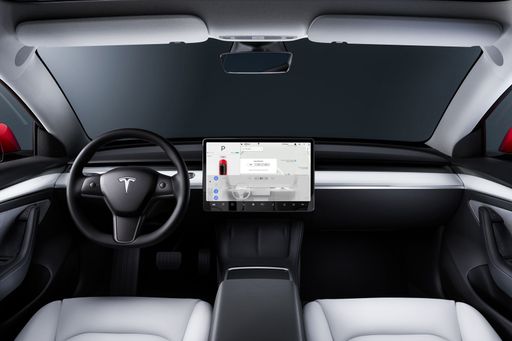
The Tesla Model 3 slices through daily commuting with a silent, confident shove that makes petrolheads reassess their life choices, while its minimalist cabin feels more like a slick gadget gallery than a traditional car interior. For buyers after a fuss-free, tech-forward electric with plenty of grin factor and low running drama, it’s hard to beat—just don't be surprised when the car updates itself overnight.

details

BYD Seal

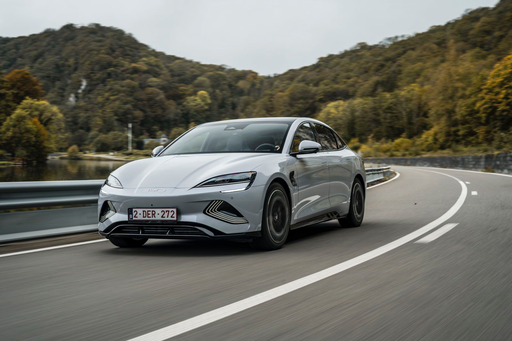
The BYD Seal is a sleek electric fastback that punches above its class with sporty looks and a surprisingly premium cabin, offering a very modern alternative for buyers who want style and substance without the badge snobbery. On the road it feels composed and eager, packed with tech and everyday practicality—ideal for shoppers after eco-friendly performance with a cheeky wink.

details
Tesla Model 3
BYD Seal

Costs and Consumption

Price
31,700 - 50,100 £
Price
40,300 - 45,400 £
Consumption L/100km
-
Consumption L/100km
-
Consumption kWh/100km
13 - 16.7 kWh/100km
Consumption kWh/100km
15.4 - 18.2 kWh/100km
Electric Range
534 - 750 km
Electric Range
460 - 570 km
Battery Capacity
83 kWh
Battery Capacity
-
co2
0 g/km
co2
0 g/km
Fuel tank capacity
-
Fuel tank capacity
-

Dimensions and Body

Body Type
Sedan
Body Type
Sedan
Seats
5
Seats
5
Doors
4
Doors
4
Curb weight
1,772 - 1,929 kg
Curb weight
1,907 - 2,185 kg
Trunk capacity
594 L
Trunk capacity
400 L
Length
4,724 mm
Length
4,800 mm
Width
1,850 mm
Width
1,875 mm
Height
1,431 mm
Height
1,460 mm
Max trunk capacity
-
Max trunk capacity
-
Payload
303 - 377 kg
Payload
446 - 473 kg

Engine and Performance

Engine Type
Electric
Engine Type
Electric
Transmission
Automatic
Transmission
Automatic
Transmission Detail
Reduction Gearbox
Transmission Detail
Reduction Gearbox
Drive Type
All-Wheel Drive, Rear-Wheel Drive
Drive Type
Rear-Wheel Drive, All-Wheel Drive
Power HP
283 - 460 HP
Power HP
231 - 530 HP
Acceleration 0-100km/h
3.1 - 6.2 s
Acceleration 0-100km/h
3.8 - 7.5 s
Max Speed
262 km/h
Max Speed
180 km/h
Torque
420 - 660 Nm
Torque
360 - 670 Nm
Number of Cylinders
-
Number of Cylinders
-
Power kW
208 - 338 kW
Power kW
170 - 390 kW
Engine capacity
-
Engine capacity
-

General

Model Year
2025
Model Year
2,023 - 2,025
CO2 Efficiency Class
A
CO2 Efficiency Class
A
Brand
Tesla
Brand
BYD
DriveDuel uses data analysis and artificial intelligence to evaluate vehicle data and create content. Content is regularly reviewed and improved. The displayed prices are estimates based on German list prices, adjusted to the respective country’s VAT. Country-specific registration taxes are not included. This information is not legally binding.