VS

Tesla Model Y vs Mercedes EQA comparison

Compare performance (460 HP vs 228 HP), boot space and price (34,300 £ vs 45,900 £ ) at a glance. Find out which car is the better choice for you – Tesla Model Y or Mercedes EQA?

Tesla Model Y vs Mercedes EQA: Key differences

Tesla Model Y

4.5 (8 Reviews)
rate
  • markedly cheaper
  • substantially more power
  • noticeably more efficient
  • visibly more electric range
  • considerably quicker 0–100 km/h
  • very slightly lighter
  • clearly more trunk space
details

Mercedes EQA

5 (1 Reviews)
rate
details

All details on performance, efficiency, range and trunk space can be found in the technical comparison below – including user reviews for both models.

By Achim Sedelmaier

Model Y

Introduction: A New Era of Electric SUVs

The electric vehicle market continues to heat up as leading brands push the boundaries of technology and design. Among the frontrunners, the Mercedes EQA and Tesla Model Y stand out. This article delves into a detailed comparison of these two electric SUVs, focusing on technical specifications, innovations, and overall performance to help potential buyers make an informed decision.
EQA

Design and Dimensions: Striking Looks Meets Practicality

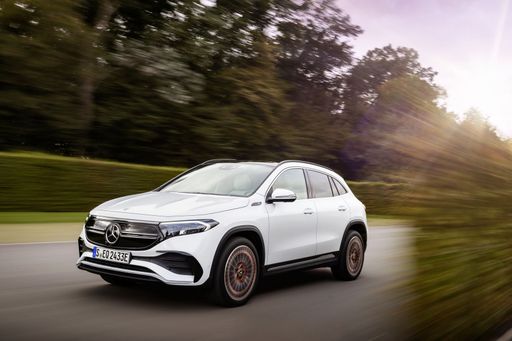
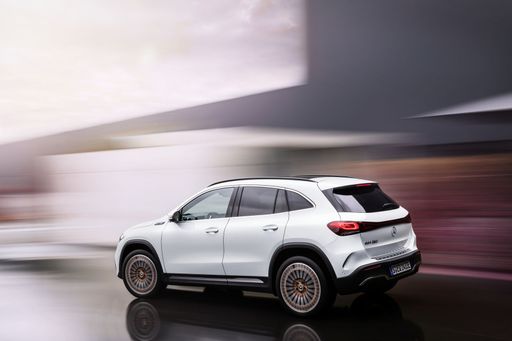
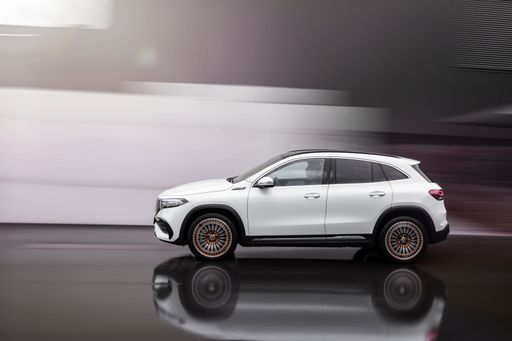
The Mercedes EQA exudes elegance with its sleek design, measuring 4,463 mm in length, 1,834 mm in width, and 1,612 mm in height. It offers a minimalist yet luxurious interior, reflecting the premium nature of the Mercedes-Benz brand.

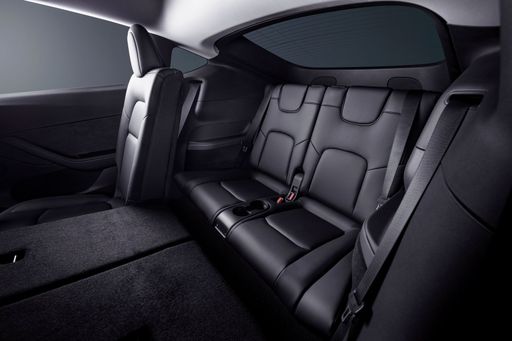
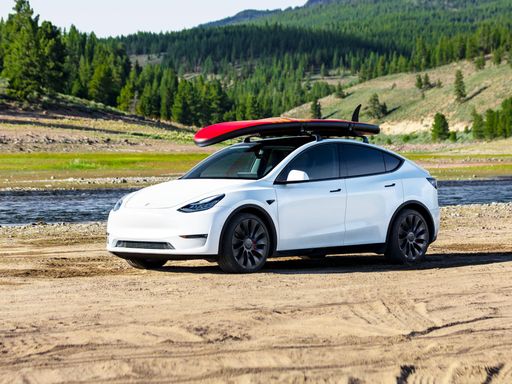
On the other hand, the Tesla Model Y has a more utilitarian aesthetic, boasting a larger frame at 4,751 mm long, 1,921 mm wide, and 1,624 mm high. Its spacious interior can accommodate up to seven passengers, making it a more family-friendly option. Both SUVs feature five doors and a focus on aerodynamics to improve efficiency.

Model Y

Powertrain and Performance: Unleashing Electric Potential

The EQA offers multiple powertrains, ranging from 190 HP to 292 HP. It has a consistent acceleration, going from 0 to 100 km/h in as little as 6 seconds, depending on the variant. The EQA supports both Front-Wheel Drive and All-Wheel Drive, with a maximum torque of up to 520 Nm.

In comparison, the Tesla Model Y showcases impressive power outputs ranging from 299 HP to a staggering 534 HP in the performance model. Acceleration is notably quicker, with the high-end variant achieving 0 to 100 km/h in just 3.7 seconds. Like the EQA, the Model Y is available in both Rear-Wheel Drive and All-Wheel Drive configurations, delivering a maximum torque reaching up to 660 Nm.

EQA

Electric Range and Efficiency: Going the Distance

When it comes to electric range, the EQA boasts impressive figures, with the maximum range reaching up to 561 km on a single charge with its 70.5 kWh battery. Its energy consumption sits between 14.4 and 16.9 kWh/100km, making it a competitive option for those prioritizing efficiency.

The Model Y takes it a step further with maximum ranges reaching up to 600 km, thanks to its larger battery options, such as the 79 kWh version. Its energy consumption rates between 14.9 and 17.3 kWh/100km provide a balance between performance and efficiency.

Model Y

Interior and Technology: Innovations at Your Fingertips

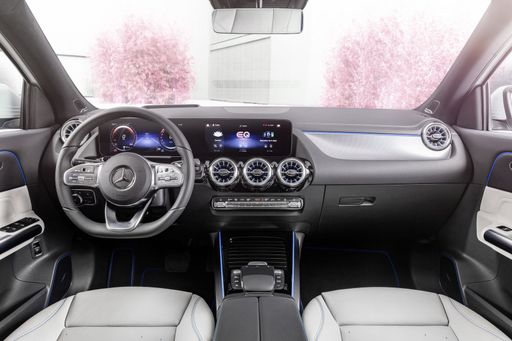
Inside the EQA, Mercedes maintains its signature high-quality finishes and technological integration, highlighted by a dual-screen setup that provides easy access to infotainment and vehicle settings. The MBUX system is intuitive, ensuring a seamless user experience with voice control capabilities.

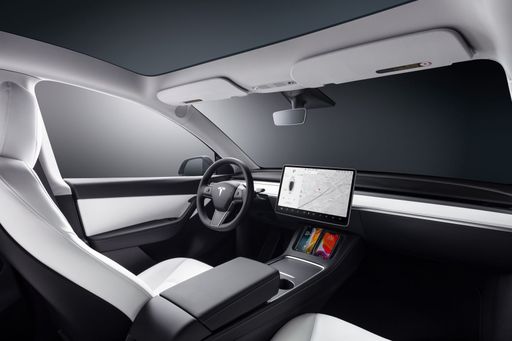
Tesla’s Model Y is renowned for its minimalist dashboard and massive 15-inch touchscreen interface, centralizing almost all controls. This user-friendly design ensures immediate access to navigation, entertainment, and vehicle settings. Tesla's over-the-air updates keep the system fresh with the latest features, and its advanced Autopilot capabilities come standard, adding a layer of safety and convenience.

EQA

Safety Features: Protecting What Matters Most

Both vehicles are equipped with advanced safety features, earning them high ratings in crash tests. The EQA includes Mercedes' extensive suite of driver-assistance technologies such as Active Brake Assist, Attention Assist, and blind-spot monitoring. Meanwhile, Tesla’s Model Y boasts the impressive Full Self-Driving package, offering features like lane-keeping assist, adaptive cruise control, and emergency braking.

Model Y

Conclusion: The Future of Electric Mobility

In the battle between the Mercedes EQA and Tesla Model Y, the choice ultimately boils down to personal preference and priorities. The EQA dazzles with its luxurious approach and tech-forward interior, while the Model Y steals the spotlight with superior performance and range. As electric mobility continues to evolve, both vehicles are poised to make a significant impact on the road ahead.

Here’s where it gets real: The technical differences in detail

Model Y

Costs and Efficiency:

Price and efficiency are key factors when choosing a car – and this is often where the real differences emerge.

Tesla Model Y is markedly cheaper – starting at 34,300 £ , while the Mercedes EQA costs 45,900 £ . That’s a price difference of around 11,597 £.

In terms of energy consumption, the Tesla Model Y is noticeably more efficient: consuming 13.1 kWh/100km compared to 16.9 kWh/100km for the Mercedes EQA. That’s a difference of about 3.8 kWh/100km.

As for electric range, the Tesla Model Y offers visibly more range – reaching up to 622 km, about 146 km more than the Mercedes EQA.

EQA

Engine and Performance:

Power, torque and acceleration say a lot about how a car feels on the road. This is where you see which model delivers more driving dynamics.

When it comes to engine power, the Tesla Model Y offers substantially more power – delivering 460 HP compared to 228 HP. That’s roughly 232 HP more horsepower.

When accelerating from 0 to 100 km/h, the Tesla Model Y is considerably quicker – completing the sprint in 3.5 s, while the Mercedes EQA takes 7.7 s. That’s about 4.2 s quicker.

There’s also a difference in torque: the Tesla Model Y delivers considerably more torque with 660 Nm compared to 390 Nm. That’s about 270 Nm more.

Model Y

Space and Everyday Use:

Whether family car or daily driver – which one offers more room, flexibility and comfort?

Seats: Tesla Model Y offers more seats – 7 vs 5.

In terms of curb weight, Tesla Model Y is very slightly lighter – 1,976 kg compared to 2,115 kg. The difference is around 139 kg.

Looking at boot space, the Tesla Model Y offers clearly more boot space – 836 L compared to 340 L. That’s a difference of about 496 L.

When it comes to payload, the Tesla Model Y carries only slightly more – 472 kg compared to 425 kg. That’s a difference of about 47 kg.

Who wins the race in the data check?

The Tesla Model Y holds a decisive overall lead in the objective data comparison.
This result only shows which model scores more points on paper – not which of the two cars feels right for you.

from £34,300
Model Y

Tesla Model Y

  • Engine Type Electric
  • Transmission Automatic
  • Drive Type All-Wheel Drive, Rear-Wheel Drive
  • Power HP 299 - 460 HP
  • Consumption kWh/100km 13.1 - 16.2 kWh/100km
  • Electric Range 534 - 622 km
Tesla Model Y
Mercedes EQA

Costs and Consumption

View detailed analysis

Engine and Performance

View detailed analysis

Dimensions and Body

View detailed analysis

Tesla Model Y

The Tesla Model Y is a compact electric SUV that pairs practical interior space with a minimalist, tech-forward cabin that feels modern and airy. Its confident electric performance and suite of driver-assist features make everyday driving effortless, and regular software updates help the car stay fresh over time.

details

Mercedes EQA

The Mercedes EQA slips into the electric crossover ranks with the brand’s familiar luxury polish, offering a quiet, fuss-free drive that feels perfectly at home in the city or on a country escape. Inside it’s neatly finished and tech-forward, projecting grown-up refinement even if it plays things a bit safe for anyone chasing outright excitement.

details
Tesla Model Y
Mercedes EQA

Costs and Consumption

Price
34,300 - 53,100 £
Price
45,900 - 54,900 £
Consumption L/100km
-
Consumption L/100km
-
Consumption kWh/100km
13.1 - 16.2 kWh/100km
Consumption kWh/100km
16.9 kWh/100km
Electric Range
534 - 622 km
Electric Range
476 km
Battery Capacity
-
Battery Capacity
-
co2
0 g/km
co2
0 g/km
Fuel tank capacity
-
Fuel tank capacity
-

Dimensions and Body

Body Type
SUV
Body Type
SUV
Seats
5 - 7
Seats
5
Doors
-
Doors
-
Curb weight
1,976 - 2,108 kg
Curb weight
2,115 kg
Trunk capacity
822 - 836 L
Trunk capacity
340 L
Length
-
Length
-
Width
1,920 mm
Width
1,834 mm
Height
-
Height
-
Max trunk capacity
-
Max trunk capacity
-
Payload
435 - 472 kg
Payload
425 kg

Engine and Performance

Engine Type
Electric
Engine Type
Electric
Transmission
Automatic
Transmission
Automatic
Transmission Detail
Reduction Gearbox
Transmission Detail
Reduction Gearbox
Drive Type
All-Wheel Drive, Rear-Wheel Drive
Drive Type
All-Wheel Drive
Power HP
299 - 460 HP
Power HP
228 HP
Acceleration 0-100km/h
3.5 - 7.2 s
Acceleration 0-100km/h
7.7 s
Max Speed
-
Max Speed
-
Torque
420 - 660 Nm
Torque
390 Nm
Number of Cylinders
-
Number of Cylinders
-
Power kW
220 - 338 kW
Power kW
168 kW
Engine capacity
-
Engine capacity
-

General

Model Year
2,025 - 2,026
Model Year
2025
CO2 Efficiency Class
A
CO2 Efficiency Class
A
Brand
Tesla
Brand
Mercedes-Benz
DriveDuel uses data analysis and artificial intelligence to evaluate vehicle data and create content. Content is regularly reviewed and improved. The displayed prices are estimates based on German list prices, adjusted to the respective country’s VAT. Country-specific registration taxes are not included. This information is not legally binding.