VS

Tesla Model Y vs Mercedes GLB comparison

Compare performance (460 HP vs 354 HP), boot space and price (34,300 £ vs 43,200 £ ) at a glance. Find out which car is the better choice for you – Tesla Model Y or Mercedes GLB?

Tesla Model Y vs Mercedes GLB: Key differences

Tesla Model Y

4.5 (7 Reviews)
rate
  • noticeably cheaper
  • visibly more power
  • a bit more efficient
  • considerably quicker 0–100 km/h
  • markedly more trunk space
details

Mercedes GLB

3.6 (4 Reviews)
rate
  • barely more electric range
  • only slightly lighter
details

All details on performance, efficiency, range and trunk space can be found in the technical comparison below – including user reviews for both models.

By Achim Sedelmaier

Model Y

Overview: Mercedes GLB VS Tesla Model Y — two different recipes for family SUV life

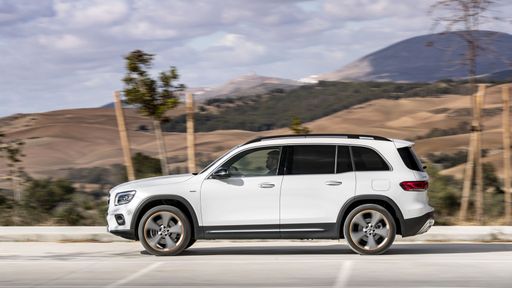
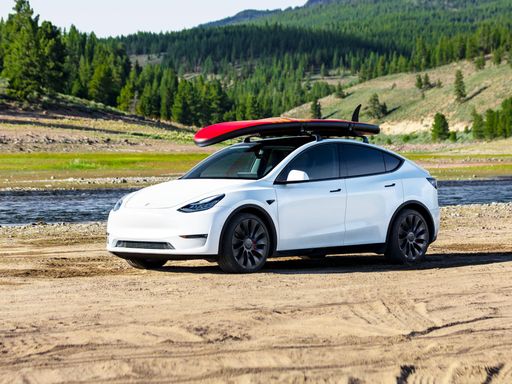
Mercedes GLB VS Tesla Model Y sets up a clear contrast: the GLB arrives as a pragmatic, premium-minded compact SUV that can be optioned into a real seven-seater and tow when needed, while the Model Y sells a high-tech, efficiency-first package with staggering usable cargo space and a strong charging ecosystem. The GLB leans on traditional Mercedes virtues—visibility, flexible seating layouts and a composed ride—whereas the Model Y trades some tactile niceties for minimalist simplicity, software polish and lower running costs. Both aim at families and long-distance drivers, but they reach that goal via different pathways: the GLB by packing features and utility into a premium shell, the Model Y by maximizing space, efficiency and connected services. Those differences set the tone for the practical trade-offs buyers will live with every day.
GLB

Cabin feel and controls: tactile Mercedes versus minimalist Tesla

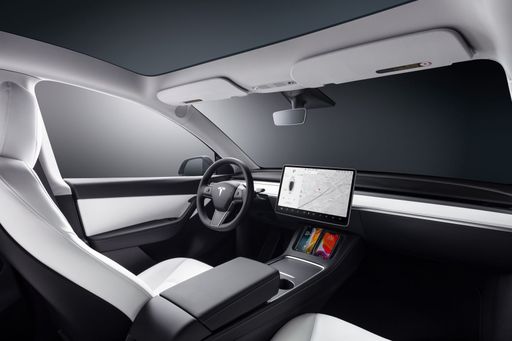
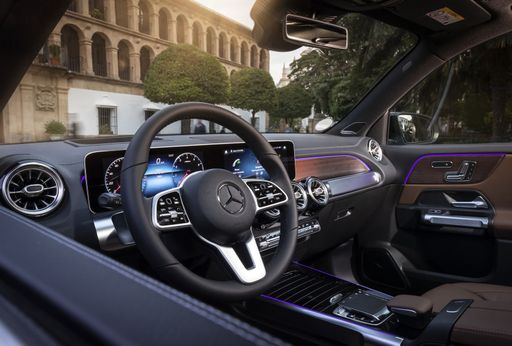
The Mercedes GLB feels like a modern premium interior that occasionally disappoints on material touchpoints; plastics appear where you expect softer finishes, and many functions are routed through screens and voice control. The Tesla Model Y doubles down on minimalism—its single large screen and sparse button layout create a clean, uncluttered space that some buyers love and others find cold or less intuitive for routine tasks. If you prize physical switches and a stronger sense of traditional luxury, the GLB will feel more familiar despite some cost-saving surfaces; if you value a distraction-free, high-tech cockpit and frequent software improvements, the Model Y will feel fresher and more future-proof. Both cars force a compromise between haptics and digital convenience, but the GLB keeps a slightly more conventional premium character while the Model Y prioritizes function and software above tactile flair.

Model Y

Practicality and packaging: who carries what and who sits where

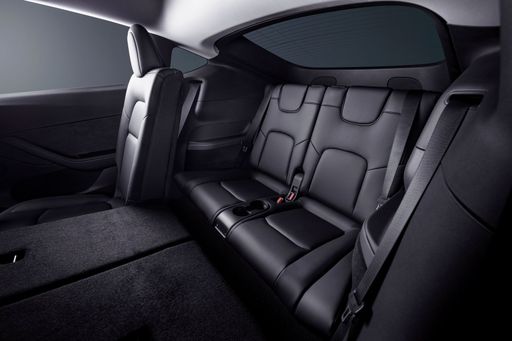
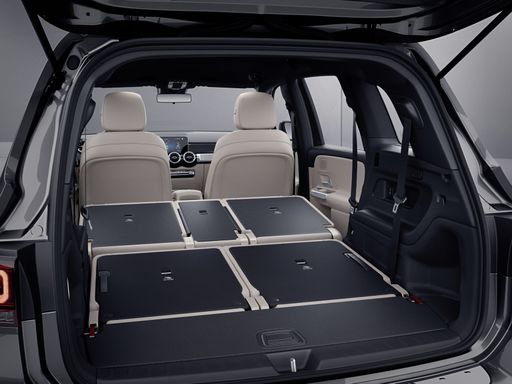
Practicality is where the split is most tangible: the GLB offers the unique advantage of an optional third row that genuinely suits children and occasional extra passengers, plus practical entry and Isofix points that families will appreciate. The Model Y, by contrast, wins on outright cargo usability—the wide, deep boot, flat load floor and clever frunk make it easier to move bulky items and luggage without fiddly folding. If your priority is regularly ferrying six or seven people, the GLB’s layout and door openings make it the more accommodating choice; if you mostly haul gear, strollers, or need a cavernous luggage area for long trips, the Model Y’s packaging is harder to beat. In short: choose the GLB if passenger flexibility (and towing potential) matters, choose the Model Y if volumetric cargo space and everyday loading convenience are top of the list.

GLB

Comfort and long-distance behavior: quiet cruising versus efficient cruising

On the motorway both cars settle into long-distance work, but they get there differently: the GLB delivers a composed, quiet ride with a suspension tune that favours calm over sport, making it especially comfortable for passengers on long runs. The Model Y has become significantly quieter and more refined in recent updates, and it pairs that with superior real-world efficiency and an integrated charging network that simplifies long trips. Drivers who want the plush, Mercedes-like glide and the reassurance of a traditional premium set-up will prefer the GLB’s civility; drivers who prioritise lower energy use, predictable charging stops and a bit more rear-seat room will find the Model Y better suited to heavy motorway duty. Both are capable on long hauls, but the GLB leans toward comfort-first cruising while the Model Y leans toward efficiency-first touring with strong software-backed trip planning.

Model Y

City manners and daily usability: visibility and nimbleness versus tech convenience

In urban life the GLB’s upright, more conventional body and good sightlines make parking and low-speed manoeuvres less stressful, and its steering and visibility reward careful driving in tight spaces. The Model Y compensates for a larger turning circle and limited rear visibility with cameras, sensors and one-pedal driving that simplify daily commutes and reduce charging-related anxieties through smart route planning. If the majority of your miles are city errands, the GLB’s easier low-speed handling and more traditional ergonomics will be less frustrating; if you prefer a tech-forward, low-effort daily routine and are comfortable relying on screens and cameras, the Model Y’s systems and charging convenience make urban ownership smooth. Each car makes city living tolerable in different ways: Mercedes via straightforward driving ergonomics, Tesla via digital assistance and simplified energy management.

GLB

Buyer fit: who should pick the GLB and who should pick the Model Y

If you want a compact SUV that feels recognisably premium, can be configured for seven and still tackle towing or family duties without fuss, the Mercedes GLB is the more natural fit for hands-on families and buyers who value visibility and conventional controls. If your priorities are low running costs, maximum usable interior volume, and a software-driven ownership experience with seamless charging planning, the Tesla Model Y is better matched to high-mileage families and tech-focused buyers. Both claim family-friendly credentials, but the GLB sells versatility and comfort while the Model Y sells space efficiency and software convenience. Read on to the technical comparison to see how those real-world tendencies map onto range, charging behavior, performance and space figures that will decide the fine details of ownership.

Here’s where it gets real: The technical differences in detail

Model Y

Costs and Efficiency:

Price and efficiency are often the first things buyers look at. Here it becomes clear which model has the long-term edge – whether at the pump, the plug, or in purchase price.

Tesla Model Y is noticeably cheaper – starting at 34,300 £ , while the Mercedes GLB costs 43,200 £ . That’s a price difference of around 8,920 £.

In terms of energy consumption, the Tesla Model Y is a bit more efficient: consuming 13.1 kWh/100km compared to 15.4 kWh/100km for the Mercedes GLB. That’s a difference of about 2.3 kWh/100km.

As for electric range, the Mercedes GLB offers barely more range – reaching up to 631 km, about 9 km more than the Tesla Model Y.

GLB

Engine and Performance:

Power, torque and acceleration are the classic benchmarks for car enthusiasts – and here, some clear differences start to show.

When it comes to engine power, the Tesla Model Y offers visibly more power – delivering 460 HP compared to 354 HP. That’s roughly 106 HP more horsepower.

When accelerating from 0 to 100 km/h, the Tesla Model Y is considerably quicker – completing the sprint in 3.5 s, while the Mercedes GLB takes 5.5 s. That’s about 2 s quicker.

There’s also a difference in torque: the Tesla Model Y delivers clearly more torque with 660 Nm compared to 515 Nm. That’s about 145 Nm more.

Model Y

Space and Everyday Use:

Cabin size, boot volume and payload all play a role in everyday practicality. Here, comfort and flexibility make the difference.

Seats: Tesla Model Y offers more seats – 7 vs 5.

In terms of curb weight, Mercedes GLB is only slightly lighter – 1,840 kg compared to 1,976 kg. The difference is around 136 kg.

Looking at boot space, the Tesla Model Y offers markedly more boot space – 836 L compared to 540 L. That’s a difference of about 296 L.

When it comes to payload, the Mercedes GLB carries very slightly more – 505 kg compared to 472 kg. That’s a difference of about 33 kg.

Who wins the race in the data check?

The Tesla Model Y holds a decisive overall lead in the objective data comparison.
This result only shows which model scores more points on paper – not which of the two cars feels right for you.

from £34,300
Model Y

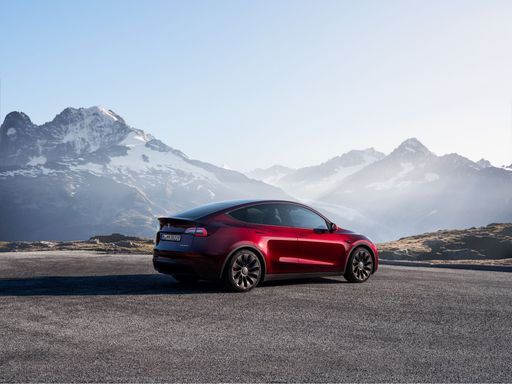
Tesla Model Y

  • Engine Type Electric
  • Transmission Automatic
  • Drive Type All-Wheel Drive, Rear-Wheel Drive
  • Power HP 299 - 460 HP
  • Consumption kWh/100km 13.1 - 16.2 kWh/100km
  • Electric Range 534 - 622 km
Tesla Model Y
Mercedes GLB

Costs and Consumption

View detailed analysis

Engine and Performance

View detailed analysis

Dimensions and Body

View detailed analysis

Tesla Model Y

The Tesla Model Y is a compact electric SUV that pairs practical interior space with a minimalist, tech-forward cabin that feels modern and airy. Its confident electric performance and suite of driver-assist features make everyday driving effortless, and regular software updates help the car stay fresh over time.

details

Mercedes GLB

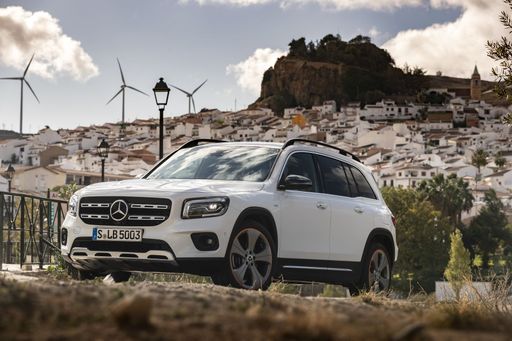
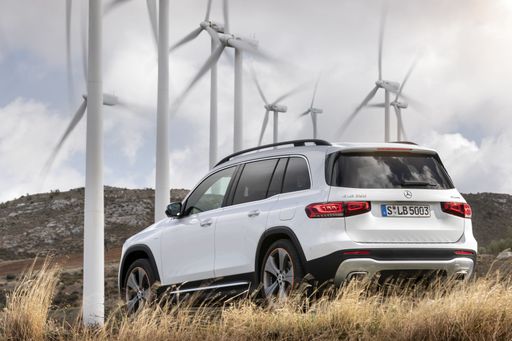
The Mercedes GLB is a compact luxury SUV that blends smart packaging with a polished, composed driving experience. Its flexible interior and premium feel make it a sensible pick for buyers who want Mercedes comfort and practicality in a smaller footprint.

details
Tesla Model Y
Mercedes GLB

Costs and Consumption

Price
34,300 - 53,100 £
Price
43,200 - 62,400 £
Consumption L/100km
-
Consumption L/100km
5.7 - 6.1 L/100km
Consumption kWh/100km
13.1 - 16.2 kWh/100km
Consumption kWh/100km
15.4 - 15.9 kWh/100km
Electric Range
534 - 622 km
Electric Range
431 - 631 km
Battery Capacity
-
Battery Capacity
-
co2
0 g/km
co2
0 - 138 g/km
Fuel tank capacity
-
Fuel tank capacity
-

Dimensions and Body

Body Type
SUV
Body Type
SUV
Seats
5 - 7
Seats
5
Doors
-
Doors
-
Curb weight
1,976 - 2,108 kg
Curb weight
1,840 - 2,280 kg
Trunk capacity
822 - 836 L
Trunk capacity
540 L
Length
-
Length
-
Width
1,920 mm
Width
1,861 mm
Height
-
Height
-
Max trunk capacity
-
Max trunk capacity
-
Payload
435 - 472 kg
Payload
485 - 505 kg

Engine and Performance

Engine Type
Electric
Engine Type
Electric, Full Hybrid
Transmission
Automatic
Transmission
Automatic
Transmission Detail
Reduction Gearbox
Transmission Detail
Reduction Gearbox
Drive Type
All-Wheel Drive, Rear-Wheel Drive
Drive Type
Rear-Wheel Drive, All-Wheel Drive
Power HP
299 - 460 HP
Power HP
156 - 354 HP
Acceleration 0-100km/h
3.5 - 7.2 s
Acceleration 0-100km/h
5.5 - 9.7 s
Max Speed
-
Max Speed
-
Torque
420 - 660 Nm
Torque
280 - 515 Nm
Number of Cylinders
-
Number of Cylinders
4
Power kW
220 - 338 kW
Power kW
115 - 260 kW
Engine capacity
-
Engine capacity
1,499 cm3

General

Model Year
2,025 - 2,026
Model Year
2026
CO2 Efficiency Class
A
CO2 Efficiency Class
A, D, E
Brand
Tesla
Brand
Mercedes-Benz
DriveDuel uses data analysis and artificial intelligence to evaluate vehicle data and create content. Content is regularly reviewed and improved. The displayed prices are estimates based on German list prices, adjusted to the respective country’s VAT. Country-specific registration taxes are not included. This information is not legally binding.