VS

Toyota Aygo vs Fiat 500 comparison

Compare performance (116 HP vs 118 HP), boot space and price (18,800 £ vs 17,100 £ ) at a glance. Find out which car is the better choice for you – Toyota Aygo or Fiat 500?

Toyota Aygo vs Fiat 500: Key differences

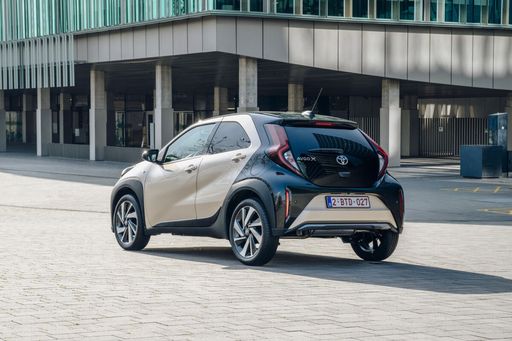
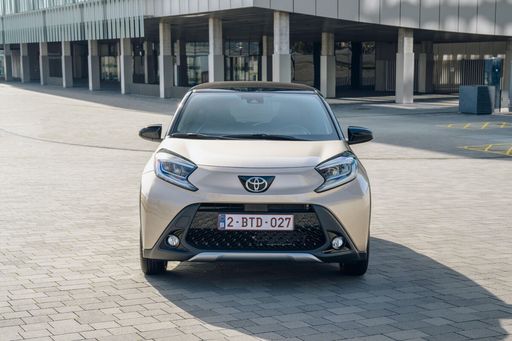
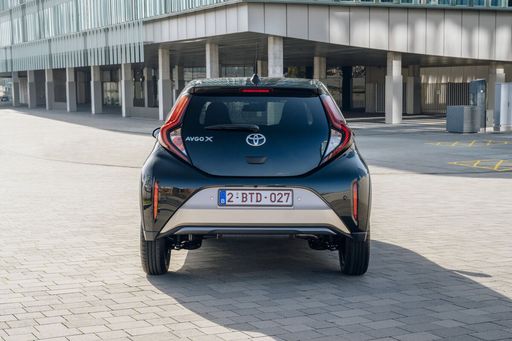
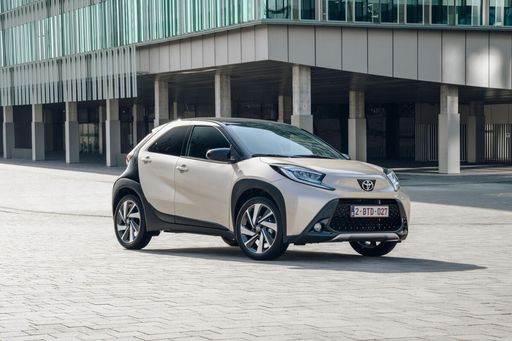
Toyota Aygo

5 (1 Reviews)
rate
  • significantly more efficient
  • marginally lighter
  • slightly more trunk space
details

Fiat 500

3.7 (1 Reviews)
rate
  • somewhat cheaper
  • very slightly more power
  • marginally quicker 0–100 km/h
details

All details on performance, efficiency, range and trunk space can be found in the technical comparison below – including user reviews for both models.

By Achim Sedelmaier

Aygo

Fiat 500 vs. Toyota Aygo: A Clash of Urban Compacts

In the bustling world of urban commuting, compact cars have become a staple for city dwellers seeking efficiency without compromising on style. Two notable contenders in this segment are the Fiat 500 and the Toyota Aygo. While both vehicles share the same purpose of providing a nimble driving experience, their approaches differ significantly. Let’s dive deeper into their specifications, innovations, and overall driving dynamics.
500

Powertrains and Performance

The heart of any car is its engine, and here is where the two models diverge significantly. The Fiat 500 offers a choice of electric powertrains, delivering a punchy performance with options providing up to 118 HP. With impressive torque figures of 220 Nm, the electric variant takes just 9 seconds to race from 0-100 km/h. The electric model also flaunts a commendable range of up to 321 km on a single charge, making it perfect for urban use.

On the other hand, the Toyota Aygo is powered by a 1.0-liter 3-cylinder petrol engine capable of generating 72 HP. It may not carry the same punch as the Fiat, with an acceleration time of around 15.6 seconds from 0-100 km/h, but it compensates with practicality, offering a maximum speed of 158 km/h. Additionally, its fuel consumption rating is impressive, averaging around 4.9 L/100 km, accentuating its efficiency.

Aygo

Dimensions and Practicality

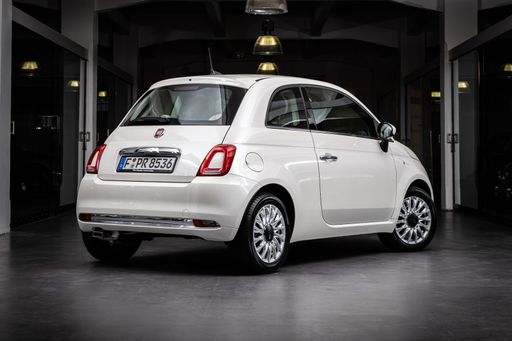
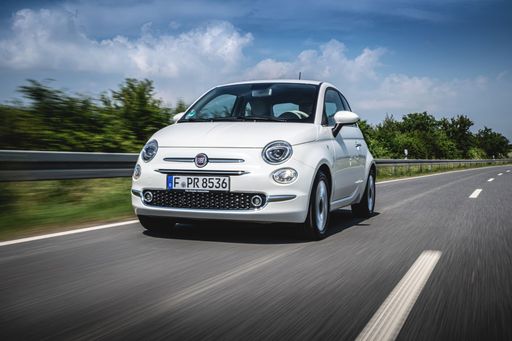
When comparing dimensions, the Toyota Aygo is slightly larger, measuring 3700 mm in length, 1740 mm in width, and standing 1510 mm tall. In contrast, the Fiat 500 is more compact at 3632 mm in length and 1683 mm in width, providing a charming, retro aesthetic.

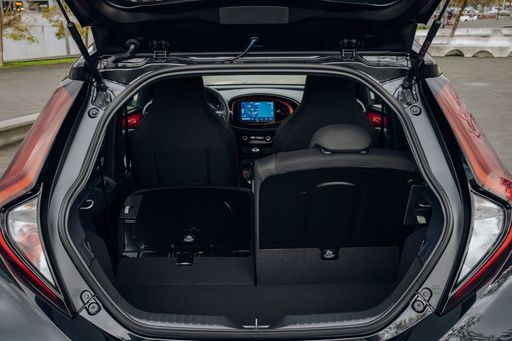
Trunk space is an essential factor for many buyers; here, the Aygo also has the upper hand with 231 L of storage compared to the Fiat’s 185 L. Both vehicles seat four passengers, but the Aygo's larger size means it may offer slightly more legroom, especially for rear passengers.

500

Interior and Features

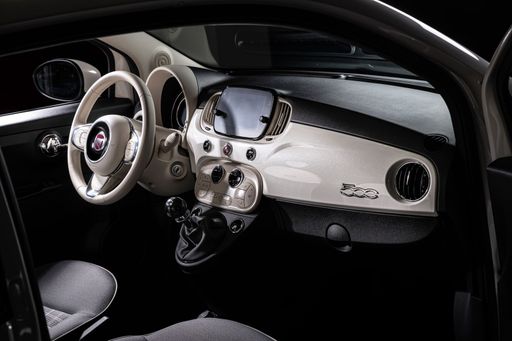
Inside, the Fiat 500 is a stylish amalgamation of modern technology and classic design. The electric variants come equipped with advanced infotainment systems, including smartphone connectivity, which is essential for the tech-savvy urbanite. The interior features quality materials, lending a refined feel to the overall driving experience.

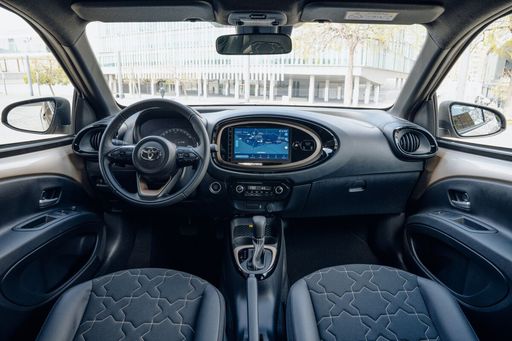
The Toyota Aygo adopts a more functional approach. Its simple dashboard layout and user-friendly controls ensure accessibility while driving. The car also boasts a solid sound system and modern infotainment but lacks some of the snazzy touches found in the Fiat 500.

Aygo

Innovations and Safety

Fiat has embraced innovation with the 500’s electric drivetrain and smart driving aids, including adaptive cruise control and lane-keeping assist, reinforcing its commitment to future mobility. Additionally, its CO2 emission rating of 0 g/km is a significant selling point for eco-conscious consumers.

Meanwhile, the Toyota Aygo also includes safety features such as pre-collision systems and lane departure alerts, but it holds a CO2 efficiency class rating of 'C,' owing to its petrol engine. Toyota's durability and reliability further ensure peace of mind for daily drivers.

500

Conclusion: Which One Should You Choose?

Choosing between the Fiat 500 and the Toyota Aygo ultimately boils down to personal preference and driving needs. If you seek an eco-friendly, stylish vehicle for urban living, the Fiat 500’s electric variants provide a contemporary edge with superior performance. However, if you’re inclined towards practicality, reliability, and slightly more space, the Toyota Aygo appears to be the more functional option. Both cars undoubtedly embody the spirit of city driving, ensuring that whichever you choose, you're in for a rewarding experience on the road.

Here’s where it gets real: The technical differences in detail

Aygo

Costs and Efficiency:

Price and efficiency are key factors when choosing a car – and this is often where the real differences emerge.

Fiat 500 is somewhat cheaper – starting at 17,100 £ , while the Toyota Aygo costs 18,800 £ . That’s a price difference of around 1,714 £.

Fuel consumption also shows a difference: the Toyota Aygo uses 3.7 L/100km and is significantly more efficient than the Fiat 500 with 5.2 L/100km. The difference is about 1.5 L/100km.

500

Engine and Performance:

Power, torque and acceleration say a lot about how a car feels on the road. This is where you see which model delivers more driving dynamics.

When it comes to engine power, the Fiat 500 offers very slightly more power – delivering 118 HP compared to 116 HP. That’s roughly 2 HP more horsepower.

When accelerating from 0 to 100 km/h, the Fiat 500 is marginally quicker – completing the sprint in 9 s, while the Toyota Aygo takes 9.2 s. That’s about 0.2 s quicker.

There’s also a difference in torque: the Fiat 500 delivers clearly more torque with 220 Nm compared to 120 Nm. That’s about 100 Nm more.

Aygo

Space and Everyday Use:

Cabin size, boot volume and payload all play a role in everyday practicality. Here, comfort and flexibility make the difference.

Both vehicles offer seating for 4 people.

In terms of curb weight, Toyota Aygo is marginally lighter – 1,090 kg compared to 1,130 kg. The difference is around 40 kg.

Looking at boot space, the Toyota Aygo offers slightly more boot space – 231 L compared to 185 L. That’s a difference of about 46 L.

When it comes to payload, the Toyota Aygo carries noticeably more – 420 kg compared to 325 kg. That’s a difference of about 95 kg.

Who wins the race in the data check?

The Fiat 500 comes out clearly ahead in the objective data comparison.
This result only shows which model scores more points on paper – not which of the two cars feels right for you.

from £17,100
500

Fiat 500

  • Engine Type : Electric, Petrol MHEV
  • Transmission : Automatic, Manuel
  • Drive Type : Front-Wheel Drive
  • Power HP : 65 - 118 HP
  • Consumption L/100km : 5.2 - 5.3 L/100km
  • Consumption kWh/100km : 13 - 14.7 kWh/100km
  • Electric Range : 190 - 331 km
Toyota Aygo
Fiat 500

Costs and Consumption

View detailed analysis

Engine and Performance

View detailed analysis

Dimensions and Body

View detailed analysis

Toyota Aygo

The Aygo is a cheeky city car that turns congested streets into a playground, with bold styling and sprightly manners that make parking a pleasure rather than a pain. Economical to run and surprisingly well equipped for its size, the Aygo is a smart choice for urban buyers who want personality without a premium price and a car that brings a smile to the daily commute.

details

Fiat 500

The Fiat 500 is a cheeky, retro‑styled city car that turns heads with its iconic looks and playful personality. Perfect for weaving through tight streets and easing into tiny parking spots, it’s aimed at buyers who want style and character more than grand touring prowess.

details
Toyota Aygo
Fiat 500

Costs and Consumption

Price
18,800 - 24,300 £
Price
17,100 - 27,400 £
Consumption L/100km
3.7 L/100km
Consumption L/100km
5.2 - 5.3 L/100km
Consumption kWh/100km
-
Consumption kWh/100km
13 - 14.7 kWh/100km
Electric Range
-
Electric Range
190 - 331 km
Battery Capacity
-
Battery Capacity
-
co2
85 g/km
co2
0 - 121 g/km
Fuel tank capacity
-
Fuel tank capacity
-

Dimensions and Body

Body Type
SUV
Body Type
Hatchback
Seats
4
Seats
4
Doors
-
Doors
-
Curb weight
1,090 kg
Curb weight
1,130 - 1,475 kg
Trunk capacity
231 L
Trunk capacity
183 - 185 L
Length
-
Length
-
Width
1,740 mm
Width
1,683 - 1,684 mm
Height
-
Height
-
Max trunk capacity
-
Max trunk capacity
-
Payload
420 kg
Payload
250 - 325 kg

Engine and Performance

Engine Type
Full Hybrid
Engine Type
Electric, Petrol MHEV
Transmission
Automatic
Transmission
Automatic, Manuel
Transmission Detail
CVT
Transmission Detail
Reduction Gearbox, Manual Gearbox
Drive Type
Front-Wheel Drive
Drive Type
Front-Wheel Drive
Power HP
116 HP
Power HP
65 - 118 HP
Acceleration 0-100km/h
9.2 s
Acceleration 0-100km/h
9 - 16.2 s
Max Speed
-
Max Speed
-
Torque
120 Nm
Torque
92 - 220 Nm
Number of Cylinders
3
Number of Cylinders
3
Power kW
85 kW
Power kW
48 - 87 kW
Engine capacity
1,490 cm3
Engine capacity
999 cm3

General

Model Year
2025
Model Year
2025
CO2 Efficiency Class
B
CO2 Efficiency Class
A, D
Brand
Toyota
Brand
Fiat
DriveDuel uses data analysis and artificial intelligence to evaluate vehicle data and create content. Content is regularly reviewed and improved. The displayed prices are estimates based on German list prices, adjusted to the respective country’s VAT. Country-specific registration taxes are not included. This information is not legally binding.