VS

Toyota C-HR vs BYD Atto 2 comparison

Compare performance (223 HP vs 212 HP), boot space and price (29,100 £ vs 27,400 £ ) at a glance. Find out which car is the better choice for you – Toyota C-HR or BYD Atto 2?

Toyota C-HR vs BYD Atto 2: Key differences

Toyota C-HR

4.9 (6 Reviews)
rate
  • barely more power
  • barely quicker 0–100 km/h
  • very slightly lighter
details

BYD Atto 2

4.8 (5 Reviews)
rate
  • barely cheaper
  • substantially more electric range
  • barely more trunk space
details

All details on performance, efficiency, range and trunk space can be found in the technical comparison below – including user reviews for both models.

By Achim Sedelmaier

C-HR

Overview: Toyota C-HR VS BYD Atto 2 — two different answers to the same city-SUV question

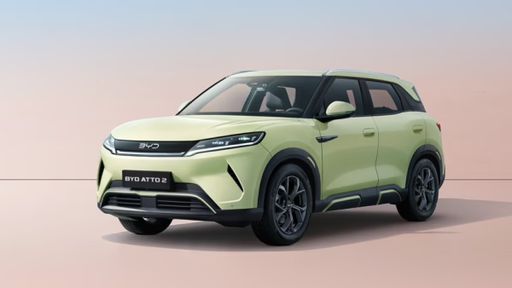
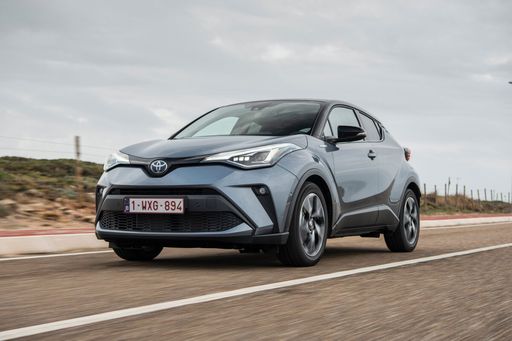
Toyota C-HR VS BYD Atto 2 opens as a clear contrast in fundamentals: the C‑HR is built around hybrid efficiency and a bold, premium-feeling design, while the Atto 2 is an electric, well‑equipped compact SUV that sells on practicality and features. The C‑HR plays to buyers who prize low running costs, a composed ride and a cockpit that feels a step up; the Atto 2 courts customers who want the simplicity and immediacy of EV driving plus generous standard kit. Both target urban and suburban buyers, but they ask you to trade different things — perceived quality and hybrid economy for the C‑HR, outright electric range and equipment for the Atto 2. Read on for how those trade‑offs matter in everyday life rather than on paper figures.
Atto 2

Driving character: composed hybrid poise versus relaxed electric smoothness

The Toyota C‑HR steers with a taut, precise feel that rewards confident inputs and keeps motorway cruising pleasantly steady, while the BYD Atto 2 prefers a softer, more forgiving setup that makes city corners comfortable rather than engaging. The C‑HR’s hybrid drivetrain is whisper‑quiet most of the time but reveals a CVT‑style vocal character under strong acceleration; the Atto 2 delivers instant electric shove and then a serene, linear pull with less mechanical noise, though wind can intrude at speed. If you enjoy sharper turn‑in and a car that feels planted on long runs, the C‑HR leans in that direction; if you want effortless, low‑stress urban progress and immediate EV response, the Atto 2 is the more relaxed companion. Neither is aimed at enthusiastic back‑road drivers, but the C‑HR places greater emphasis on driver feedback while the Atto 2 prioritizes calmness and ease.

C-HR

Cabin comfort and perceived quality: premium front versus roomy rear

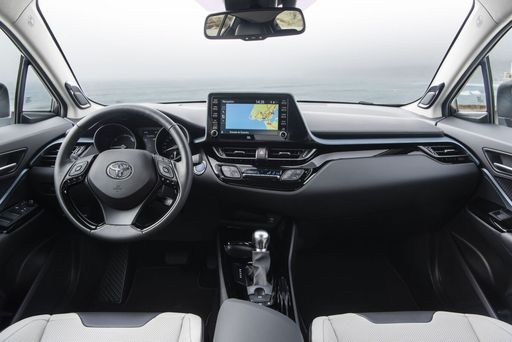
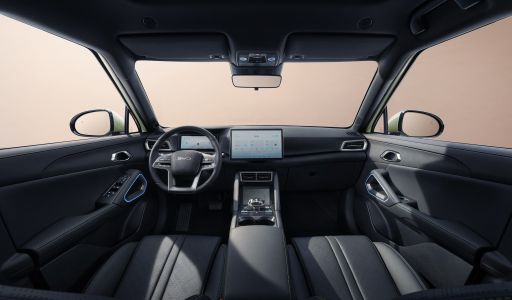
Inside, the Toyota C‑HR gives a more upscale first impression — cleaner graphics, intuitive controls and tactile shortcuts that make the cockpit feel thought‑through — whereas the BYD Atto 2 surprises with solid materials and a well‑executed layout that emphasizes comfort and usable tech. Rear passengers will notice the difference: the Atto 2 offers noticeably more head‑ and leg‑space and a brighter rear cabin, while the C‑HR’s sloping roof and smaller windows make the back seat feel cozier and darker. Seat adjustment, electric comfort kit and feature content swing in BYD’s favour for convenience, but the C‑HR’s front‑row ergonomics and build detail still lean toward perceived refinement. Noise-wise, the Atto 2 is hushed from an electric drivetrain perspective but can show early wind intrusion; the C‑HR is quiet at steady speeds but becomes characterful under heavy throttle.

Atto 2

Practicality and everyday usability: packing, payload and real‑world trunks

For everyday packing the differences become obvious: the Toyota C‑HR carries the penalty of a high load lip and a more awkward, sculpted boot that reduces usable space, and plug‑in variants make that trade‑off more pronounced; the BYD Atto 2 typically offers a squarer, easier‑to‑use luggage area that suits pushchairs and shopping trips better. Be wary of advertised numbers — independent measures often reveal less usable volume than marketing suggests for both cars — so a hands‑on luggage test should be mandatory. BYD’s interior layout and V2L/tech features add day‑to‑day utility, while Toyota’s towing and payload characteristics tend to be more conservative, reinforcing the C‑HR’s role as a two‑up city and commuter car rather than a load‑hauler. In short, the Atto 2 is generally more forgiving for family life and weekend gear, the C‑HR rewards buyers who prioritise style and efficiency over cargo flexibility.

C-HR

City life vs long trips: instant EV ease against hybrid endurance

In urban driving the Atto 2 and C‑HR both excel but in different ways: the BYD’s small turning circle, electric torque and feature set make tight parking and stop‑start traffic effortless, while the Toyota’s hybrid driveline and frugal consumption deliver very low running costs without charging infrastructure. On longer journeys the contrast matters more — the C‑HR stays composed and predictable for highway miles but can become vocally strained under wide open throttle, whereas the Atto 2’s long‑distance suitability depends on the battery you choose, with the smaller pack better suited to short hops and the larger battery making true touring more practical. If your life is mostly city commuting with occasional regional trips, the Atto 2’s EV character and convenience features will impress; if you want continuous range flexibility and the reassurance of hybrid efficiency, the C‑HR will feel more at home. Think through typical trip lengths and charging access before you decide which compromise you can live with day after day.

Buyer fit: who should pick the Toyota C‑HR and who should choose the BYD Atto 2

Choose the Toyota C‑HR if you value hybrid efficiency, a slightly more premium front‑row experience and low running costs for regular commutes or company car considerations, and you can live with a tighter rear seat and a fiddlier boot. Opt for the BYD Atto 2 if you prioritise full electric driving, generous standard equipment, better rear‑seat space and a more forgiving, city‑friendly package — and consider the larger battery option if you plan frequent longer trips. Both cars have sensible strengths for urban buyers, but the C‑HR trends toward the design‑and‑economy buyer while the Atto 2 targets equipment‑and‑range pragmatists. The technical comparison that follows will unpack batteries, emissions, boot practicality and charging behaviour so you can match those concrete figures to the lifestyle choice outlined here.

Here’s where it gets real: The technical differences in detail

C-HR

Costs and Efficiency:

Price and efficiency are key factors when choosing a car – and this is often where the real differences emerge.

BYD Atto 2 is barely cheaper – starting at 27,400 £ , while the Toyota C-HR costs 29,100 £ . That’s a price difference of around 1,714 £.

As for electric range, the BYD Atto 2 offers substantially more range – reaching up to 430 km, about 364 km more than the Toyota C-HR.

Atto 2

Engine and Performance:

Under the bonnet, it becomes clear which model is tuned for sportiness and which one takes the lead when you hit the accelerator.

When it comes to engine power, the Toyota C-HR offers barely more power – delivering 223 HP compared to 212 HP. That’s roughly 11 HP more horsepower.

When accelerating from 0 to 100 km/h, the Toyota C-HR is barely quicker – completing the sprint in 7.4 s, while the BYD Atto 2 takes 7.5 s. That’s about 0.1 s quicker.

C-HR

Space and Everyday Use:

Whether family car or daily driver – which one offers more room, flexibility and comfort?

Both vehicles offer seating for 5 people.

In terms of curb weight, Toyota C-HR is very slightly lighter – 1,505 kg compared to 1,510 kg. The difference is around 5 kg.

Looking at boot space, the BYD Atto 2 offers barely more boot space – 450 L compared to 447 L. That’s a difference of about 3 L.

When it comes to payload, the BYD Atto 2 carries a bit more – 490 kg compared to 425 kg. That’s a difference of about 65 kg.

Who wins the race in the data check?

The BYD Atto 2 is clearly superior overall in the objective data comparison.
This result only shows which model scores more points on paper – not which of the two cars feels right for you.

from £27,400
Atto 2

BYD Atto 2

  • Engine Type : Electric, Plugin Hybrid
  • Transmission : Automatic
  • Drive Type : Front-Wheel Drive
  • Power HP : 166 - 212 HP
  • Consumption kWh/100km : 15.8 - 16 kWh/100km
  • Electric Range : 40 - 430 km
Toyota C-HR
BYD Atto 2

Costs and Consumption

View detailed analysis

Engine and Performance

View detailed analysis

Dimensions and Body

View detailed analysis

Toyota C-HR

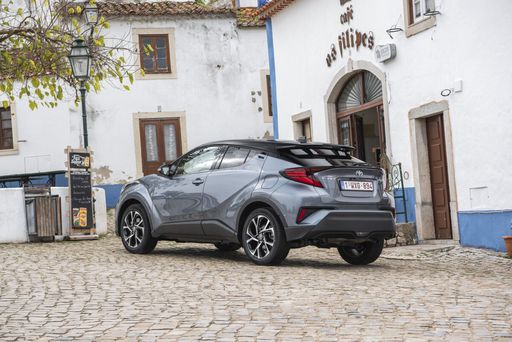
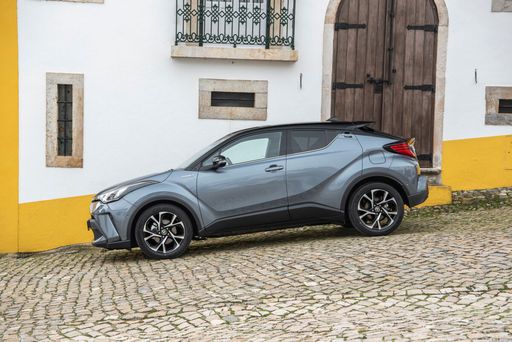
The Toyota C-HR is a bold, coupe-styled crossover that grabs attention with angular lines and a modern interior design. It’s aimed at comfortable urban driving and sensible efficiency, offering practical features and distinctive looks rather than rugged off-road ability.

details

BYD Atto 2

The BYD Atto 2 is a stylish compact electric SUV that blends bold exterior design with a roomy, tech-focused interior, making it well suited to daily driving and urban life. It delivers a comfortable ride and practical features that will appeal to buyers looking for a modern, user-friendly EV.

details
Toyota C-HR
BYD Atto 2

Costs and Consumption

Price
29,100 - 42,800 £
Price
27,400 - 36,000 £
Consumption L/100km
2.3 - 5.1 L/100km
Consumption L/100km
-
Consumption kWh/100km
-
Consumption kWh/100km
15.8 - 16 kWh/100km
Electric Range
66 km
Electric Range
40 - 430 km
Battery Capacity
-
Battery Capacity
-
co2
52 - 116 g/km
co2
0 - 41 g/km
Fuel tank capacity
-
Fuel tank capacity
-

Dimensions and Body

Body Type
SUV
Body Type
SUV
Seats
5
Seats
5
Doors
-
Doors
-
Curb weight
1,505 - 1,755 kg
Curb weight
1,510 - 1,720 kg
Trunk capacity
350 - 447 L
Trunk capacity
400 - 450 L
Length
-
Length
-
Width
1,832 mm
Width
1,830 mm
Height
-
Height
-
Max trunk capacity
-
Max trunk capacity
-
Payload
375 - 425 kg
Payload
260 - 490 kg

Engine and Performance

Engine Type
Full Hybrid, Plugin Hybrid
Engine Type
Electric, Plugin Hybrid
Transmission
Automatic
Transmission
Automatic
Transmission Detail
CVT
Transmission Detail
Reduction Gearbox, Automatic Gearbox
Drive Type
Front-Wheel Drive, All-Wheel Drive
Drive Type
Front-Wheel Drive
Power HP
140 - 223 HP
Power HP
166 - 212 HP
Acceleration 0-100km/h
7.4 - 9.9 s
Acceleration 0-100km/h
7.5 - 9.1 s
Max Speed
-
Max Speed
-
Torque
-
Torque
290 - 310 Nm
Number of Cylinders
4
Number of Cylinders
4
Power kW
103 - 164 kW
Power kW
122 - 156 kW
Engine capacity
1,798 - 1,987 cm3
Engine capacity
1,498 cm3

General

Model Year
2026
Model Year
2,025 - 2,026
CO2 Efficiency Class
C, D, B
CO2 Efficiency Class
A, B
Brand
Toyota
Brand
BYD
DriveDuel uses data analysis and artificial intelligence to evaluate vehicle data and create content. Content is regularly reviewed and improved. The displayed prices are estimates based on German list prices, adjusted to the respective country’s VAT. Country-specific registration taxes are not included. This information is not legally binding.