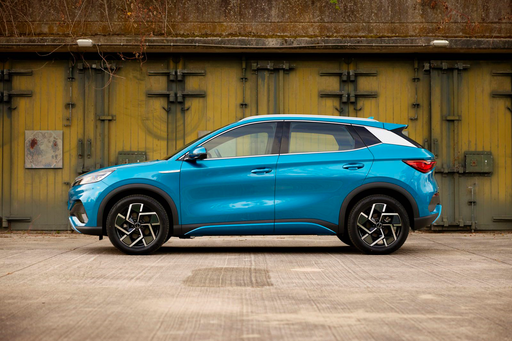
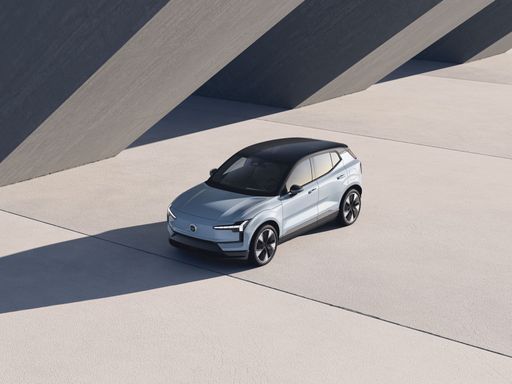
VS

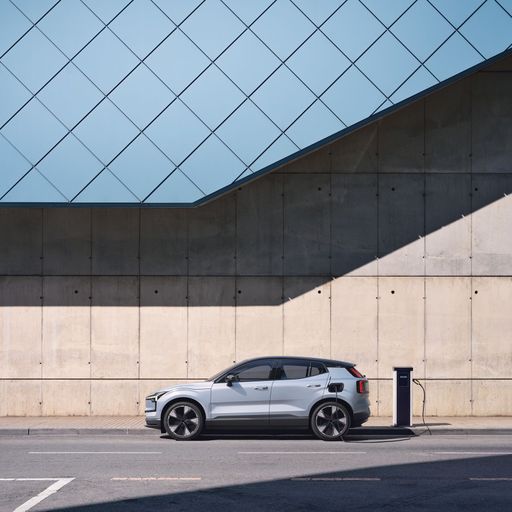
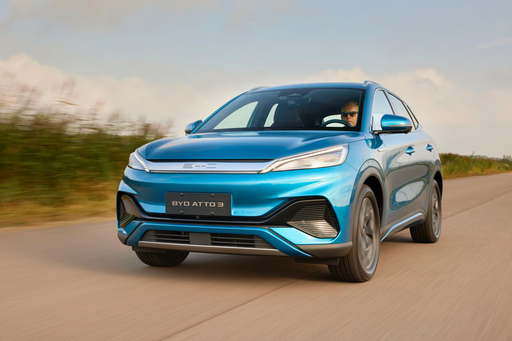
Volvo EX30 vs BYD Atto 3 comparison

Compare performance (428 HP vs 449 HP), boot space and price (33,000 £ vs 33,400 £ ) at a glance. Find out which car is the better choice for you – Volvo EX30 or BYD Atto 3?

Volvo EX30 vs BYD Atto 3: Key differences

Volvo EX30

3.6 (5 Reviews)
rate
  • barely cheaper
  • marginally quicker 0–100 km/h

BYD Atto 3

5 (2 Reviews)
rate
  • barely more power
  • marginally more efficient
  • very slightly more electric range
  • very slightly lighter
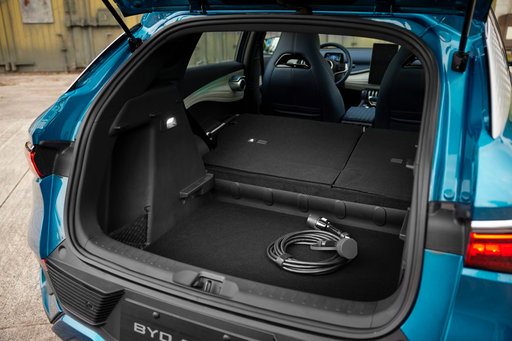
  • markedly more trunk space

All details on performance, efficiency, range and trunk space can be found in the technical comparison below – including user reviews for both models.

EX30

The automotive world is constantly evolving, with electric vehicles (EVs) becoming increasingly popular among car enthusiasts and eco-conscious consumers alike. In this comparison, we pit the BYD Atto 3 against the Volvo EX30, two standout electric SUVs that combine cutting-edge technology with innovative designs. Let’s explore their technical specifications and innovations to see how they measure up.
Atto 3

Power and Performance

Starting with their powertrains, the BYD Atto 3 features a single front-wheel-drive motor producing 204 horsepower and 310 Nm of torque. This setup allows it to accelerate from 0 to 100 km/h in a respectable 7.3 seconds, making it a solid performer for city driving and weekend jaunts.

On the other hand, the Volvo EX30 offers multiple configurations, ranging from 272 to an impressive 428 horsepower. The all-wheel-drive options push its torque figures to a remarkable 543 Nm, allowing the EX30 to achieve 0-100 km/h in as little as 3.6 seconds, showcasing a genuine performance edge in its higher-tier variants.

EX30

Electric Range and Efficiency

In terms of electric range, the BYD Atto 3 shines with a robust performance, offering up to 420 km on a full charge. This makes it an ideal choice for daily commuting and weekend trips. Additionally, its impressive energy consumption rating of 16 kWh/100 km speaks to its overall efficiency.

Conversely, the Volvo EX30 provides varying ranges depending on the battery pack selected, from 339 km to a robust 476 km. While its efficiency peaks at 17 kWh/100 km, the higher-end variants with larger batteries still maintain a respectable range, making the EX30 a versatile option for longer journeys.

Atto 3

Interior and Comfort

Space and comfort are key factors in any SUV. The BYD Atto 3 accommodates up to five occupants with a roomy interior, boasting 440 liters of trunk capacity—sufficient for family outings or road trips. Additionally, its thoughtful design ensures that passengers enjoy ample legroom and headspace, making it beneficial for longer travels.

The Volvo EX30, while a bit smaller in dimensions, emphasizes a premium interior experience. It offers a sleek Scandinavian design, with stylish finishes and high-quality materials. Although the trunk capacity is smaller at 318 liters, the EX30 makes up for it with innovative storage solutions and an overall ergonomic feel that enhances the driving experience.

EX30

Safety and Technology Innovations

Both vehicles have earned high marks for safety and technological advancements. The BYD Atto 3 features a robust suite of advanced driver assistance systems, including collision warning, lane-keeping assist, and a 360-camera setup, ensuring a secure driving experience.

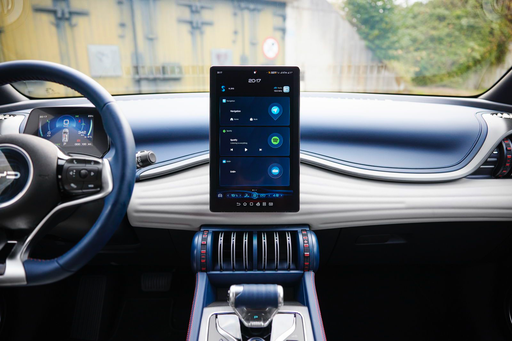
Meanwhile, the Volvo EX30 showcases Volvo's commitment to safety with its intelligent safety systems, including Pilot Assist and an array of active safety features. Furthermore, the integration of cutting-edge technology allows for a fully digital dashboard, providing drivers with real-time data and connectivity options.

Atto 3

Conclusion: Choosing Your Electric SUV

In conclusion, both the BYD Atto 3 and Volvo EX30 present compelling offerings for the electric SUV market, each with its own unique advantages. The Atto 3 stands out with its remarkable range, efficient powertrain, and spacious interior, making it an excellent choice for family use.

On the contrary, the Volvo EX30 pulls ahead in terms of performance and luxurious interior, appealing to those prioritizing a dynamic driving experience alongside sophisticated design. Ultimately, the choice will depend on individual preferences and needs, but both models contribute to a brighter, greener automotive future.

Here’s where it gets real: The technical differences in detail

EX30

Costs and Efficiency:

Price and efficiency are often the first things buyers look at. Here it becomes clear which model has the long-term edge – whether at the pump, the plug, or in purchase price.

Volvo EX30 is barely cheaper – starting at 33,000 £ , while the BYD Atto 3 costs 33,400 £ . That’s a price difference of around 429 £.

In terms of energy consumption, the BYD Atto 3 is marginally more efficient: consuming 16 kWh/100km compared to 17 kWh/100km for the Volvo EX30. That’s a difference of about 1 kWh/100km.

As for electric range, the BYD Atto 3 offers very slightly more range – reaching up to 510 km, about 34 km more than the Volvo EX30.

Atto 3

Engine and Performance:

Under the bonnet, it becomes clear which model is tuned for sportiness and which one takes the lead when you hit the accelerator.

When it comes to engine power, the BYD Atto 3 offers barely more power – delivering 449 HP compared to 428 HP. That’s roughly 21 HP more horsepower.

When accelerating from 0 to 100 km/h, the Volvo EX30 is marginally quicker – completing the sprint in 3.6 s, while the BYD Atto 3 takes 3.9 s. That’s about 0.3 s quicker.

Looking at top speed, the Volvo EX30 is a bit faster – reaching 180 km/h, while the BYD Atto 3 tops out at 160 km/h. The difference is around 20 km/h.

There’s also a difference in torque: the BYD Atto 3 delivers very slightly more torque with 560 Nm compared to 543 Nm. That’s about 17 Nm more.

EX30

Space and Everyday Use:

Whether family car or daily driver – which one offers more room, flexibility and comfort?

Both vehicles offer seating for 5 people.

In terms of curb weight, BYD Atto 3 is very slightly lighter – 1,825 kg compared to 1,840 kg. The difference is around 15 kg.

Looking at boot space, the BYD Atto 3 offers markedly more boot space – 440 L compared to 318 L. That’s a difference of about 122 L.

For maximum load capacity, the BYD Atto 3 offers visibly more capacity – up to 1,338 L, about 338 L more than the Volvo EX30.

When it comes to payload, the Volvo EX30 carries a bit more – 390 kg compared to 335 kg. That’s a difference of about 55 kg.

Who wins the race in the data check?

The BYD Atto 3 holds a solid overall lead in the objective data comparison.
This result only shows which model scores more points on paper – not which of the two cars feels right for you.

from £33,400
Atto 3

BYD Atto 3

  • Engine Type : Electric
  • Transmission : Automatic
  • Drive Type : Front-Wheel Drive, Rear-Wheel Drive, All-Wheel Drive
  • Power HP : 204 - 449 HP
  • Consumption kWh/100km : 16 kWh/100km
  • Electric Range : 420 - 510 km
Volvo EX30
BYD Atto 3

Costs and Consumption

View detailed analysis

Engine and Performance

View detailed analysis

Dimensions and Body

View detailed analysis

Volvo EX30

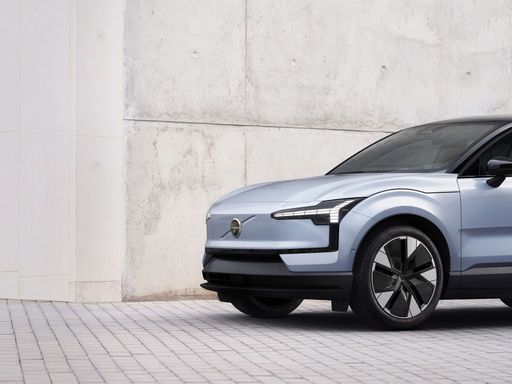
The Volvo EX30 arrives as a compact electric with crisp Scandinavian design and a cheeky personality, proving you can be serious about safety and still enjoy a grin on your commute. Its cabin is cleverly packaged and delightfully easy to live with, offering smart tech and practical touches that make it feel like a grown-up's city car with a sense of fun.

details

BYD Atto 3

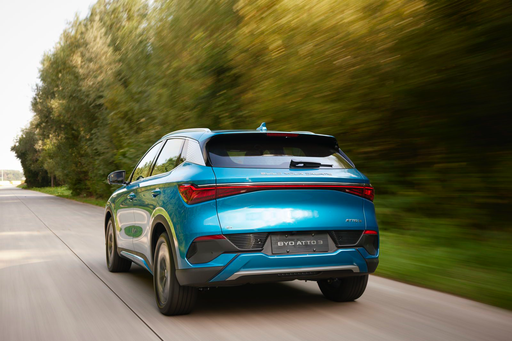
The BYD Atto 3 mixes quirky crossover styling with a cleverly packaged interior that feels more premium than its price suggests. Easy to drive, surprisingly practical and loaded with user-friendly tech, it's a strong choice for buyers who want an EV that's fun without being fussy.

details
Volvo EX30
BYD Atto 3

Costs and Consumption

Price
33,000 - 49,100 £
Price
33,400 - 43,700 £
Consumption L/100km
-
Consumption L/100km
-
Consumption kWh/100km
17 - 18.3 kWh/100km
Consumption kWh/100km
16 kWh/100km
Electric Range
339 - 476 km
Electric Range
420 - 510 km
Battery Capacity
49 - 65 kWh
Battery Capacity
-
co2
0 g/km
co2
0 g/km
Fuel tank capacity
-
Fuel tank capacity
-

Dimensions and Body

Body Type
SUV
Body Type
SUV
Seats
5
Seats
5
Doors
5
Doors
5
Curb weight
1,840 - 1,960 kg
Curb weight
1,825 kg
Trunk capacity
318 L
Trunk capacity
440 L
Length
4,233 mm
Length
4,455 mm
Width
1,838 mm
Width
1,875 mm
Height
1,550 mm
Height
1,615 mm
Max trunk capacity
1,000 L
Max trunk capacity
1,338 L
Payload
370 - 390 kg
Payload
335 kg

Engine and Performance

Engine Type
Electric
Engine Type
Electric
Transmission
Automatic
Transmission
Automatic
Transmission Detail
Reduction Gearbox
Transmission Detail
Reduction Gearbox
Drive Type
Rear-Wheel Drive, All-Wheel Drive
Drive Type
Front-Wheel Drive, Rear-Wheel Drive, All-Wheel Drive
Power HP
272 - 428 HP
Power HP
204 - 449 HP
Acceleration 0-100km/h
3.6 - 5.7 s
Acceleration 0-100km/h
3.9 - 7.3 s
Max Speed
180 km/h
Max Speed
160 km/h
Torque
343 - 543 Nm
Torque
310 - 560 Nm
Number of Cylinders
-
Number of Cylinders
-
Power kW
200 - 315 kW
Power kW
150 - 330 kW
Engine capacity
-
Engine capacity
-

General

Model Year
2,024 - 2,025
Model Year
2,023 - 2,026
CO2 Efficiency Class
A
CO2 Efficiency Class
A
Brand
Volvo
Brand
BYD
DriveDuel uses data analysis and artificial intelligence to evaluate vehicle data and create content. Content is regularly reviewed and improved. The displayed prices are estimates based on German list prices, adjusted to the respective country’s VAT. Country-specific registration taxes are not included. This information is not legally binding.