VS

Volvo EX30 vs Mercedes EQA comparison

Compare performance (428 HP vs 292 HP), boot space and price (33,000 £ vs 44,200 £ ) at a glance. Find out which car is the better choice for you – Volvo EX30 or Mercedes EQA?

Volvo EX30 vs Mercedes EQA: Key differences

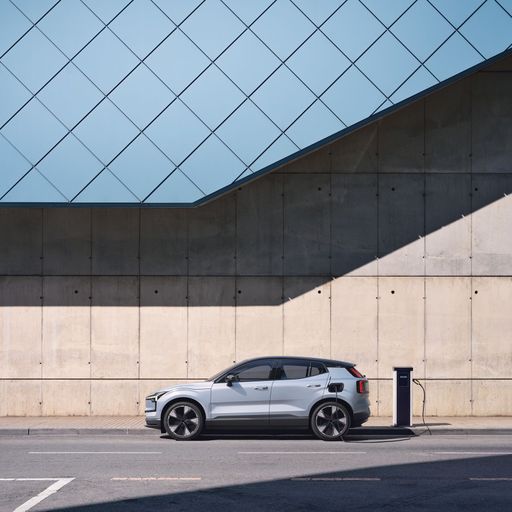
Volvo EX30

3.6 (5 Reviews)
rate
  • noticeably cheaper
  • noticeably more power
  • considerably quicker 0–100 km/h
  • a bit lighter

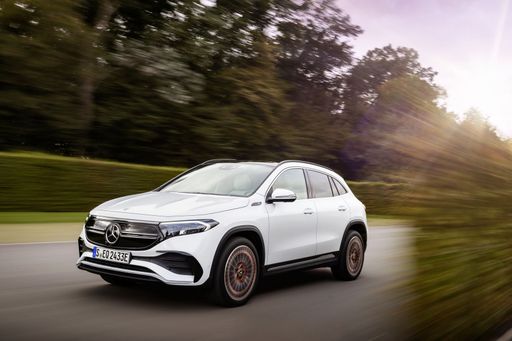
Mercedes EQA

5 (1 Reviews)
rate
  • somewhat more efficient
  • a bit more electric range
  • barely more trunk space

All details on performance, efficiency, range and trunk space can be found in the technical comparison below – including user reviews for both models.

EX30

The electric vehicle market continues to capture attention as more automakers unveil their innovative offerings. Among the new entrants are the Mercedes EQA and the Volvo EX30—two SUVs that promise a blend of performance, luxury, and sustainability. In this article, we will delve into a detailed comparison of these two stunning vehicles, focusing on their technical specifications and the innovations they bring to the table.
EQA

Design and Dimensions

The Mercedes EQA presents a sleek and modern silhouette typical of the brand’s luxurious aesthetic. Measuring 4463 mm in length, 1834 mm in width, and 1612 mm in height, it continues the BMW tradition of understated elegance. The EQA also flaunts a spacious trunk capacity of 340 liters, providing ample room for both luggage and everyday items.

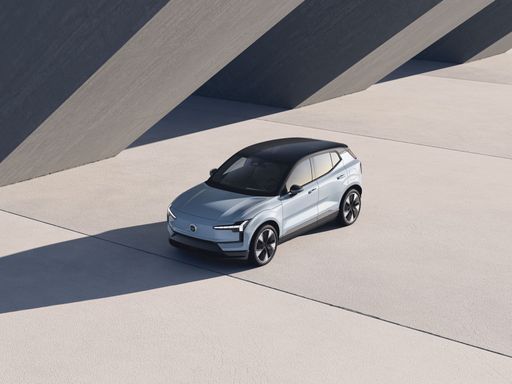
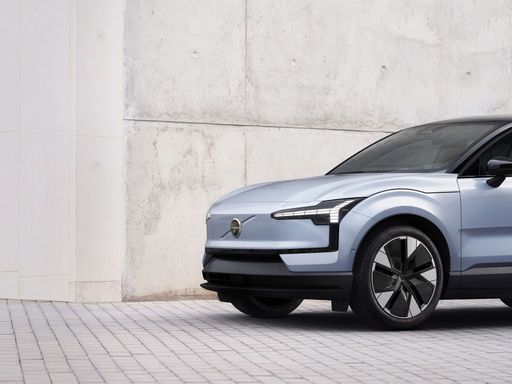
On the other hand, the Volvo EX30 is the compact powerhouse of the two, measuring 4233 mm in length, 1837 mm in width, and a lower height of 1549 mm. Though smaller in dimensions, this height gives the EX30 a sporty yet sturdy presence on the road. The cargo space in the EX30 is slightly less at 318 liters, but it makes up for it with a sporty design and impressive performance metrics.

EX30

Performance and Powertrain

Both models are designed as fully electric vehicles, highlighting the shift towards sustainable driving solutions. The EQA offers a range of power outputs—from 190 HP to an impressive 292 HP—along with front-wheel and all-wheel-drive options. It also boasts remarkable acceleration capabilities, with the fastest variant reaching 0-100 km/h in just 6 seconds. The EQA uses a battery capacity ranging from 66.5 kWh to 70.5 kWh, providing an electric range of up to 561 km, depending on the configuration.

In contrast, the Volvo EX30 is a more powerful competitor. With the ability to generate up to 428 HP, it features rear-wheel and all-wheel-drive options as well. The EX30 accelerates from 0 to 100 km/h in a staggering 3.6 seconds for the performance version. Its battery capacity ranges from 49 kWh to 65 kWh, offering an electric range from 339 km to 476 km. While it has a marginally higher consumption of up to 17.5 kWh/100 km, the exceptional performance may justify the slight decrease in energy efficiency.

EQA

Driving Experience and Comfort

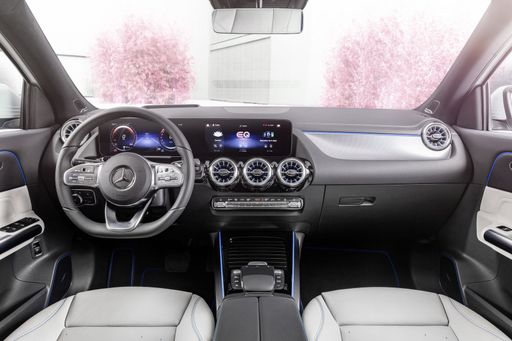
Inside the EQA, you're met with Mercedes-Benz's signature luxury. The cabin is fitted with state-of-the-art technology, making drives more engaging and luxurious. Features like MBUX infotainment, a large digital cockpit, and comprehensive driver assistance systems elevate the driving experience. Comfort is further enhanced with a spacious five-seat layout that prioritizes passenger enjoyment.

The Volvo EX30 presents its own suite of cutting-edge technology, including an intuitive infotainment system that minimizes distractions and maximizes ease of use. The interior is designed with sustainability in mind, utilizing recycled materials that don't compromise on style. Though smaller, it comfortably accommodates five passengers, ensuring that comfort remains a priority.

EX30

Safety and Innovations

Both vehicles echo their manufacturers' commitments to safety and innovation. The Mercedes EQA comes with advanced safety features ranging from active brake assistance to adaptive cruise control, earning top safety ratings in numerous tests. The inclusion of climate control offers additional convenience for all occupants.

Volvo, known for its safety standards, implements a range of features designed to protect passengers and pedestrians alike. The EX30 includes intelligent safety systems that help in accident avoidance and injury reduction. Additionally, both vehicles achieve a CO2 efficiency class of A, reinforcing their eco-friendly credentials.

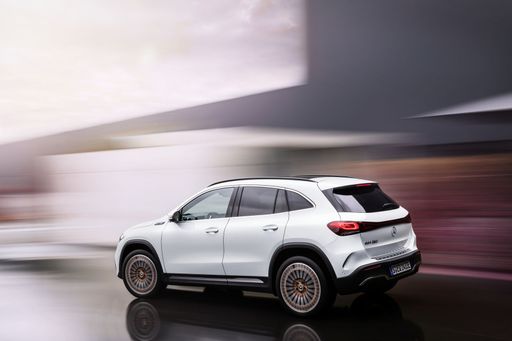
EQA

Conclusion

In the head-to-head comparison of the Mercedes EQA and Volvo EX30, it becomes clear that both vehicles excel in different aspects. The EQA shines with its luxurious aesthetics and long electric range, while the EX30 takes the edge in raw performance and innovative design solutions. Ultimately, the choice between these two remarkable SUVs will come down to individual preferences regarding aesthetics, performance, and brand loyalty. As electric vehicles continue to evolve, the competition will undoubtedly intensify, pushing the boundaries of technology and consumer experience.

Here’s where it gets real: The technical differences in detail

EX30

Costs and Efficiency:

Price and efficiency are often the first things buyers look at. Here it becomes clear which model has the long-term edge – whether at the pump, the plug, or in purchase price.

Volvo EX30 is noticeably cheaper – starting at 33,000 £ , while the Mercedes EQA costs 44,200 £ . That’s a price difference of around 11,246 £.

In terms of energy consumption, the Mercedes EQA is somewhat more efficient: consuming 14.4 kWh/100km compared to 17 kWh/100km for the Volvo EX30. That’s a difference of about 2.6 kWh/100km.

As for electric range, the Mercedes EQA offers a bit more range – reaching up to 561 km, about 85 km more than the Volvo EX30.

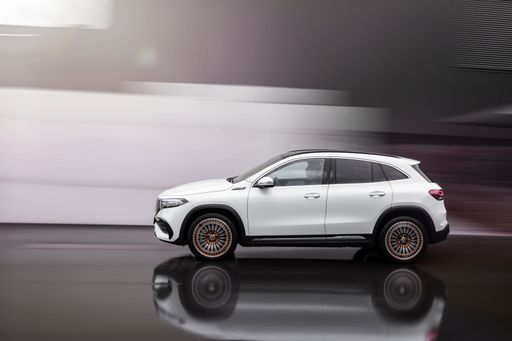
EQA

Engine and Performance:

Power, torque and acceleration say a lot about how a car feels on the road. This is where you see which model delivers more driving dynamics.

When it comes to engine power, the Volvo EX30 offers noticeably more power – delivering 428 HP compared to 292 HP. That’s roughly 136 HP more horsepower.

When accelerating from 0 to 100 km/h, the Volvo EX30 is considerably quicker – completing the sprint in 3.6 s, while the Mercedes EQA takes 6 s. That’s about 2.4 s quicker.

Looking at top speed, the Volvo EX30 is slightly faster – reaching 180 km/h, while the Mercedes EQA tops out at 160 km/h. The difference is around 20 km/h.

There’s also a difference in torque: the Volvo EX30 delivers barely more torque with 543 Nm compared to 520 Nm. That’s about 23 Nm more.

EX30

Space and Everyday Use:

Cabin size, boot volume and payload all play a role in everyday practicality. Here, comfort and flexibility make the difference.

Both vehicles offer seating for 5 people.

In terms of curb weight, Volvo EX30 is a bit lighter – 1,840 kg compared to 2,045 kg. The difference is around 205 kg.

Looking at boot space, the Mercedes EQA offers barely more boot space – 340 L compared to 318 L. That’s a difference of about 22 L.

For maximum load capacity, the Mercedes EQA offers visibly more capacity – up to 1,320 L, about 320 L more than the Volvo EX30.

When it comes to payload, the Mercedes EQA carries very slightly more – 425 kg compared to 390 kg. That’s a difference of about 35 kg.

Who wins the race in the data check?

The Volvo EX30 stands well ahead of its rival in the objective data comparison.
This result only shows which model scores more points on paper – not which of the two cars feels right for you.

from £33,000
EX30

Volvo EX30

  • Engine Type : Electric
  • Transmission : Automatic
  • Drive Type : Rear-Wheel Drive, All-Wheel Drive
  • Power HP : 272 - 428 HP
  • Consumption kWh/100km : 17 - 18.3 kWh/100km
  • Electric Range : 339 - 476 km
Volvo EX30
Mercedes EQA

Costs and Consumption

View detailed analysis

Engine and Performance

View detailed analysis

Dimensions and Body

View detailed analysis

Volvo EX30

The Volvo EX30 arrives as a compact electric with crisp Scandinavian design and a cheeky personality, proving you can be serious about safety and still enjoy a grin on your commute. Its cabin is cleverly packaged and delightfully easy to live with, offering smart tech and practical touches that make it feel like a grown-up's city car with a sense of fun.

details

Mercedes EQA

The Mercedes EQA slips into the electric crossover ranks with the brand’s familiar luxury polish, offering a quiet, fuss-free drive that feels perfectly at home in the city or on a country escape. Inside it’s neatly finished and tech-forward, projecting grown-up refinement even if it plays things a bit safe for anyone chasing outright excitement.

details
Volvo EX30
Mercedes EQA

Costs and Consumption

Price
33,000 - 49,100 £
Price
44,200 - 57,400 £
Consumption L/100km
-
Consumption L/100km
-
Consumption kWh/100km
17 - 18.3 kWh/100km
Consumption kWh/100km
14.4 - 16.9 kWh/100km
Electric Range
339 - 476 km
Electric Range
476 - 561 km
Battery Capacity
49 - 65 kWh
Battery Capacity
70.5 kWh
co2
0 g/km
co2
0 g/km
Fuel tank capacity
-
Fuel tank capacity
-

Dimensions and Body

Body Type
SUV
Body Type
SUV
Seats
5
Seats
5
Doors
5
Doors
5
Curb weight
1,840 - 1,960 kg
Curb weight
2,045 - 2,115 kg
Trunk capacity
318 L
Trunk capacity
340 L
Length
4,233 mm
Length
4,463 mm
Width
1,838 mm
Width
1,834 mm
Height
1,550 mm
Height
1,608 - 1,613 mm
Max trunk capacity
1,000 L
Max trunk capacity
1,320 L
Payload
370 - 390 kg
Payload
425 kg

Engine and Performance

Engine Type
Electric
Engine Type
Electric
Transmission
Automatic
Transmission
Automatic
Transmission Detail
Reduction Gearbox
Transmission Detail
Reduction Gearbox
Drive Type
Rear-Wheel Drive, All-Wheel Drive
Drive Type
Front-Wheel Drive, All-Wheel Drive
Power HP
272 - 428 HP
Power HP
190 - 292 HP
Acceleration 0-100km/h
3.6 - 5.7 s
Acceleration 0-100km/h
6 - 8.6 s
Max Speed
180 km/h
Max Speed
160 km/h
Torque
343 - 543 Nm
Torque
385 - 520 Nm
Number of Cylinders
-
Number of Cylinders
-
Power kW
200 - 315 kW
Power kW
140 - 215 kW
Engine capacity
-
Engine capacity
-

General

Model Year
2,024 - 2,025
Model Year
2,024 - 2,025
CO2 Efficiency Class
A
CO2 Efficiency Class
A
Brand
Volvo
Brand
Mercedes-Benz
DriveDuel uses data analysis and artificial intelligence to evaluate vehicle data and create content. Content is regularly reviewed and improved. The displayed prices are estimates based on German list prices, adjusted to the respective country’s VAT. Country-specific registration taxes are not included. This information is not legally binding.