VS

Volvo XC60 vs BYD Seal U comparison

Compare performance (406 HP vs 324 HP), boot space and price (58,300 £ vs 34,300 £ ) at a glance. Find out which car is the better choice for you – Volvo XC60 or BYD Seal U?

Volvo XC60 vs BYD Seal U: Key differences

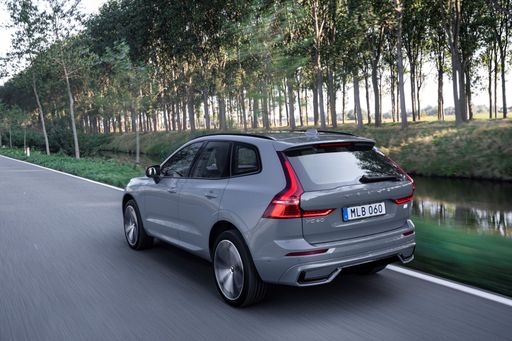
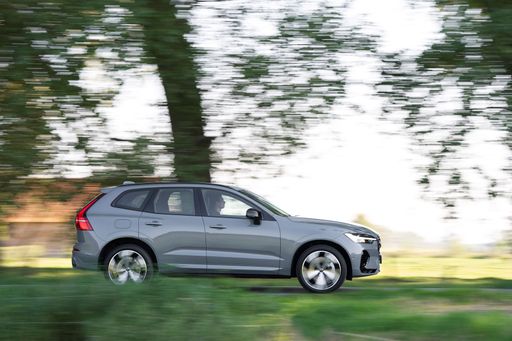
Volvo XC60

4.7 (7 Reviews)
rate
  • noticeably more power
  • clearly quicker 0–100 km/h
details

BYD Seal U

4.1 (7 Reviews)
rate
  • substantially cheaper
  • clearly more electric range
  • slightly lighter
details

All details on performance, efficiency, range and trunk space can be found in the technical comparison below – including user reviews for both models.

By Achim Sedelmaier

XC60

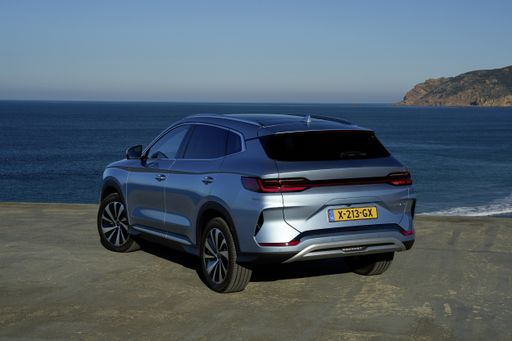
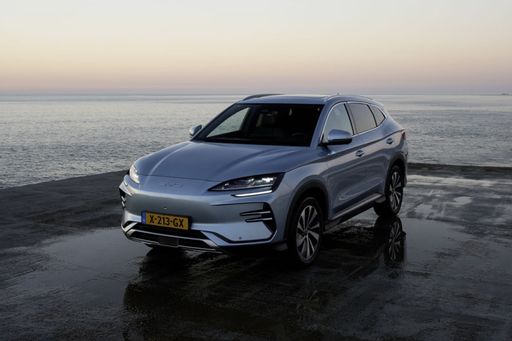
As the automotive industry evolves, two models are making an impactful impression in the SUV segment: the BYD Seal U and the Volvo XC60. Each presents its own unique set of features, technological advancements, and performance metrics that appeal to a wide range of consumers. This article compares these two vehicles, focusing on their specifications, innovations, and overall driving experience.
Seal U

Design and Dimensions

In terms of design, both the BYD Seal U and Volvo XC60 embody modern aesthetics, blending functionality with style. The BYD Seal U boasts a length of 4775 mm, width of 1890 mm, and a height of 1670 mm, making it a formidable presence on the road. It has a spacious trunk capacity of 552 liters, offering ample storage for everyday needs.

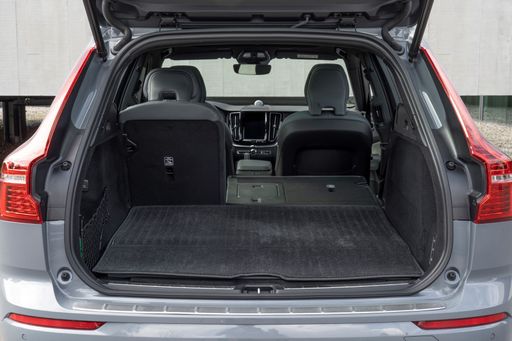
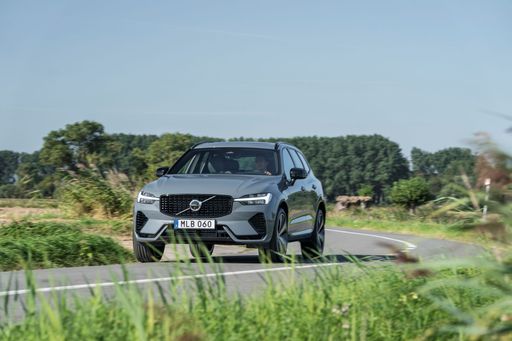
On the flip side, the Volvo XC60 measures 4688 mm in length, 1902 mm in width, and 1658 mm in height. Although it's slightly smaller, the XC60's trunk capacity is still impressive, at 483 liters. The differences in dimensions might come down to personal preference regarding space and handling, but both vehicles are designed to provide comfort and functionality.

XC60

Powertrain Options

When it comes to powertrains, the BYD Seal U offers multiple engine options, including a plugin hybrid and electric alternatives. It can produce up to 324 HP, with a torque range of 300 to 550 Nm, depending on the configuration. The Seal U can achieve 0-100 km/h in as little as 5.9 seconds and has a top speed of 180 km/h. The electric range reaches up to 500 km, making it an attractive option for environmentally conscious consumers.

In contrast, the Volvo XC60 offers a selection of petrol MHEV and plugin hybrid engines, with power outputs ranging from 250 to an impressive 455 HP. The XC60 also emphasizes performance, achieving 0-100 km/h in as fast as 4.9 seconds. With a slightly lower electric range of 80 km, the XC60 makes a solid case for those seeking a blend of performance and efficiency.

Seal U

Efficiency and Consumption

The BYD Seal U has set a benchmark in efficiency, with consumption figures as low as 0.9 L/100km and electric consumption reaching 19.9 kWh/100km. These figures showcase the model’s commitment to sustainability without compromising performance.

The Volvo XC60 shows competitive consumption metrics as well, particularly in its hybrid variants, where it achieves 0.9 L/100km in electric mode. However, its petrol variants consume 7.7 L/100km, which might deter some eco-conscious drivers. The XC60's CO2 emissions also vary, with values from 22 g/km for electric modes up to 174 g/km for petrol, showcasing a trade-off between power and emissions.

XC60

Innovative Technology

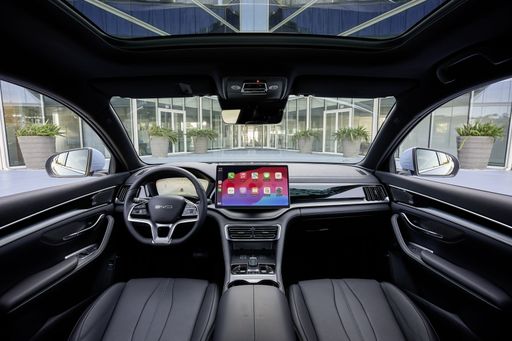
Both vehicles are packed with advanced technology, with BYD integrating features like an interactive infotainment system and various driver-assistance systems. The Seal U provides a seamless digital experience with its touchscreen controls and smartphone connectivity, ensuring a modern driving experience.

The Volvo XC60, on the other hand, includes its well-known Sensus infotainment system, which offers a user-friendly interface and connectivity options. Safety is a strong suit for Volvo, equipping the XC60 with advanced safety features, including automatic emergency braking, adaptive cruise control, and lane-keeping assist, ensuring peace of mind for drivers and passengers alike.

Seal U

Final Thoughts: Which SUV Reigns Supreme?

Choosing between the BYD Seal U and the Volvo XC60 ultimately comes down to individual preferences and priorities. The BYD Seal U stands out for its eco-friendliness, impressive electric range, and efficient hybrids. Meanwhile, the Volvo XC60 shines in performance, safety features, and premium comfort. Both models bring exceptional value to the SUV market, ensuring drivers do not need to compromise on what they desire in their next vehicle.

As both brands continue to innovate and expand their offerings, the competition between traditional automakers and new electric vehicle entrants will be one to watch. Whether prioritizing sustainability or performance, the BYD Seal U and Volvo XC60 cater to the evolving preferences of modern drivers.

Here’s where it gets real: The technical differences in detail

XC60

Costs and Efficiency:

Price and efficiency are often the first things buyers look at. Here it becomes clear which model has the long-term edge – whether at the pump, the plug, or in purchase price.

BYD Seal U is substantially cheaper – starting at 34,300 £ , while the Volvo XC60 costs 58,300 £ . That’s a price difference of around 24,000 £.

As for electric range, the BYD Seal U offers clearly more range – reaching up to 500 km, about 421 km more than the Volvo XC60.

Seal U

Engine and Performance:

Power, torque and acceleration say a lot about how a car feels on the road. This is where you see which model delivers more driving dynamics.

When it comes to engine power, the Volvo XC60 offers noticeably more power – delivering 406 HP compared to 324 HP. That’s roughly 82 HP more horsepower.

When accelerating from 0 to 100 km/h, the Volvo XC60 is clearly quicker – completing the sprint in 4.9 s, while the BYD Seal U takes 5.9 s. That’s about 1 s quicker.

There’s also a difference in torque: the Volvo XC60 delivers slightly more torque with 669 Nm compared to 550 Nm. That’s about 119 Nm more.

XC60

Space and Everyday Use:

Cabin size, boot volume and payload all play a role in everyday practicality. Here, comfort and flexibility make the difference.

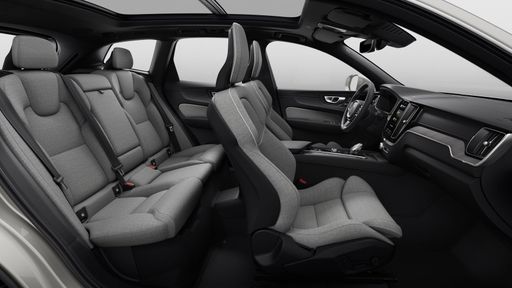
Both vehicles offer seating for 5 people.

In terms of curb weight, BYD Seal U is slightly lighter – 1,940 kg compared to 2,150 kg. The difference is around 210 kg.

When it comes to payload, the Volvo XC60 carries moderately more – 510 kg compared to 410 kg. That’s a difference of about 100 kg.

Who wins the race in the data check?

The BYD Seal U holds a decisive overall lead in the objective data comparison.
This result only shows which model scores more points on paper – not which of the two cars feels right for you.

from £34,300
Seal U

BYD Seal U

  • Engine Type : Electric, Plugin Hybrid
  • Transmission : Automatic
  • Drive Type : Front-Wheel Drive, All-Wheel Drive
  • Power HP : 218 - 324 HP
  • Consumption kWh/100km : 12.1 - 20.5 kWh/100km
  • Electric Range : 70 - 500 km
Volvo XC60
BYD Seal U

Costs and Consumption

View detailed analysis

Engine and Performance

View detailed analysis

Dimensions and Body

View detailed analysis

Volvo XC60

The Volvo XC60 blends Scandinavian elegance with a strong focus on occupant safety, delivering a calm, composed ride and a well-crafted, user-friendly cabin. It’s a practical yet premium compact SUV that balances comfort with confident road manners, ideal for buyers who value refinement and everyday usability.

details

BYD Seal U

The BYD Seal U is a sleek electric fastback that blends sporty styling with a roomy, tech-focused interior, making it an appealing choice for buyers who want electric performance without sacrificing comfort. It delivers a smooth, composed ride and intuitive features, positioning it as a practical yet modern option in the EV market.

details
Volvo XC60
BYD Seal U

Costs and Consumption

Price
58,300 - 71,400 £
Price
34,300 - 39,800 £
Consumption L/100km
1.6 L/100km
Consumption L/100km
-
Consumption kWh/100km
-
Consumption kWh/100km
12.1 - 20.5 kWh/100km
Electric Range
79 km
Electric Range
70 - 500 km
Battery Capacity
-
Battery Capacity
-
co2
59 g/km
co2
0 - 71 g/km
Fuel tank capacity
-
Fuel tank capacity
-

Dimensions and Body

Body Type
SUV
Body Type
SUV
Seats
5
Seats
5
Doors
-
Doors
-
Curb weight
2,150 kg
Curb weight
1,940 - 2,147 kg
Trunk capacity
-
Trunk capacity
425 - 552 L
Length
-
Length
-
Width
1,902 mm
Width
1,890 mm
Height
-
Height
-
Max trunk capacity
-
Max trunk capacity
-
Payload
510 kg
Payload
410 kg

Engine and Performance

Engine Type
Plugin Hybrid
Engine Type
Electric, Plugin Hybrid
Transmission
Automatic
Transmission
Automatic
Transmission Detail
Automatic Gearbox
Transmission Detail
Reduction Gearbox, Automatic Gearbox
Drive Type
All-Wheel Drive
Drive Type
Front-Wheel Drive, All-Wheel Drive
Power HP
335 - 406 HP
Power HP
218 - 324 HP
Acceleration 0-100km/h
4.9 - 5.7 s
Acceleration 0-100km/h
5.9 - 9.6 s
Max Speed
-
Max Speed
-
Torque
589 - 669 Nm
Torque
300 - 550 Nm
Number of Cylinders
4
Number of Cylinders
4
Power kW
247 - 299 kW
Power kW
160 - 238 kW
Engine capacity
1,969 cm3
Engine capacity
1,497 - 1,498 cm3

General

Model Year
2026
Model Year
2,024 - 2,026
CO2 Efficiency Class
B
CO2 Efficiency Class
A, B
Brand
Volvo
Brand
BYD
DriveDuel uses data analysis and artificial intelligence to evaluate vehicle data and create content. Content is regularly reviewed and improved. The displayed prices are estimates based on German list prices, adjusted to the respective country’s VAT. Country-specific registration taxes are not included. This information is not legally binding.