VS

Volvo XC60 vs Volvo XC90 comparison

Compare performance (406 HP vs 406 HP), boot space and price (58,300 £ vs 74,300 £ ) at a glance. Find out which car is the better choice for you – Volvo XC60 or Volvo XC90?

Volvo XC60 vs Volvo XC90: Key differences

Volvo XC60

4.7 (7 Reviews)
rate
  • markedly cheaper
  • considerably more efficient
  • somewhat more electric range
  • moderately quicker 0–100 km/h
details

Volvo XC90

5 (2 Reviews)
rate
  • very slightly lighter
details

All details on performance, efficiency, range and trunk space can be found in the technical comparison below – including user reviews for both models.

By Achim Sedelmaier

XC60

A Clash of Titans: Volvo XC60 vs. Volvo XC90

When it comes to luxury SUVs, few brands are as synonymous with safety and Scandinavian design as Volvo. Between the XC60 and XC90, Volvo has managed to weave a compelling narrative of practicality, performance, and style. This article delves into a comprehensive comparison between these two models, focusing on their technical aspects and latest innovations.
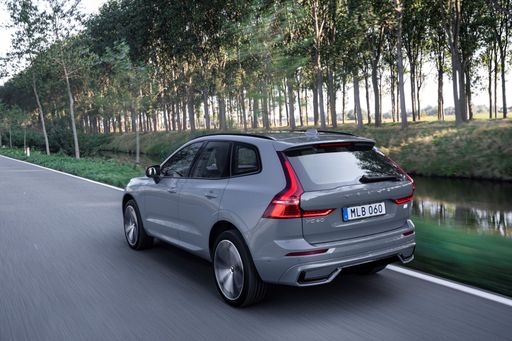
XC90

Dimensions and Design

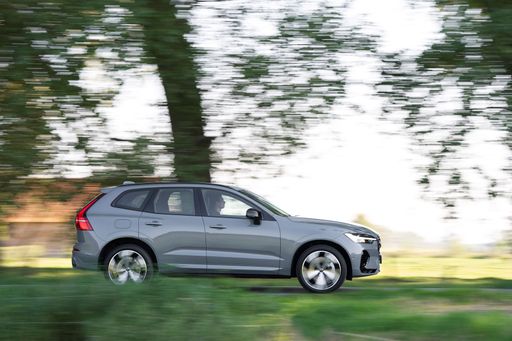
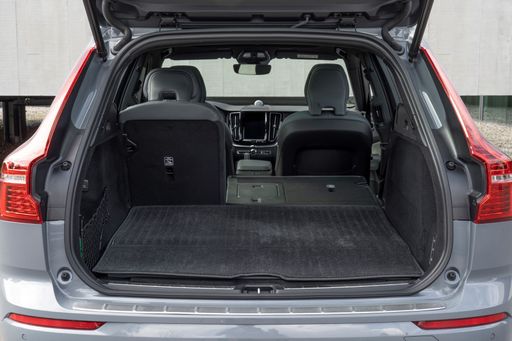
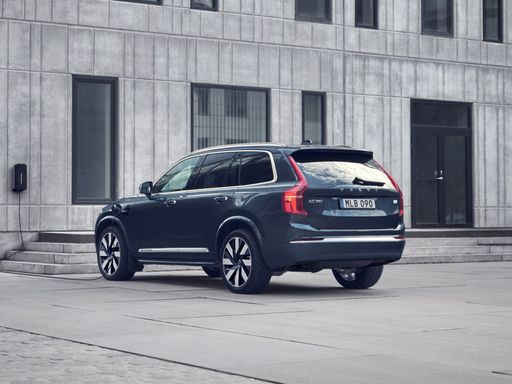
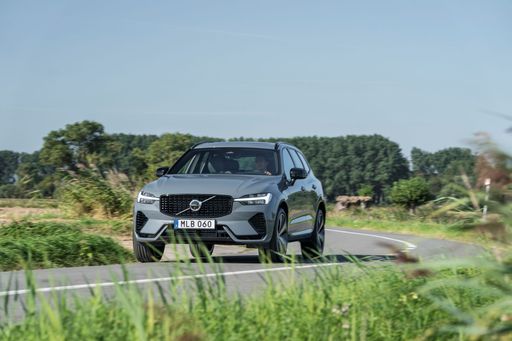
The Volvo XC60 boasts a compact yet spacious design with an overall length of 4688 mm, a width of 1902 mm, and a height of 1658 mm. It packs a trunk capacity of 483 liters, making it an excellent choice for families or adventurers.

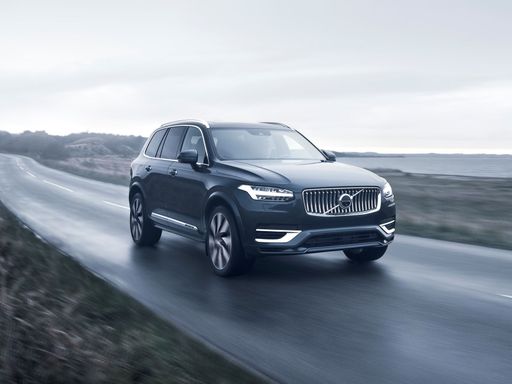
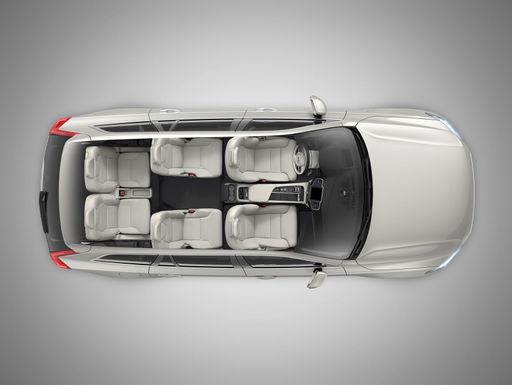
On the other hand, the Volvo XC90 stands as a larger option, emphasizing more interior room with its dimensions measuring 4953 mm in length, 1923 mm in width, and 1771 mm in height. The XC90 can seat up to seven passengers and offers a trunk capacity of 302 liters when all seats are in use, which can expand to a generous 262 liters with the third row folded. This makes the XC90 more suited for larger families or those needing extra seating capacity.

XC60

Powertrains and Performance

Both models are available with petrol MHEV (mild hybrid electric vehicles) and plug-in hybrid options, showcasing Volvo's commitment to electrification. The XC60 offers power outputs ranging from 250 HP to an impressive 455 HP, with acceleration from 0 to 100 km/h achievable in as little as 4.9 seconds. The torque figures vary from 350 Nm to a high of 709 Nm depending on the engine choice.

The XC90 also offers a robust lineup, with power ranging from 250 HP to 455 HP. However, it has a slightly slower 0-100 km/h time of 7.7 seconds in its base configuration and 5.4 seconds in the higher trims. The XC90 has similar torque figures, maxing out at 709 Nm, providing ample power for dynamic driving.

XC90

Efficiency and Emissions

In the realm of fuel consumption, the XC60 takes the edge slightly, with figures as low as 7.7 L/100 km for conventional driving and a minimal 0.9 L/100 km in electric-only mode. It emits CO2 levels ranging from 174 g/km to a mere 22 g/km for hybrid configurations, putting it comfortably in the B class for efficiency.

Conversely, the XC90 showcases a larger consumption rate of 8.5 L/100 km and 1.2 L/100 km on electric-only range, with CO2 emissions of 191 g/km down to 30 g/km for hybrids, garnering a G class efficiency rating. Both vehicles share a battery capacity of 14.7 kWh, but the pure electric range is superior in the XC60 at 80 km compared to the 71 km range of the XC90.

XC60

Interior and Technology

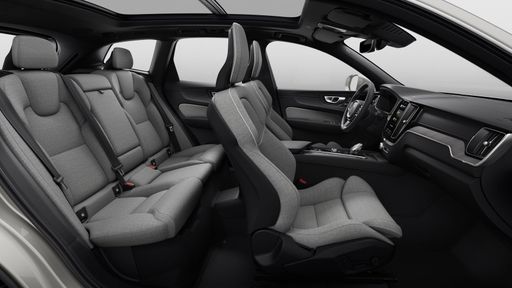
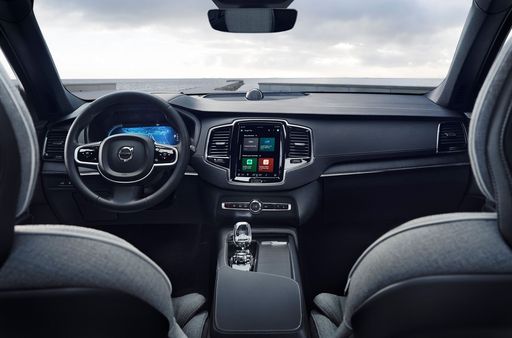
Inside, the XC60 is modern and stylish, featuring premium materials, comfortable seating for five, and an intuitive infotainment system. The focus here is on driver engagement and passenger comfort with the help of advanced driver-assistance features.

In contrast, the XC90 offers a more luxurious experience, boasting additional space for up to seven chairs without compromising comfort. The infotainment system includes larger screens, and the overall fit and finish reflect a top-tier luxury ambience. Both vehicles come equipped with Volvo’s latest technology, including improvements in their safety systems, navigation, and connectivity options.

XC90

Driving Experience and Safety

Both the XC60 and XC90 feature all-wheel drive for enhanced handling and stability. They are equipped with advanced safety features that have earned them high marks in crash testing. Volvo’s suite of driver assistance systems includes adaptive cruise control, lane-keeping assist, and auto emergency braking, ensuring peace of mind on every journey.

The XC60 feels sportier and more nimble, while the XC90 leans into a more commanding presence on the road, making it a great option for those who enjoy a smooth ride over long distances while accommodating more passengers.

XC60

Conclusion: Choosing Your Perfect SUV

In summary, the Volvo XC60 and XC90 cater to different needs in the luxury SUV segment. If you prioritize a compact yet spacious design with sportier handling, the XC60 might be the right choice. However, if you need a larger vehicle for a growing family with outstanding safety features and premium luxury, the XC90 would make a fitting option. Ultimately, both models reflect Volvo's commitment to safety, performance, and innovation, ensuring that whichever option you choose, you're in good hands.

Here’s where it gets real: The technical differences in detail

XC60

Costs and Efficiency:

Price and efficiency are key factors when choosing a car – and this is often where the real differences emerge.

Volvo XC60 is markedly cheaper – starting at 58,300 £ , while the Volvo XC90 costs 74,300 £ . That’s a price difference of around 16,028 £.

Fuel consumption also shows a difference: the Volvo XC60 uses 1.6 L/100km and is considerably more efficient than the Volvo XC90 with 3.4 L/100km. The difference is about 1.8 L/100km.

As for electric range, the Volvo XC60 offers somewhat more range – reaching up to 79 km, about 10 km more than the Volvo XC90.

XC90

Engine and Performance:

Under the bonnet, it becomes clear which model is tuned for sportiness and which one takes the lead when you hit the accelerator.

Both models deliver identical power – 406 HP each.

When accelerating from 0 to 100 km/h, the Volvo XC60 is moderately quicker – completing the sprint in 4.9 s, while the Volvo XC90 takes 5.4 s. That’s about 0.5 s quicker.

Both models offer the same torque – 669 Nm.

XC60

Space and Everyday Use:

Whether family car or daily driver – which one offers more room, flexibility and comfort?

Seats: Volvo XC90 offers more seats – 7 vs 5.

In terms of curb weight, Volvo XC90 is very slightly lighter – 2,080 kg compared to 2,150 kg. The difference is around 70 kg.

When it comes to payload, the Volvo XC90 carries visibly more – 710 kg compared to 510 kg. That’s a difference of about 200 kg.

Who wins the race in the data check?

The Volvo XC60 holds a decisive overall lead in the objective data comparison.
This result only shows which model scores more points on paper – not which of the two cars feels right for you.

from £58,300
XC60

Volvo XC60

  • Engine Type Plugin Hybrid
  • Transmission Automatic
  • Drive Type All-Wheel Drive
  • Power HP 335 - 406 HP
  • Consumption L/100km 1.6 L/100km
  • Electric Range 79 km
Volvo XC60
Volvo XC90

Costs and Consumption

View detailed analysis

Engine and Performance

View detailed analysis

Dimensions and Body

View detailed analysis

Volvo XC60

The Volvo XC60 blends Scandinavian elegance with a strong focus on occupant safety, delivering a calm, composed ride and a well-crafted, user-friendly cabin. It’s a practical yet premium compact SUV that balances comfort with confident road manners, ideal for buyers who value refinement and everyday usability.

details

Volvo XC90

The Volvo XC90 is a serene Scandinavian SUV that mixes minimalist luxury with a composed, confidence-inspiring presence — ideal for buyers who want family practicality without sacrificing style. Inside it serves up a calm, well-crafted cabin and user-friendly tech that keeps long journeys pleasant and tantrums to a minimum, making the XC90 a smart, stylish pick for sensible drivers.

details
Volvo XC60
Volvo XC90

Costs and Consumption

Price
58,300 - 71,400 £
Price
74,300 - 84,600 £
Consumption L/100km
1.6 L/100km
Consumption L/100km
3.4 - 8.3 L/100km
Consumption kWh/100km
-
Consumption kWh/100km
-
Electric Range
79 km
Electric Range
69 km
Battery Capacity
-
Battery Capacity
-
co2
59 g/km
co2
71 - 188 g/km
Fuel tank capacity
-
Fuel tank capacity
-

Dimensions and Body

Body Type
SUV
Body Type
SUV
Seats
5
Seats
7
Doors
-
Doors
-
Curb weight
2,150 kg
Curb weight
2,080 - 2,350 kg
Trunk capacity
-
Trunk capacity
-
Length
-
Length
-
Width
1,902 mm
Width
1,923 mm
Height
-
Height
-
Max trunk capacity
-
Max trunk capacity
-
Payload
510 kg
Payload
600 - 710 kg

Engine and Performance

Engine Type
Plugin Hybrid
Engine Type
Petrol MHEV, Plugin Hybrid
Transmission
Automatic
Transmission
Automatic
Transmission Detail
Automatic Gearbox
Transmission Detail
Automatic Gearbox
Drive Type
All-Wheel Drive
Drive Type
All-Wheel Drive
Power HP
335 - 406 HP
Power HP
250 - 406 HP
Acceleration 0-100km/h
4.9 - 5.7 s
Acceleration 0-100km/h
5.4 - 7.7 s
Max Speed
-
Max Speed
-
Torque
589 - 669 Nm
Torque
360 - 669 Nm
Number of Cylinders
4
Number of Cylinders
4
Power kW
247 - 299 kW
Power kW
184 - 299 kW
Engine capacity
1,969 cm3
Engine capacity
1,969 cm3

General

Model Year
2026
Model Year
2,025 - 2,026
CO2 Efficiency Class
B
CO2 Efficiency Class
G, B
Brand
Volvo
Brand
Volvo
DriveDuel uses data analysis and artificial intelligence to evaluate vehicle data and create content. Content is regularly reviewed and improved. The displayed prices are estimates based on German list prices, adjusted to the respective country’s VAT. Country-specific registration taxes are not included. This information is not legally binding.