Everyday use, family trips or long-distance drives – here’s where the differences show.
Discover whether Volvo XC90 or Land Rover Defender fits your lifestyle better.
When it comes to price and running costs, the biggest differences usually appear. This is often where you see which car fits your budget better in the long run.
Land Rover Defender has a evident advantage in terms of price – it starts at 57900 £, while the Volvo XC90 costs 69800 £. That’s a price difference of around 11905 £.
Fuel consumption also shows a difference: Volvo XC90 manages with 3.50 L and is therefore significantly more efficient than the Land Rover Defender with 6 L. The difference is about 2.50 L per 100 km.
As for range, the Volvo XC90 performs noticeable better – achieving up to 71 km, about 23 km more than the Land Rover Defender.
Under the bonnet, it becomes clear which model is tuned for sportiness and which one takes the lead when you hit the accelerator.
When it comes to engine power, the Land Rover Defender has a clearly perceptible edge – offering 635 HP compared to 455 HP. That’s roughly 180 HP more horsepower.
In acceleration from 0 to 100 km/h, the Land Rover Defender is evident quicker – completing the sprint in 4 s, while the Volvo XC90 takes 5.40 s. That’s about 1.40 s faster.
In terms of top speed, the Land Rover Defender performs evident better – reaching 250 km/h, while the Volvo XC90 tops out at 180 km/h. The difference is around 70 km/h.
There’s also a difference in torque: Land Rover Defender pulls barely noticeable stronger with 750 Nm compared to 709 Nm. That’s about 41 Nm difference.
Beyond pure performance, interior space and usability matter most in daily life. This is where you see which car is more practical and versatile.
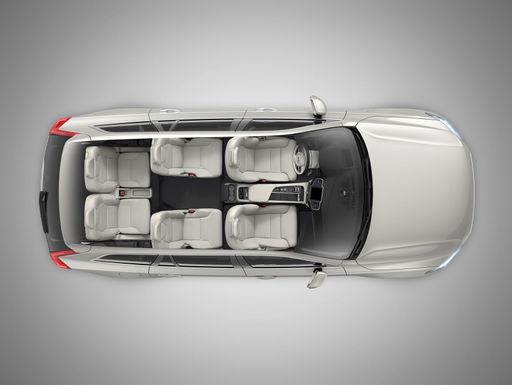
Seats: Land Rover Defender offers slightly more seating capacity – 8 vs 7.
In curb weight, Volvo XC90 is slightly lighter – 2080 kg compared to 2300 kg. The difference is around 220 kg.
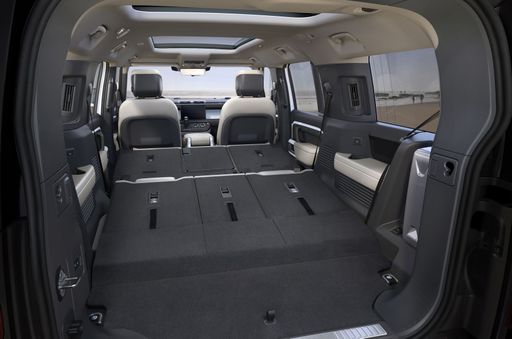
In terms of boot space, the Land Rover Defender offers clearly more room – 786 L compared to 302 L. That’s a difference of about 484 L.
In maximum load capacity, the Land Rover Defender performs somewhat better – up to 2078 L, which is about 222 L more than the Volvo XC90.
When it comes to payload, Land Rover Defender somewhat takes the win – 819 kg compared to 710 kg. That’s a difference of about 109 kg.
The Land Rover Defender proves to be wins the duel decisively and therefore becomes our DriveDuel Champion!
Land Rover Defender is the better all-rounder in this comparison.
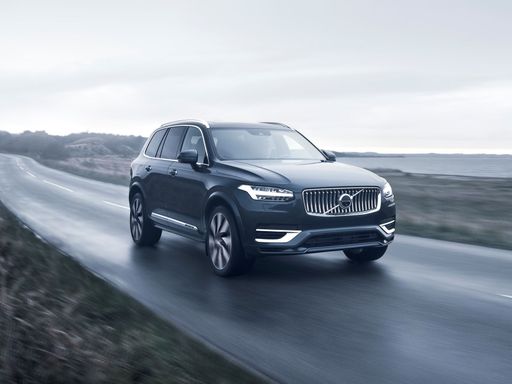
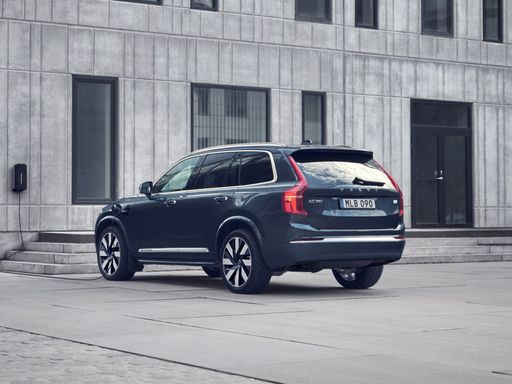
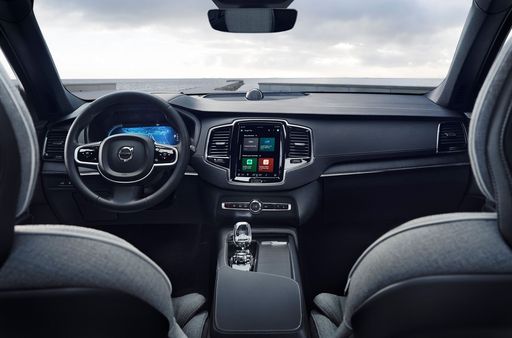
The Volvo XC90 is a serene Scandinavian SUV that mixes minimalist luxury with a composed, confidence-inspiring presence — ideal for buyers who want family practicality without sacrificing style. Inside it serves up a calm, well-crafted cabin and user-friendly tech that keeps long journeys pleasant and tantrums to a minimum, making the XC90 a smart, stylish pick for sensible drivers.
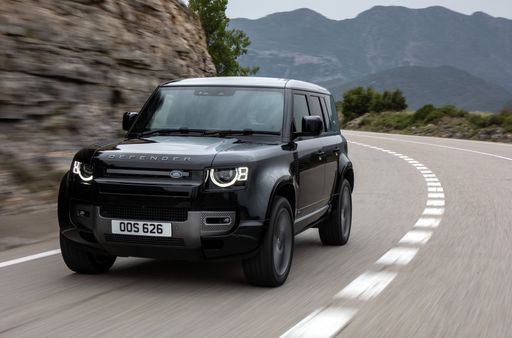
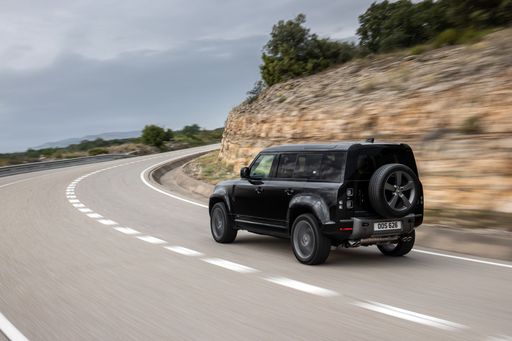
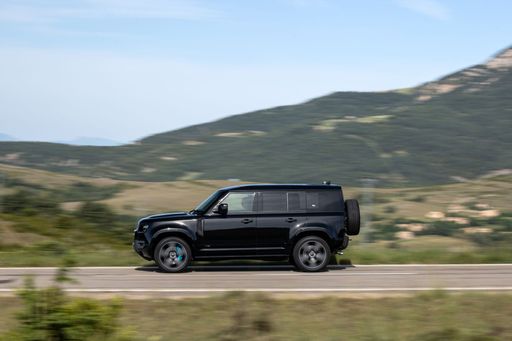
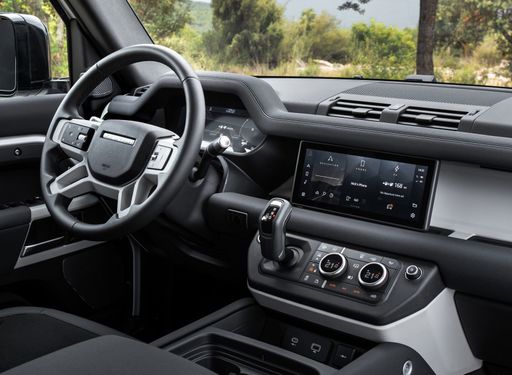
detailsThe Land Rover Defender boasts a rugged design that seamlessly blends traditional aesthetics with modern innovation, making it a true icon in the world of off-road vehicles. Its performance capabilities are matched by a luxurious interior, offering comfort and cutting-edge technology for drivers and passengers alike. Whether tackling rough terrains or cruising through city streets, the Defender exudes versatility and reliability, maintaining its reputation as a robust yet refined companion for any adventure.
details|
|
|
|
|
|
Costs and Consumption |
|
|---|---|
|
Price
69800 - 84600 £
|
Price
57900 - 172000 £
|
|
Consumption L/100km
3.5 - 8.5 L
|
Consumption L/100km
6 - 14.4 L
|
|
Consumption kWh/100km
-
|
Consumption kWh/100km
-
|
|
Electric Range
71 km
|
Electric Range
48 km
|
|
Battery Capacity
14.70 kWh
|
Battery Capacity
15.40 kWh
|
|
co2
79 - 191 g/km
|
co2
135 - 324 g/km
|
|
Fuel tank capacity
71 L
|
Fuel tank capacity
89 - 91 L
|
Dimensions and Body |
|
|---|---|
|
Body Type
SUV
|
Body Type
Off-Roader
|
|
Seats
7
|
Seats
2 - 8
|
|
Doors
5
|
Doors
3 - 5
|
|
Curb weight
2080 - 2297 kg
|
Curb weight
2300 - 2745 kg
|
|
Trunk capacity
262 - 302 L
|
Trunk capacity
293 - 786 L
|
|
Length
4953 mm
|
Length
4323 - 5358 mm
|
|
Width
1923 mm
|
Width
2008 mm
|
|
Height
1771 mm
|
Height
1967 - 1995 mm
|
|
Max trunk capacity
1816 - 1856 L
|
Max trunk capacity
1263 - 2078 L
|
|
Payload
653 - 710 kg
|
Payload
494 - 819 kg
|
Engine and Performance |
|
|---|---|
|
Engine Type
Petrol MHEV, Plugin Hybrid
|
Engine Type
Petrol, Diesel MHEV, Plugin Hybrid, Petrol MHEV
|
|
Transmission
Automatic
|
Transmission
Automatic
|
|
Transmission Detail
Automatic Gearbox
|
Transmission Detail
Automatic Gearbox
|
|
Drive Type
All-Wheel Drive
|
Drive Type
All-Wheel Drive
|
|
Power HP
250 - 455 HP
|
Power HP
200 - 635 HP
|
|
Acceleration 0-100km/h
5.4 - 7.7 s
|
Acceleration 0-100km/h
4 - 10.2 s
|
|
Max Speed
180 km/h
|
Max Speed
175 - 250 km/h
|
|
Torque
360 - 709 Nm
|
Torque
500 - 750 Nm
|
|
Number of Cylinders
4
|
Number of Cylinders
4 - 8
|
|
Power kW
184 - 335 kW
|
Power kW
147 - 467 kW
|
|
Engine capacity
1969 cm3
|
Engine capacity
1997 - 5000 cm3
|
General |
|
|---|---|
|
Model Year
2024 - 2025
|
Model Year
2025
|
|
CO2 Efficiency Class
G, B
|
CO2 Efficiency Class
G, D
|
|
Brand
Volvo
|
Brand
Land Rover
|
Available configurations include All-Wheel Drive.
The prices and data displayed are estimates based on German list prices and may vary by country. This information is not legally binding.