VS

VW Polo vs Renault Clio comparison

Compare performance (207 HP vs 158 HP), boot space and price (17,300 £ vs 17,100 £ ) at a glance. Find out which car is the better choice for you – VW Polo or Renault Clio?

VW Polo vs Renault Clio: Key differences

VW Polo

4.1 (3 Reviews)
rate
  • markedly more power
  • noticeably quicker 0–100 km/h
  • only slightly lighter
  • marginally more trunk space
details

Renault Clio

4.7 (1 Reviews)
rate
  • only slightly cheaper
  • noticeably more efficient
details

All details on performance, efficiency, range and trunk space can be found in the technical comparison below – including user reviews for both models.

By Achim Sedelmaier

Polo

The Battle of Compact Hatchbacks: Renault Clio vs. VW Polo

In the competitive landscape of compact hatchbacks, two iconic models stand out: the Renault Clio and the VW Polo. Both cars offer a blend of practicality, efficiency, and performance, catering to a similar demographic of urban drivers. This article delves into a comprehensive comparison of these two vehicles, highlighting their technical specifications, innovations, and driving experiences.

Clio

Design and Dimensions

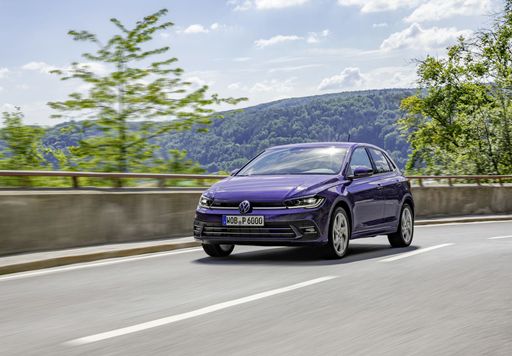
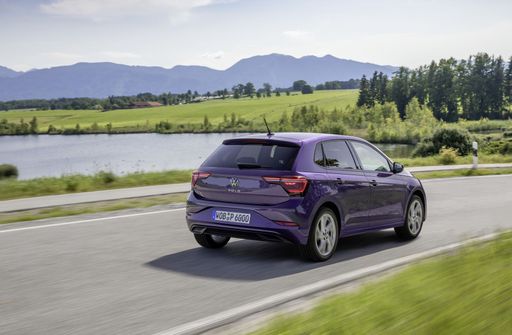
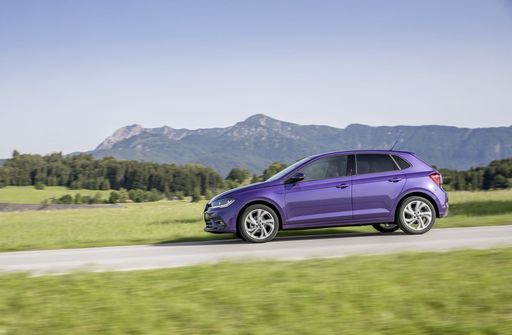
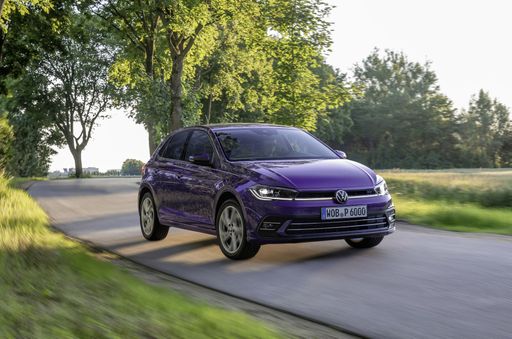
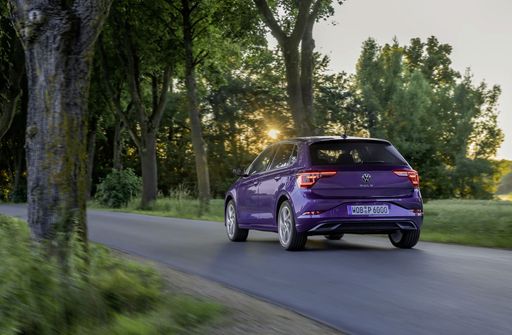
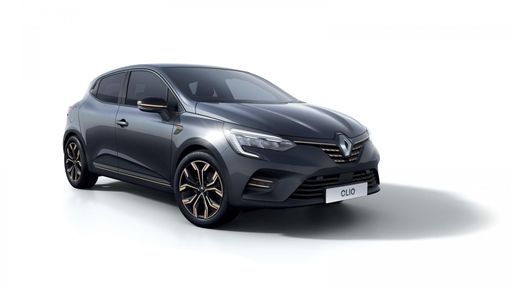
Starting with the aesthetics, both cars flaunt stylish designs that appeal to different tastes. The Renault Clio measures 4053 mm in length and 1798 mm in width, presenting a sporty and modern look. In contrast, the VW Polo is slightly longer at 4074 mm and narrower at 1751 mm, which gives it a more traditional hatchback profile.

In terms of height, the Clio stands at 1440 mm, while the Polo measures up to 1451 mm. This marginal difference affects the overall presence of both vehicles on the road, but both provide ample headroom for passengers.

Polo

Powertrains: Options and Efficiency

The Renault Clio offers an impressive variety of powertrains, including Full Hybrid, Petrol, and LPG options. With power outputs ranging from 67 HP to 143 HP, drivers can choose a configuration that best suits their needs. The automatic gearbox also enhances driving comfort, especially in urban settings.

On the other hand, the VW Polo's engine lineup consists solely of petrol variants, offering power from 80 HP to a jaw-dropping 207 HP in the sporty GTI version. The Polo's engines are known for their smooth delivery and efficiency, with fuel consumption ranging from 5.2 to 6.5 L/100km.

Clio

Performance: Acceleration and Handling

When it comes to performance, the Clio excels with its hybrid variant achieving an acceleration of 0-100 km/h in just 9.3 seconds, making it a quick contender in the segment. The Polo GTI, however, shows off its prowess with a blistering time of 6.5 seconds, underscoring its focus on speed and agility.

Handling dynamics are noteworthy in both models, with the Clio offering a comfortable ride and responsive steering. The Polo, known for its planted feel, provides excellent cornering capabilities and stability, especially at higher speeds.

Polo

Interior Comfort and Technology

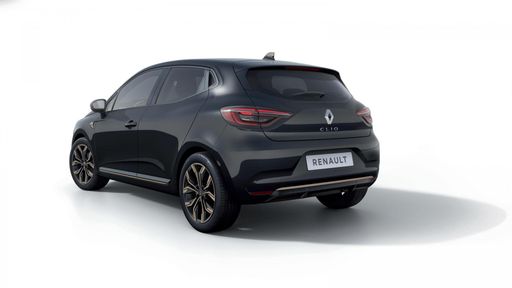
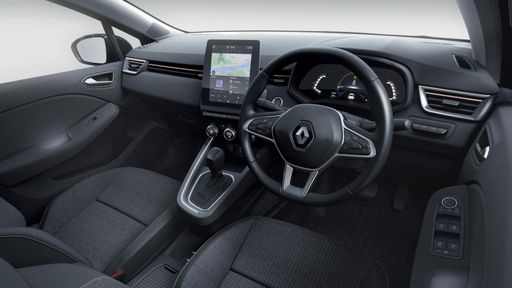
Inside the cabin, the Renault Clio boasts a modern and tech-savvy environment with a generous trunk capacity of 301 liters, perfect for everyday needs. Its infotainment system includes a touchscreen interface, USB connectivity, and various driver assistance features. The interior space is well-utilized and comfortable for up to five occupants.

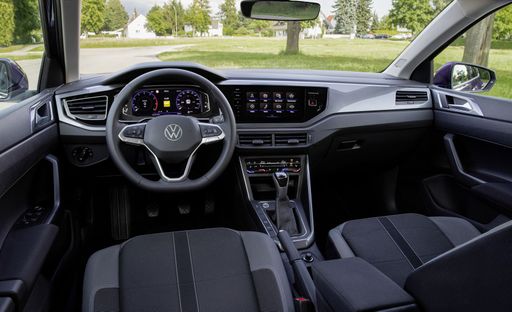
The VW Polo, with a slightly larger trunk capacity of 351 liters, also impresses with its premium interior quality and layout. Equipped with the latest infotainment technology and smart features, the Polo offers an intuitive experience that rivals its competitors.

Clio

Safety and Environmental Impact

Both the Clio and Polo prioritize safety, incorporating advanced technology to enhance the driving experience. The Clio is rated with CO2 emissions ranging from 97 to 130 g/km, falling into the C and D efficiency classes, while the Polo’s emissions are between 118 and 149 g/km, with D and E ratings. Both vehicles are designed to meet European standards, ensuring a reduced environmental impact.

Polo

Conclusion: Which to Choose?

Ultimately, the choice between the Renault Clio and VW Polo boils down to personal preference. The Clio offers a versatile range of engines and a comfortable ride, making it ideal for daily commuting. In contrast, the Polo excels in performance with its sporty variants and delivers a high-quality interior experience. Prospective buyers should consider their driving habits and priorities to make the best choice between these two standout hatchbacks.

Here’s where it gets real: The technical differences in detail

Polo

Costs and Efficiency:

Price and efficiency are often the first things buyers look at. Here it becomes clear which model has the long-term edge – whether at the pump, the plug, or in purchase price.

Renault Clio is only slightly cheaper – starting at 17,100 £ , while the VW Polo costs 17,300 £ . That’s a price difference of around 201 £.

Fuel consumption also shows a difference: the Renault Clio uses 4.1 L/100km and is noticeably more efficient than the VW Polo with 5.1 L/100km. The difference is about 1 L/100km.

Clio

Engine and Performance:

Power, torque and acceleration are the classic benchmarks for car enthusiasts – and here, some clear differences start to show.

When it comes to engine power, the VW Polo offers markedly more power – delivering 207 HP compared to 158 HP. That’s roughly 49 HP more horsepower.

When accelerating from 0 to 100 km/h, the VW Polo is noticeably quicker – completing the sprint in 6.5 s, while the Renault Clio takes 8.3 s. That’s about 1.8 s quicker.

There’s also a difference in torque: the VW Polo delivers clearly more torque with 320 Nm compared to 190 Nm. That’s about 130 Nm more.

Polo

Space and Everyday Use:

Beyond pure performance, interior space and usability matter most in daily life. This is where you see which car is more practical and versatile.

Both vehicles offer seating for 5 people.

In terms of curb weight, VW Polo is only slightly lighter – 1,143 kg compared to 1,202 kg. The difference is around 59 kg.

Looking at boot space, the VW Polo offers marginally more boot space – 351 L compared to 327 L. That’s a difference of about 24 L.

When it comes to payload, the Renault Clio carries marginally more – 463 kg compared to 457 kg. That’s a difference of about 6 kg.

Who wins the race in the data check?

The VW Polo stands well ahead of its rival in the objective data comparison.
This result only shows which model scores more points on paper – not which of the two cars feels right for you.

from £17,300
Polo

VW Polo

  • Engine Type : Petrol
  • Transmission : Manuel, Automatic
  • Drive Type : Front-Wheel Drive
  • Power HP : 80 - 207 HP
  • Consumption L/100km : 5.1 - 6.5 L/100km
VW Polo
Renault Clio

Costs and Consumption

View detailed analysis

Engine and Performance

View detailed analysis

Dimensions and Body

View detailed analysis

VW Polo

The Polo is a small car with surprisingly grown-up refinement, delivering comfortable packaging, crisp handling and a build quality that punches above its class. For buyers who want a practical, fuss-free hatch that still feels a little premium, it’s a sensible, slightly cheeky choice you’ll enjoy every day.

details

Renault Clio

The Clio punches above its weight with chic French styling and a surprisingly grown-up cabin that makes city driving feel effortlessly stylish. It's an easy-to-live-with choice that keeps ownership simple and even manages to put a grin on your face when the traffic gets dull.

details
VW Polo
Renault Clio

Costs and Consumption

Price
17,300 - 30,800 £
Price
17,100 - 23,700 £
Consumption L/100km
5.1 - 6.5 L/100km
Consumption L/100km
4.1 - 5.1 L/100km
Consumption kWh/100km
-
Consumption kWh/100km
-
Electric Range
-
Electric Range
-
Battery Capacity
-
Battery Capacity
-
co2
116 - 148 g/km
co2
92 - 115 g/km
Fuel tank capacity
-
Fuel tank capacity
39 - 42 L

Dimensions and Body

Body Type
Hatchback
Body Type
Hatchback
Seats
5
Seats
5
Doors
-
Doors
5
Curb weight
1,143 - 1,378 kg
Curb weight
1,202 - 1,316 kg
Trunk capacity
351 L
Trunk capacity
301 - 327 L
Length
-
Length
4,116 mm
Width
1,751 mm
Width
1,768 mm
Height
-
Height
1,451 mm
Max trunk capacity
-
Max trunk capacity
1,094 - 1,176 L
Payload
432 - 457 kg
Payload
453 - 463 kg

Engine and Performance

Engine Type
Petrol
Engine Type
Petrol, Full Hybrid
Transmission
Manuel, Automatic
Transmission
Manuel, Automatic
Transmission Detail
Manual Gearbox, Dual-Clutch Automatic
Transmission Detail
Manual Gearbox, Dual-Clutch Automatic, Automatic Gearbox
Drive Type
Front-Wheel Drive
Drive Type
Front-Wheel Drive
Power HP
80 - 207 HP
Power HP
115 - 158 HP
Acceleration 0-100km/h
6.5 - 15.6 s
Acceleration 0-100km/h
8.3 - 10.1 s
Max Speed
-
Max Speed
180 km/h
Torque
93 - 320 Nm
Torque
190 Nm
Number of Cylinders
3 - 4
Number of Cylinders
3 - 4
Power kW
59 - 152 kW
Power kW
84 - 116 kW
Engine capacity
999 - 1,984 cm3
Engine capacity
1,199 - 1,789 cm3

General

Model Year
2,024 - 2,025
Model Year
2026
CO2 Efficiency Class
D, E
CO2 Efficiency Class
C, B
Brand
VW
Brand
Renault
DriveDuel uses data analysis and artificial intelligence to evaluate vehicle data and create content. Content is regularly reviewed and improved. The displayed prices are estimates based on German list prices, adjusted to the respective country’s VAT. Country-specific registration taxes are not included. This information is not legally binding.