VS

VW Polo vs Toyota Aygo comparison

Compare performance (207 HP vs 116 HP), boot space and price (17,300 £ vs 18,800 £ ) at a glance. Find out which car is the better choice for you – VW Polo or Toyota Aygo?

VW Polo vs Toyota Aygo: Key differences

VW Polo

4.1 (3 Reviews)
rate
  • barely cheaper
  • clearly more power
  • clearly quicker 0–100 km/h
  • noticeably more trunk space
details

Toyota Aygo

5 (1 Reviews)
rate
  • clearly more efficient
  • very slightly lighter
details

All details on performance, efficiency, range and trunk space can be found in the technical comparison below – including user reviews for both models.

By Achim Sedelmaier

Polo

A Comprehensive Comparison: Toyota Aygo vs. VW Polo

In today's automotive market, compact city cars are growing in popularity due to their efficiency and versatility. Among the leading contenders in this segment are the Toyota Aygo and the VW Polo. Both vehicles offer unique features and specifications appealing to various consumers. This comparison examines their technical aspects, innovations, and overall performance to help you make an informed decision.
Aygo

Body Structure and Dimensions

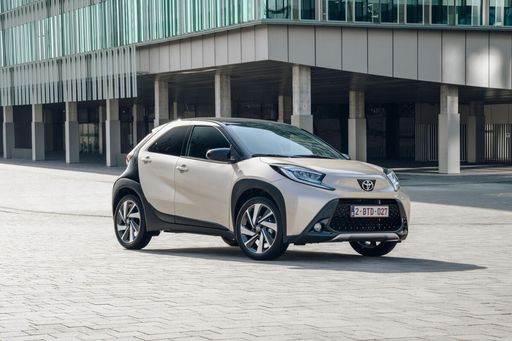
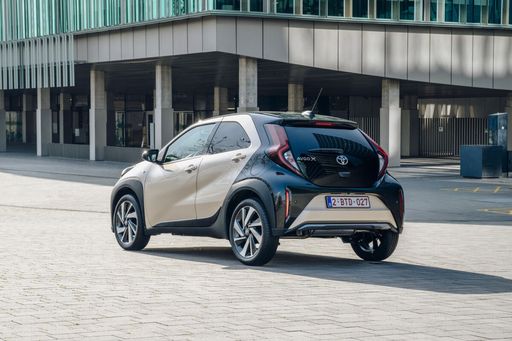
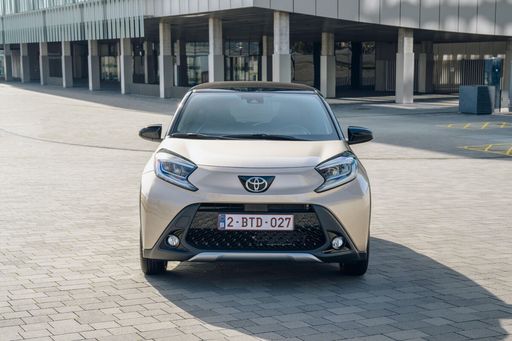
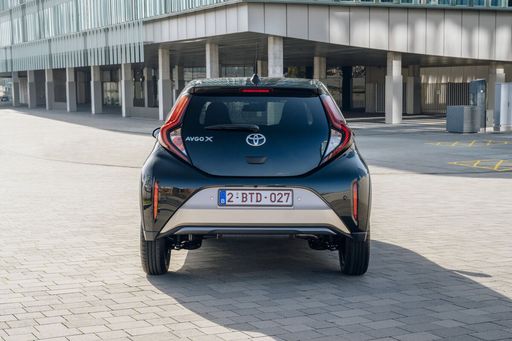
The Toyota Aygo is classified as an SUV, with dimensions measuring 3700 mm in length, 1740 mm in width, and 1510 mm in height, providing a compact yet spacious interior for passengers. With a curb weight of 1015 kg, the Aygo is lightweight, which contributes to its agile handling.

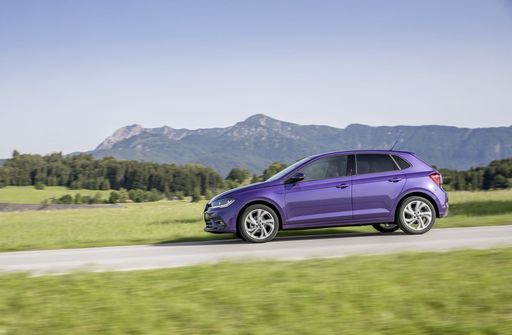
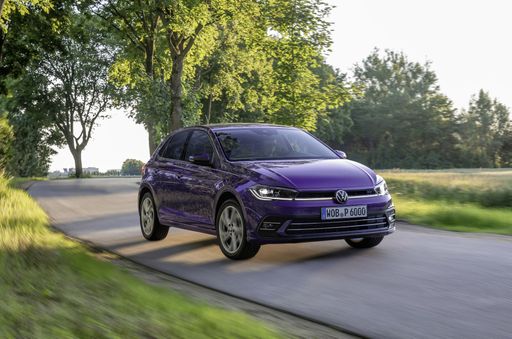
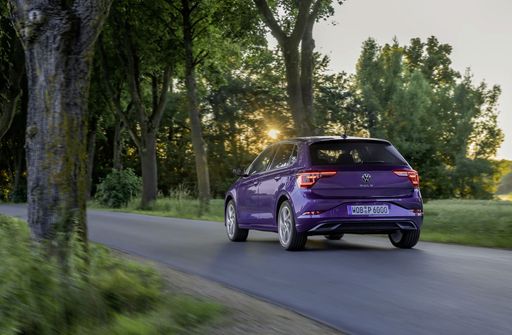
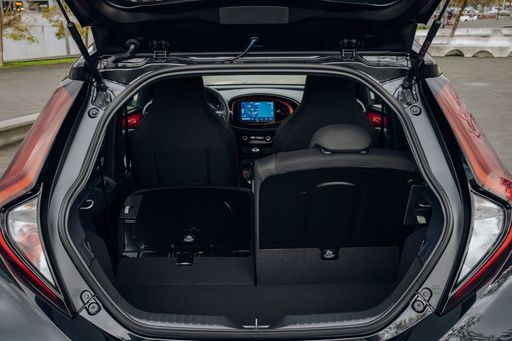
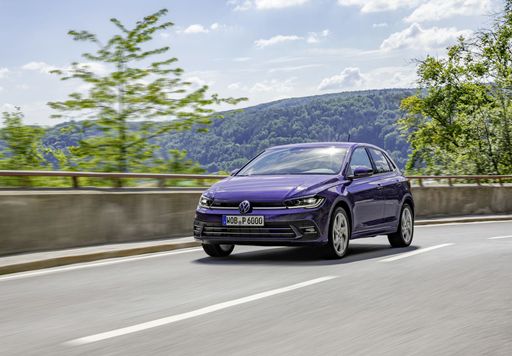
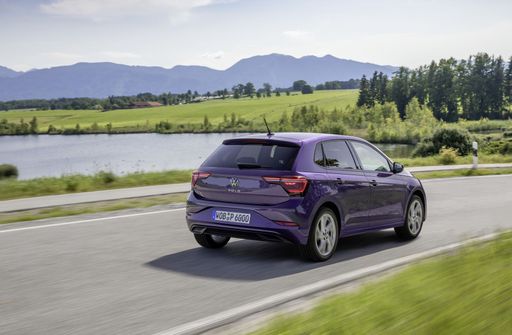
In contrast, the VW Polo is a hatchback with a larger footprint, boasting dimensions of 4074 mm in length, 1751 mm in width, and 1451-1431 mm in height, depending on the variant. This larger size allows the Polo to accommodate up to five passengers comfortably and offers a substantial trunk capacity of 351 liters. The Polo's curb weight ranges from 1138 kg to 1372 kg, depending on the engine option chosen.

Polo

Engine Performance and Efficiency

Under the hood, the Toyota Aygo is equipped with a 998 cm³ petrol engine, producing 72 HP and 93 Nm of torque. This engine configuration allows for a maximum speed of 158 km/h and an acceleration time from 0 to 100 km/h of 15.5-15.6 seconds. The Aygo impresses with its fuel efficiency, managing a consumption of 4.8 to 4.9 L/100 km and CO2 emissions of 108-112 g/km, which places it within the C efficiency class.

The VW Polo offers a broader range of engine options, including a 999 cm³ engine producing 80 to 115 HP and a larger 1984 cm³ engine delivering up to an impressive 207 HP. The Polo's torque varies, reaching up to 320 Nm with the 2.0-liter engine. The Polo's acceleration times are significantly faster, particularly with the high-performance variants that achieve 0-100 km/h in as little as 6.5 seconds. Fuel consumption for the Polo ranges from 5.2 to 6.5 L/100 km with CO2 emissions varying between 118 to 149 g/km, categorizing it in efficiency classes D and E.

Aygo

Transmission Options

The Toyota Aygo offers both manual and automatic transmission options, including a traditional manual gearbox and a Continuously Variable Transmission (CVT), giving drivers flexibility in how they want to engage with their driving experience.

The VW Polo stands out due to its Dual-Clutch Transmission (DCT), available alongside a manual gearbox. This innovative transmission type allows for quick gear shifts and greater efficiency, enhancing the overall driving dynamics of the Polo.

Polo

Interior Comfort and Technology

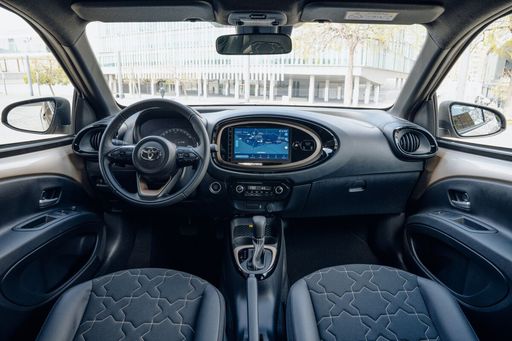
Interior features play a significant role in modern vehicles, and both the Aygo and Polo offer user-friendly designs. The Aygo boasts comfortable seating for up to four and an intuitive dashboard layout, though it's a bit simpler in terms of tech features compared to its rival. Standard entertainment features include a modern audio system with Bluetooth connectivity.

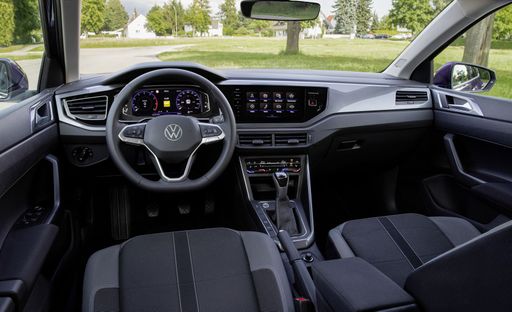
On the other hand, the VW Polo is renowned for its more upscale interior design, accommodating five passengers and offering advanced technology like an infotainment system with a larger touchscreen, smartphone integration, and optional premium sound systems. The Polo's additional space and premium materials contribute to a more luxurious feel.

Aygo

Safety and Innovations

Safety is paramount in both models. The Aygo incorporates essential safety features including airbags, anti-lock brakes, and stability control. More advanced driver assistance systems may be less prevalent, but Toyota’s reputation for reliability and safety is well-founded.

The VW Polo, however, pushes innovation further with an extensive array of safety options, including adaptive cruise control, lane assist, and emergency braking systems. The Polo's construction and technology help it achieve high safety ratings in crash tests, making it a standout in this category.

Polo

Conclusion: Which One to Choose?

When deciding between the Toyota Aygo and VW Polo, it ultimately comes down to personal preferences and priorities. The Aygo offers excellent fuel efficiency and ease of maneuverability in urban settings, making it a great option for city dwellers. Meanwhile, the VW Polo provides superior performance, a more spacious interior, and advanced technology, appealing to those who seek comfort and innovation in a compact car.

Both cars have their strengths, and the final choice will depend on your specific needs and lifestyle. Whether you lean towards the practicality of the Aygo or the premium feel of the Polo, you are sure to find satisfaction in either model.

Here’s where it gets real: The technical differences in detail

Polo

Costs and Efficiency:

Price and efficiency are often the first things buyers look at. Here it becomes clear which model has the long-term edge – whether at the pump, the plug, or in purchase price.

VW Polo is barely cheaper – starting at 17,300 £ , while the Toyota Aygo costs 18,800 £ . That’s a price difference of around 1,590 £.

Fuel consumption also shows a difference: the Toyota Aygo uses 3.7 L/100km and is clearly more efficient than the VW Polo with 5.1 L/100km. The difference is about 1.4 L/100km.

Aygo

Engine and Performance:

Power, torque and acceleration say a lot about how a car feels on the road. This is where you see which model delivers more driving dynamics.

When it comes to engine power, the VW Polo offers clearly more power – delivering 207 HP compared to 116 HP. That’s roughly 91 HP more horsepower.

When accelerating from 0 to 100 km/h, the VW Polo is clearly quicker – completing the sprint in 6.5 s, while the Toyota Aygo takes 9.2 s. That’s about 2.7 s quicker.

There’s also a difference in torque: the VW Polo delivers significantly more torque with 320 Nm compared to 120 Nm. That’s about 200 Nm more.

Polo

Space and Everyday Use:

Beyond pure performance, interior space and usability matter most in daily life. This is where you see which car is more practical and versatile.

Seats: VW Polo offers more seats – 5 vs 4.

In terms of curb weight, Toyota Aygo is very slightly lighter – 1,090 kg compared to 1,143 kg. The difference is around 53 kg.

Looking at boot space, the VW Polo offers noticeably more boot space – 351 L compared to 231 L. That’s a difference of about 120 L.

When it comes to payload, the VW Polo carries barely more – 457 kg compared to 420 kg. That’s a difference of about 37 kg.

Who wins the race in the data check?

The VW Polo is far ahead overall in the objective data comparison.
This result only shows which model scores more points on paper – not which of the two cars feels right for you.

from £17,300
Polo

VW Polo

  • Engine Type Petrol
  • Transmission Manuel, Automatic
  • Drive Type Front-Wheel Drive
  • Power HP 80 - 207 HP
  • Consumption L/100km 5.1 - 6.5 L/100km
VW Polo
Toyota Aygo

Costs and Consumption

View detailed analysis

Engine and Performance

View detailed analysis

Dimensions and Body

View detailed analysis

VW Polo

The Polo is a well-built, comfortable hatchback that blends a refined cabin and composed manners into a compact package. It's easy to live with day to day, offering sensible space, tidy controls and reassuring quality that make it a practical choice for city or longer trips.

details

Toyota Aygo

The Aygo is a cheeky city car that turns congested streets into a playground, with bold styling and sprightly manners that make parking a pleasure rather than a pain. Economical to run and surprisingly well equipped for its size, the Aygo is a smart choice for urban buyers who want personality without a premium price and a car that brings a smile to the daily commute.

details
VW Polo
Toyota Aygo

Costs and Consumption

Price
17,300 - 30,800 £
Price
18,800 - 24,300 £
Consumption L/100km
5.1 - 6.5 L/100km
Consumption L/100km
3.7 L/100km
Consumption kWh/100km
-
Consumption kWh/100km
-
Electric Range
-
Electric Range
-
Battery Capacity
-
Battery Capacity
-
co2
116 - 148 g/km
co2
85 g/km
Fuel tank capacity
-
Fuel tank capacity
-

Dimensions and Body

Body Type
Hatchback
Body Type
SUV
Seats
5
Seats
4
Doors
-
Doors
-
Curb weight
1,143 - 1,378 kg
Curb weight
1,090 kg
Trunk capacity
351 L
Trunk capacity
231 L
Length
-
Length
-
Width
1,751 mm
Width
1,740 mm
Height
-
Height
-
Max trunk capacity
-
Max trunk capacity
-
Payload
432 - 457 kg
Payload
420 kg

Engine and Performance

Engine Type
Petrol
Engine Type
Full Hybrid
Transmission
Manuel, Automatic
Transmission
Automatic
Transmission Detail
Manual Gearbox, Dual-Clutch Automatic
Transmission Detail
CVT
Drive Type
Front-Wheel Drive
Drive Type
Front-Wheel Drive
Power HP
80 - 207 HP
Power HP
116 HP
Acceleration 0-100km/h
6.5 - 15.6 s
Acceleration 0-100km/h
9.2 s
Max Speed
-
Max Speed
-
Torque
93 - 320 Nm
Torque
120 Nm
Number of Cylinders
3 - 4
Number of Cylinders
3
Power kW
59 - 152 kW
Power kW
85 kW
Engine capacity
999 - 1,984 cm3
Engine capacity
1,490 cm3

General

Model Year
2,024 - 2,025
Model Year
2025
CO2 Efficiency Class
D, E
CO2 Efficiency Class
B
Brand
VW
Brand
Toyota
DriveDuel uses data analysis and artificial intelligence to evaluate vehicle data and create content. Content is regularly reviewed and improved. The displayed prices are estimates based on German list prices, adjusted to the respective country’s VAT. Country-specific registration taxes are not included. This information is not legally binding.