VS

VW T-Cross vs Peugeot 2008 comparison

Compare performance (150 HP vs 156 HP), boot space and price (21,400 £ vs 24,800 £ ) at a glance. Find out which car is the better choice for you – VW T-Cross or Peugeot 2008?

VW T-Cross vs Peugeot 2008: Key differences

VW T-Cross

4.3 (3 Reviews)
rate
  • slightly cheaper
  • marginally more trunk space
details

Peugeot 2008

5 (1 Reviews)
rate
  • marginally more power
  • somewhat more efficient
  • very slightly quicker 0–100 km/h
  • only slightly lighter
details

All details on performance, efficiency, range and trunk space can be found in the technical comparison below – including user reviews for both models.

By Achim Sedelmaier

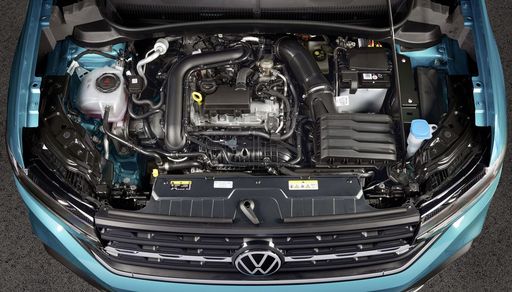
T-Cross

The compact SUV segment has become increasingly popular, and two strong contenders vying for attention are the Peugeot 2008 and the VW T-Cross. Both models stand out in their respective ways, boasting advanced features, innovative designs, and competitive performance. This article delves deep into their technical aspects, innovations, and overall comparisons to help you decide which model suits your needs best.
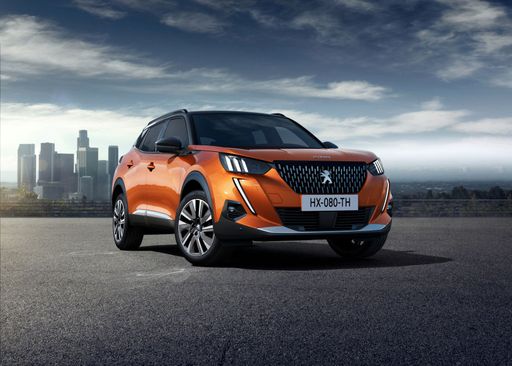
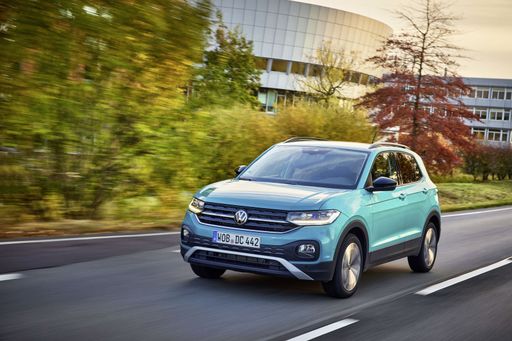
2008

Design and Dimensions

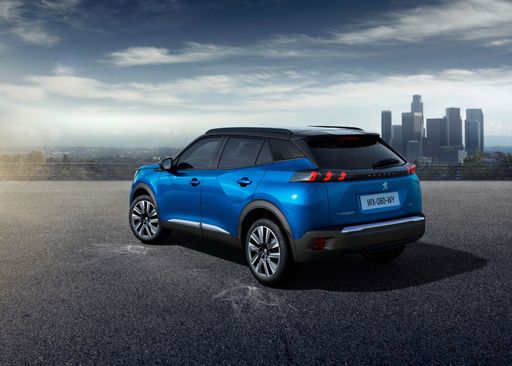
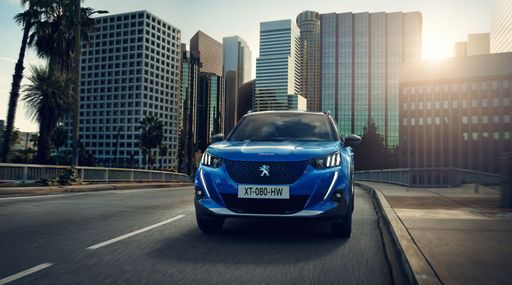
Starting with design, the Peugeot 2008 offers a bold and dynamic exterior with aggressive lines and a predatory stance. Its dimensions measure 4304 mm in length, 1770 mm in width, and 1523 mm in height. The attractive front grille and signature LED lighting enhance its modern appeal.

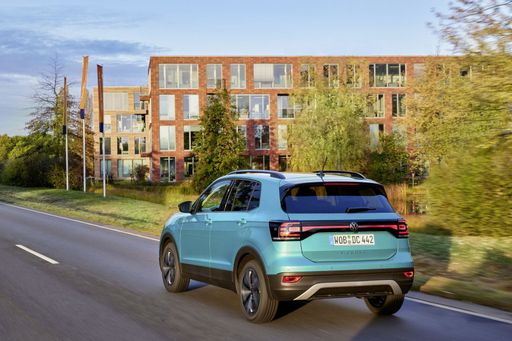
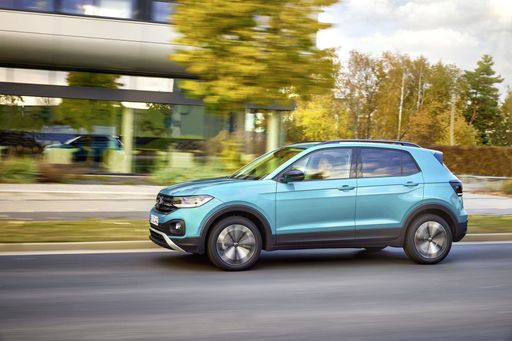
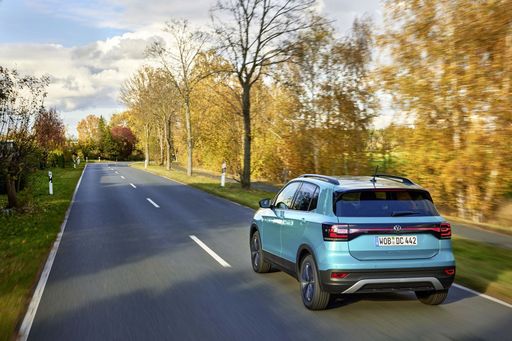
On the other hand, the VW T-Cross leans towards a more conservative yet stylish demeanor, with dimensions of 4127 mm in length, 1784 mm in width, and 1573 mm in height. Its larger width and height provide a more prominent road presence, while its clean lines and characteristic VW design elements add to its charm.

T-Cross

Engine Performance and Efficiency

When it comes to engine options, both vehicles deliver an impressive range. The Peugeot 2008 is available with a petrol mild-hybrid engine, traditional petrol engines, and even electric variants, showcasing versatility. Power outputs range from 101 HP up to 156 HP, with fuel consumption figures between 5 to 5.7 L/100 km, depending on the configuration.

The VW T-Cross, while offering only petrol engine options, provides a robust lineup with power ratings from 95 HP to 150 HP. Fuel consumption stays competitive at around 5.6 to 6 L/100 km. Both vehicles offer front-wheel drive, making them well-suited for urban driving conditions.

2008

Acceleration and Top Speed

In terms of acceleration, the Peugeot 2008 impressively reaches 0-100 km/h in as little as 8.3 seconds, showcasing its sporty edge. Meanwhile, the T-Cross performs well, with its quickest version achieving the same acceleration in 8.4 seconds. However, in terms of top speed, the 2008 comes out on top with 206 km/h, compared to the T-Cross’s maximum of 200 km/h.

T-Cross

Interior and Comfort Features

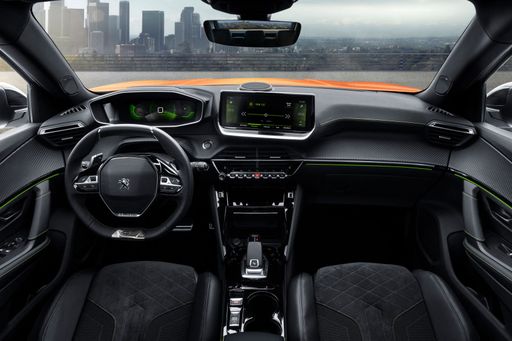
Inside the cabin, both models accommodate five passengers comfortably, with the Peugeot 2008 offering a trunk capacity of 434 liters, slightly less than the VW T-Cross’s 455 liters, providing a practical edge when it comes to storage. Peugeot's flair for interior design shines through with its high-tech i-Cockpit, featuring a compact steering wheel and a prominent digital display.

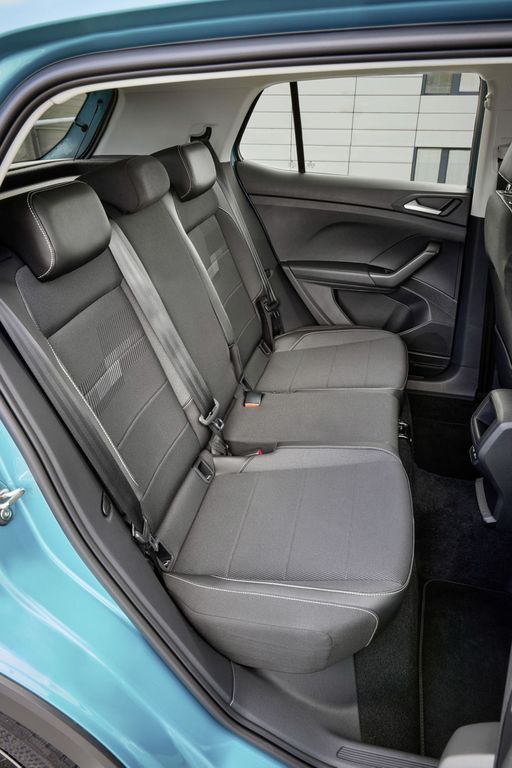
Conversely, the T-Cross presents a more traditional and spacious layout with VW's user-friendly infotainment system. Both vehicles are equipped with modern amenities, but the Peugeot 2008 emphasizes a more stylish and futuristic cabin feel.

2008

Sustainability and Innovations

As sustainability becomes a vital factor for consumers, the Peugeot 2008 takes the lead, offering both petrol and electric powertrains. The electric model boasts a range of up to 406 km and a battery capacity of 51 kWh, catering to eco-conscious drivers looking to reduce their carbon footprint.

Meanwhile, the T-Cross doesn't offer an electric variant, but it does come with efficient petrol engines designed to minimize emissions, earning it a CO2 efficiency class of D. While it may lack the electric option, VW has implemented numerous fuel-saving technologies throughout its lineup.

T-Cross

Final Verdict

Ultimately, the decision between the Peugeot 2008 and the VW T-Cross largely depends on individual preferences. If you prioritize innovative design, electrification options, and sporty performance, the Peugeot 2008 could be your ideal choice. Conversely, if you prefer a more practical and spacious vehicle with robust engine options, the VW T-Cross is worth considering.

Both models have their strengths, making them compelling choices in the growing compact SUV market. Assess your needs, test drive both options, and make an informed decision that suits your lifestyle.

Here’s where it gets real: The technical differences in detail

T-Cross

Costs and Efficiency:

Looking at overall running costs, both models reveal some interesting differences in everyday economy.

VW T-Cross is slightly cheaper – starting at 21,400 £ , while the Peugeot 2008 costs 24,800 £ . That’s a price difference of around 3,368 £.

Fuel consumption also shows a difference: the Peugeot 2008 uses 4.9 L/100km and is somewhat more efficient than the VW T-Cross with 5.4 L/100km. The difference is about 0.5 L/100km.

2008

Engine and Performance:

Power, torque and acceleration are the classic benchmarks for car enthusiasts – and here, some clear differences start to show.

When it comes to engine power, the Peugeot 2008 offers marginally more power – delivering 156 HP compared to 150 HP. That’s roughly 6 HP more horsepower.

When accelerating from 0 to 100 km/h, the Peugeot 2008 is very slightly quicker – completing the sprint in 8.3 s, while the VW T-Cross takes 8.4 s. That’s about 0.1 s quicker.

There’s also a difference in torque: the Peugeot 2008 delivers only slightly more torque with 270 Nm compared to 250 Nm. That’s about 20 Nm more.

T-Cross

Space and Everyday Use:

Cabin size, boot volume and payload all play a role in everyday practicality. Here, comfort and flexibility make the difference.

Both vehicles offer seating for 5 people.

In terms of curb weight, Peugeot 2008 is only slightly lighter – 1,263 kg compared to 1,267 kg. The difference is around 4 kg.

Looking at boot space, the VW T-Cross offers marginally more boot space – 455 L compared to 434 L. That’s a difference of about 21 L.

When it comes to payload, the VW T-Cross carries only slightly more – 480 kg compared to 447 kg. That’s a difference of about 33 kg.

Who wins the race in the data check?

The Peugeot 2008 comes out clearly ahead in the objective data comparison.
This result only shows which model scores more points on paper – not which of the two cars feels right for you.

from £24,800
2008

Peugeot 2008

  • Engine Type : Electric, Petrol MHEV, Petrol
  • Transmission : Automatic, Manuel
  • Drive Type : Front-Wheel Drive
  • Power HP : 101 - 156 HP
  • Consumption L/100km : 4.9 - 5.7 L/100km
  • Consumption kWh/100km : 15.3 - 15.5 kWh/100km
  • Electric Range : 405 - 406 km
VW T-Cross
Peugeot 2008

Costs and Consumption

View detailed analysis

Engine and Performance

View detailed analysis

Dimensions and Body

View detailed analysis

VW T-Cross

The VW T-Cross turns everyday practicality into a style statement, offering a roomy-feeling cabin, clever storage and playful design that suits town life and family duties alike. On the road it's composed and relaxed, rewarding buyers who want the raised seating and confident presence of an SUV without the weighty compromises.

details

Peugeot 2008

The Peugeot 2008 is a stylish, city-friendly crossover that packs big character into a compact package, turning mundane errands into a mildly entertaining drive. Its clever interior layout, polished looks and confident ride make it a smart choice for buyers who want practical daily sense with a touch of flair.

details
VW T-Cross
Peugeot 2008

Costs and Consumption

Price
21,400 - 32,000 £
Price
24,800 - 40,400 £
Consumption L/100km
5.4 - 6 L/100km
Consumption L/100km
4.9 - 5.7 L/100km
Consumption kWh/100km
-
Consumption kWh/100km
15.3 - 15.5 kWh/100km
Electric Range
-
Electric Range
405 - 406 km
Battery Capacity
-
Battery Capacity
51 kWh
co2
124 - 136 g/km
co2
0 - 129 g/km
Fuel tank capacity
-
Fuel tank capacity
44 L

Dimensions and Body

Body Type
SUV
Body Type
SUV
Seats
5
Seats
5
Doors
-
Doors
5
Curb weight
1,267 - 1,338 kg
Curb weight
1,263 - 1,623 kg
Trunk capacity
455 L
Trunk capacity
434 L
Length
-
Length
4,304 mm
Width
1,784 mm
Width
1,770 mm
Height
-
Height
1,523 mm
Max trunk capacity
-
Max trunk capacity
1,467 L
Payload
463 - 480 kg
Payload
407 - 447 kg

Engine and Performance

Engine Type
Petrol
Engine Type
Electric, Petrol MHEV, Petrol
Transmission
Manuel, Automatic
Transmission
Automatic, Manuel
Transmission Detail
Manual Gearbox, Dual-Clutch Automatic
Transmission Detail
Reduction Gearbox, Dual-Clutch Automatic, Manual Gearbox
Drive Type
Front-Wheel Drive
Drive Type
Front-Wheel Drive
Power HP
95 - 150 HP
Power HP
101 - 156 HP
Acceleration 0-100km/h
8.4 - 11.3 s
Acceleration 0-100km/h
8.3 - 10.9 s
Max Speed
-
Max Speed
150 - 206 km/h
Torque
175 - 250 Nm
Torque
205 - 270 Nm
Number of Cylinders
3 - 4
Number of Cylinders
3
Power kW
70 - 110 kW
Power kW
74 - 115 kW
Engine capacity
999 - 1,498 cm3
Engine capacity
1,199 cm3

General

Model Year
2,024 - 2,025
Model Year
2,023 - 2,026
CO2 Efficiency Class
D, E
CO2 Efficiency Class
A, C, D
Brand
VW
Brand
Peugeot
DriveDuel uses data analysis and artificial intelligence to evaluate vehicle data and create content. Content is regularly reviewed and improved. The displayed prices are estimates based on German list prices, adjusted to the respective country’s VAT. Country-specific registration taxes are not included. This information is not legally binding.