
 Deutschland
 France
 Nederland
 Great Britain
 Sverige
 Danmark
 Suomi
Suomi Italia
 Polska
 España
VS
VW T-Roc vs BYD Seal 6 comparison
Compare performance (150 HP vs 212 HP), boot space and price (26400 £ vs 36800 £ ) at a glance. Find out which car is the better choice for you – VW T-Roc or BYD Seal 6?
T-Roc
Costs and Efficiency:
Looking at overall running costs, both models reveal some interesting differences in everyday economy.
VW T-Roc has a evident advantage in terms of price – it starts at 26400 £ , while the BYD Seal 6 costs 36800 £ . That’s a price difference of around 10410 £.
Fuel consumption also shows a difference: BYD Seal 6 manages with 1.70 L and is therefore convincingly more efficient than the VW T-Roc with 5.50 L. The difference is about 3.80 L per 100 km.
Seal 6
Engine and Performance:
Power, torque and acceleration say a lot about how a car feels on the road. This is where you see which model delivers more driving dynamics.
When it comes to engine power, the BYD Seal 6 has a evident edge – offering 212 HP compared to 150 HP. That’s roughly 62 HP more horsepower.
In acceleration from 0 to 100 km/h, the BYD Seal 6 is slight quicker – completing the sprint in 8.50 s, while the VW T-Roc takes 8.90 s. That’s about 0.40 s faster.
T-Roc
Space and Everyday Use:
Whether family car or daily driver – which one offers more room, flexibility and comfort?
Both vehicles offer seating for 5 people.
In curb weight, VW T-Roc is to a small extent lighter – 1465 kg compared to 1710 kg. The difference is around 245 kg.
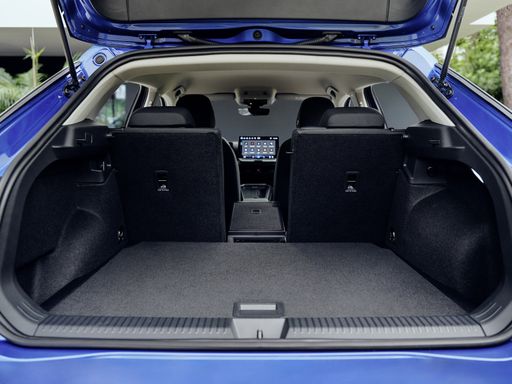
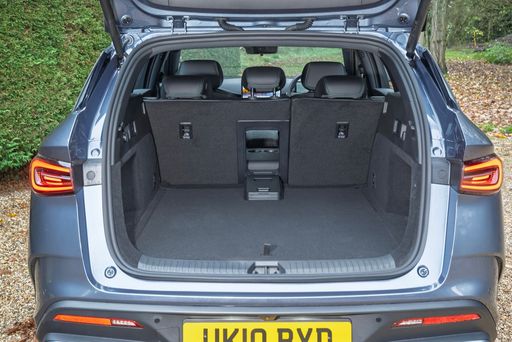
In terms of boot space, the BYD Seal 6 offers significantly more room – 500 L compared to 284 L. That’s a difference of about 216 L.
When it comes to payload, VW T-Roc slightly takes the win – 515 kg compared to 435 kg. That’s a difference of about 80 kg.
Who wins the race in the data check?
The BYD Seal 6 is clearly superior overall in the objective data comparison.
This result only shows which model scores more points on paper – not which of the two cars feels right for you.
VW T-Roc
BYD Seal 6
Costs and Consumption
View detailed analysis
View detailed analysis
Engine and Performance
View detailed analysis
View detailed analysis
Dimensions and Body
View detailed analysis
View detailed analysis
from about £36,800
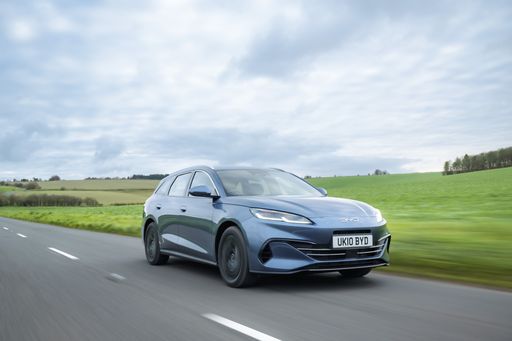
BYD Seal 6
VW T-Roc
4.7 (4 Reviews)
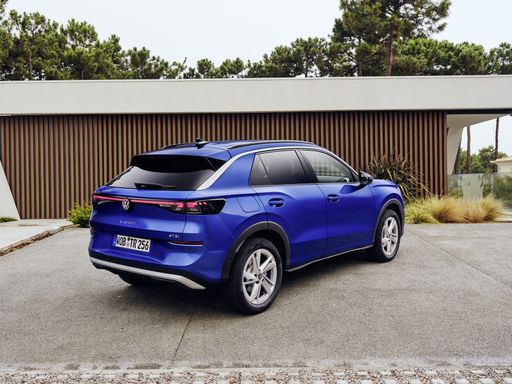
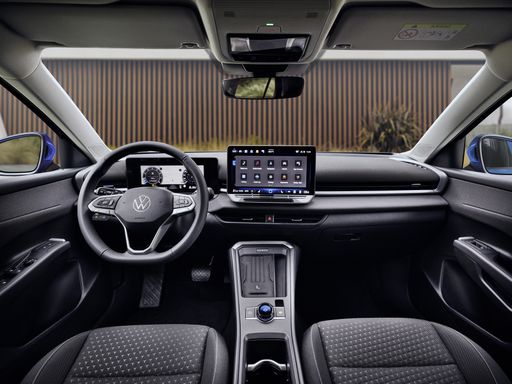
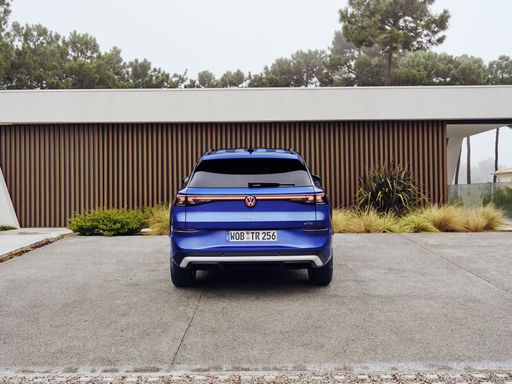
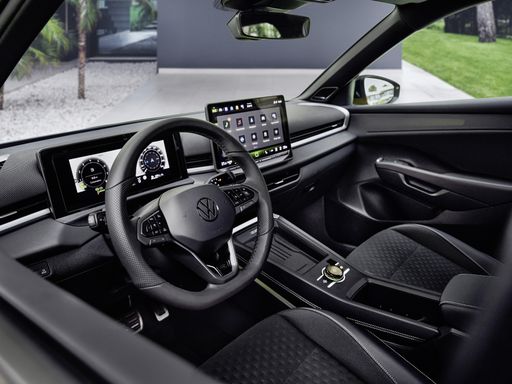
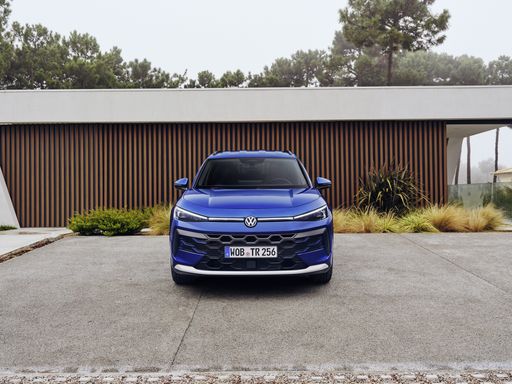
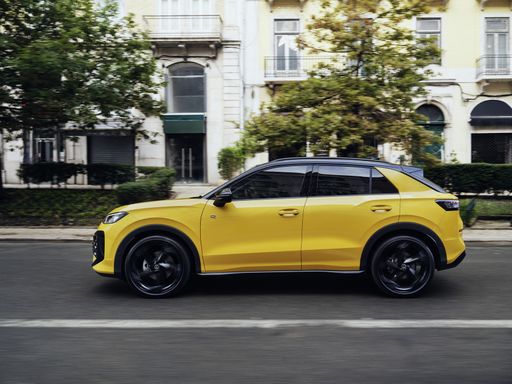
The VW T-Roc mixes cheeky, coupe-like styling with the everyday sense and space of an SUV, so it looks fun without sacrificing family sense. It’s a likeable all-rounder with tidy road manners and plenty of personality, ideal if you want a car that’s practical enough for chores but entertaining enough to enjoy.
details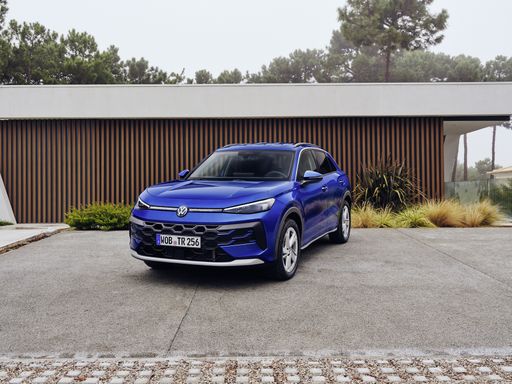
BYD Seal 6
4.7 (2 Reviews)
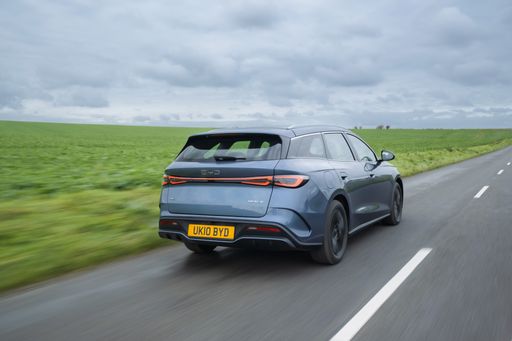
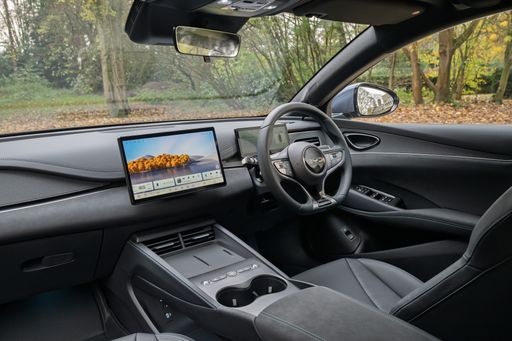
The BYD Seal 6 is a captivating electric sedan that captures attention with its sleek design and modern aerodynamics. With a strong focus on sustainability, it offers an impressive electric driving experience, combining efficiency with cutting-edge technology. The Seal 6 stands out in the EV market for its luxurious interior and innovative features, making it a strong contender for drivers looking to embrace the future of transportation.
details
VW T-Roc
BYD Seal 6
Costs and Consumption |
|
|---|---|
|
Price
26400 - 38600 £
|
Price
36800 - 42800 £
|
|
Consumption L/100km
5.5 - 6.3 L
|
Consumption L/100km
1.7 - 2.6 L
|
|
Consumption kWh/100km
-
|
Consumption kWh/100km
-
|
|
Electric Range
-
|
Electric Range
50 - 100 km
|
|
Battery Capacity
-
|
Battery Capacity
-
|
|
co2
126 - 143 g/km
|
co2
38 - 60 g/km
|
|
Fuel tank capacity
-
|
Fuel tank capacity
65 L
|
Dimensions and Body |
|
|---|---|
|
Body Type
SUV
|
Body Type
Estate
|
|
Seats
4 - 5
|
Seats
5
|
|
Doors
-
|
Doors
5
|
|
Curb weight
1465 - 1539 kg
|
Curb weight
1710 - 1805 kg
|
|
Trunk capacity
284 L
|
Trunk capacity
500 L
|
|
Length
-
|
Length
4840 mm
|
|
Width
1811 - 1828 mm
|
Width
1875 mm
|
|
Height
-
|
Height
1505 mm
|
|
Max trunk capacity
-
|
Max trunk capacity
1535 L
|
|
Payload
368 - 515 kg
|
Payload
435 kg
|
Engine and Performance |
|
|---|---|
|
Engine Type
Petrol, Petrol MHEV
|
Engine Type
Plugin Hybrid
|
|
Transmission
Manuel, Automatic
|
Transmission
Automatic
|
|
Transmission Detail
Manual Gearbox, Dual-Clutch Automatic
|
Transmission Detail
CVT
|
|
Drive Type
Front-Wheel Drive
|
Drive Type
Front-Wheel Drive
|
|
Power HP
115 - 150 HP
|
Power HP
184 - 212 HP
|
|
Acceleration 0-100km/h
8.9 - 12.3 s
|
Acceleration 0-100km/h
8.5 - 8.9 s
|
|
Max Speed
-
|
Max Speed
180 km/h
|
|
Torque
200 - 250 Nm
|
Torque
-
|
|
Number of Cylinders
3 - 4
|
Number of Cylinders
4
|
|
Power kW
85 - 110 kW
|
Power kW
135 - 156 kW
|
|
Engine capacity
999 - 1498 cm3
|
Engine capacity
1498 cm3
|
General |
|
|---|---|
|
Model Year
2024 - 2025
|
Model Year
2025
|
|
CO2 Efficiency Class
E, D
|
CO2 Efficiency Class
B
|
|
Brand
VW
|
Brand
BYD
|
Is the VW T-Roc offered with different drivetrains?
Available configurations include Front-Wheel Drive.
The prices shown are estimates based on German list prices, adjusted for local VAT. Local registration taxes (e.g. NoVA, BPM or CO2 malus) are not included. This information is not legally binding.