VS

VW Tiguan vs BMW X3 comparison

Compare performance (272 HP vs 398 HP), boot space and price (33,600 £ vs 51,700 £ ) at a glance. Find out which car is the better choice for you – VW Tiguan or BMW X3?

VW Tiguan vs BMW X3: Key differences

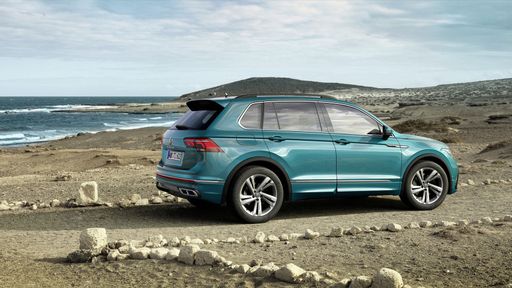
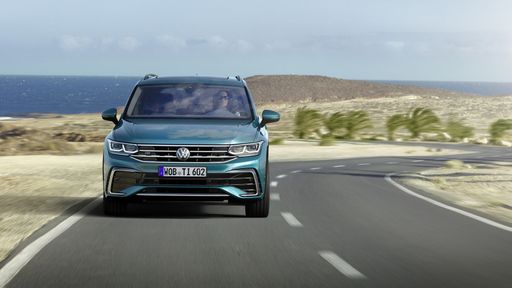
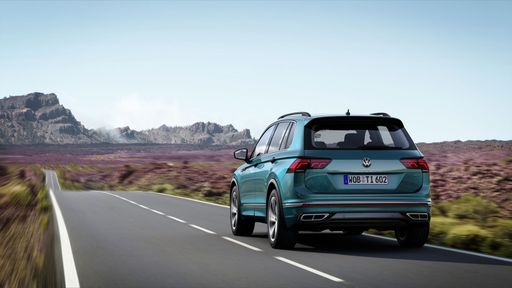
VW Tiguan

4.1 (9 Reviews)
rate
  • considerably cheaper
  • substantially more efficient
  • clearly more electric range
  • clearly lighter
  • somewhat more trunk space
details

BMW X3

4.6 (1 Reviews)
rate
  • noticeably more power
  • markedly quicker 0–100 km/h
details

All details on performance, efficiency, range and trunk space can be found in the technical comparison below – including user reviews for both models.

By Achim Sedelmaier

Tiguan

A Clash of SUVs: BMW X3 vs. VW Tiguan

In the competitive landscape of compact SUVs, the BMW X3 and VW Tiguan stand as two compelling options, each boasting unique attributes aimed at distinct customer preferences. As consumers become increasingly discerning, the choice between performance, technology, and versatility becomes crucial. This article delves into a detailed comparison of these two titans, exploring their technical aspects and innovative features.
X3

Powertrains and Performance

The BMW X3 offers a robust lineup of powertrains, including Diesel MHEV, Petrol MHEV, Plugin Hybrid, and standard petrol options. Engine choices range from a base power of 190 HP up to an exhilarating 510 HP in the high-performance variant. With zero to 100 km/h acceleration times ranging from an impressive 3.8 seconds to a more moderate 8.4 seconds, the X3 showcases its performance pedigree.

On the flip side, the VW Tiguan features a more modest power range, offering petrol, diesel, and hybrid variants. Power outputs peak at 272 HP with acceleration times from 5.9 seconds to 10.6 seconds, depending on the engine selected. While the Tiguan may not match the X3's top-end performance, its handling and agility make it a commendable option for everyday driving.

Tiguan

Innovative Technology

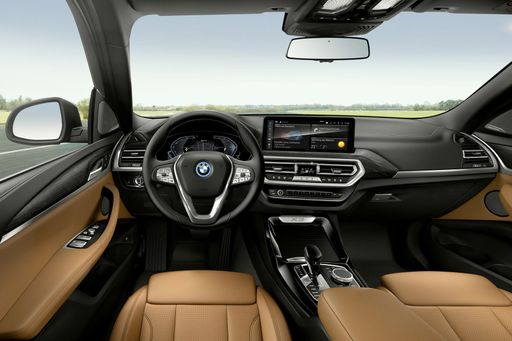
Both vehicles are equipped with a plethora of tech-savvy features designed to enhance driving experiences. The BMW X3 showcases innovations like the iDrive infotainment system, which integrates navigation, smartphone connectivity, and driver assistance systems seamlessly into the cockpit. The optional Gesture Control adds a touch of futuristic flair, granting drivers the ability to operate certain functions with simple hand movements.

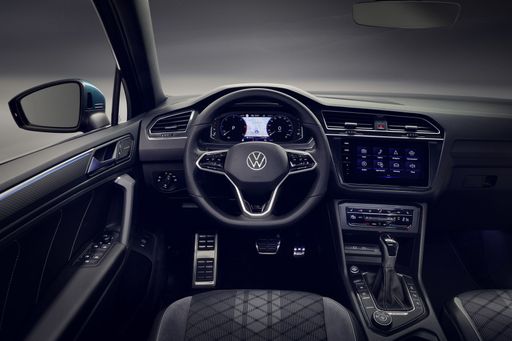
The VW Tiguan, on the other hand, prides itself on its user-friendly interface, benefitting from the latest version of the VW Digital Cockpit. This customizable digital display provides critical driving information and is supplemented by the Discover Pro infotainment system. Additionally, the Tiguan offers an impressive array of safety features, including Adaptive Cruise Control and Emergency Braking, ensuring both convenience and peace of mind.

X3

Design and Comfort

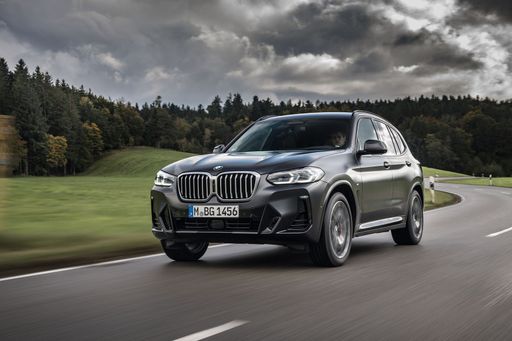
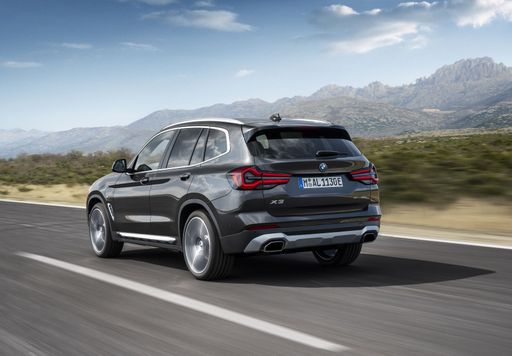
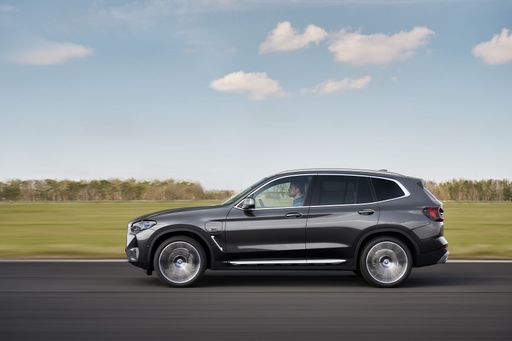
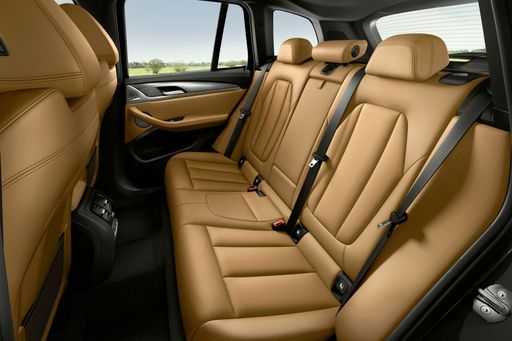
In terms of design, the X3 emanates a premium automotive aura with its muscular stance and signature kidney grille. Inside, it offers a meticulously crafted cabin focused on driver-centric ergonomics. The X3 provides ample legroom and a trunk capacity of up to 570 liters, catering to families and active lifestyles alike.

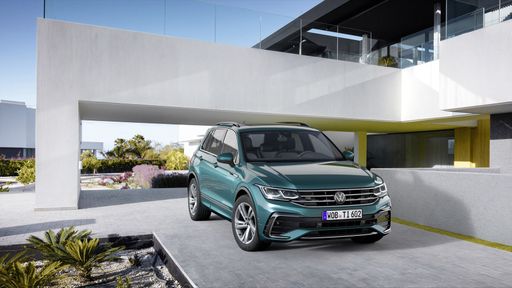
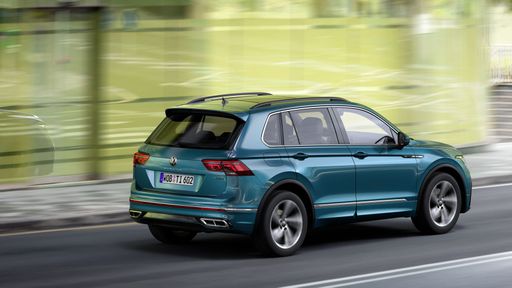
The VW Tiguan, while slightly smaller, doesn’t compromise on style or space. Its contemporary design and high-quality materials create an inviting atmosphere. The Tiguan boasts an impressive trunk capacity of up to 652 liters, also making it a great choice for those needing extra storage space. Both models comfortably seat five and are designed for long trips or city commutes alike.

Tiguan

Fuel Efficiency

When it comes to fuel consumption, the X3’s petrol variants average around 6 to 7.6 liters per 100 km, while the hybrid models provide additional efficiency, with plug-in options yielding consumption as low as 2.1 liters. These numbers illustrate BMW's commitment to efficiency alongside performance.

Conversely, the Tiguan’s petrol variants range from 5.3 to 7.7 liters per 100 km, with its hybrid variants shining in urban settings. The Tiguan's efficient use of power makes it a practical choice for environmentally conscious consumers.

X3

Conclusion: Which SUV Reigns Supreme?

Ultimately, the choice between the BMW X3 and VW Tiguan boils down to personal preference. The BMW X3 excels in raw power, luxury, and driving dynamics, making it an ideal choice for enthusiasts seeking performance and prestige. Meanwhile, the VW Tiguan offers exceptional value, practical space, and innovative technology, appealing to families and everyday drivers alike.

Both vehicles showcase a commitment to quality, performance, and technology, ensuring that whichever you choose, each journey will be an exciting adventure.

Here’s where it gets real: The technical differences in detail

Tiguan

Costs and Efficiency:

Looking at overall running costs, both models reveal some interesting differences in everyday economy.

VW Tiguan is considerably cheaper – starting at 33,600 £ , while the BMW X3 costs 51,700 £ . That’s a price difference of around 18,107 £.

Fuel consumption also shows a difference: the VW Tiguan uses 1.4 L/100km and is substantially more efficient than the BMW X3 with 2.8 L/100km. The difference is about 1.4 L/100km.

As for electric range, the VW Tiguan offers clearly more range – reaching up to 126 km, about 38 km more than the BMW X3.

X3

Engine and Performance:

Power, torque and acceleration say a lot about how a car feels on the road. This is where you see which model delivers more driving dynamics.

When it comes to engine power, the BMW X3 offers noticeably more power – delivering 398 HP compared to 272 HP. That’s roughly 126 HP more horsepower.

When accelerating from 0 to 100 km/h, the BMW X3 is markedly quicker – completing the sprint in 4.6 s, while the VW Tiguan takes 5.9 s. That’s about 1.3 s quicker.

There’s also a difference in torque: the BMW X3 delivers clearly more torque with 670 Nm compared to 400 Nm. That’s about 270 Nm more.

Tiguan

Space and Everyday Use:

Whether family car or daily driver – which one offers more room, flexibility and comfort?

Both vehicles offer seating for 5 people.

In terms of curb weight, VW Tiguan is clearly lighter – 1,599 kg compared to 1,930 kg. The difference is around 331 kg.

Looking at boot space, the VW Tiguan offers somewhat more boot space – 652 L compared to 570 L. That’s a difference of about 82 L.

When it comes to payload, the BMW X3 carries marginally more – 570 kg compared to 544 kg. That’s a difference of about 26 kg.

Who wins the race in the data check?

The VW Tiguan is clearly superior overall in the objective data comparison.
This result only shows which model scores more points on paper – not which of the two cars feels right for you.

from £33,600
Tiguan

VW Tiguan

  • Engine Type : Petrol MHEV, Petrol, Diesel, Plugin Hybrid
  • Transmission : Automatic
  • Drive Type : Front-Wheel Drive, All-Wheel Drive
  • Power HP : 130 - 272 HP
  • Consumption L/100km : 1.4 - 8.4 L/100km
  • Electric Range : 118 - 126 km
VW Tiguan
BMW X3

Costs and Consumption

View detailed analysis

Engine and Performance

View detailed analysis

Dimensions and Body

View detailed analysis

VW Tiguan

The VW Tiguan is a well-rounded compact SUV that delivers a comfortable cabin, composed ride and practical space suited to everyday family life. Its straightforward tech and clever storage make it easy to live with, leaning toward sensible refinement rather than flash.

details

BMW X3

The BMW X3 blends sporty handling with premium comfort, making it a strong choice for drivers who want an engaging everyday SUV. Its well-appointed interior and confident road manners give it broad appeal for families and commuters who value style and versatility.

details
VW Tiguan
BMW X3

Costs and Consumption

Price
33,600 - 54,600 £
Price
51,700 - 73,000 £
Consumption L/100km
1.4 - 8.4 L/100km
Consumption L/100km
2.8 - 7.7 L/100km
Consumption kWh/100km
-
Consumption kWh/100km
-
Electric Range
118 - 126 km
Electric Range
88 km
Battery Capacity
-
Battery Capacity
-
co2
32 - 190 g/km
co2
64 - 175 g/km
Fuel tank capacity
-
Fuel tank capacity
-

Dimensions and Body

Body Type
SUV
Body Type
SUV
Seats
5
Seats
5
Doors
-
Doors
-
Curb weight
1,599 - 1,879 kg
Curb weight
1,930 - 2,140 kg
Trunk capacity
490 - 652 L
Trunk capacity
460 - 570 L
Length
-
Length
-
Width
1,842 - 1,859 mm
Width
1,920 mm
Height
-
Height
-
Max trunk capacity
-
Max trunk capacity
-
Payload
460 - 544 kg
Payload
570 kg

Engine and Performance

Engine Type
Petrol MHEV, Petrol, Diesel, Plugin Hybrid
Engine Type
Petrol MHEV, Diesel MHEV, Plugin Hybrid
Transmission
Automatic
Transmission
Automatic
Transmission Detail
Dual-Clutch Automatic
Transmission Detail
Automatic Gearbox
Drive Type
Front-Wheel Drive, All-Wheel Drive
Drive Type
All-Wheel Drive
Power HP
130 - 272 HP
Power HP
197 - 398 HP
Acceleration 0-100km/h
5.9 - 10.6 s
Acceleration 0-100km/h
4.6 - 7.8 s
Max Speed
-
Max Speed
-
Torque
220 - 400 Nm
Torque
330 - 670 Nm
Number of Cylinders
4
Number of Cylinders
4 - 6
Power kW
96 - 200 kW
Power kW
145 - 293 kW
Engine capacity
1,498 - 1,984 cm3
Engine capacity
1,995 - 2,998 cm3

General

Model Year
2,024 - 2,026
Model Year
2,024 - 2,025
CO2 Efficiency Class
D, E, F, B, G
CO2 Efficiency Class
F, E, B
Brand
VW
Brand
BMW
DriveDuel uses data analysis and artificial intelligence to evaluate vehicle data and create content. Content is regularly reviewed and improved. The displayed prices are estimates based on German list prices, adjusted to the respective country’s VAT. Country-specific registration taxes are not included. This information is not legally binding.