VS

XPeng G6 vs BYD Seal comparison

Compare performance (487 HP vs 530 HP), boot space and price (37,400 £ vs 40,300 £ ) at a glance. Find out which car is the better choice for you – XPeng G6 or BYD Seal?

XPeng G6 vs BYD Seal: Key differences

XPeng G6

5 (3 Reviews)
rate
  • only slightly cheaper
  • markedly more trunk space

BYD Seal

  • very slightly more power
  • somewhat more efficient
  • barely more electric range
  • only slightly quicker 0–100 km/h
  • only slightly lighter

All details on performance, efficiency, range and trunk space can be found in the technical comparison below – including user reviews for both models.

G6

Battle of the Electric Titans: BYD Seal vs XPeng G6

As the electric vehicle (EV) market continues to evolve, two strong candidates have emerged: the BYD Seal and the XPeng G6. These models represent the latest in automotive innovation, both promising high performance, advanced technology, and sustainability. This article delves into a comparative analysis highlighting their technical aspects, design elements, and unique innovations.
Seal

Design and Body Type

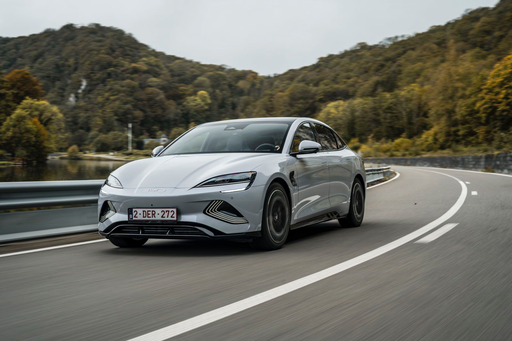
The BYD Seal sports a sleek sedan profile with dimensions measuring 4800 mm in length, 1875 mm in width, and 1460 mm in height. This sporty design is complemented by a modern aerodynamic shape, which not only enhances aesthetics but also improves drag efficiency.

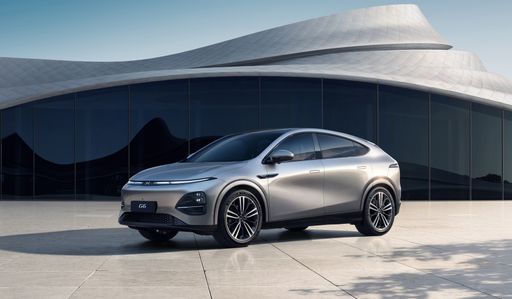
On the other hand, the XPeng G6 takes on an SUV form factor, offering a more rugged and spacious alternative. With dimensions of 4753 mm in length, 1920 mm in width, and 1650 mm in height, it presents a taller, more commanding presence on the road. The G6's additional trunk space of 571 liters provides ample room for both passengers and cargo.

G6

Powertrain and Performance

Under the hood, the BYD Seal offers two power configurations: an impressive 313 HP in its rear-wheel drive option and a robust 530 HP in the all-wheel drive variant. The electric range stands out at approximately 570 km, thanks to a consumption rate of just 16.6 kWh/100 km. Acceleration is equally notable, with a blistering 0 to 100 km/h time of just 3.8 seconds for the high-performance version.

In contrast, the XPeng G6 also presents multiple options, with its rear-wheel drive model delivering 286 HP while the all-wheel drive version peaks at 476 HP. The G6's range is a bit lower—up to 550 km depending on configuration—with a slightly higher consumption of 17.5 kWh/100 km. The vehicle demonstrates commendable acceleration figures, with a quickest 0 to 100 km/h at just 4.1 seconds.

Seal

Battery and Charging Innovations

Battery technology plays a vital role in the performance of electric vehicles. The BYD Seal offers a solid package, using a high-capacity battery that enables it to achieve impressive electric range and efficiency. This model emphasizes sustainability with zero CO2 emissions, achieving a “CO2 Efficiency Class” of A.

The XPeng G6 enhances charging features with its adaptable battery capacities of 66 kWh and 87.5 kWh, delivering longer journeys of up to 570 km in select trims. With a similar CO2 Efficiency Class rating of A, it underscores XPeng's commitment to creating environmentally friendly vehicles.

Interior Comfort and Technology

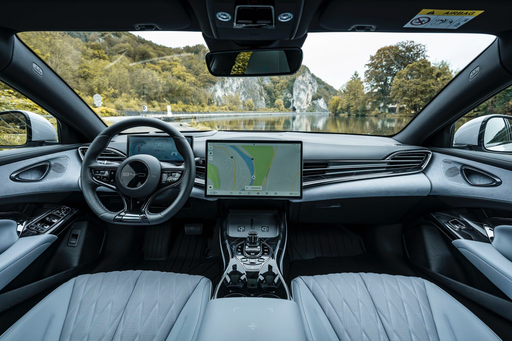
Inside, the BYD Seal features a driver-centric cockpit with advanced infotainment systems designed for ease of use and connectivity. High-quality materials ensure a premium feel, and ample trunk space of 400 liters provides practical utility for everyday use.

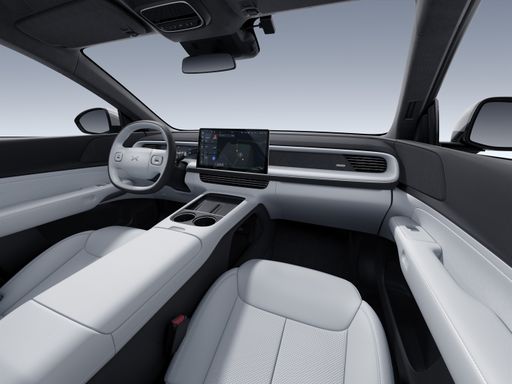
Meanwhile, the XPeng G6 shines with its spacious interior and advanced technology offerings. High-resolution displays and intelligent voice control systems add a futuristic touch, while spacious seating ensures comfort for five occupants. The SUV's greater trunk capacity proves beneficial for families or individuals requiring extra storage.

Conclusion: Which One Comes Out on Top?

The choice between the BYD Seal and the XPeng G6 ultimately boils down to individual preferences. If you're seeking a high-performance sedan that excels in efficiency and acceleration, the BYD Seal is an exceptional choice. However, for those who prioritize spaciousness and an SUV experience combined with innovative technology, the XPeng G6 may be more appealing.

Both models embody the future of electric mobility, delivering dynamic driving experiences with minimal environmental impact. The ongoing evolution of the electric vehicle market suggests that competition will only continue to intensify, pushing the boundaries of technology and sustainability.

Here’s where it gets real: The technical differences in detail

G6

Costs and Efficiency:

Looking at overall running costs, both models reveal some interesting differences in everyday economy.

XPeng G6 is only slightly cheaper – starting at 37,400 £ , while the BYD Seal costs 40,300 £ . That’s a price difference of around 2,906 £.

In terms of energy consumption, the BYD Seal is somewhat more efficient: consuming 15.4 kWh/100km compared to 17.3 kWh/100km for the XPeng G6. That’s a difference of about 1.9 kWh/100km.

As for electric range, the BYD Seal offers barely more range – reaching up to 570 km, about 45 km more than the XPeng G6.

Seal

Engine and Performance:

Power, torque and acceleration are the classic benchmarks for car enthusiasts – and here, some clear differences start to show.

When it comes to engine power, the BYD Seal offers very slightly more power – delivering 530 HP compared to 487 HP. That’s roughly 43 HP more horsepower.

When accelerating from 0 to 100 km/h, the BYD Seal is only slightly quicker – completing the sprint in 3.8 s, while the XPeng G6 takes 4.1 s. That’s about 0.3 s quicker.

There’s also a difference in torque: the BYD Seal delivers only slightly more torque with 670 Nm compared to 660 Nm. That’s about 10 Nm more.

G6

Space and Everyday Use:

Beyond pure performance, interior space and usability matter most in daily life. This is where you see which car is more practical and versatile.

Both vehicles offer seating for 5 people.

In terms of curb weight, BYD Seal is only slightly lighter – 1,907 kg compared to 2,065 kg. The difference is around 158 kg.

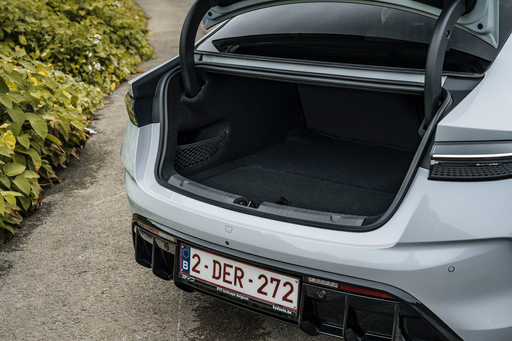
Looking at boot space, the XPeng G6 offers markedly more boot space – 571 L compared to 400 L. That’s a difference of about 171 L.

When it comes to payload, the XPeng G6 carries only slightly more – 475 kg compared to 473 kg. That’s a difference of about 2 kg.

Who wins the race in the data check?

The BYD Seal sits just ahead overall in the objective data comparison.
This result only shows which model scores more points on paper – not which of the two cars feels right for you.

from £40,300
Seal

BYD Seal

  • Engine Type : Electric
  • Transmission : Automatic
  • Drive Type : Rear-Wheel Drive, All-Wheel Drive
  • Power HP : 231 - 530 HP
  • Consumption kWh/100km : 15.4 - 18.2 kWh/100km
  • Electric Range : 460 - 570 km
XPeng G6
BYD Seal

Costs and Consumption

View detailed analysis

Engine and Performance

View detailed analysis

Dimensions and Body

View detailed analysis

XPeng G6

The XPeng G6 looks like a sleeker, tech-rich alternative to conventional electric SUVs, with an interior that feels modern, airy and purposefully designed for everyday comfort. On the road it’s composed and surprisingly engaging, giving drivers a smart mix of calm refinement and a playful streak — not bad for a car that quietly challenges the usual premium suspects.

details

BYD Seal

The BYD Seal is a sleek electric fastback that punches above its class with sporty looks and a surprisingly premium cabin, offering a very modern alternative for buyers who want style and substance without the badge snobbery. On the road it feels composed and eager, packed with tech and everyday practicality—ideal for shoppers after eco-friendly performance with a cheeky wink.

details
XPeng G6
BYD Seal

Costs and Consumption

Price
37,400 - 44,200 £
Price
40,300 - 45,400 £
Consumption L/100km
-
Consumption L/100km
-
Consumption kWh/100km
17.3 - 18.4 kWh/100km
Consumption kWh/100km
15.4 - 18.2 kWh/100km
Electric Range
455 - 525 km
Electric Range
460 - 570 km
Battery Capacity
-
Battery Capacity
-
co2
0 g/km
co2
0 g/km
Fuel tank capacity
-
Fuel tank capacity
-

Dimensions and Body

Body Type
SUV
Body Type
Sedan
Seats
5
Seats
5
Doors
-
Doors
4
Curb weight
2,065 - 2,220 kg
Curb weight
1,907 - 2,185 kg
Trunk capacity
571 L
Trunk capacity
400 L
Length
-
Length
4,800 mm
Width
1,920 mm
Width
1,875 mm
Height
-
Height
1,460 mm
Max trunk capacity
-
Max trunk capacity
-
Payload
470 - 475 kg
Payload
446 - 473 kg

Engine and Performance

Engine Type
Electric
Engine Type
Electric
Transmission
Automatic
Transmission
Automatic
Transmission Detail
Reduction Gearbox
Transmission Detail
Reduction Gearbox
Drive Type
Rear-Wheel Drive, All-Wheel Drive
Drive Type
Rear-Wheel Drive, All-Wheel Drive
Power HP
252 - 487 HP
Power HP
231 - 530 HP
Acceleration 0-100km/h
4.1 - 6.9 s
Acceleration 0-100km/h
3.8 - 7.5 s
Max Speed
-
Max Speed
180 km/h
Torque
440 - 660 Nm
Torque
360 - 670 Nm
Number of Cylinders
-
Number of Cylinders
-
Power kW
185 - 358 kW
Power kW
170 - 390 kW
Engine capacity
-
Engine capacity
-

General

Model Year
2,025
Model Year
2,023 - 2,025
CO2 Efficiency Class
A
CO2 Efficiency Class
A
Brand
XPeng
Brand
BYD
DriveDuel uses data analysis and artificial intelligence to evaluate vehicle data and create content. Content is regularly reviewed and improved. The displayed prices are estimates based on German list prices, adjusted to the respective country’s VAT. Country-specific registration taxes are not included. This information is not legally binding.