VS

ZEEKR 7GT vs XPeng P7+ comparison

Compare performance (646 HP vs 503 HP), boot space and price (41,100 £ vs 39,900 £ ) at a glance. Find out which car is the better choice for you – ZEEKR 7GT or XPeng P7+?

ZEEKR 7GT vs XPeng P7+: Key differences

ZEEKR 7GT

4.6 (2 Reviews)
rate
  • visibly more power
  • slightly more electric range
  • markedly quicker 0–100 km/h
details

XPeng P7+

4.9 (1 Reviews)
rate
  • very slightly cheaper
  • very slightly more efficient
  • moderately lighter
  • markedly more trunk space
details

All details on performance, efficiency, range and trunk space can be found in the technical comparison below – including user reviews for both models.

By Achim Sedelmaier

7GT

XPeng P7+ VS ZEEKR 7GT: overview and who should read this comparison

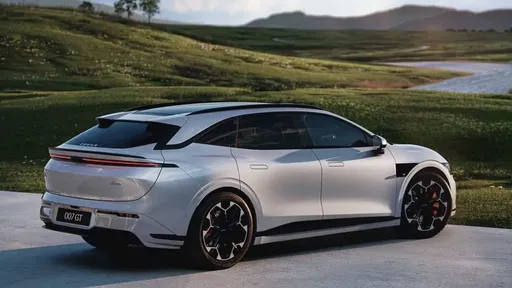
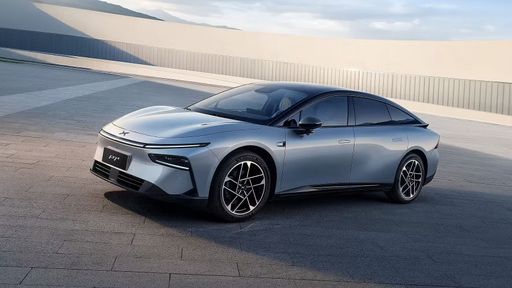
XPeng P7+ VS ZEEKR 7GT sets up a classic contrast: a serene long‑distance limousine against a tech‑forward shooting‑brake with punchy performance. The XPeng P7+ feels like a travel lounge—very quiet, spacious in the rear and built around relaxed motorway miles—where the ZEEKR 7GT aims to impress with premium materials, showy features and stronger straight‑line performance. If you care most about rear‑seat comfort and an unruffled cruise, the XPeng leans in; if you want a striking interior, rapid acceleration and a practical kombi layout, the ZEEKR leans the other way. Read on for how these tendencies play out in everyday comfort, practicality and city versus long‑distance use before the technical numbers decide the fine margins.
P7+

Driving character and performance feel

The XPeng P7+ prioritizes calm, measured progress—throttle response and steering are tuned toward stability rather than immediacy, so it feels composed on motorways but not razor‑sharp through corners. The ZEEKR 7GT counters with a noticeably stronger shove and a more athletic on‑paper setup, so drivers who like instant acceleration and a sporty impression will prefer its character. That said, ZEEKR’s current ride tune can feel soft and the EU suspension calibration is still being refined, so the sporty promise isn’t the same as a firm European sports sedan. In short: XPeng delivers serene, long‑distance authority, while ZEEKR trades some composure for a more dramatic, performance‑first sensation.

7GT

Cabin comfort, materials and everyday usability

The interior of the XPeng P7+ reads as a tech‑lounge—very quiet at speed, seats that favour long‑haul comfort, and rear‑seat options that make it genuinely restful for passengers. The ZEEKR 7GT punches up the premium feel with high‑quality surfaces, large displays and unique touches like electrically opening doors that give a theatrical first impression. Ergonomically they diverge: XPeng’s rear comfort is class‑leading with extensive support, while ZEEKR’s rear seat cushion is lower and the middle seat firmer, so long trips can feel different depending on who you carry. Overall, XPeng leans into serene comfort and usable rear features, ZEEKR into material polish and tech spectacle, with small ergonomic compromises to be aware of.

Practicality and luggage usability

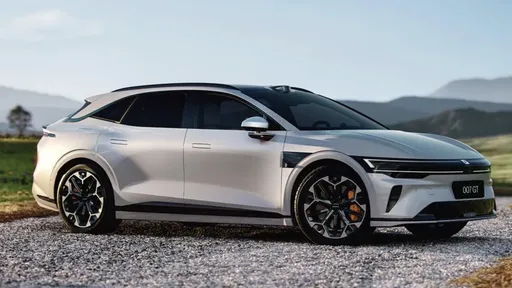
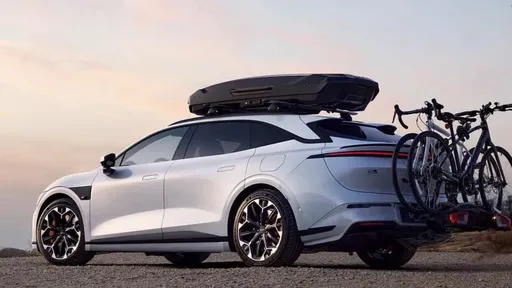
When it comes to daily cargo needs the XPeng P7+ makes life easy with a very large, wide boot and a straightforward loading area that suits family life and travel gear. The ZEEKR 7GT’s shooting‑brake layout and nearly flat load floor plus an extra front luggage compartment give it a clever, versatile edge for irregular loads and a sportier silhouette, even if published capacity figures vary by source. XPeng’s omission of a proper trunk cover is a practical irritation for some users, whereas ZEEKR’s kombi shape often feels more purposeful when you need to stack odd‑shaped items. Choose XPeng for predictable, voluminous everyday cargo; choose ZEEKR if you value modular loading and the flexibility of a flat floor and frunk despite some specification uncertainty.

City friendliness versus long‑distance behavior

In urban settings the XPeng P7+ can feel bulky—its length and width make tight parking and narrow streets more effortful, and its softer steering suits relaxed cruising more than stadia‑tight manoeuvres. The ZEEKR 7GT, while still a D‑segment car, often feels a touch more manageable around town and benefits from helpful cameras and assists, though seat/steering geometry may not suit very tall drivers. On the motorway both cars excel for different reasons: XPeng’s cabin serenity and rear comfort make hours of driving effortless, while ZEEKR’s faster acceleration and high‑speed charging rhythm shorten overall travel time. So urban drivers who prize compactness should look carefully at the ZEEKR’s dimensions and ergonomics, whereas long‑distance commuters will value the XPeng’s calm interior or the ZEEKR’s time‑saving charge-and-go rhythm depending on priorities.

Buyer fit and the trade‑offs that matter before you dive into specs

Pick the XPeng P7+ if your priority is a tranquil, family‑friendly cruiser with a huge boot and rear‑seat amenities—it’s aimed at people who value peace, space and a strong value package over sporty feedback. Choose the ZEEKR 7GT if you want a statement GT that combines premium finishing, quicker off‑the‑line performance and a flexible kombi load area, accepting some ergonomic quirks and a younger brand profile in return. The real decision comes down to trade‑offs: maximum rear comfort and a placid highway demeanour (XPeng) versus bolder tech, stronger performance and a versatile load floor (ZEEKR). With those buyer fits in mind, the technical comparison that follows will help translate these practical differences into concrete charging, range and performance figures to guide the final choice.

Here’s where it gets real: The technical differences in detail

7GT

Costs and Efficiency:

Looking at overall running costs, both models reveal some interesting differences in everyday economy.

XPeng P7+ is very slightly cheaper – starting at 39,900 £ , while the ZEEKR 7GT costs 41,100 £ . That’s a price difference of around 1,192 £.

In terms of energy consumption, the XPeng P7+ is very slightly more efficient: consuming 15.2 kWh/100km compared to 16.6 kWh/100km for the ZEEKR 7GT. That’s a difference of about 1.4 kWh/100km.

As for electric range, the ZEEKR 7GT offers slightly more range – reaching up to 655 km, about 125 km more than the XPeng P7+.

P7+

Engine and Performance:

Power, torque and acceleration say a lot about how a car feels on the road. This is where you see which model delivers more driving dynamics.

When it comes to engine power, the ZEEKR 7GT offers visibly more power – delivering 646 HP compared to 503 HP. That’s roughly 143 HP more horsepower.

When accelerating from 0 to 100 km/h, the ZEEKR 7GT is markedly quicker – completing the sprint in 3.3 s, while the XPeng P7+ takes 4.3 s. That’s about 1 s quicker.

There’s also a difference in torque: the ZEEKR 7GT delivers only slightly more torque with 710 Nm compared to 670 Nm. That’s about 40 Nm more.

7GT

Space and Everyday Use:

Whether family car or daily driver – which one offers more room, flexibility and comfort?

Both vehicles offer seating for 5 people.

In terms of curb weight, XPeng P7+ is moderately lighter – 1,999 kg compared to 2,265 kg. The difference is around 266 kg.

Looking at boot space, the XPeng P7+ offers markedly more boot space – 573 L compared to 456 L. That’s a difference of about 117 L.

Who wins the race in the data check?

The ZEEKR 7GT is clearly ahead overall in the objective data comparison.
This result only shows which model scores more points on paper – not which of the two cars feels right for you.

from £41,100
7GT

ZEEKR 7GT

  • Engine Type Electric
  • Transmission Automatic
  • Drive Type Rear-Wheel Drive, All-Wheel Drive
  • Power HP 421 - 646 HP
  • Consumption kWh/100km 16.6 - 19.8 kWh/100km
  • Electric Range 519 - 655 km
ZEEKR 7GT
XPeng P7+

Costs and Consumption

View detailed analysis

Engine and Performance

View detailed analysis

Dimensions and Body

View detailed analysis

ZEEKR 7GT

The Zeekr 7 GT stakes its claim as a smartly styled, quietly confident grand tourer that mixes comfort with a sporty edge to keep daily drives interesting. Inside it feels more grown-up EV than gadget toy, offering a polished cabin and driver-focused flair that will appeal to buyers who want presence without pretension.

details

XPeng P7+

The XPeng P7+ is a sleek, coupe-like electric sedan that pairs a spacious, tech-forward cabin with an easygoing yet poised driving character — think premium feel without premium smugness. Packed with clever driver aids and a refined ride that earns the odd grin on twisty roads, it’s a compelling, modern alternative to the usual premium suspects.

details
ZEEKR 7GT
XPeng P7+

Costs and Consumption

Price
41,100 - 51,000 £
Price
39,900 - 45,900 £
Consumption L/100km
-
Consumption L/100km
-
Consumption kWh/100km
16.6 - 19.8 kWh/100km
Consumption kWh/100km
15.2 - 17.4 kWh/100km
Electric Range
519 - 655 km
Electric Range
455 - 530 km
Battery Capacity
-
Battery Capacity
-
co2
0 g/km
co2
0 g/km
Fuel tank capacity
-
Fuel tank capacity
-

Dimensions and Body

Body Type
Estate
Body Type
Hatchback
Seats
5
Seats
5
Doors
-
Doors
-
Curb weight
2,265 - 2,405 kg
Curb weight
1,999 - 2,200 kg
Trunk capacity
456 L
Trunk capacity
573 L
Length
-
Length
-
Width
1,910 mm
Width
1,937 mm
Height
-
Height
-
Max trunk capacity
-
Max trunk capacity
-
Payload
-
Payload
485 - 486 kg

Engine and Performance

Engine Type
Electric
Engine Type
Electric
Transmission
Automatic
Transmission
Automatic
Transmission Detail
Reduction Gearbox
Transmission Detail
Reduction Gearbox
Drive Type
Rear-Wheel Drive, All-Wheel Drive
Drive Type
Rear-Wheel Drive, All-Wheel Drive
Power HP
421 - 646 HP
Power HP
245 - 503 HP
Acceleration 0-100km/h
3.3 - 5.3 s
Acceleration 0-100km/h
4.3 - 6.9 s
Max Speed
-
Max Speed
-
Torque
440 - 710 Nm
Torque
450 - 670 Nm
Number of Cylinders
-
Number of Cylinders
-
Power kW
310 - 475 kW
Power kW
180 - 370 kW
Engine capacity
-
Engine capacity
-

General

Model Year
2026
Model Year
2026
CO2 Efficiency Class
A
CO2 Efficiency Class
A
Brand
ZEEKR
Brand
XPeng
DriveDuel uses data analysis and artificial intelligence to evaluate vehicle data and create content. Content is regularly reviewed and improved. The displayed prices are estimates based on German list prices, adjusted to the respective country’s VAT. Country-specific registration taxes are not included. This information is not legally binding.