VS

ZEEKR 7X vs BMW iX3 comparison

Compare performance (646 HP vs 469 HP), boot space and price (45,400 £ vs 54,300 £ ) at a glance. Find out which car is the better choice for you – ZEEKR 7X or BMW iX3?

ZEEKR 7X vs BMW iX3: Key differences

ZEEKR 7X

4.7 (9 Reviews)
rate
  • slightly cheaper
  • visibly more power
  • noticeably quicker 0–100 km/h
details

BMW iX3

4.6 (4 Reviews)
rate
  • clearly more efficient
  • visibly more electric range
  • only slightly lighter
details

All details on performance, efficiency, range and trunk space can be found in the technical comparison below – including user reviews for both models.

By Achim Sedelmaier

7X

Electric Powerhouses Collide: BMW iX3 vs. ZEEKR 7X

The electric SUV market is heating up, with compelling options vying for the attention of eco-conscious drivers. Today, we compare the stalwart BMW iX3 with the innovative and vigorous ZEEKR 7X. Both vehicles offer electric luxury and performance, but what distinguishes them? Let's delve into their technical attributes and technological innovations to uncover the winner in this electric showdown.
iX3

Power and Performance

Under the hood, the BMW iX3 is powered by a single electric motor producing 286 horsepower (210 kW) and 400 Nm of torque. This propels the SUV from 0 to 100 km/h in a respectable 6.8 seconds, with a top speed of 180 km/h.

In contrast, the ZEEKR 7X, a newer entrant in the market, offers a variety of power configurations. The more common version produces a robust 422 horsepower with 440 Nm of torque, completing the 0 to 100 km/h sprint in just 6 seconds. The top variant, however, turns on the heat with a staggering 639 horsepower and a mind-bending torque of 710 Nm, reaching 100 km/h in a mere 3.8 seconds. With these figures, the ZEEKR 7X pushes the envelope further, especially in terms of acceleration and raw power.

7X

Range and Efficiency

Both models offer commendable range and efficiency, but differ in their travel potential per charge. The BMW iX3 boasts an efficient consumption of 17.6 kWh/100 km, delivering an electric range of up to 471 km, positioning it as an excellent choice for the daily commuter.

Meanwhile, the ZEEKR 7X offers more variety. The consumption ranges from 17.7 to 19.9 kWh/100 km, depending on the powertrain. The range similarly varies, with the base model reaching up to 480 km. However, the standout variant achieves a considerable 615 km, outdistancing the iX3 decisively.

iX3

Design and Dimensions

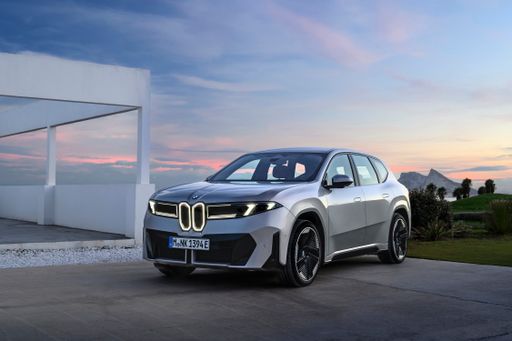
Both SUVs exhibit distinct styling cues representative of their brands. The BMW iX3 stays true to BMW’s design philosophy with a sleek, yet muscular stance measuring 4734 mm in length, 1891 mm in width, and 1668 mm in height. Its trunk capacity is a practical 510 liters, catering well to family and travel needs.

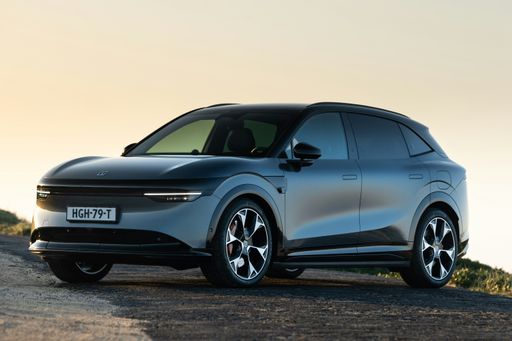
The ZEEKR 7X, slightly larger at 4787 mm in length and 1930 mm in width, with a slightly lower profile at 1650 mm in height, emphasizes a more aerodynamic silhouette. It also offers slightly more cargo space, with a trunk capacity of 539 liters, ensuring practicality complements its dynamic looks.

7X

Innovation and Features

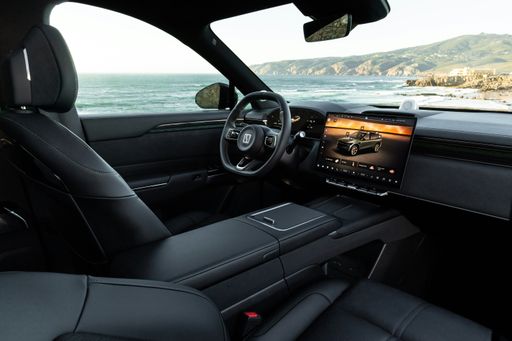
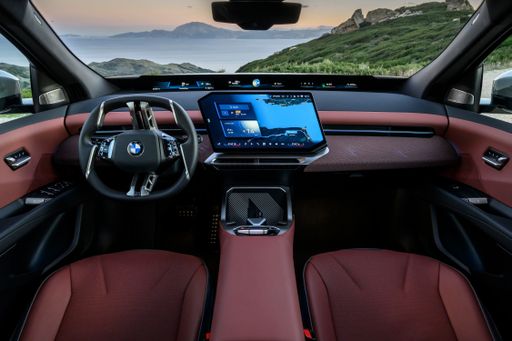
On the innovation front, both vehicles are equipped with the latest in EV technology and automotive advancements. The iX3's driving experience is enhanced by its advanced chassis, dynamics control, and a high-tech cockpit that offers digital interfaces and connectivity services.

The ZEEKR 7X, launched in 2025, is a demonstration of the latest in automotive tech, offering cutting-edge features, including advanced autonomous driving capabilities and high-level infotainment systems, catering to tech-savvy consumers seeking cutting-edge driving experiences.

iX3

Conclusion: The Verdict

The BMW iX3 stands as a commendable electric SUV, encapsulating the brand’s premium feel and proven technology. It's ideal for those who prefer a balance of performance and luxury in a trusted package.

The ZEEKR 7X, however, leaps ahead with more powerful offerings and an extended electric range. For tech enthusiasts and dynamic drivers looking for the latest in electric performance and innovations, the ZEEKR 7X distinctly makes its mark.

Ultimately, the choice lies in what you prioritize: BMW’s renowned refinement and reliability or ZEEKR’s impressive, forward-thinking performance and features.

Here’s where it gets real: The technical differences in detail

7X

Costs and Efficiency:

When it comes to price and running costs, the biggest differences usually appear. This is often where you see which car fits your budget better in the long run.

ZEEKR 7X is slightly cheaper – starting at 45,400 £ , while the BMW iX3 costs 54,300 £ . That’s a price difference of around 8,922 £.

In terms of energy consumption, the BMW iX3 is clearly more efficient: consuming 14.6 kWh/100km compared to 17.7 kWh/100km for the ZEEKR 7X. That’s a difference of about 3.1 kWh/100km.

As for electric range, the BMW iX3 offers visibly more range – reaching up to 805 km, about 190 km more than the ZEEKR 7X.

iX3

Engine and Performance:

Power, torque and acceleration are the classic benchmarks for car enthusiasts – and here, some clear differences start to show.

When it comes to engine power, the ZEEKR 7X offers visibly more power – delivering 646 HP compared to 469 HP. That’s roughly 177 HP more horsepower.

When accelerating from 0 to 100 km/h, the ZEEKR 7X is noticeably quicker – completing the sprint in 3.8 s, while the BMW iX3 takes 4.9 s. That’s about 1.1 s quicker.

There’s also a difference in torque: the ZEEKR 7X delivers only slightly more torque with 710 Nm compared to 645 Nm. That’s about 65 Nm more.

7X

Space and Everyday Use:

Beyond pure performance, interior space and usability matter most in daily life. This is where you see which car is more practical and versatile.

Both vehicles offer seating for 5 people.

In terms of curb weight, BMW iX3 is only slightly lighter – 2,360 kg compared to 2,395 kg. The difference is around 35 kg.

When it comes to payload, the ZEEKR 7X carries marginally more – 485 kg compared to 465 kg. That’s a difference of about 20 kg.

Who wins the race in the data check?

The ZEEKR 7X is far ahead overall in the objective data comparison.
This result only shows which model scores more points on paper – not which of the two cars feels right for you.

from £45,400
7X

ZEEKR 7X

  • Engine Type Electric
  • Transmission Automatic
  • Drive Type Rear-Wheel Drive, All-Wheel Drive
  • Power HP 421 - 646 HP
  • Consumption kWh/100km 17.7 - 19.9 kWh/100km
  • Electric Range 480 - 615 km
ZEEKR 7X
BMW iX3

Costs and Consumption

View detailed analysis

Engine and Performance

View detailed analysis

Dimensions and Body

View detailed analysis

ZEEKR 7X

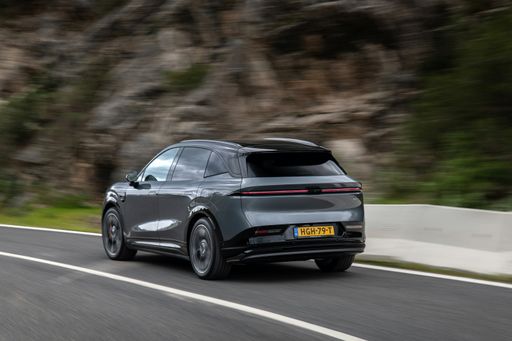
The Zeekr 7X blends sleek, coupe-like styling with a roomy, premium cabin, giving it a confident presence on the road. It pairs refined handling with advanced tech and driver aids, making it an appealing choice for buyers who want electric performance without sacrificing comfort.

details

BMW iX3

The BMW iX3 is an electric SUV that delivers the composed, premium driving experience BMW buyers expect. With a calm, refined cabin and practical everyday usability, it’s a strong choice for those who want electric motoring without giving up luxury and comfort.

details
ZEEKR 7X
BMW iX3

Costs and Consumption

Price
45,400 - 54,000 £
Price
54,300 - 66,300 £
Consumption L/100km
-
Consumption L/100km
-
Consumption kWh/100km
17.7 - 19.9 kWh/100km
Consumption kWh/100km
14.6 - 15.1 kWh/100km
Electric Range
480 - 615 km
Electric Range
635 - 805 km
Battery Capacity
-
Battery Capacity
-
co2
0 g/km
co2
0 g/km
Fuel tank capacity
-
Fuel tank capacity
-

Dimensions and Body

Body Type
SUV
Body Type
SUV
Seats
5
Seats
5
Doors
5
Doors
-
Curb weight
2,395 - 2,535 kg
Curb weight
2,360 kg
Trunk capacity
539 L
Trunk capacity
-
Length
4,787 mm
Length
-
Width
1,930 mm
Width
1,895 mm
Height
1,650 mm
Height
-
Max trunk capacity
-
Max trunk capacity
-
Payload
455 - 485 kg
Payload
465 kg

Engine and Performance

Engine Type
Electric
Engine Type
Electric
Transmission
Automatic
Transmission
Automatic
Transmission Detail
Reduction Gearbox
Transmission Detail
Reduction Gearbox
Drive Type
Rear-Wheel Drive, All-Wheel Drive
Drive Type
All-Wheel Drive, Rear-Wheel Drive
Power HP
421 - 646 HP
Power HP
320 - 469 HP
Acceleration 0-100km/h
3.8 - 6 s
Acceleration 0-100km/h
4.9 - 5.9 s
Max Speed
210 km/h
Max Speed
-
Torque
440 - 710 Nm
Torque
500 - 645 Nm
Number of Cylinders
-
Number of Cylinders
-
Power kW
310 - 475 kW
Power kW
235 - 345 kW
Engine capacity
-
Engine capacity
-

General

Model Year
2025
Model Year
2026
CO2 Efficiency Class
A
CO2 Efficiency Class
A
Brand
ZEEKR
Brand
BMW
DriveDuel uses data analysis and artificial intelligence to evaluate vehicle data and create content. Content is regularly reviewed and improved. The displayed prices are estimates based on German list prices, adjusted to the respective country’s VAT. Country-specific registration taxes are not included. This information is not legally binding.