Ford Puma alternatives & comparisons

Here you can find alternatives to the Ford Puma, based on existing comparison pages and popular model matchups. We currently show 6 suitable models as a starting point for your buying decision.

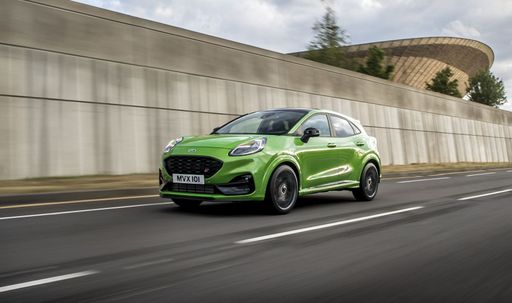
Ford Puma

Alternative models

These models are frequently compared with the Ford Puma and are good next research steps.

from £22,800
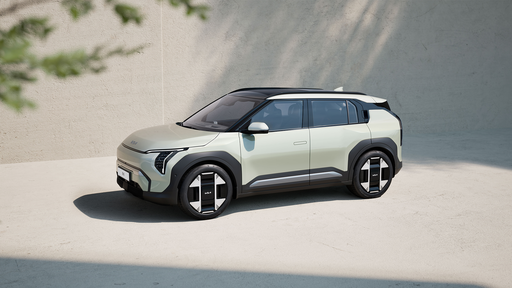
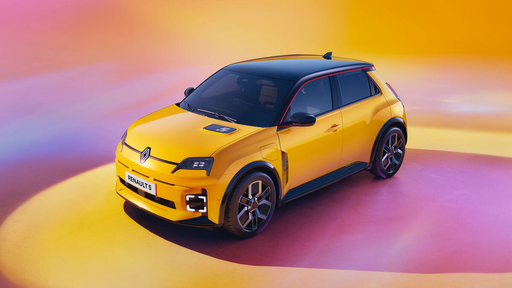
EV2

Kia EV2

  • Engine Type Electric
  • Transmission Automatic
  • Drive Type Front-Wheel Drive
  • Power HP 135 - 147 HP
  • Consumption kWh/100km 15.1 - 16.3 kWh/100km
  • Electric Range 317 - 453 km

Kia EV2 as a suitable alternative to Ford Puma

The Ford Puma and Kia EV2 represent two different approaches in the compact crossover class: the Puma delivers engaging handling, practical packaging and petrol/hybrid options, while the EV2 is a clean-sheet electric aimed at low running costs, range and modern tech. Choose the Puma if driving character and versatile powertrains matter; pick the Kia EV2 if you prioritise zero-emission running, advanced connectivity and a simpler ownership experience.

The Kia EV2 is a compact electric crossover aimed at buyers who want a practical, affordable EV with a modern, well-appointed cabin. It combines comfortable, predictable handling with straightforward tech and efficient everyday usability, making it a sensible choice for daily driving.

Quick data check: Kia EV2

  • very slightly cheaper
  • barely more electric range
from £29,100
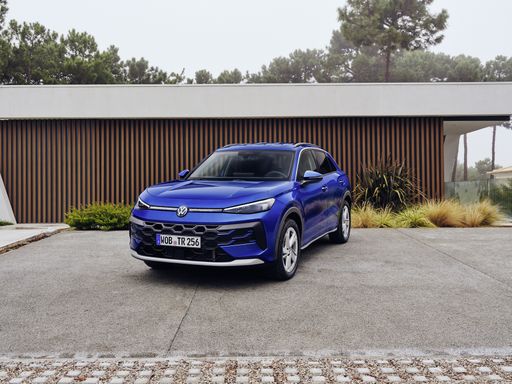
ID.3

VW ID.3

  • Engine Type Electric
  • Transmission Automatic
  • Drive Type Rear-Wheel Drive
  • Power HP 170 - 231 HP
  • Consumption kWh/100km 13.9 - 14.4 kWh/100km
  • Electric Range 410 - 629 km

VW ID.3 as a suitable alternative to Ford Puma

If you want a cheeky, petrol-powered crossover with nimble handling and clever storage, the Ford Puma punches above its class; if you prefer silent, techy electric motoring with a roomy, refined cabin, the VW ID.3 is the smarter, greener choice. Choose the Puma for personality and everyday practicality, the ID.3 for smooth, emissions-free cruising and lower running costs — your wallet and the planet will thank you differently.

The VW ID.3 is Volkswagen’s compact electric hatch that prioritizes practical daily usability with a comfortable, modern interior. It delivers a smooth, quiet driving experience and intuitive tech that makes switching to electric straightforward.

Quick data check: VW ID.3

  • markedly more power
  • visibly more electric range
  • only slightly quicker 0–100 km/h
from £19,600
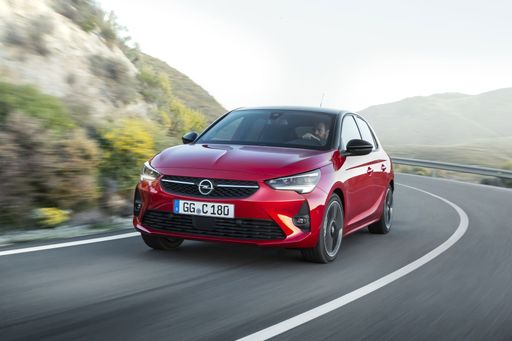
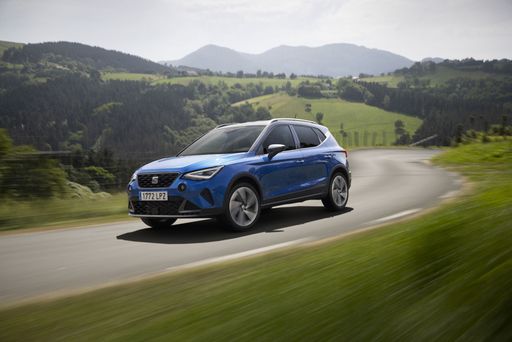
Corsa

Vauxhall Corsa

  • Engine Type Electric, Petrol MHEV, Petrol
  • Transmission Automatic, Manual
  • Drive Type Front-Wheel Drive
  • Power HP 100 - 156 HP
  • Consumption L/100km 4.5 - 5.1 L/100km
  • Consumption kWh/100km 14.2 - 15.7 kWh/100km
  • Electric Range 357 - 429 km

Vauxhall Corsa as a suitable alternative to Ford Puma

The Ford Puma is the cheeky compact crossover that pairs SUV looks and a surprisingly roomy boot with sprightly turbo punch, while the Opel Corsa is a tidy, affordable city hatch that’s nimbler in traffic and kinder on fuel bills. If you want a higher driving position, more practical load space and a bit of weekend swagger, go Puma; if your life is mostly urban commutes and you care about running costs and easy parking, the Corsa is the smarter, wallet-friendly pick.

The Opel Corsa is a tidy little package that blends cheeky styling with sensible practicality, perfect for city streets and weekend escapes alike. It’s easy to live with, economical to run and just lively enough to make daily driving a bit more fun.
from £23,100
XCeed

Kia XCeed

  • Engine Type Petrol, Petrol MHEV
  • Transmission Manual, Automatic
  • Drive Type Front-Wheel Drive
  • Power HP 115 - 180 HP
  • Consumption L/100km 6.3 - 6.8 L/100km

Kia XCeed as a suitable alternative to Ford Puma

The Ford Puma and Kia XCeed are two of the sharper compact crossovers on the market, each mixing car-like driving manners with useful everyday practicality. This comparison looks at driving dynamics, interior quality, space and running costs so you can pick the one that fits your lifestyle.

Kia XCeed blends hatchback agility with a coupe-like stance, wrapping practical space in a handsome, modern package that punches above its class in style. It’s an easygoing everyday companion — comfy, well-equipped and priced to make sensible buyers smile — with just enough spark to keep weekend drives interesting.

Quick data check: Kia XCeed

  • marginally cheaper
  • marginally more power
from £26,400
T-Roc

VW T-Roc

  • Engine Type Petrol, Petrol MHEV
  • Transmission Manual, Automatic
  • Drive Type Front-Wheel Drive
  • Power HP 115 - 150 HP
  • Consumption L/100km 5.5 - 6.3 L/100km

VW T-Roc as a suitable alternative to Ford Puma

The Ford Puma and the VW T‑Roc are two top choices in the compact crossover segment, but they deliver different strengths — the Puma leans sporty and driver-focused while the T‑Roc prioritises space and refinement. This quick comparison will highlight how their performance, practicality and tech differ so you can pick the one that fits your driving style and daily needs.

The Volkswagen T‑Roc is a stylish, well-proportioned crossover that blends hatchback agility with SUV presence. It delivers a comfortable cabin, user-friendly tech and a composed ride, making it a sensible choice for buyers who want practicality with a bit of character.

from £22,200
Epiq

Skoda Epiq

  • Engine Type Electric
  • Transmission Automatic
  • Drive Type Front-Wheel Drive
  • Power HP 116 - 211 HP
  • Consumption kWh/100km 13.7 - 13.9 kWh/100km
  • Electric Range 310 - 440 km

Skoda Epiq as a suitable alternative to Ford Puma

Ford Puma vs Skoda Epiq is a matchup between a compact, city-oriented crossover and a more conventional Skoda SUV offering (marketed here as the Epiq). This comparison focuses on what matters to real buyers: space, practicality, driving feel, running costs and which car suits which type of driver. Overview - Ford Puma: A small crossover known for its compact footprint, nimble handling and clever packaging aimed at urban and suburban buyers. - Skoda Epiq: Presented here as Skoda’s practical SUV contender—Skodas typically prioritise interior space, simple usability and value for money. Interior and space - Puma: Cabin feels modern and driver-focused; good materials for the class but rear-seat space is best for two adults on short journeys or children on longer trips. Innovative storage (hidden bins, flexible boot undertray) helps maximise usable volume. - Epiq: Expect a roomier interior overall, with more comfortable rear seats and a larger luggage area—better for families or anyone who regularly carries taller or bulkier items. Practicality - Puma: Very practical for city life—easy to park, good visibility and useful cubbies. Boot is flexible rather than huge. - Epiq: Typically wins on day-to-day practicality thanks to larger cargo space, more rear legroom and simpler, family-friendly layouts. Engines and economy - Puma: Usually offered with small-capacity petrol engines (often with mild-hybrid options) that feel brisk in town and return competitive fuel economy. Lower purchase price and efficient urban running are typical strengths. - Epiq: Skoda powertrains tend to be refined and tuned for relaxed cruising; depending on the exact model you’re looking at, expect a range focused on efficiency and comfort rather than sporty performance. Driving dynamics - Puma: Sharper handling and a more engaging drive than most compact SUVs—pleasant for drivers who value agility and confidence on twisty roads. - Epiq: Comfort and composure are likely priorities; the ride will be tuned for stability and isolation rather than sports-car-like responses. Technology and safety - Both brands equip their SUVs with modern infotainment and safety suites. Expect smartphone integration, driver-assist systems and a good set of airbags. Skoda often packages practical tech simply and intuitively; Ford tends to include slightly sportier UI touches. Running costs and ownership - Puma: Generally lower running costs thanks to smaller engines and efficient urban performance. Insurance, servicing and parts are competitive. - Epiq: May cost a little more to buy or run if it’s a larger model, but Skoda’s value proposition and sensible engineering can keep lifetime costs reasonable—especially if you prize durability and resale value. Who each car suits - Choose the Ford Puma if: you live in town, want a nimble and economical crossover with stylish looks and engaging driving manners, and don’t regularly need maximum rear-seat or boot space. - Choose the Skoda Epiq if: you need a roomier, more family-oriented SUV with straightforward practicality, a comfortable ride and the ability to carry people and luggage more easily. Bottom line If you prioritise driving enjoyment, city-friendly size and clever packaging, the Ford Puma is the sharper choice. If you want maximum everyday practicality, rear-seat comfort and a relaxed, utilitarian SUV experience, the Skoda Epiq will suit you better. Consider a test drive of each with the luggage and seating arrangements you regularly use—that will reveal the clearest winner for your needs.

The Skoda Epiq is a sensible, well-packaged compact SUV that delivers a roomy cabin, practical storage and an easygoing driving character suited to everyday life. It prioritizes comfort and value with smart, user-friendly features rather than flashy performance.

Quick data check: Skoda Epiq

  • marginally cheaper
  • markedly more power
  • marginally more electric range
  • very slightly quicker 0–100 km/h
DriveDuel uses data analysis and artificial intelligence to evaluate vehicle data and create content. Content is regularly reviewed and improved. The displayed prices are estimates based on German list prices, adjusted to the respective country’s VAT. Country-specific registration taxes are not included. This information is not legally binding.