Peugeot Traveller Bus, starting at 34,800 £

The Peugeot Traveller is a roomy, refined people‑carrier that dresses up everyday practicality with an unexpectedly classy interior. Perfect for family getaways or executive shuttles, it pairs flexible seating and clever storage with a calm, composed ride — useful, sensible, and quietly likeable.

Reviews & community

All real reviews and experiences about the Peugeot Traveller in one place.

To community

Technical data, trims & prices

All technical data, dimensions and equipment details of this model at a glance.

To technical data

Alternative car models

Discover similar models and possible alternatives to this vehicle.

To alternatives

from £34,800
Traveller

Peugeot Traveller

  • Engine Type Diesel
  • Transmission Automatic
  • Drive Type Front-Wheel Drive
  • Power HP 180 HP
  • Consumption L/100km 7 - 7.1 L/100km

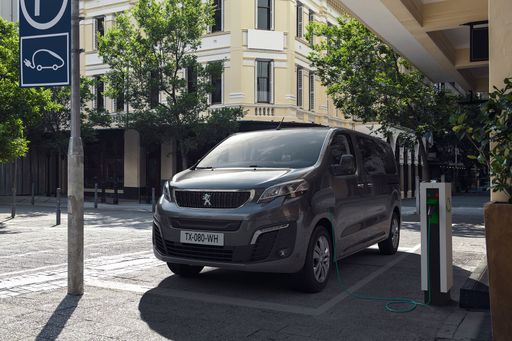
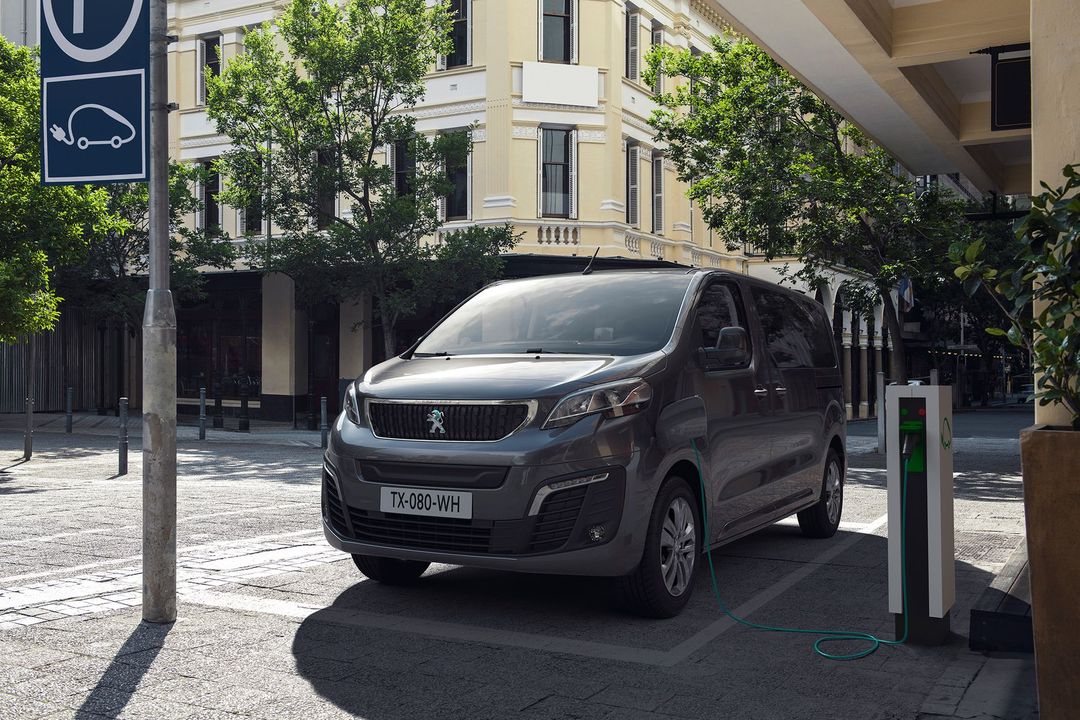
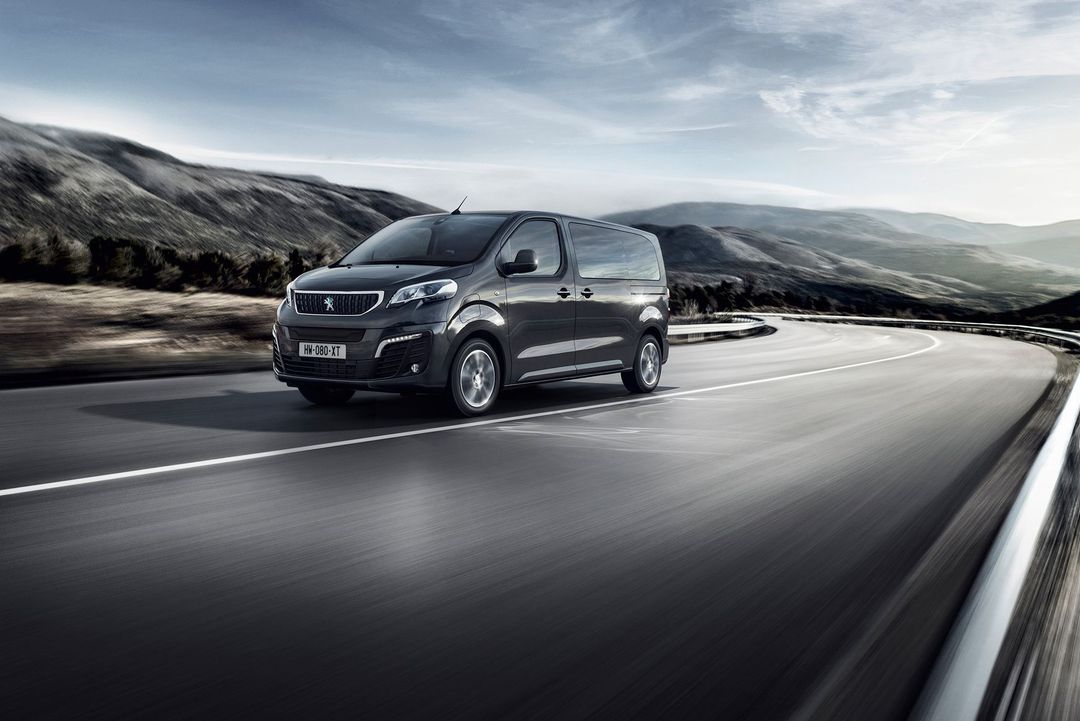
Street Stance: a big Peugeot with personality

The Traveller wears Peugeot styling on a large canvas: a bold nose, swept headlights and a tidy, almost executive van silhouette that reads more MPV than commercial truck. At up to 5.33 m in L3 form it has genuine road presence but avoids the boxy look of older people-movers, which helps it feel less utilitarian in everyday use. Sliding doors and a high roof make access easy, so it looks as comfortable ferrying kids to school as it does hauling colleagues to a meeting.
Cabin comfort that aims for calm efficiency

Inside the Traveller the focus is on usability rather than design theatrics: plastics are sensible and durable, switchgear is well placed and the layout favours clear visibility and practical storage. Seating for eight is configurable, with removable or folding middle and rear seats that simplify switching between passengers and cargo. Materials and trims vary by grade, but the overall feel leans toward long-term comfort rather than premium flair.

Load it up: space that actually delivers

Space is where the Traveller earns its keep — eight seats as standard and a load capacity that ranges from roughly 1,624 to over 2,000 litres with seats stowed, expanding to a maximum claimed payload volume up to about 2,700–3,300 litres depending on configuration. The L2/L3 length options (around 4.98 m and 5.33 m) let buyers prioritise passenger room or cargo capacity, so it suits families, airport shuttles and small businesses alike. Practical touches such as wide sliding doors and a low load sill make everyday loading chores noticeably easier.

Drive manners: composed, not sporty

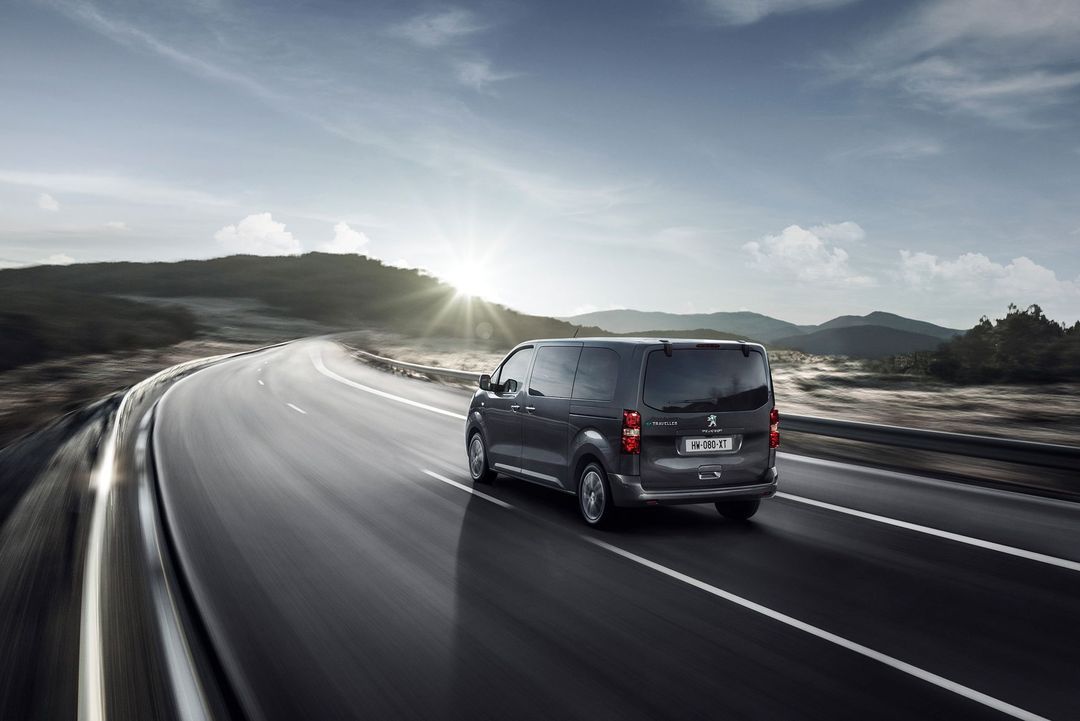
Front-wheel drive underpins a composed, confidence-inspiring ride tuned for comfort rather than corner-carving — body control is acceptable for a vehicle of this size, and steering is light enough for urban manoeuvres but not especially communicative on twisty roads. Powertrains include a 136 hp electric option and a 180 hp diesel: the electric versions are relaxed off the line (0–100 km/h typically in the low-to-mid teens) while the diesel can feel brisker for overtakes (some variants around 10.6 s 0–100 km/h). Overall, the Traveller is geared to smooth highway cruising and city practicality rather than performance driving.

Fuel, electrons and real-world range

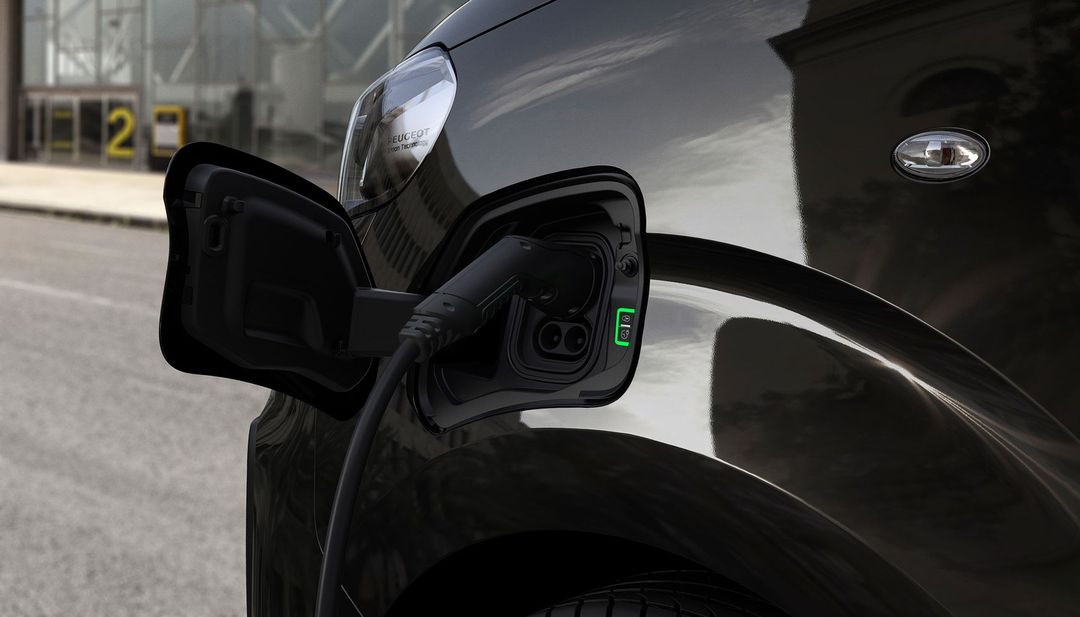
Electric e‑Traveller variants use batteries of approximately 50 or 75 kWh with WLTP ranges spanning roughly ~220 to ~350 km depending on battery and body length, while consumption figures sit in the mid‑20s kWh/100 km (about 24–25 kWh/100 km in official tests). In everyday use expect the 75 kWh model to deliver the most usable range for longer runs, whereas the 50 kWh packs suit urban routes and shuttle work. The diesel 180 returns around 7–7.1 l/100 km, and with a 70 litre tank this can translate into around a thousand kilometres between fill-ups under economical driving conditions.

Tech and aids that keep it simple and safe

Peugeot outfits the Traveller with modern driver aids and connectivity aimed at convenience: adaptive cruise, lane-keeping features, parking sensors and cameras are available alongside an infotainment system with smartphone mirroring and clear instrument readouts. The emphasis is on functional tech that helps daily drives and tight manoeuvres rather than flashy gimmicks. For buyers who need a workhorse that reduces fatigue, the assistance package is a meaningful safety and comfort upgrade.

Who should consider a Traveller?

The Traveller is aimed at buyers needing roomy, practical transport: large families, shuttle operators, and businesses that value flexible seating and sensible running costs. There are both electric and diesel offerings — Peugeot now sells the Traveller as an e‑Traveller with both smaller and larger battery packs and as a 180 hp diesel in L2 and L3 lengths — so operators can prioritise zero‑emission urban work or long-distance efficiency. In short, it’s a pragmatic people‑mover that trades flash for functionality and comfort.

Costs and Consumption

Price
34,800 - 42,200 £
Consumption L/100km
7 - 7.1 L/100km
Consumption kWh/100km
-
Electric Range
-
Battery Capacity
-
co2
183 - 188 g/km
Fuel tank capacity
-

Dimensions and Body

Body Type
Bus
Seats
8
Doors
-
Curb weight
1,953 - 1,986 kg
Trunk capacity
-
Length
-
Width
1,920 mm
Height
-
Max trunk capacity
-
Payload
877 - 883 kg

Engine and Performance

Engine Type
Diesel
Transmission
Automatic
Transmission Detail
Automatic Gearbox
Drive Type
Front-Wheel Drive
Power HP
180 HP
Acceleration 0-100km/h
10.6 s
Max Speed
-
Torque
400 Nm
Number of Cylinders
4
Power kW
132 kW
Engine capacity
2,184 cm3

General

Model Year
2025
CO2 Efficiency Class
G
Brand
Peugeot
What drive types are available for the Peugeot Traveller?

Available configurations include Front-Wheel Drive.

DriveDuel uses data analysis and artificial intelligence to evaluate vehicle data and create content. Content is regularly reviewed and improved. The displayed prices are estimates based on German list prices, adjusted to the respective country’s VAT. Country-specific registration taxes are not included. This information is not legally binding.