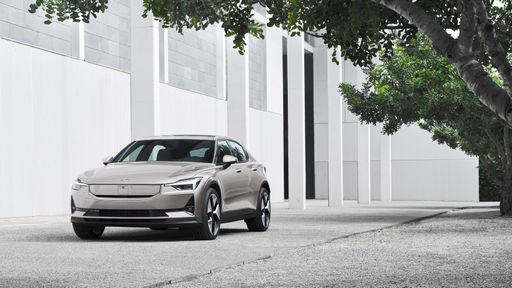
Polestar 4 alternatives & comparisons

Here you can find alternatives to the Polestar 4, based on existing comparison pages and popular model matchups. We currently show 6 suitable models as a starting point for your buying decision.

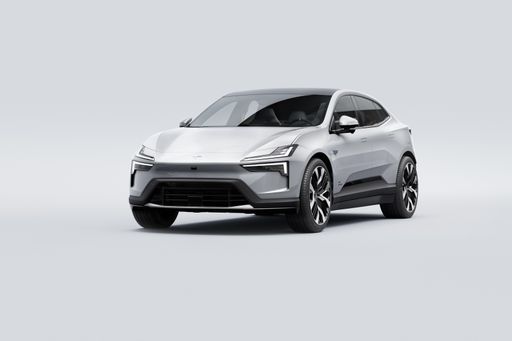
Polestar 4

Alternative models

These models are frequently compared with the Polestar 4 and are good next research steps.

from £54,000
EX60

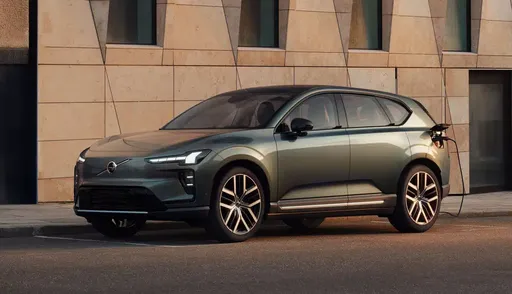
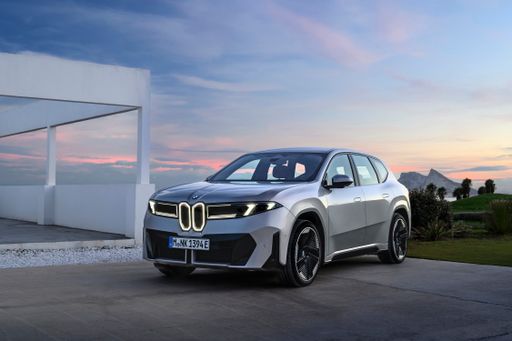
Volvo EX60

  • Engine Type Electric
  • Transmission Automatic
  • Drive Type Rear-Wheel Drive, All-Wheel Drive
  • Power HP 374 - 680 HP
  • Consumption kWh/100km 14.9 - 16.2 kWh/100km
  • Electric Range 611 - 810 km

Volvo EX60 as a suitable alternative to Polestar 4

Polestar 4 and Volvo EX60 go head-to-head in a clash of Scandinavian design, tech and electric muscle — one is a sporty provocateur, the other a polished family flagship. Time to find out which brings the sharper drive, smarter cabin and better real-world value for buyers who want style with substance.

The Volvo EX60 is a stylish electric SUV that pairs Scandinavian minimalism with a high-quality, comfortable cabin and an intuitive infotainment experience. It delivers a composed, refined ride with advanced safety and driver-assist systems that make daily driving relaxed and confident.
Quick data check: Volvo EX60

  • marginally cheaper
  • marginally quicker 0–100 km/h
  • only slightly more trunk space
  • slightly more power
  • moderately more efficient
  • clearly more electric range
  • marginally lighter
from £45,200
2

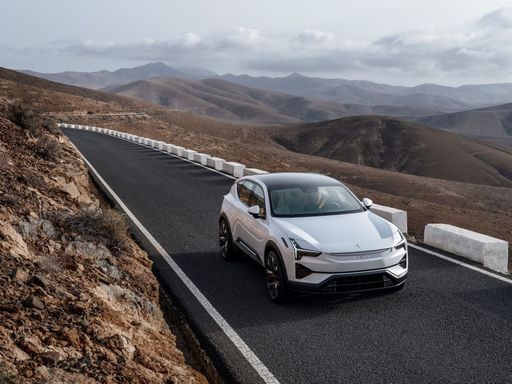
Polestar 2

  • Engine Type Electric
  • Transmission Automatic
  • Drive Type All-Wheel Drive, Rear-Wheel Drive
  • Power HP 299 - 476 HP
  • Consumption kWh/100km 14.8 - 16.8 kWh/100km
  • Electric Range 568 - 659 km

Polestar 2 as a suitable alternative to Polestar 4

Polestar 2 is the compact, drivers‑first EV — nimble, practical and hard‑working for daily commutes — while the Polestar 4 ups the ante with coupe‑SUV looks, more interior space and a higher‑spec feel that commands a premium. If you want sharp handling and better value, choose the 2; if you crave presence, extra room and the latest tech, the 4 is the sleeker (and costlier) statement.

The Polestar 2 is a crisp, Scandinavian-styled electric liftback that pairs minimalist luxury with a focused, driver's attitude. It feels agile and composed whether you’re commuting or heading out for the weekend, with a tech-forward cabin and enough personality to make everyday driving a bit more fun.

Quick data check: Polestar 2

  • moderately more power
  • a bit quicker 0–100 km/h
  • clearly more trunk space
  • slightly cheaper
  • noticeably more efficient
  • very slightly more electric range
  • only slightly lighter
from £39,900
P7+

XPeng P7+

  • Engine Type Electric
  • Transmission Automatic
  • Drive Type Rear-Wheel Drive, All-Wheel Drive
  • Power HP 245 - 503 HP
  • Consumption kWh/100km 15.2 - 17.4 kWh/100km
  • Electric Range 455 - 530 km

XPeng P7+ as a suitable alternative to Polestar 4

The Polestar 4 and XPeng P7+ represent two different approaches to the modern electric car—Polestar 4 leans on Scandinavian design, premium materials and driver-focused dynamics, while the XPeng P7+ emphasizes tech-packed features, range efficiency and value. This comparison will cut through specs and real-world trade-offs—performance, range, interior quality, tech and ownership costs—to help you pick the better fit for your needs.

The XPeng P7+ is a sleek, coupe-like electric sedan that pairs a spacious, tech-forward cabin with an easygoing yet poised driving character — think premium feel without premium smugness. Packed with clever driver aids and a refined ride that earns the odd grin on twisty roads, it’s a compelling, modern alternative to the usual premium suspects.

Quick data check: XPeng P7+

  • marginally more power
  • slightly more electric range
  • somewhat quicker 0–100 km/h
  • markedly cheaper
  • a bit more efficient
  • a bit lighter
  • only slightly more trunk space
from £101,700
5

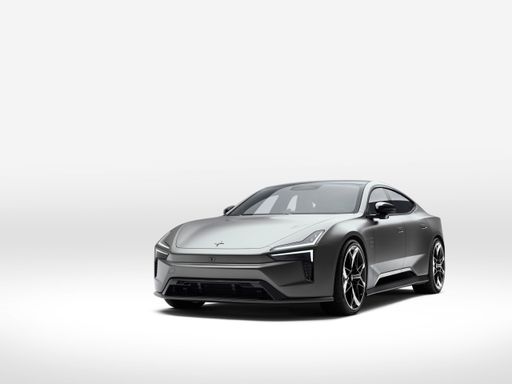
Polestar 5

  • Engine Type Electric
  • Transmission Automatic
  • Drive Type All-Wheel Drive
  • Power HP 748 - 884 HP
  • Consumption kWh/100km 17.6 - 20.9 kWh/100km
  • Electric Range 565 - 670 km

Polestar 5 as a suitable alternative to Polestar 4

Polestar 4 and Polestar 5 are sibling EVs with shared design DNA but different missions: the Polestar 4 is a compact coupe‑SUV aimed at style and everyday practicality, while the Polestar 5 is a larger four‑door gran turismo focused on performance, range and long‑distance comfort. This comparison highlights how the 4 favors agility and urban usability whereas the 5 delivers more power, interior space and highway refinement so you can pick the one that fits your driving priorities.

The Polestar 5 represents the Swedish automaker's bold vision for the future of electric vehicles, marrying cutting-edge design with sustainable automotive innovation. With its sleek silhouette and minimalist aesthetics, the vehicle stands out in a crowd, delivering a nod to Scandinavian design principles. Beyond its striking appearance, the Polestar 5 is engineered to offer exceptional performance and efficiency, making it a compelling choice for environmentally conscious drivers seeking luxury and innovation.

Quick data check: Polestar 5

  • clearly cheaper
  • somewhat lighter
  • noticeably more power
  • very slightly more efficient
  • very slightly more electric range
  • moderately quicker 0–100 km/h
from £41,100
7GT

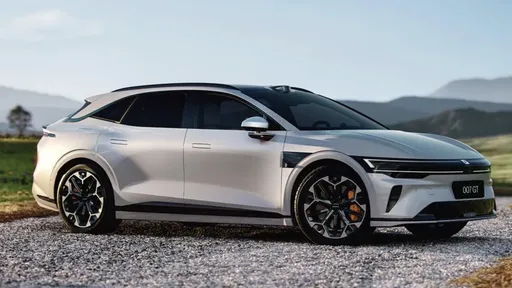
ZEEKR 7GT

  • Engine Type Electric
  • Transmission Automatic
  • Drive Type Rear-Wheel Drive, All-Wheel Drive
  • Power HP 421 - 646 HP
  • Consumption kWh/100km 16.6 - 19.8 kWh/100km
  • Electric Range 519 - 655 km

ZEEKR 7GT as a suitable alternative to Polestar 4

Polestar 4 and Zeekr 7 GT represent two different approaches to the modern premium EV coupe-SUV: Polestar brings Scandinavian restraint and driver-focused dynamics, while the Zeekr emphasizes tech-rich features and value-packed performance. This comparison cuts through specs and marketing to show how they differ in driving feel, range, charging, comfort and ownership cost so you can choose the one that fits your priorities.

The Zeekr 7 GT stakes its claim as a smartly styled, quietly confident grand tourer that mixes comfort with a sporty edge to keep daily drives interesting. Inside it feels more grown-up EV than gadget toy, offering a polished cabin and driver-focused flair that will appeal to buyers who want presence without pretension.

Quick data check: ZEEKR 7GT

  • barely lighter
  • a bit more trunk space
  • visibly cheaper
  • a bit more power
  • very slightly more efficient
  • marginally more electric range
  • moderately quicker 0–100 km/h
from £41,100
Seal

BYD Seal

  • Engine Type Electric
  • Transmission Automatic
  • Drive Type Rear-Wheel Drive, All-Wheel Drive
  • Power HP 231 - 530 HP
  • Consumption kWh/100km 15.4 - 18.2 kWh/100km
  • Electric Range 460 - 570 km

BYD Seal as a suitable alternative to Polestar 4

Meet the BYD Seal — a tech-packed, value-driven challenger — and the Polestar 4, the sleek Swedish upstart angling for premium credibility. We pit Seal vs Polestar 4 to find out which one delivers the sharper blend of range, performance and everyday usability, and which should earn a spot in your driveway.

The BYD Seal is a sleek, fastback-style electric sedan that blends sporty design with a comfortable, tech-forward cabin. It delivers an engaging driving feel, impressive real-world range and strong value, making it a compelling choice for buyers who want a modern EV sedan.

Quick data check: BYD Seal

  • barely more power
  • only slightly more electric range
  • clearly cheaper
  • moderately more efficient
  • slightly lighter
DriveDuel uses data analysis and artificial intelligence to evaluate vehicle data and create content. Content is regularly reviewed and improved. The displayed prices are estimates based on German list prices, adjusted to the respective country’s VAT. Country-specific registration taxes are not included. This information is not legally binding.