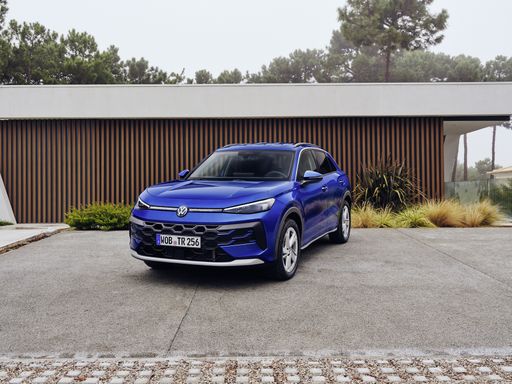
VW ID.4 as a suitable alternative to VW Tiguan
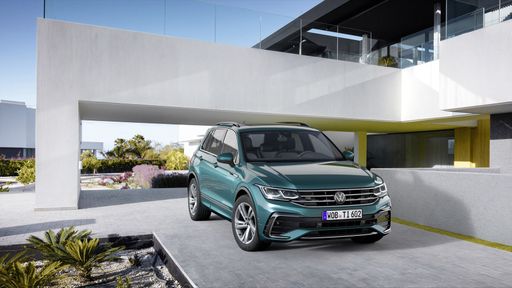
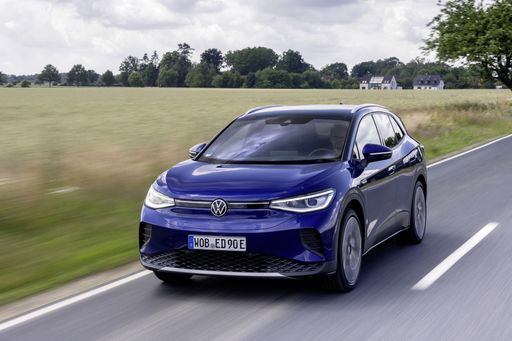
Tiguan vs ID.4 — two very different Volkswagens aiming at the same compact-SUV buyers. The Tiguan is the familiar turbocharged petrol/diesel SUV that prioritizes practicality and towing flexibility, while the ID.4 is VW’s mainstream electric crossover focused on quiet, efficient driving and lower running costs.
What they are
- Tiguan: Conventional internal-combustion compact SUV with a traditional layout, available in multiple engine tunes and, in some markets, an optional third row.
- ID.4: Battery-electric crossover built on VW’s MEB platform, designed around the battery for a flat floor, instant torque and electric-only driving.
Driving and performance
- Tiguan: Delivers predictable, linear power from turbo engines. Good for highway cruising and long trips; steering and suspension are tuned toward composed comfort. If you pick a higher-output 2.0 turbo, it will feel brisk but not sporty.
- ID.4: Instant torque gives the ID.4 a more energetic launch and a lighter feel in everyday driving. The electric drivetrain provides smooth, silent acceleration and excellent low-speed responsiveness; higher-speed dynamics are competent but the ID.4 is tuned for comfort rather than sporty handling.
Range, refuelling and charging
- Tiguan: Refuels in minutes at any gas station; range between fills depends on engine and driving but suits longer trips without planning. Fuel and maintenance costs are higher over time than an EV.
- ID.4: Offers typical real-world single-charge range in the low-to-mid 200 miles (varies by battery size, drivetrain and wheel size). Charging at home is convenient for daily use; DC fast-charging reduces long-trip downtime but still requires stops and depends on charger availability. Lower energy and service costs over time offset a higher purchase price for many buyers.
Interior space and practicality
- Tiguan: Traditional SUV packaging with upright seating and a flexible cargo area. Generally offers slightly more cargo volume and (where available) an optional third row for occasional passengers. Practical storage and a user-friendly layout.
- ID.4: Flat floor and EV packaging give spacious rear legroom and a light, airy cabin. Cargo space is competitive but often a bit less than the Tiguan’s maximum. Storage is thoughtful (frunk availability depends on region/spec) but the lack of an available third row is a consideration if you need 7 seats.
Technology and usability
- Tiguan: Modern infotainment and driver aids, but many controls remain familiar and physical. Easy to use for drivers who prefer conventional layouts.
- ID.4: EV-specific displays, range/economy screens and features like one-pedal driving and energy recuperation. VW’s software gets frequent updates, and the interface is geared to electric-vehicle information — good if you want an EV-centric experience, but there can be a learning curve.
Safety and driver assistance
- Both cars offer a full suite of modern safety tech (adaptive cruise, lane-keep assist, automatic emergency braking). The ID.4 benefits from EV-specific safety engineering (battery protection, thermal management), while the Tiguan’s safety record is built on decades of conventional-SUV development. Check the specific trims and packages for exact ADAS features.
Ownership costs and incentives
- Tiguan: Lower purchase price in most markets, familiar maintenance patterns, fuel costs depend on local prices. Resale values vary by market.
- ID.4: Higher initial cost but lower running and maintenance costs. Eligible EV incentives or tax credits can substantially alter the equation. Charging infrastructure and electricity cost where you live will influence total ownership cost.
Who should pick which
- Choose the Tiguan if: you want a lower entry price, frequent long trips without planning charging, need optional third-row seating or towing capability, or prefer a traditional SUV feel and quick refuelling.
- Choose the ID.4 if: you have reliable access to charging (home or work), want quieter, smoother driving with strong low-end acceleration, prioritize lower ongoing energy and maintenance costs, or want an EV for environmental reasons.
Quick bottom line
- Tiguan = practical, familiar, and flexible; better if you need range flexibility, occasional extra seats or towing and want lower purchase cost.
- ID.4 = quieter, cheaper to run long term and more engaging around town; better if you have charging access and want the benefits of an EV.
If you tell me your typical weekly mileage, access to charging, and whether you need towing or seven seats, I’ll give a tailored recommendation.
The VW ID.4 is a practical, family-friendly electric SUV that balances everyday usability with a calm, composed driving character. It pairs a roomy, well-finished cabin and easy-to-use tech with predictable handling and convenient charging options, making it a sensible choice for buyers switching to electric.

 Deutschland
 France
 Nederland
 Great Britain
 Sverige
 Danmark
 Suomi
Suomi Italia
 Polska
 Česko
Česko España