VS

Audi Q4 e-tron vs BMW iX2 comparison

Compare performance (340 HP vs 313 HP), boot space and price (39,600 £ vs 43,700 £ ) at a glance. Find out which car is the better choice for you – Audi Q4 e-tron or BMW iX2?

Audi Q4 e-tron vs BMW iX2: Key differences

Audi Q4 e-tron

4.9 (2 Reviews)
rate
  • slightly cheaper
  • barely more power
  • very slightly more electric range
  • only slightly quicker 0–100 km/h
  • very slightly more trunk space

BMW iX2

5 (2 Reviews)
rate
  • slightly more efficient
  • only slightly lighter

All details on performance, efficiency, range and trunk space can be found in the technical comparison below – including user reviews for both models.

Q4 e-tron

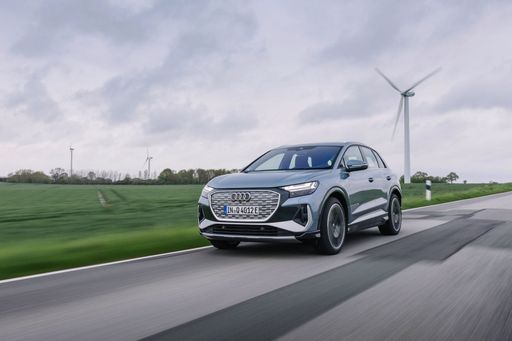
In the growing landscape of electric vehicles, two notable contenders stand out: the Audi Q4 e-tron and the BMW iX2. Both models embody the characteristics of modern SUVs while integrating cutting-edge technology and sustainability into their designs. This comparison delves into their specifications, driving performance, and innovative features, enabling potential buyers to make an informed decision.
iX2

Design and Dimensions

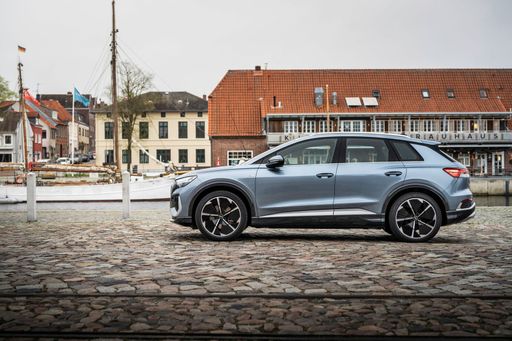
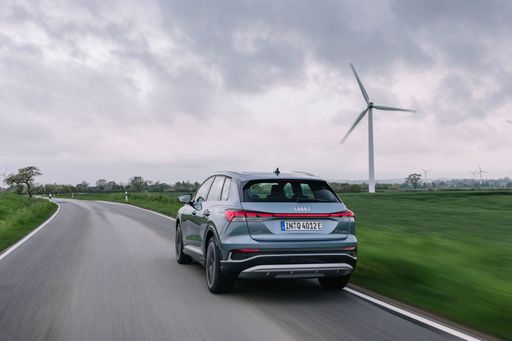
The Audi Q4 e-tron is a striking SUV that measures 4588 mm in length, 1865 mm in width, and stands 1632 mm high, offering a spacious interior and a commanding road presence. The Q4’s design blends sleek lines with a bold stance, emphasizing its sporty nature.

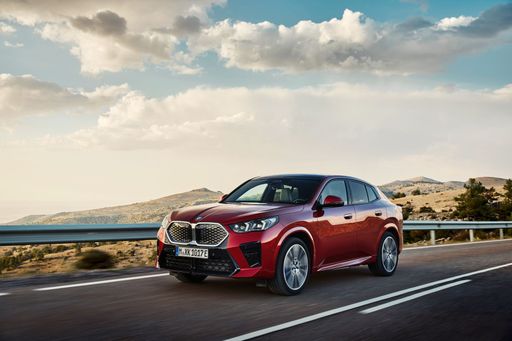
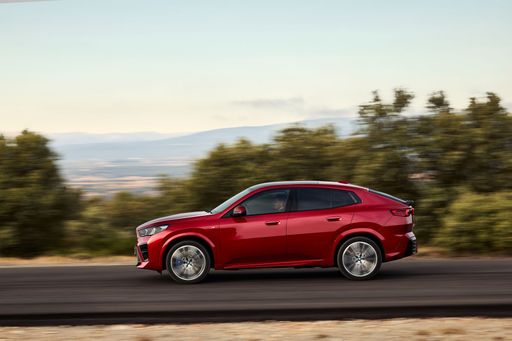
In contrast, the BMW iX2 features a slightly more compact profile, with dimensions of 4554 mm in length, 1845 mm in width, and a height of 1560 mm. Despite its smaller stature, the iX2 conveys a sense of agility and sporty elegance, indicative of BMW's design philosophy.

Q4 e-tron

Performance and Powertrains

The powertrains of these electric SUVs highlight distinct performance metrics. The Audi Q4 e-tron offers a range of configurations, with power outputs ranging from 170 HP in the base model to a robust 340 HP in the high-performance version. Acceleration from 0-100 km/h can be achieved in as little as 5.4 seconds, showcasing its impressive capabilities.

Conversely, the BMW iX2 provides a compelling driving experience with 204 HP in the standard variant and up to 313 HP in the more powerful model. Its acceleration from 0-100 km/h clocks in at a swift 5.6 seconds, making it a worthy competitor to the Q4 e-tron.

iX2

Battery and Efficiency

Both SUVs come equipped with substantial battery capacities. The Audi Q4 e-tron offers options between 52 kWh and 77 kWh, with an electric range varying from 351 km to an impressive 554 km, depending on the configuration. The efficiency is noticeable, with consumption rates as low as 15.9 kWh/100 km, showcasing its energy-saving potential.

The BMW iX2, on the other hand, features a 64.8 kWh battery, which provides an electric range of up to 459 km. Its consumption rate is even more efficient, with options around 15.9 kWh/100 km, positioning it as one of the more frugal electric SUVs on the market.

Q4 e-tron

Interior and Technology

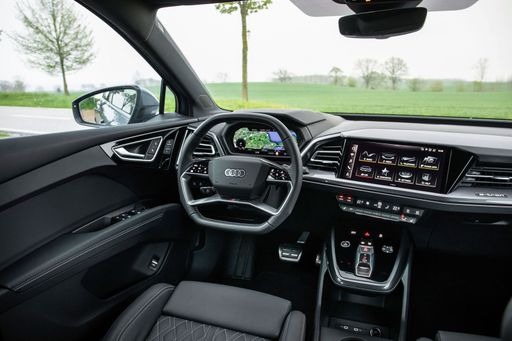
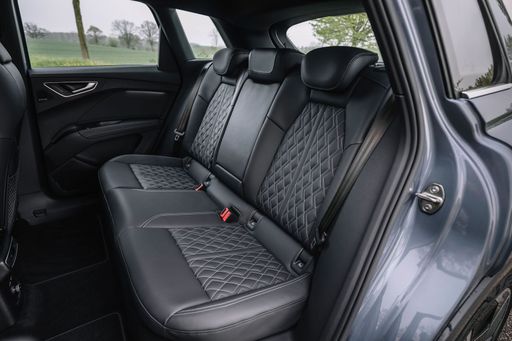
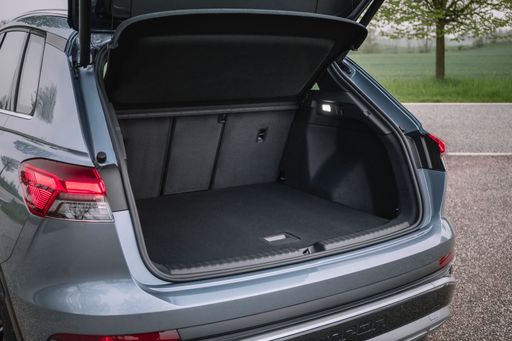
Inside, both the Q4 e-tron and iX2 prioritize comfort and usability. The Q4 e-tron seats five passengers comfortably, and its trunk offers a capacity of 520 liters, expanding to 535 liters with rear seats folded down. Audi’s MMI infotainment system integrates seamlessly with advanced connectivity options, enhancing the driving experience.

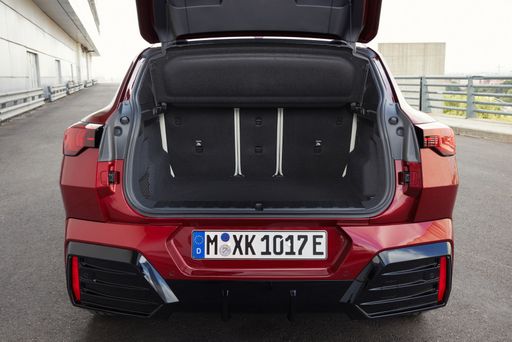
The BMW iX2 also accommodates five passengers, with a slightly larger trunk capacity of 525 liters. Its interior is defined by high-quality materials and the latest iteration of the iDrive system, offering intuitive controls and connectivity features tailored for a more interactive user experience.

iX2

Conclusion: Which SUV Reigns Supreme?

While both the Audi Q4 e-tron and BMW iX2 present compelling options in the electric SUV market, the ultimate choice depends on individual preferences. The Q4 e-tron excels in electric range and rugged performance options, catering to those who prioritize long journeys. In contrast, the iX2 emphasizes efficiency and a dynamic driving experience, appealing to users looking for a nimble and stylish urban companion.

As EV technology continues to evolve, both the Audi Q4 e-tron and BMW iX2 provide a glimpse into the future of sustainable driving, making them strong contenders in modern automotive innovation.

Here’s where it gets real: The technical differences in detail

Q4 e-tron

Costs and Efficiency:

Price and efficiency are key factors when choosing a car – and this is often where the real differences emerge.

Audi Q4 e-tron is slightly cheaper – starting at 39,600 £ , while the BMW iX2 costs 43,700 £ . That’s a price difference of around 4,157 £.

In terms of energy consumption, the BMW iX2 is slightly more efficient: consuming 14.4 kWh/100km compared to 15.9 kWh/100km for the Audi Q4 e-tron. That’s a difference of about 1.5 kWh/100km.

As for electric range, the Audi Q4 e-tron offers very slightly more range – reaching up to 554 km, about 42 km more than the BMW iX2.

iX2

Engine and Performance:

Power, torque and acceleration say a lot about how a car feels on the road. This is where you see which model delivers more driving dynamics.

When it comes to engine power, the Audi Q4 e-tron offers barely more power – delivering 340 HP compared to 313 HP. That’s roughly 27 HP more horsepower.

When accelerating from 0 to 100 km/h, the Audi Q4 e-tron is only slightly quicker – completing the sprint in 5.4 s, while the BMW iX2 takes 5.6 s. That’s about 0.2 s quicker.

There’s also a difference in torque: the Audi Q4 e-tron delivers visibly more torque with 679 Nm compared to 494 Nm. That’s about 185 Nm more.

Q4 e-tron

Space and Everyday Use:

Whether family car or daily driver – which one offers more room, flexibility and comfort?

Both vehicles offer seating for 5 people.

In terms of curb weight, BMW iX2 is only slightly lighter – 1,960 kg compared to 2,035 kg. The difference is around 75 kg.

Looking at boot space, the Audi Q4 e-tron offers very slightly more boot space – 535 L compared to 525 L. That’s a difference of about 10 L.

When it comes to payload, the Audi Q4 e-tron carries barely more – 515 kg compared to 510 kg. That’s a difference of about 5 kg.

Who wins the race in the data check?

The Audi Q4 e-tron holds a solid overall lead in the objective data comparison.
This result only shows which model scores more points on paper – not which of the two cars feels right for you.

from £39,600
Q4 e-tron

Audi Q4 e-tron

  • Engine Type : Electric
  • Transmission : Automatic
  • Drive Type : Rear-Wheel Drive, All-Wheel Drive
  • Power HP : 204 - 340 HP
  • Consumption kWh/100km : 15.9 - 17.4 kWh/100km
  • Electric Range : 406 - 554 km
Audi Q4 e-tron
BMW iX2

Costs and Consumption

View detailed analysis

Engine and Performance

View detailed analysis

Dimensions and Body

View detailed analysis

Audi Q4 e-tron

The Audi Q4 e-tron brings Audi polish into the electric crossover scene, pairing a sleek exterior with a refined, airy interior that makes everyday driving feel distinctly premium. It’s an easy-to-live-with EV that balances comfort and real-world usability with intuitive tech, making it a smart choice for buyers who want electric mobility without giving up Audi character — and yes, it still looks good in the driveway.

details

BMW iX2

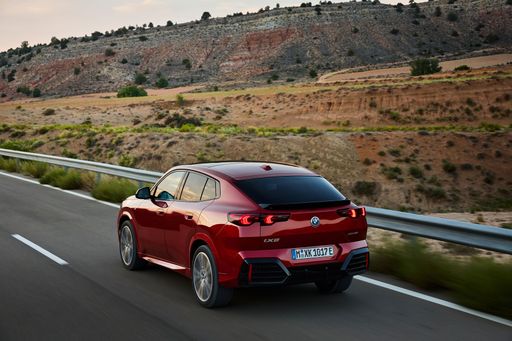
The BMW iX2 cuts a sporty silhouette and delivers the buttoned-up premium feel you expect from the brand, wrapped in a compact electric package that’s easy to live with. It’s a smart pick for buyers who want engaging city driving, clever cabin tech and a touch of eco-conscious flair without giving up the fun behind the wheel.

details
Audi Q4 e-tron
BMW iX2

Costs and Consumption

Price
39,600 - 58,800 £
Price
43,700 - 55,600 £
Consumption L/100km
-
Consumption L/100km
-
Consumption kWh/100km
15.9 - 17.4 kWh/100km
Consumption kWh/100km
14.4 - 15.4 kWh/100km
Electric Range
406 - 554 km
Electric Range
476 - 512 km
Battery Capacity
77 kWh
Battery Capacity
-
co2
0 g/km
co2
0 g/km
Fuel tank capacity
-
Fuel tank capacity
-

Dimensions and Body

Body Type
SUV
Body Type
SUV
Seats
5
Seats
5
Doors
5
Doors
-
Curb weight
2,035 - 2,235 kg
Curb weight
1,960 - 2,095 kg
Trunk capacity
520 - 535 L
Trunk capacity
525 L
Length
4,588 mm
Length
-
Width
1,865 mm
Width
1,845 mm
Height
1,614 - 1,632 mm
Height
-
Max trunk capacity
1,460 - 1,490 L
Max trunk capacity
-
Payload
505 - 515 kg
Payload
500 - 510 kg

Engine and Performance

Engine Type
Electric
Engine Type
Electric
Transmission
Automatic
Transmission
Automatic
Transmission Detail
Reduction Gearbox
Transmission Detail
Reduction Gearbox
Drive Type
Rear-Wheel Drive, All-Wheel Drive
Drive Type
Front-Wheel Drive, All-Wheel Drive
Power HP
204 - 340 HP
Power HP
204 - 313 HP
Acceleration 0-100km/h
5.4 - 8.1 s
Acceleration 0-100km/h
5.6 - 8.6 s
Max Speed
180 km/h
Max Speed
-
Torque
310 - 679 Nm
Torque
250 - 494 Nm
Number of Cylinders
-
Number of Cylinders
-
Power kW
150 - 250 kW
Power kW
150 - 230 kW
Engine capacity
-
Engine capacity
-

General

Model Year
2,023 - 2,025
Model Year
2,026
CO2 Efficiency Class
A
CO2 Efficiency Class
A
Brand
Audi
Brand
BMW
DriveDuel uses data analysis and artificial intelligence to evaluate vehicle data and create content. Content is regularly reviewed and improved. The displayed prices are estimates based on German list prices, adjusted to the respective country’s VAT. Country-specific registration taxes are not included. This information is not legally binding.