VS

Audi Q6 e-tron vs BMW iX3 comparison

Compare performance (490 HP vs 469 HP), boot space and price (54,400 £ vs 60,800 £ ) at a glance. Find out which car is the better choice for you – Audi Q6 e-tron or BMW iX3?

Audi Q6 e-tron vs BMW iX3: Key differences

Audi Q6 e-tron

4.9 (3 Reviews)
rate
  • slightly cheaper
  • only slightly more power
  • a bit quicker 0–100 km/h
  • barely lighter

BMW iX3

4.7 (2 Reviews)
rate
  • only slightly more efficient
  • somewhat more electric range

All details on performance, efficiency, range and trunk space can be found in the technical comparison below – including user reviews for both models.

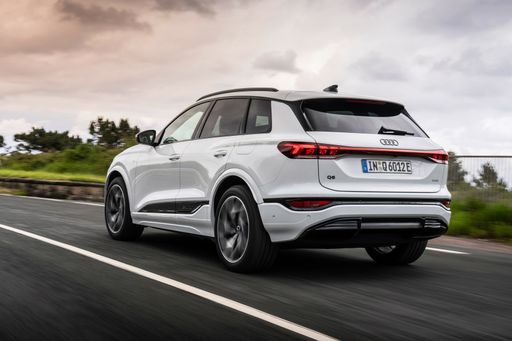
Q6 e-tron

Street Presence: understated elegance or purposeful stance?

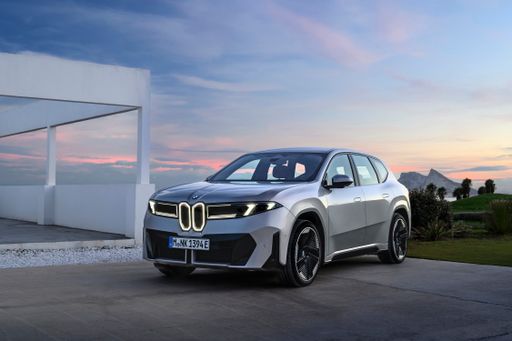
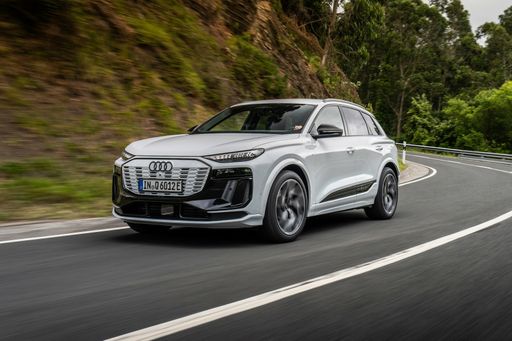
The Audi cuts a sleek, modern silhouette that whispers premium without shouting, while the BMW favors a more purposeful, athletic posture that looks ready to attack the motorway. Both command attention in different neighbourhoods — the Audi for tech-minded city buyers, the BMW for those who like their SUV to look like it can hustle. Pick the one that matches your wardrobe and parking habits.
iX3

Driving character: refined glide versus taut confidence

The Audi steers with a composed, almost insulated feel that rewards relaxed progress and long runs, while the BMW delivers a firmer, more tactile connection that puts the driver at the centre of the action. Neither is an old-school sports car, but one leans toward serene refinement and the other toward agile involvement. Your daily commute will reveal which temperament suits your mood.

Q6 e-tron

Cabin life: quiet cocoon or driver-focused cockpit?

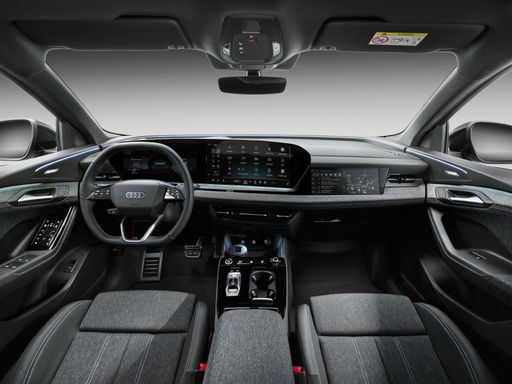
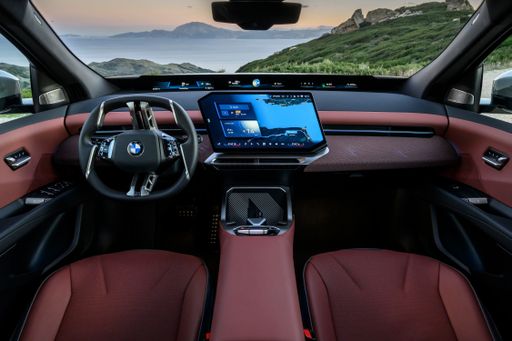
Inside, the Audi cultivates a calm, upscale atmosphere with materials and ergonomics aimed at comfort and ease, whereas the BMW designs its space around the driver with purposeful controls and a slightly sportier seating position. Both cabins feel well made, but they speak to different priorities — one relaxes you, the other keeps you engaged. For long days behind the wheel the choice comes down to whether you prize serenity or stimulation.

iX3

Practicality: family-friendly routines and weekend flexibility

When it comes to everyday chores and family life both cars are practical, yet they approach usefulness differently — one maximises an easy-loading mindset and the other stretches its versatility with clever touches for luggage and stowage. Child seats, grocery runs and roof-box weekends are all comfortably handled, though your packing style will reveal which layout feels more intuitive. Consider how you live on a regular Tuesday, not just on a test loop.

Q6 e-tron

Living with them: charging, ownership and daily running

Owning either means adapting to an electric rhythm, but there are subtle differences in how they fit into real life — think ease of charging, perceived efficiency on varied drives, and how their personalities translate into everyday cost of use. One tends to feel slightly more relaxed on long trips while the other edges toward brisker efficiency in town, so your typical itinerary is the deciding factor. Both take away petrol station visits, but they ask for a different kind of planning.

iX3

Screens and assistance: smart helpers or minimal fuss?

Both cabins are image-rich with digital interfaces and driver aids, yet they adopt different philosophies — one leans into a high-tech, layered system with lots of features, the other keeps interactions more direct and driver-focused. Learning curves vary, and button placement versus touch sensitivity will matter more than the headline tech when you use them daily. Expect clever safety features and modern infotainment, but choose the one whose interface you actually enjoy using.

Who should be looking at which?

Style-conscious buyers who prize a refined, tech-forward experience will appreciate the Audi’s quiet poise and cabin comfort, while drivers who want a bit more engagement and a sportier persona will find the BMW more appealing. Families and frequent travellers should weigh ease of packing and interior layout, while commuters will want to prioritise daily comfort and charging convenience. Match the car to the life you actually live and you won’t be disappointed.

Curious which claims the DriveDuel crown?

Keep reading — the DriveDuel Champion will be revealed afterwards, so stick with us to see which of these two strong contenders earns the top spot for real-world buyers.

Here’s where it gets real: The technical differences in detail

Q6 e-tron

Costs and Efficiency:

When it comes to price and running costs, the biggest differences usually appear. This is often where you see which car fits your budget better in the long run.

Audi Q6 e-tron is slightly cheaper – starting at 54,400 £ , while the BMW iX3 costs 60,800 £ . That’s a price difference of around 6,343 £.

In terms of energy consumption, the BMW iX3 is only slightly more efficient: consuming 15.1 kWh/100km compared to 15.6 kWh/100km for the Audi Q6 e-tron. That’s a difference of about 0.5 kWh/100km.

As for electric range, the BMW iX3 offers somewhat more range – reaching up to 805 km, about 149 km more than the Audi Q6 e-tron.

iX3

Engine and Performance:

Power, torque and acceleration say a lot about how a car feels on the road. This is where you see which model delivers more driving dynamics.

When it comes to engine power, the Audi Q6 e-tron offers only slightly more power – delivering 490 HP compared to 469 HP. That’s roughly 21 HP more horsepower.

When accelerating from 0 to 100 km/h, the Audi Q6 e-tron is a bit quicker – completing the sprint in 4.4 s, while the BMW iX3 takes 4.9 s. That’s about 0.5 s quicker.

There’s also a difference in torque: the Audi Q6 e-tron delivers noticeably more torque with 855 Nm compared to 645 Nm. That’s about 210 Nm more.

Q6 e-tron

Space and Everyday Use:

Cabin size, boot volume and payload all play a role in everyday practicality. Here, comfort and flexibility make the difference.

Both vehicles offer seating for 5 people.

In terms of curb weight, Audi Q6 e-tron is barely lighter – 2,200 kg compared to 2,360 kg. The difference is around 160 kg.

When it comes to payload, the Audi Q6 e-tron carries slightly more – 540 kg compared to 465 kg. That’s a difference of about 75 kg.

Who wins the race in the data check?

The Audi Q6 e-tron leads convincingly in the objective data comparison.
This result only shows which model scores more points on paper – not which of the two cars feels right for you.

from £54,400
Q6 e-tron

Audi Q6 e-tron

  • Engine Type : Electric
  • Transmission : Automatic
  • Drive Type : Rear-Wheel Drive, All-Wheel Drive
  • Power HP : 252 - 490 HP
  • Consumption kWh/100km : 15.6 - 18.4 kWh/100km
  • Electric Range : 529 - 656 km
Audi Q6 e-tron
BMW iX3

Costs and Consumption

View detailed analysis

Engine and Performance

View detailed analysis

Dimensions and Body

View detailed analysis

Audi Q6 e-tron

The Audi Q6 e-tron balances sleek, coupe-like styling with a roomy, upscale interior that feels modern without being showy. It delivers refined electric performance and smart tech that make daily driving effortless — the sort of EV that might make petrolheads grudgingly admit they fancy the future.

details

BMW iX3

The BMW iX3 brings BMW's familiar SUV poise into the electric era, blending restrained styling and a comfortable, composed ride that will please traditionalists dipping their toes into electrification. It's quiet, practical and rather grown-up about going electric — a sensible choice for buyers who want BMW driving manners without the drama.

details
Audi Q6 e-tron
BMW iX3

Costs and Consumption

Price
54,400 - 82,500 £
Price
60,800 - 66,300 £
Consumption L/100km
-
Consumption L/100km
-
Consumption kWh/100km
15.6 - 18.4 kWh/100km
Consumption kWh/100km
15.1 kWh/100km
Electric Range
529 - 656 km
Electric Range
805 km
Battery Capacity
75.8 - 94.9 kWh
Battery Capacity
-
co2
0 g/km
co2
0 g/km
Fuel tank capacity
-
Fuel tank capacity
-

Dimensions and Body

Body Type
SUV
Body Type
SUV
Seats
5
Seats
5
Doors
5
Doors
-
Curb weight
2,200 - 2,425 kg
Curb weight
2,360 kg
Trunk capacity
499 - 526 L
Trunk capacity
-
Length
4,771 mm
Length
-
Width
1,939 - 1,965 mm
Width
1,895 mm
Height
1,665 - 1,685 mm
Height
-
Max trunk capacity
1,361 - 1,529 L
Max trunk capacity
-
Payload
540 kg
Payload
465 kg

Engine and Performance

Engine Type
Electric
Engine Type
Electric
Transmission
Automatic
Transmission
Automatic
Transmission Detail
Reduction Gearbox
Transmission Detail
Reduction Gearbox
Drive Type
Rear-Wheel Drive, All-Wheel Drive
Drive Type
All-Wheel Drive
Power HP
252 - 490 HP
Power HP
469 HP
Acceleration 0-100km/h
4.4 - 7.6 s
Acceleration 0-100km/h
4.9 s
Max Speed
210 - 230 km/h
Max Speed
-
Torque
450 - 855 Nm
Torque
645 Nm
Number of Cylinders
-
Number of Cylinders
-
Power kW
185 - 360 kW
Power kW
345 kW
Engine capacity
-
Engine capacity
-

General

Model Year
2,024 - 2,025
Model Year
2,026
CO2 Efficiency Class
A
CO2 Efficiency Class
A
Brand
Audi
Brand
BMW
DriveDuel uses data analysis and artificial intelligence to evaluate vehicle data and create content. Content is regularly reviewed and improved. The displayed prices are estimates based on German list prices, adjusted to the respective country’s VAT. Country-specific registration taxes are not included. This information is not legally binding.