VS

Audi Q2 vs Peugeot 2008 comparison

Compare performance (300 HP vs 156 HP), boot space and price (24,900 £ vs 24,800 £ ) at a glance. Find out which car is the better choice for you – Audi Q2 or Peugeot 2008?

Audi Q2 vs Peugeot 2008: Key differences

Audi Q2

4.7 (4 Reviews)
rate
  • significantly more power
  • barely more efficient
  • substantially quicker 0–100 km/h

Peugeot 2008

5 (1 Reviews)
rate
  • marginally cheaper
  • very slightly lighter
  • very slightly more trunk space

All details on performance, efficiency, range and trunk space can be found in the technical comparison below – including user reviews for both models.

Q2

Introduction: A Clash of Compact SUVs

In the ever-competitive automotive market, the compact SUV segment has become a battleground for well-established brands. Among the contenders, the Audi Q2 and Peugeot 2008 stand out. Both vehicles offer unique qualities, innovative technologies, and distinct driving experiences. This article will delve into a thorough comparison of these two models, highlighting their technical aspects and innovations to help you make an informed decision.
2008

Design and Dimensions

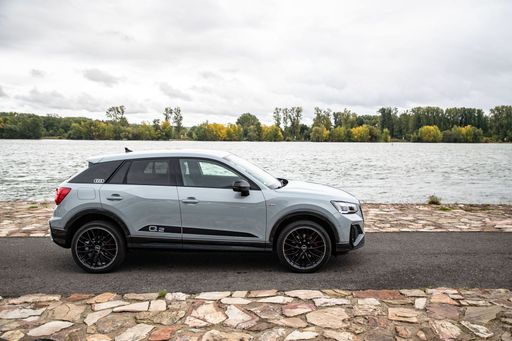
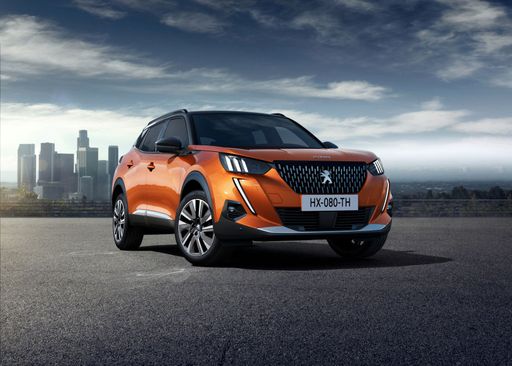
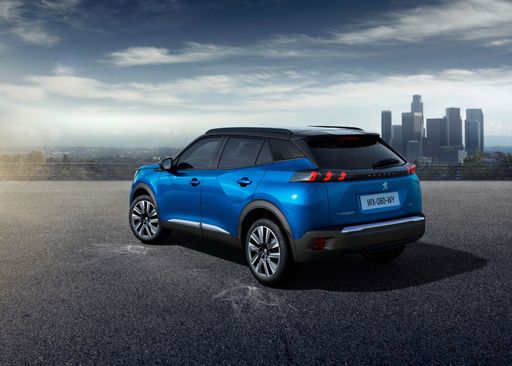
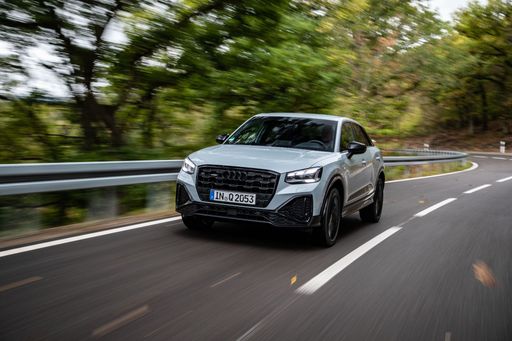
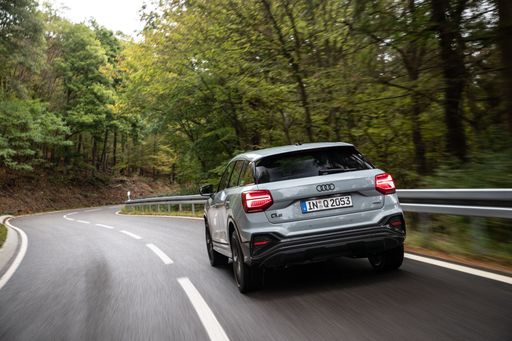
Both the Audi Q2 and Peugeot 2008 boast an attractive exterior that appeals to a modern audience. The Audi Q2, with its robust and angular design, measures 4208 mm in length, 1794 mm in width, and 1508 mm in height. In contrast, the Peugeot 2008 is slightly larger, coming in at 4304 mm long, 1770 mm wide, and 1523 mm high. This difference in dimensions gives the Q2 a more sportier silhouette while the 2008 exudes a more rounded, urban-friendly aesthetic.

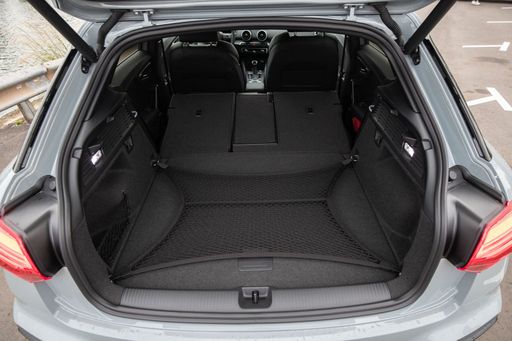
Additionally, interior space is crucial in this segment. The Audi offers a trunk capacity of 405 L, while the Peugeot slightly edges ahead with 434 L, making it potentially more suitable for family outings and weekend getaways.

Q2

Engine and Performance

The Audi Q2 presents a versatile engine lineup, including petrol and diesel options. Customers can choose from power outputs ranging from 116 HP to a staggering 300 HP. Acceleration is impressive, with the top-tier model capable of sprinting from 0 to 100 km/h in just 4.9 seconds, and it reaches a maximum speed of 250 km/h. The Q2 also offers various transmission choices, including dual-clutch automatic and manual options, providing a spectrum of driving preferences.

On the other hand, the Peugeot 2008 provides a different approach with its more eco-friendly offerings, including petrol and electric hybrid versions. The highest-performing petrol engine produces 156 HP and achieves 0 to 100 km/h in 8.3 seconds. The electric variant boasts an impressive range of up to 406 km, appealing to an audience keen on sustainability. The 2008 is outfitted with efficient powertrains, achieving fuel consumption figures as low as 5 L/100 km.

2008

Technology and Innovation

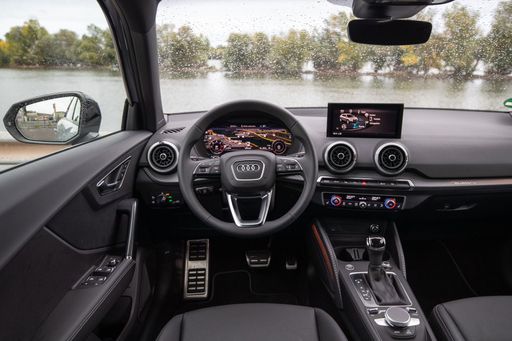
Innovation is at the core of both vehicles. The Audi Q2 comes with the brand's advanced MMI infotainment system, featuring a high-resolution display and seamless smartphone integration, including Apple CarPlay and Android Auto. Audi’s Virtual Cockpit offers a customizable digital dashboard, delivering essential driving information at a glance.

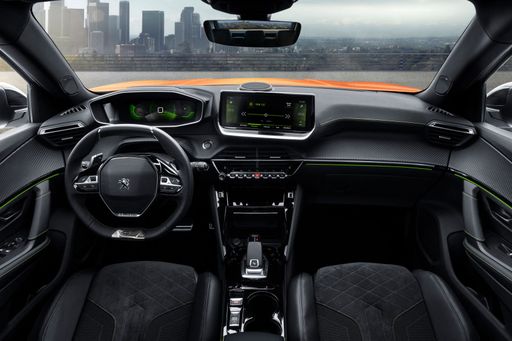
Peugeot, not to be outdone, packs the 2008 with cutting-edge technology, including the i-Cockpit interface. The compact steering wheel and augmented displays help create an engaging driving environment. Furthermore, the 2008 offers an extensive suite of driver-assistance features, such as adaptive cruise control and lane-keeping assist. These technological advancements not only improve safety but also enhance the driving experience.

Q2

Driving Dynamics

The driving experience is a significant factor for many buyers. The Audi Q2, equipped with a more performance-oriented suspension, delivers a sporty ride, handling corners with precision and composure. Whether navigating city streets or winding country roads, the Q2 instills confidence in its driver.

The Peugeot 2008, while perhaps not as sporty, prioritizes comfort and ease of handling, especially in urban environments. Its front-wheel-drive system coupled with a lighter curb weight makes it a nimble option for city driving. The inclusion of an electric version adds an additional layer of convenience for environmentally conscious drivers.

2008

Cost and Value

Pricing is always a determining factor in automotive decisions. The Audi Q2 typically commands a premium, with its top trims potentially reaching higher price points due to the extensive features and capabilities offered. Meanwhile, the Peugeot 2008 positions itself as a more budget-friendly option, providing excellent value without sacrificing essential features and performance.

Q2

Conclusion: Which is Right for You?

Ultimately, the choice between the Audi Q2 and Peugeot 2008 boils down to individual preferences and needs. For those seeking a premium driving experience with top-notch technology and sporty performance, the Q2 shines brightly. Conversely, the Peugeot 2008 appeals to consumers looking for eco-friendliness, practicality, and an attractive price point. Both vehicles bring distinct strengths to the table, ensuring that buyers in the compact SUV market have compelling options to choose from.

Here’s where it gets real: The technical differences in detail

Q2

Costs and Efficiency:

Price and efficiency are often the first things buyers look at. Here it becomes clear which model has the long-term edge – whether at the pump, the plug, or in purchase price.

Peugeot 2008 is marginally cheaper – starting at 24,800 £ , while the Audi Q2 costs 24,900 £ . That’s a price difference of around 95 £.

Fuel consumption also shows a difference: the Audi Q2 uses 4.8 L/100km and is barely more efficient than the Peugeot 2008 with 4.9 L/100km. The difference is about 0.1 L/100km.

2008

Engine and Performance:

Power, torque and acceleration are the classic benchmarks for car enthusiasts – and here, some clear differences start to show.

When it comes to engine power, the Audi Q2 offers significantly more power – delivering 300 HP compared to 156 HP. That’s roughly 144 HP more horsepower.

When accelerating from 0 to 100 km/h, the Audi Q2 is substantially quicker – completing the sprint in 4.9 s, while the Peugeot 2008 takes 8.3 s. That’s about 3.4 s quicker.

There’s also a difference in torque: the Audi Q2 delivers noticeably more torque with 400 Nm compared to 270 Nm. That’s about 130 Nm more.

Q2

Space and Everyday Use:

Cabin size, boot volume and payload all play a role in everyday practicality. Here, comfort and flexibility make the difference.

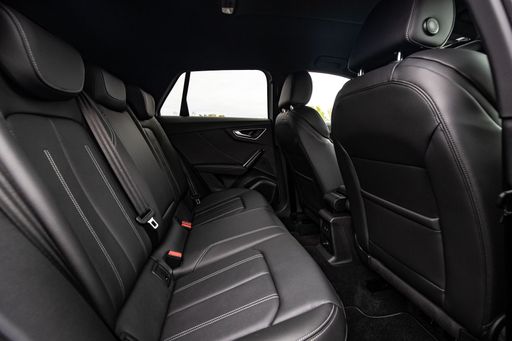
Both vehicles offer seating for 5 people.

In terms of curb weight, Peugeot 2008 is very slightly lighter – 1,263 kg compared to 1,330 kg. The difference is around 67 kg.

Looking at boot space, the Peugeot 2008 offers very slightly more boot space – 434 L compared to 405 L. That’s a difference of about 29 L.

When it comes to payload, the Audi Q2 carries somewhat more – 510 kg compared to 447 kg. That’s a difference of about 63 kg.

Who wins the race in the data check?

The Audi Q2 is clearly superior overall in the objective data comparison.
This result only shows which model scores more points on paper – not which of the two cars feels right for you.

from £24,900
Q2

Audi Q2

  • Engine Type : Petrol, Diesel
  • Transmission : Manuel, Automatic
  • Drive Type : Front-Wheel Drive, All-Wheel Drive
  • Power HP : 116 - 300 HP
  • Consumption L/100km : 4.8 - 8.1 L/100km
Audi Q2
Peugeot 2008

Costs and Consumption

View detailed analysis

Engine and Performance

View detailed analysis

Dimensions and Body

View detailed analysis

Audi Q2

The Audi Q2 packs Audi’s premium attitude into a compact, cheeky package that turns city streets into a runway for tasteful design and clever practicality. It’s an easy car to live with thanks to an upscale cabin, composed manners and sprightly handling, and while it won’t satisfy someone chasing sports-car thrills, it’s a smart, stylish pick for buyers who want substance with a wink.

details

Peugeot 2008

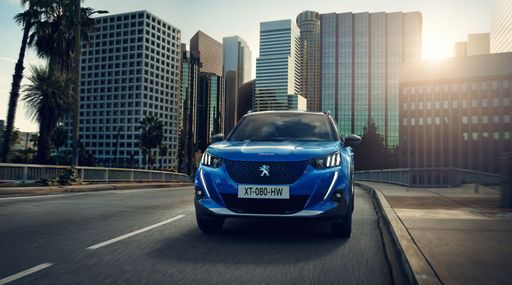
The Peugeot 2008 is a stylish, city-friendly crossover that packs big character into a compact package, turning mundane errands into a mildly entertaining drive. Its clever interior layout, polished looks and confident ride make it a smart choice for buyers who want practical daily sense with a touch of flair.

details
Audi Q2
Peugeot 2008

Costs and Consumption

Price
24,900 - 43,600 £
Price
24,800 - 40,400 £
Consumption L/100km
4.8 - 8.1 L/100km
Consumption L/100km
4.9 - 5.7 L/100km
Consumption kWh/100km
-
Consumption kWh/100km
15.3 - 15.5 kWh/100km
Electric Range
-
Electric Range
405 - 406 km
Battery Capacity
-
Battery Capacity
51 kWh
co2
127 - 183 g/km
co2
0 - 129 g/km
Fuel tank capacity
-
Fuel tank capacity
44 L

Dimensions and Body

Body Type
SUV
Body Type
SUV
Seats
5
Seats
5
Doors
-
Doors
5
Curb weight
1,330 - 1,610 kg
Curb weight
1,263 - 1,623 kg
Trunk capacity
355 - 405 L
Trunk capacity
434 L
Length
-
Length
4,304 mm
Width
1,794 - 1,802 mm
Width
1,770 mm
Height
-
Height
1,523 mm
Max trunk capacity
-
Max trunk capacity
1,467 L
Payload
450 - 510 kg
Payload
407 - 447 kg

Engine and Performance

Engine Type
Petrol, Diesel
Engine Type
Electric, Petrol MHEV, Petrol
Transmission
Manuel, Automatic
Transmission
Automatic, Manuel
Transmission Detail
Manual Gearbox, Dual-Clutch Automatic
Transmission Detail
Reduction Gearbox, Dual-Clutch Automatic, Manual Gearbox
Drive Type
Front-Wheel Drive, All-Wheel Drive
Drive Type
Front-Wheel Drive
Power HP
116 - 300 HP
Power HP
101 - 156 HP
Acceleration 0-100km/h
4.9 - 10.5 s
Acceleration 0-100km/h
8.3 - 10.9 s
Max Speed
-
Max Speed
150 - 206 km/h
Torque
200 - 400 Nm
Torque
205 - 270 Nm
Number of Cylinders
3 - 4
Number of Cylinders
3
Power kW
85 - 221 kW
Power kW
74 - 115 kW
Engine capacity
999 - 1,984 cm3
Engine capacity
1,199 cm3

General

Model Year
2,025
Model Year
2,023 - 2,026
CO2 Efficiency Class
D, F, E, G
CO2 Efficiency Class
A, C, D
Brand
Audi
Brand
Peugeot
DriveDuel uses data analysis and artificial intelligence to evaluate vehicle data and create content. Content is regularly reviewed and improved. The displayed prices are estimates based on German list prices, adjusted to the respective country’s VAT. Country-specific registration taxes are not included. This information is not legally binding.