
 Deutschland
 France
 Nederland
 Great Britain
 Sverige
 Danmark
 Suomi
Suomi Italia
 Polska
 España
VS
BMW 5 Series Saloon vs Peugeot 5008 - Differences and prices compared
Compare performance (727 HP vs 325 HP), boot space and price (50800 £ vs 37600 £ ) at a glance. Find out which car is the better choice for you – BMW 5 Series Saloon or Peugeot 5008?
5 Series Saloon
Costs and Efficiency:
Price and efficiency are key factors when choosing a car – and this is often where the real differences emerge.
Peugeot 5008 has a evident advantage in terms of price – it starts at 37600 £ , while the BMW 5 Series Saloon costs 50800 £ . That’s a price difference of around 13234 £.
Fuel consumption also shows a difference: BMW 5 Series Saloon manages with 2.10 L and is therefore clearly perceptible more efficient than the Peugeot 5008 with 2.70 L. The difference is about 0.60 L per 100 km.
As for electric range, the Peugeot 5008 performs clearly better – achieving up to 669 km, about 564 km more than the BMW 5 Series Saloon.
5008
Engine and Performance:
Power, torque and acceleration say a lot about how a car feels on the road. This is where you see which model delivers more driving dynamics.
When it comes to engine power, the BMW 5 Series Saloon has a convincingly edge – offering 727 HP compared to 325 HP. That’s roughly 402 HP more horsepower.
In acceleration from 0 to 100 km/h, the BMW 5 Series Saloon is convincingly quicker – completing the sprint in 3.50 s, while the Peugeot 5008 takes 6.50 s. That’s about 3 s faster.
In terms of top speed, the BMW 5 Series Saloon performs to a small extent better – reaching 250 km/h, while the Peugeot 5008 tops out at 220 km/h. The difference is around 30 km/h.
There’s also a difference in torque: BMW 5 Series Saloon pulls decisively stronger with 1000 Nm compared to 511 Nm. That’s about 489 Nm difference.
5 Series Saloon
Space and Everyday Use:
Beyond pure performance, interior space and usability matter most in daily life. This is where you see which car is more practical and versatile.
Seats: Peugeot 5008 offers distinct more seating capacity – 7 vs 5.
In curb weight, Peugeot 5008 is slight lighter – 1700 kg compared to 1800 kg. The difference is around 100 kg.
In terms of boot space, the BMW 5 Series Saloon offers noticeable more room – 520 L compared to 348 L. That’s a difference of about 172 L.
When it comes to payload, Peugeot 5008 minimal takes the win – 640 kg compared to 600 kg. That’s a difference of about 40 kg.
Who wins the race in the data check?
The BMW 5 Series Saloon is decisively ahead in the objective data comparison.
This result only shows which model scores more points on paper – not which of the two cars feels right for you.
BMW 5 Series Saloon
Peugeot 5008
Costs and Consumption
View detailed analysis
View detailed analysis
Engine and Performance
View detailed analysis
View detailed analysis
Dimensions and Body
View detailed analysis
View detailed analysis
from about £50,800
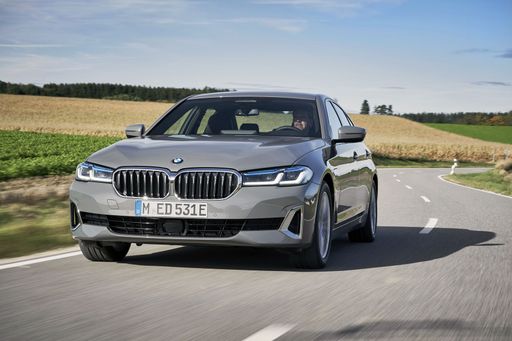
BMW 5 Series Saloon
BMW 5 Series Saloon
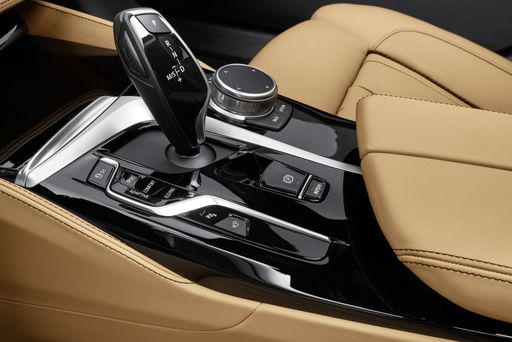
The BMW 5 Series Saloon blends executive poise with a driver's instinct, delivering a supple, refined cabin and a chassis that prefers composed authority over bravado. For buyers who want a grown-up commuter that still enjoys a twisty road, it’s the kind of car that keeps your colleagues impressed and your weekend grin intact.
details
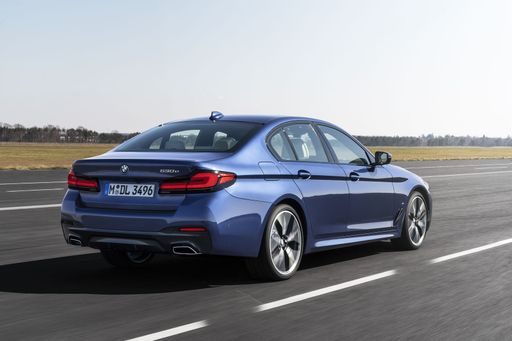
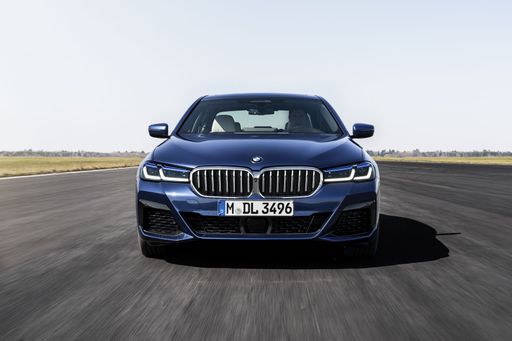
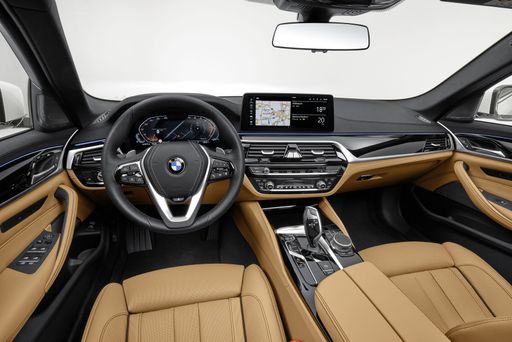
Peugeot 5008
4.7 (1 Reviews)
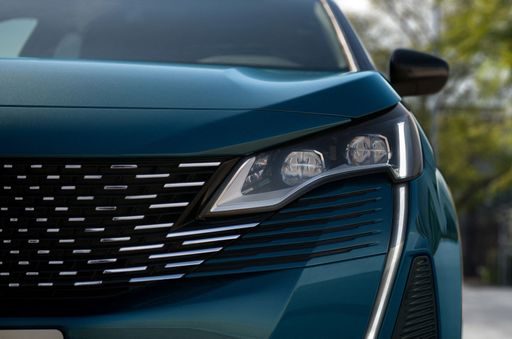
The Peugeot 5008 blends Peugeot's sharp design with the space and versatility families actually need, wrapping clever packaging and a premium-feeling cabin in a crisp, SUV-like silhouette. It drives with more poise than you'd expect from a people carrier, serves up practical touches and flexible seating for everyday chaos, and still looks good when parked outside the school gates.
details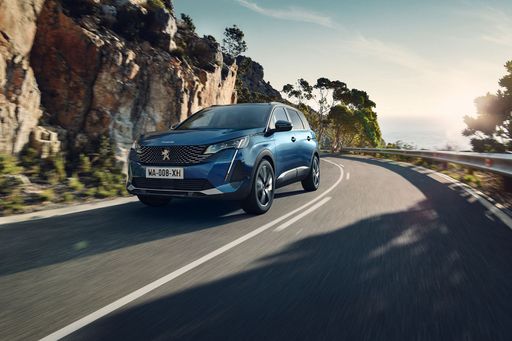


BMW 5 Series Saloon
Peugeot 5008
Costs and Consumption |
|
|---|---|
|
Price
50800 - 124500 £
|
Price
37600 - 54200 £
|
|
Consumption L/100km
2.1 - 5.8 L
|
Consumption L/100km
2.7 - 5.6 L
|
|
Consumption kWh/100km
-
|
Consumption kWh/100km
17.8 - 18.6 kWh
|
|
Electric Range
67 - 105 km
|
Electric Range
78 - 669 km
|
|
Battery Capacity
19 - 19.4 kWh
|
Battery Capacity
0.4 - 96.9 kWh
|
|
co2
48 - 152 g/km
|
co2
0 - 127 g/km
|
|
Fuel tank capacity
60 L
|
Fuel tank capacity
55 L
|
Dimensions and Body |
|
|---|---|
|
Body Type
Sedan
|
Body Type
SUV
|
|
Seats
5
|
Seats
7
|
|
Doors
4
|
Doors
5
|
|
Curb weight
1800 - 2515 kg
|
Curb weight
1700 - 2344 kg
|
|
Trunk capacity
466 - 520 L
|
Trunk capacity
294 - 348 L
|
|
Length
5060 mm
|
Length
4791 mm
|
|
Width
1900 - 1970 mm
|
Width
1895 mm
|
|
Height
1515 mm
|
Height
1694 mm
|
|
Max trunk capacity
-
|
Max trunk capacity
2178 - 2232 L
|
|
Payload
425 - 600 kg
|
Payload
596 - 640 kg
|
Engine and Performance |
|
|---|---|
|
Engine Type
Diesel MHEV, Petrol MHEV, Plugin Hybrid
|
Engine Type
Electric, Petrol MHEV, Plugin Hybrid
|
|
Transmission
Automatic
|
Transmission
Automatic
|
|
Transmission Detail
Automatic Gearbox
|
Transmission Detail
Reduction Gearbox, Dual-Clutch Automatic
|
|
Drive Type
Rear-Wheel Drive, All-Wheel Drive
|
Drive Type
Front-Wheel Drive, All-Wheel Drive
|
|
Power HP
197 - 727 HP
|
Power HP
145 - 325 HP
|
|
Acceleration 0-100km/h
3.5 - 7.5 s
|
Acceleration 0-100km/h
6.5 - 10.2 s
|
|
Max Speed
225 - 250 km/h
|
Max Speed
170 - 220 km/h
|
|
Torque
330 - 1000 Nm
|
Torque
230 - 511 Nm
|
|
Number of Cylinders
4 - 8
|
Number of Cylinders
3 - 4
|
|
Power kW
145 - 535 kW
|
Power kW
107 - 239 kW
|
|
Engine capacity
1995 - 4395 cm3
|
Engine capacity
1199 - 1598 cm3
|
General |
|
|---|---|
|
Model Year
2023 - 2026
|
Model Year
2024 - 2025
|
|
CO2 Efficiency Class
D, E, B, C
|
CO2 Efficiency Class
A, D, B
|
|
Brand
BMW
|
Brand
Peugeot
|
What drivetrain options does the BMW 5 Series Saloon have?
Available configurations include Rear-Wheel Drive or All-Wheel Drive.
The prices shown are estimates based on German list prices, adjusted for local VAT. Local registration taxes (e.g. NoVA, BPM or CO2 malus) are not included. This information is not legally binding.