VS

BMW i4 vs Audi A6 e-tron Sportback comparison

Compare performance (601 HP vs 551 HP), boot space and price (49,400 £ vs 53,800 £ ) at a glance. Find out which car is the better choice for you – BMW i4 or Audi A6 e-tron Sportback?

BMW i4 vs Audi A6 e-tron Sportback: Key differences

BMW i4

5 (1 Reviews)
rate
  • only slightly cheaper
  • only slightly more power
  • only slightly quicker 0–100 km/h
  • marginally lighter

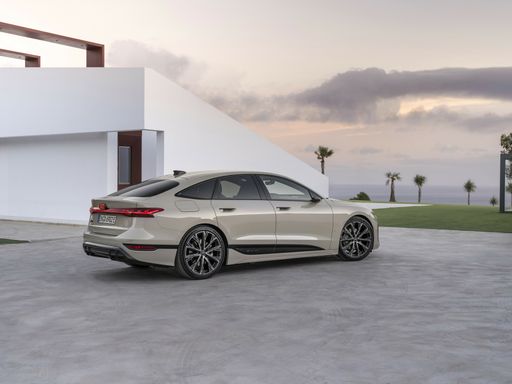
Audi A6 e-tron Sportback

  • only slightly more efficient
  • slightly more electric range
  • only slightly more trunk space
i4

The Electric Duel: Audi A6 e-tron Sportback vs BMW i4

In the ever-evolving world of electric vehicles, Audi and BMW have thrown down the gauntlet with their respective offerings: the Audi A6 e-tron Sportback and the BMW i4. Both vehicles promise dynamic performance, advanced technology, and eye-catching designs, but how do they stack up against each other? Let’s take a deep dive into their specifications, innovations, and overall driving experience.
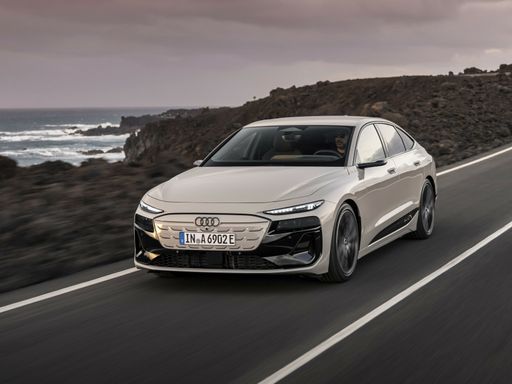
A6 e-tron Sportback

Design and Dimensions: Aesthetic Appeal

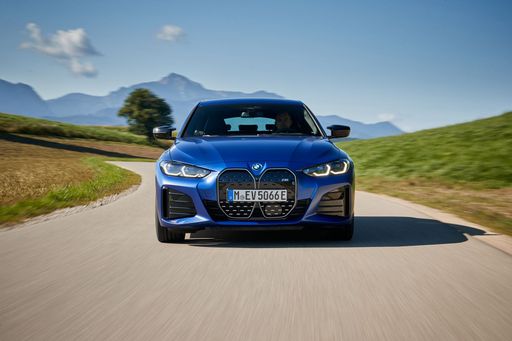
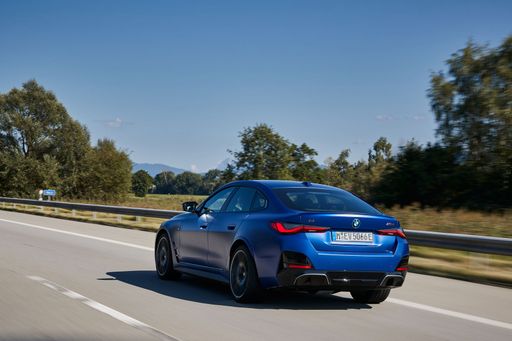
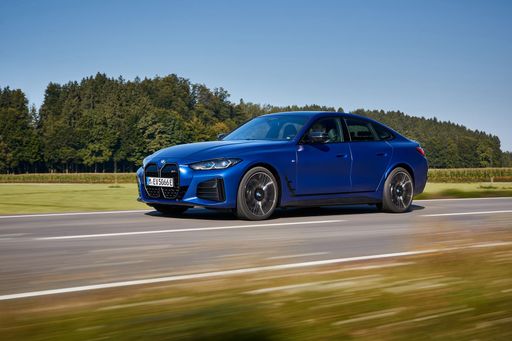
Both the Audi A6 e-tron Sportback and BMW i4 boast hatchback designs that showcase modern aesthetics coupled with functionality. The A6 e-tron measures 4928 mm in length, 1923 mm in width, and 1487 mm in height, giving it a commanding presence on the road. The BMW i4, slightly more compact, comes in at 4783 mm long, 1852 mm wide, and 1448 mm tall. This difference in dimensions reflects each brand's approach to design: Audi leans toward a more spacious and elegant silhouette, while BMW adopts a sportier stance.

i4

Performance Specifications: Power Under the Hood

When it comes to performance, both vehicles offer impressive electric powertrains. The Audi A6 e-tron Sportback offers a range of power outputs, from 326 HP to a vigorous 551 HP, depending on the variant. It features a dual drivetrain option, allowing for both rear-wheel and all-wheel drive configurations, and can accelerate from 0-100 km/h in as little as 3.9 seconds in its most powerful form.

In comparison, the BMW i4 offers a range of 286 HP to an exhilarating 544 HP. Its acceleration capabilities are equally commendable, with the top variant reaching 0-100 km/h in just 3.9 seconds. Both vehicles feature a reduction gearbox for smooth power delivery, truly redefining electric performance.

A6 e-tron Sportback

Battery Capacity and Electric Range: Go Further

The range is a decisive factor for any electric vehicle, and here the Audi A6 e-tron Sportback excels with a maximum electric range of 754 km from its battery capacity of up to 94.9 kWh. This impressive figure sets a standard in the premium electric vehicle segment, making it an appealing choice for those looking to commute longer distances.

Meanwhile, the BMW i4 offers a respectable range with its battery options. The maximum range for the i4 is 582 km, powered by its largest battery option of 81.3 kWh. While the i4 may not outperform the A6 e-tron in range, it still provides ample mileage for most electric vehicle users.

i4

Driving Experience: Comfort Meets Control

The driving experience in both vehicles is characterized by superb refinement and sportiness. The A6 e-tron Sportback has been noted for its comfortable ride quality, aided by its robust suspension setup, while also delivering that signature Audi driving experience—precise steering and excellent stability, particularly at high speeds.

On the other hand, the BMW i4 provides a more spirited driving experience, with a focus on engaging dynamics and a responsive feel. BMW’s heritage as a performance-oriented brand is evident in the handling and agility of the i4, making it a thrill for driving enthusiasts.

A6 e-tron Sportback

Interior Innovation: Tech-Heavy Cockpits

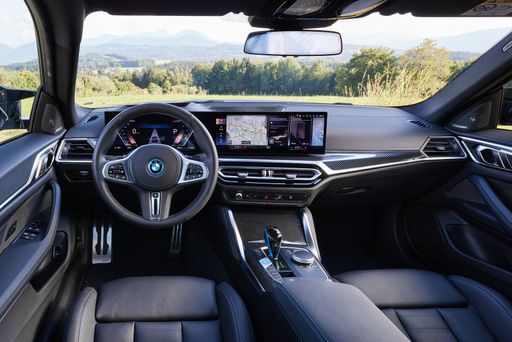
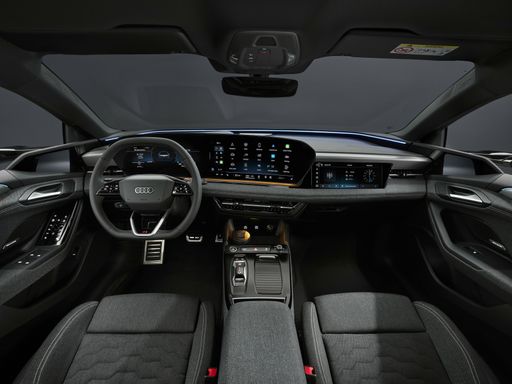
Inside, both vehicles are outfitted with state-of-the-art technology and premium materials. Audi's MMI infotainment system in the A6 e-tron Sportback features a dual touchscreen setup that integrates seamlessly with digital cockpit technology, enhancing driver interaction and comfort.

Conversely, the BMW i4 employs the iDrive system, renowned for its user-friendly interface and comprehensive functionalities, including gesture control and voice activation. Both cockpits are equipped with high-quality materials, ambient lighting, and spacious seating for five occupants, ensuring passengers remain comfortable and connected throughout their journey.

i4

Conclusion: A Tough Choice

Ultimately, the choice between the Audi A6 e-tron Sportback and the BMW i4 boils down to individual preferences. The Audi A6 e-tron Sportback offers longer range and a more elegant design, while the BMW i4 provides an exhilarating driving experience backed by robust performance. Both vehicles are outstanding representations of what the future of electric mobility can offer, blending luxury with sustainability. As we steer towards an electrified future, drivers will have to weigh the merits of these two innovative machines carefully.

Here’s where it gets real: The technical differences in detail

i4

Costs and Efficiency:

Price and efficiency are often the first things buyers look at. Here it becomes clear which model has the long-term edge – whether at the pump, the plug, or in purchase price.

BMW i4 is only slightly cheaper – starting at 49,400 £ , while the Audi A6 e-tron Sportback costs 53,800 £ . That’s a price difference of around 4,457 £.

In terms of energy consumption, the Audi A6 e-tron Sportback is only slightly more efficient: consuming 13.7 kWh/100km compared to 14.7 kWh/100km for the BMW i4. That’s a difference of about 1 kWh/100km.

As for electric range, the Audi A6 e-tron Sportback offers slightly more range – reaching up to 754 km, about 141 km more than the BMW i4.

A6 e-tron Sportback

Engine and Performance:

Under the bonnet, it becomes clear which model is tuned for sportiness and which one takes the lead when you hit the accelerator.

When it comes to engine power, the BMW i4 offers only slightly more power – delivering 601 HP compared to 551 HP. That’s roughly 50 HP more horsepower.

When accelerating from 0 to 100 km/h, the BMW i4 is only slightly quicker – completing the sprint in 3.7 s, while the Audi A6 e-tron Sportback takes 3.9 s. That’s about 0.2 s quicker.

There’s also a difference in torque: the Audi A6 e-tron Sportback delivers only slightly more torque with 855 Nm compared to 795 Nm. That’s about 60 Nm more.

i4

Space and Everyday Use:

Cabin size, boot volume and payload all play a role in everyday practicality. Here, comfort and flexibility make the difference.

Both vehicles offer seating for 5 people.

In terms of curb weight, BMW i4 is marginally lighter – 2,070 kg compared to 2,175 kg. The difference is around 105 kg.

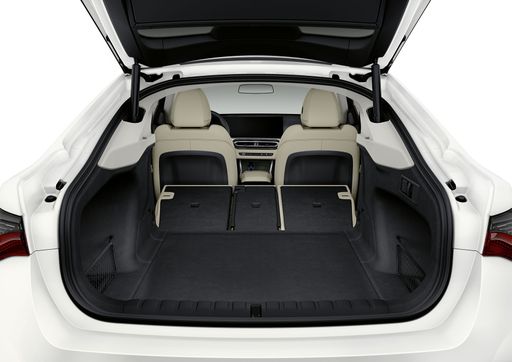
Looking at boot space, the Audi A6 e-tron Sportback offers only slightly more boot space – 502 L compared to 470 L. That’s a difference of about 32 L.

When it comes to payload, the Audi A6 e-tron Sportback carries very slightly more – 500 kg compared to 480 kg. That’s a difference of about 20 kg.

Who wins the race in the data check?

The Audi A6 e-tron Sportback is narrowly ahead in the objective data comparison.
This result only shows which model scores more points on paper – not which of the two cars feels right for you.

from £53,800
A6 e-tron Sportback

Audi A6 e-tron Sportback

  • Engine Type : Electric
  • Transmission : Automatic
  • Drive Type : Rear-Wheel Drive, All-Wheel Drive
  • Power HP : 326 - 551 HP
  • Consumption kWh/100km : 13.7 - 16.3 kWh/100km
  • Electric Range : 572 - 754 km
BMW i4
Audi A6 e-tron Sportback

Costs and Consumption

View detailed analysis

Engine and Performance

View detailed analysis

Dimensions and Body

View detailed analysis

BMW i4

The BMW i4 arrives with the poise of a classic Gran Coupé, marrying BMW's playful handling with a sleek, modern interior that makes switching to electric feel like an upgrade rather than a compromise. For buyers who want a practical daily driver that still enjoys a spirited back-road run, the i4 quietly delivers smiles and a surprising dose of driver engagement.

details

Audi A6 e-tron Sportback

The Audi A6 e-tron Sportback wraps futuristic electric technology in elegant, coupe-like proportions, so you arrive looking sharp without shouting for attention. Inside, refined materials and a calm, driver-focused layout make it a convincing choice for buyers who want quiet, effortless performance with a dash of everyday practicality — the kind of car that raises eyebrows without saying a word.

details
BMW i4
Audi A6 e-tron Sportback

Costs and Consumption

Price
49,400 - 62,500 £
Price
53,800 - 98,700 £
Consumption L/100km
-
Consumption L/100km
-
Consumption kWh/100km
14.7 - 16.7 kWh/100km
Consumption kWh/100km
13.7 - 16.3 kWh/100km
Electric Range
514 - 613 km
Electric Range
572 - 754 km
Battery Capacity
-
Battery Capacity
75.8 - 94.9 kWh
co2
0 g/km
co2
0 g/km
Fuel tank capacity
-
Fuel tank capacity
-

Dimensions and Body

Body Type
Hatchback
Body Type
Hatchback
Seats
5
Seats
5
Doors
-
Doors
5
Curb weight
2,070 - 2,285 kg
Curb weight
2,175 - 2,400 kg
Trunk capacity
470 L
Trunk capacity
502 L
Length
-
Length
4,928 mm
Width
1,852 mm
Width
1,923 mm
Height
-
Height
1,465 - 1,487 mm
Max trunk capacity
-
Max trunk capacity
1,330 L
Payload
445 - 480 kg
Payload
470 - 500 kg

Engine and Performance

Engine Type
Electric
Engine Type
Electric
Transmission
Automatic
Transmission
Automatic
Transmission Detail
Reduction Gearbox
Transmission Detail
Reduction Gearbox
Drive Type
Rear-Wheel Drive, All-Wheel Drive
Drive Type
Rear-Wheel Drive, All-Wheel Drive
Power HP
286 - 601 HP
Power HP
326 - 551 HP
Acceleration 0-100km/h
3.7 - 6 s
Acceleration 0-100km/h
3.9 - 6 s
Max Speed
-
Max Speed
210 - 240 km/h
Torque
400 - 795 Nm
Torque
435 - 855 Nm
Number of Cylinders
-
Number of Cylinders
-
Power kW
210 - 442 kW
Power kW
240 - 405 kW
Engine capacity
-
Engine capacity
-

General

Model Year
2,024 - 2,025
Model Year
2,024
CO2 Efficiency Class
A
CO2 Efficiency Class
A
Brand
BMW
Brand
Audi
DriveDuel uses data analysis and artificial intelligence to evaluate vehicle data and create content. Content is regularly reviewed and improved. The displayed prices are estimates based on German list prices, adjusted to the respective country’s VAT. Country-specific registration taxes are not included. This information is not legally binding.