
 Deutschland
 France
 Nederland
 Great Britain
 Sverige
 Norge
Norge Danmark
 Suomi
Suomi Italia
 Polska
 España
VS
BMW i4 vs Lexus RX - Differences and prices compared
Compare performance (601 HP vs 371 HP), boot space and price (49400 £ vs 63500 £ ) at a glance. Find out which car is the better choice for you – BMW i4 or Lexus RX?
i4
Costs and Efficiency:
When it comes to price and running costs, the biggest differences usually appear. This is often where you see which car fits your budget better in the long run.
BMW i4 has a noticeable advantage in terms of price – it starts at 49400 £ , while the Lexus RX costs 63500 £ . That’s a price difference of around 14143 £.
As for electric range, the BMW i4 performs convincingly better – achieving up to 613 km, about 545 km more than the Lexus RX.
RX
Engine and Performance:
Power, torque and acceleration say a lot about how a car feels on the road. This is where you see which model delivers more driving dynamics.
When it comes to engine power, the BMW i4 has a noticeable edge – offering 601 HP compared to 371 HP. That’s roughly 230 HP more horsepower.
In acceleration from 0 to 100 km/h, the BMW i4 is significantly quicker – completing the sprint in 3.70 s, while the Lexus RX takes 6.20 s. That’s about 2.50 s faster.
There’s also a difference in torque: BMW i4 pulls clearly perceptible stronger with 795 Nm compared to 551 Nm. That’s about 244 Nm difference.
Ad · Affiliate



As an Amazon Associate, we earn from qualifying purchases.
i4
Space and Everyday Use:
Whether family car or daily driver – which one offers more room, flexibility and comfort?
Both vehicles offer seating for 5 people.
In curb weight, Lexus RX is barely noticeable lighter – 2040 kg compared to 2070 kg. The difference is around 30 kg.
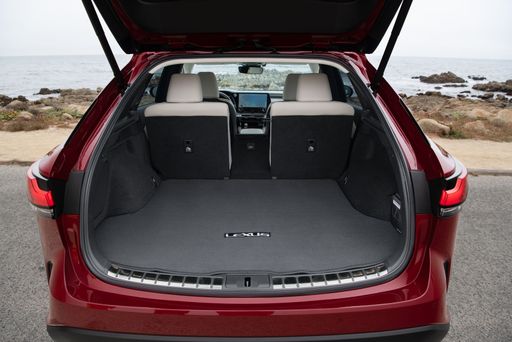
In terms of boot space, the BMW i4 offers hardly perceptible more room – 470 L compared to 461 L. That’s a difference of about 9 L.
When it comes to payload, Lexus RX clearly perceptible takes the win – 620 kg compared to 480 kg. That’s a difference of about 140 kg.
Who wins the race?
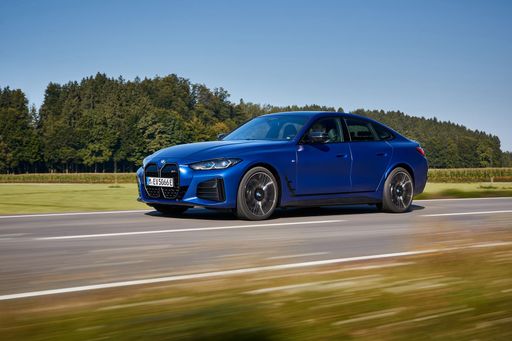
The BMW i4 proves to be wins the duel decisively and therefore becomes our DriveDuel Champion!
BMW i4 is the better all-rounder in this comparison.
from about £49,400
BMW i4
BMW i4
Lexus RX
Costs and Consumption
View detailed analysis
View detailed analysis
Engine and Performance
View detailed analysis
View detailed analysis
Dimensions and Body
View detailed analysis
View detailed analysis
BMW i4
5 (1 Reviews)
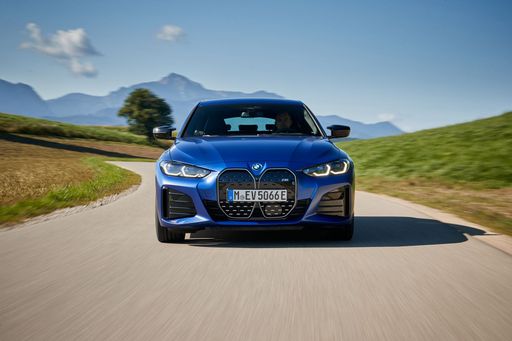
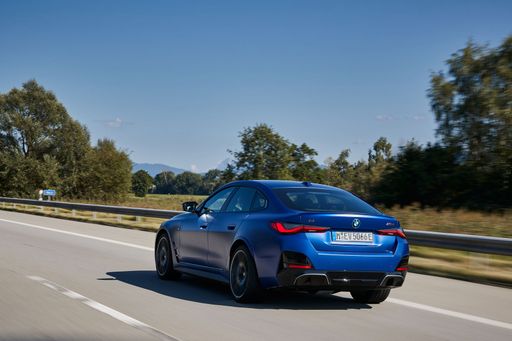
The BMW i4 arrives with the poise of a classic Gran Coupé, marrying BMW's playful handling with a sleek, modern interior that makes switching to electric feel like an upgrade rather than a compromise. For buyers who want a practical daily driver that still enjoys a spirited back-road run, the i4 quietly delivers smiles and a surprising dose of driver engagement.
details
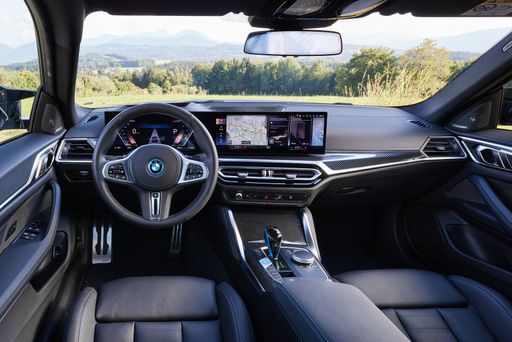
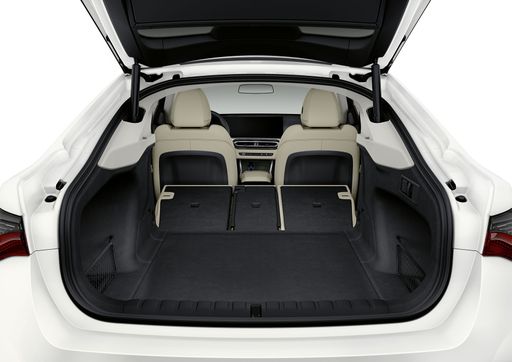
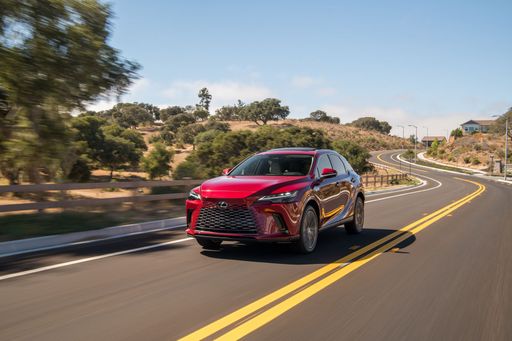
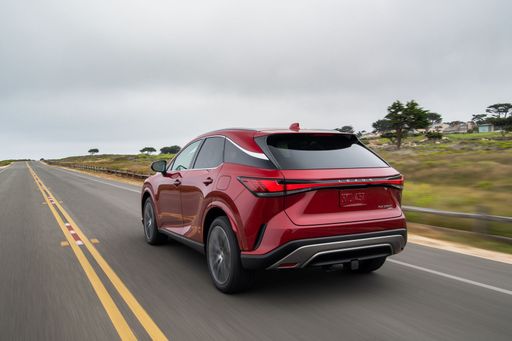
BMW i4
Lexus RX
Costs and Consumption |
|
|---|---|
|
Price
49400 - 62500 £
|
Price
63500 - 84700 £
|
|
Consumption L/100km
-
|
Consumption L/100km
1.1 - 8 L
|
|
Consumption kWh/100km
14.7 - 16.7 kWh
|
Consumption kWh/100km
-
|
|
Electric Range
514 - 613 km
|
Electric Range
68 km
|
|
Battery Capacity
-
|
Battery Capacity
-
|
|
co2
0 g/km
|
co2
25 - 182 g/km
|
|
Fuel tank capacity
-
|
Fuel tank capacity
55 - 65 L
|
Dimensions and Body |
|
|---|---|
|
Body Type
Hatchback
|
Body Type
SUV
|
|
Seats
5
|
Seats
5
|
|
Doors
-
|
Doors
5
|
|
Curb weight
2070 - 2285 kg
|
Curb weight
2040 - 2185 kg
|
|
Trunk capacity
470 L
|
Trunk capacity
461 L
|
|
Length
-
|
Length
4890 mm
|
|
Width
1852 mm
|
Width
1920 mm
|
|
Height
-
|
Height
1695 mm
|
|
Max trunk capacity
-
|
Max trunk capacity
1678 L
|
|
Payload
445 - 480 kg
|
Payload
575 - 620 kg
|
Engine and Performance |
|
|---|---|
|
Engine Type
Electric
|
Engine Type
Full Hybrid, Plugin Hybrid
|
|
Transmission
Automatic
|
Transmission
Automatic
|
|
Transmission Detail
Reduction Gearbox
|
Transmission Detail
CVT, Automatic Gearbox
|
|
Drive Type
Rear-Wheel Drive, All-Wheel Drive
|
Drive Type
All-Wheel Drive
|
|
Power HP
286 - 601 HP
|
Power HP
250 - 371 HP
|
|
Acceleration 0-100km/h
3.7 - 6 s
|
Acceleration 0-100km/h
6.2 - 7.9 s
|
|
Max Speed
-
|
Max Speed
200 - 210 km/h
|
|
Torque
400 - 795 Nm
|
Torque
551 Nm
|
|
Number of Cylinders
-
|
Number of Cylinders
4
|
|
Power kW
210 - 442 kW
|
Power kW
184 - 273 kW
|
|
Engine capacity
-
|
Engine capacity
2393 - 2487 cm3
|
General |
|
|---|---|
|
Model Year
2025
|
Model Year
2023 - 2024
|
|
CO2 Efficiency Class
A
|
CO2 Efficiency Class
E, B, G
|
|
Brand
BMW
|
Brand
Lexus
|
What drivetrain options does the BMW i4 have?
The BMW i4 is available as Rear-Wheel Drive or All-Wheel Drive.
The prices shown are estimates based on German list prices, adjusted for local VAT. Local registration taxes (e.g. NoVA, BPM or CO2 malus) are not included. This information is not legally binding.