VS

BMW i5 vs Audi Q4 e-tron comparison

Compare performance (601 HP vs 340 HP), boot space and price (60,800 £ vs 40,700 £ ) at a glance. Find out which car is the better choice for you – BMW i5 or Audi Q4 e-tron?

BMW i5 vs Audi Q4 e-tron: Key differences

BMW i5

  • significantly more power
  • barely more efficient
  • barely more electric range
  • clearly quicker 0–100 km/h
details

Audi Q4 e-tron

4.6 (3 Reviews)
rate
  • substantially cheaper
  • marginally lighter
  • marginally more trunk space
details

All details on performance, efficiency, range and trunk space can be found in the technical comparison below – including user reviews for both models.

By Achim Sedelmaier

i5

The Battle of the Electrics: Audi Q4 e-tron vs BMW i5

As the automotive industry pivots towards electricity, two giants emerge from Germany's renowned manufacturers: the Audi Q4 e-tron and the BMW i5. With cutting-edge technology, sleek designs, and powerful performance, these electric vehicles aim to redefine driving experiences. Let’s dive deeper into how these two models stack up against each other.
Q4 e-tron

Design and Exterior

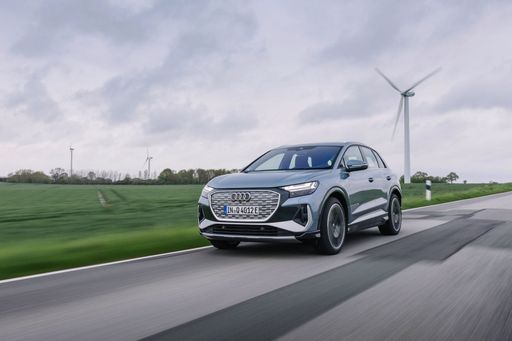
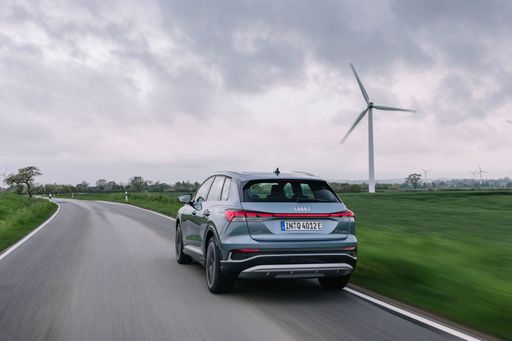
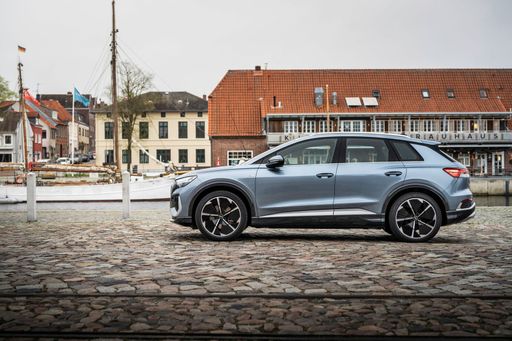
The Audi Q4 e-tron, with its SUV body type, provides a robust stance characterized by its dimensions of 4588 mm in length, 1865 mm in width, and a height ranging up to 1632 mm, depending on the variant. This model is designed to cater to those seeking a commanding road presence, while maintaining elegance.

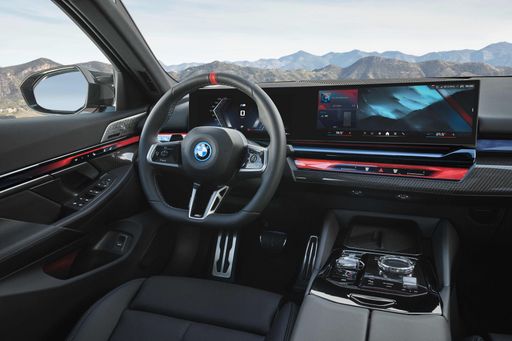
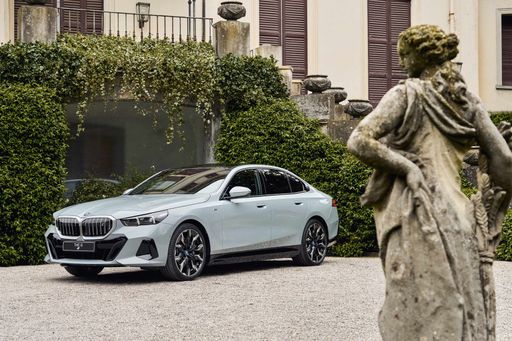
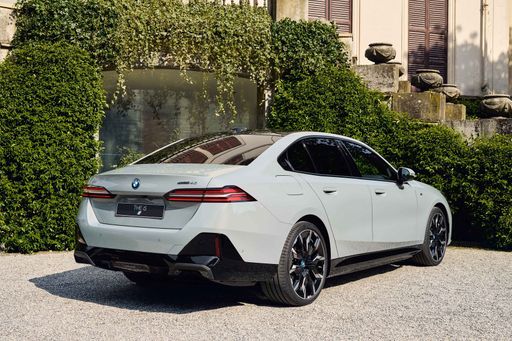
In contrast, the BMW i5, a sedan, exudes sophistication with its extended 5060 mm length and a trim 1505 mm height. With a width of 1900 mm, the i5 retains a sporty yet luxurious appearance that is quintessentially BMW.

i5

Performance Specifications

Performance is a standout feature for both these models. The Audi Q4 e-tron offers a spectrum of power ranging from 170 HP to 340 HP, accommodating different driving preferences. Its maximum speed caps at 180 km/h with a commendable acceleration from 0 to 100 km/h in as fast as 5.4 seconds for its higher-end model.

The BMW i5, meanwhile, delivers up to a whopping 601 HP, pushing its top variants from 0 to 100 km/h in a mere 3.8 seconds. With maximum speed peaking at 230 km/h, the i5 positions itself as a performance leader in the electric sedan category.

Q4 e-tron

Range and Efficiency

When it comes to electric range, efficiency is paramount. The Audi Q4 e-tron boasts a range from 351 km up to an impressive 554 km, depending on the model. Its efficiency is reflected in the consumption rate which varies as low as 15.9 kWh/100 km.

BMW’s i5 takes a lead with a maximum electric range of 582 km, while maintaining an efficient consumption starting at 15.9 kWh/100 km. This positions the i5 as both a long-range and energy-efficient option for the eco-conscious driver.

i5

Interior and Technology

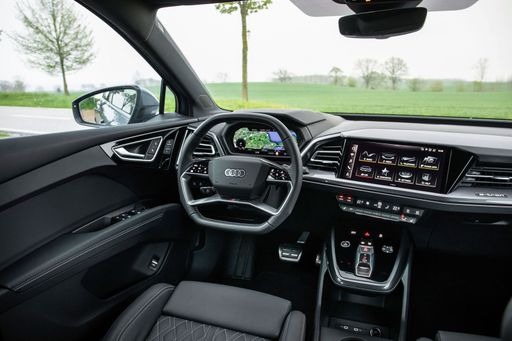
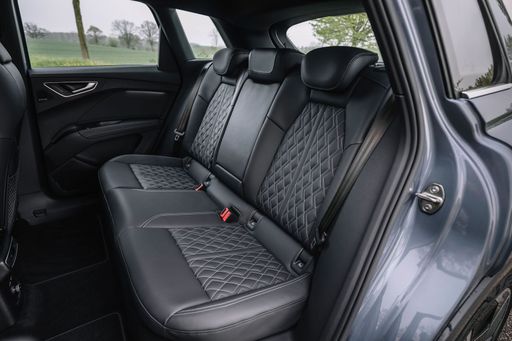
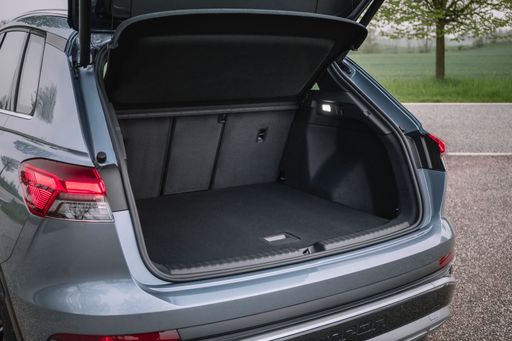
Inside, the Audi Q4 e-tron provides spacious comfort with seating for five and a notable trunk capacity of up to 535 liters, appealing to families and those requiring extra cargo space. Equipped with advanced tech features, it ensures a connected and intelligent drive.

Similarly, the BMW i5 promises luxury and innovation. With a slightly lesser trunk capacity of 490 liters, it compensates with high-tech interior features tailored for the modern driver, blending comfort with state-of-the-art infotainment systems.

Q4 e-tron

Conclusion

Both the Audi Q4 e-tron and BMW i5 bring their unique strengths to the fore. Audi’s Q4 e-tron is perfect for those valuing robust design and a versatile SUV experience. On the other hand, BMW’s i5 stands out with its superior speed, power, and range, making it an exciting choice for performance enthusiasts. Ultimately, the choice between these electric marvels would hinge on individual preferences—be it the SUV’s space and stature or the sedan’s sporty elegance and pace.

In the evolving landscape of electric vehicles, both Audi and BMW continue to push the boundaries, offering not just alternatives to combustion engines, but experiences that redefine electric driving.

Here’s where it gets real: The technical differences in detail

i5

Costs and Efficiency:

Looking at overall running costs, both models reveal some interesting differences in everyday economy.

Audi Q4 e-tron is substantially cheaper – starting at 40,700 £ , while the BMW i5 costs 60,800 £ . That’s a price difference of around 20,057 £.

In terms of energy consumption, the BMW i5 is barely more efficient: consuming 14.7 kWh/100km compared to 14.8 kWh/100km for the Audi Q4 e-tron. That’s a difference of about 0.1 kWh/100km.

As for electric range, the BMW i5 offers barely more range – reaching up to 627 km, about 35 km more than the Audi Q4 e-tron.

Q4 e-tron

Engine and Performance:

Power, torque and acceleration say a lot about how a car feels on the road. This is where you see which model delivers more driving dynamics.

When it comes to engine power, the BMW i5 offers significantly more power – delivering 601 HP compared to 340 HP. That’s roughly 261 HP more horsepower.

When accelerating from 0 to 100 km/h, the BMW i5 is clearly quicker – completing the sprint in 3.8 s, while the Audi Q4 e-tron takes 5.4 s. That’s about 1.6 s quicker.

There’s also a difference in torque: the BMW i5 delivers moderately more torque with 820 Nm compared to 679 Nm. That’s about 141 Nm more.

i5

Space and Everyday Use:

Whether family car or daily driver – which one offers more room, flexibility and comfort?

Both vehicles offer seating for 5 people.

In terms of curb weight, Audi Q4 e-tron is marginally lighter – 2,035 kg compared to 2,195 kg. The difference is around 160 kg.

Looking at boot space, the Audi Q4 e-tron offers marginally more boot space – 535 L compared to 490 L. That’s a difference of about 45 L.

When it comes to payload, the BMW i5 carries barely more – 545 kg compared to 515 kg. That’s a difference of about 30 kg.

Who wins the race in the data check?

The BMW i5 is far ahead overall in the objective data comparison.
This result only shows which model scores more points on paper – not which of the two cars feels right for you.

from £60,800
i5

BMW i5

  • Engine Type Electric
  • Transmission Automatic
  • Drive Type Rear-Wheel Drive, All-Wheel Drive
  • Power HP 340 - 601 HP
  • Consumption kWh/100km 14.7 - 17.1 kWh/100km
  • Electric Range 540 - 627 km
BMW i5
Audi Q4 e-tron

Costs and Consumption

View detailed analysis

Engine and Performance

View detailed analysis

Dimensions and Body

View detailed analysis

BMW i5

The BMW i5 swaps predictable executive-car manners for a confident electric vibe, marrying refined comfort with surprisingly engaging steering. It’s a practical choice that doesn’t feel dull, offering the kind of clean, premium experience that makes commuting feel like a small indulgence.

details

Audi Q4 e-tron

The Audi Q4 e-tron blends Audi’s clean, modern styling with a practical, well-built interior, making it a refined option for buyers who want a premium electric compact SUV. It offers a quiet, composed ride and intuitive tech, so it’s well suited to daily commuting and family duties while keeping the switch to electric straightforward.

details
BMW i5
Audi Q4 e-tron

Costs and Consumption

Price
60,800 - 85,900 £
Price
40,700 - 53,100 £
Consumption L/100km
-
Consumption L/100km
-
Consumption kWh/100km
14.7 - 17.1 kWh/100km
Consumption kWh/100km
14.8 - 16.2 kWh/100km
Electric Range
540 - 627 km
Electric Range
440 - 592 km
Battery Capacity
-
Battery Capacity
-
co2
0 g/km
co2
0 g/km
Fuel tank capacity
-
Fuel tank capacity
-

Dimensions and Body

Body Type
Sedan
Body Type
SUV
Seats
5
Seats
5
Doors
-
Doors
-
Curb weight
2,195 - 2,370 kg
Curb weight
2,035 - 2,235 kg
Trunk capacity
490 L
Trunk capacity
515 - 535 L
Length
-
Length
-
Width
1,900 mm
Width
1,865 mm
Height
-
Height
-
Max trunk capacity
-
Max trunk capacity
-
Payload
525 - 545 kg
Payload
505 - 515 kg

Engine and Performance

Engine Type
Electric
Engine Type
Electric
Transmission
Automatic
Transmission
Automatic
Transmission Detail
Reduction Gearbox
Transmission Detail
Reduction Gearbox
Drive Type
Rear-Wheel Drive, All-Wheel Drive
Drive Type
Rear-Wheel Drive, All-Wheel Drive
Power HP
340 - 601 HP
Power HP
204 - 340 HP
Acceleration 0-100km/h
3.8 - 6 s
Acceleration 0-100km/h
5.4 - 8.1 s
Max Speed
-
Max Speed
-
Torque
430 - 820 Nm
Torque
350 - 679 Nm
Number of Cylinders
-
Number of Cylinders
-
Power kW
250 - 442 kW
Power kW
150 - 250 kW
Engine capacity
-
Engine capacity
-

General

Model Year
2,023 - 2,024
Model Year
2026
CO2 Efficiency Class
A
CO2 Efficiency Class
A
Brand
BMW
Brand
Audi
DriveDuel uses data analysis and artificial intelligence to evaluate vehicle data and create content. Content is regularly reviewed and improved. The displayed prices are estimates based on German list prices, adjusted to the respective country’s VAT. Country-specific registration taxes are not included. This information is not legally binding.