VS

BMW iX2 vs VW ID.4 comparison

Compare performance (313 HP vs 299 HP), boot space and price (43,700 £ vs 34,800 £ ) at a glance. Find out which car is the better choice for you – BMW iX2 or VW ID.4?

BMW iX2 vs VW ID.4: Key differences

BMW iX2

4.6 (3 Reviews)
rate
  • barely more power
  • barely more efficient
  • very slightly quicker 0–100 km/h
  • marginally lighter
details

VW ID.4

4.4 (10 Reviews)
rate
  • markedly cheaper
  • slightly more electric range
details

All details on performance, efficiency, range and trunk space can be found in the technical comparison below – including user reviews for both models.

By Achim Sedelmaier

iX2

The electric vehicle segment is rapidly growing, and two of the most talked-about entries from reputable automakers are the BMW iX2 and the VW ID.4. This comparison delves into their technical aspects, performance, and innovative features to help consumers make an informed choice.
ID.4

Design and Dimensions

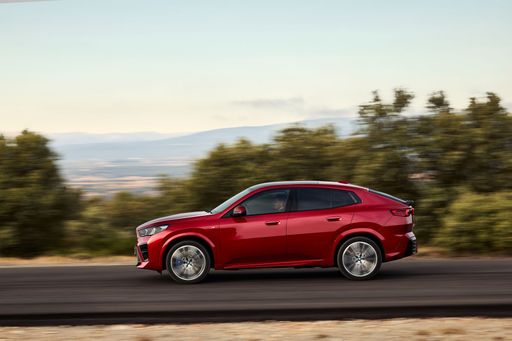
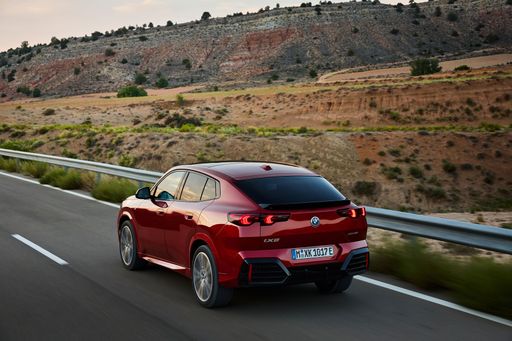
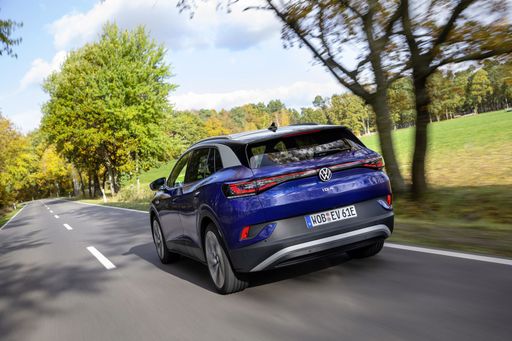
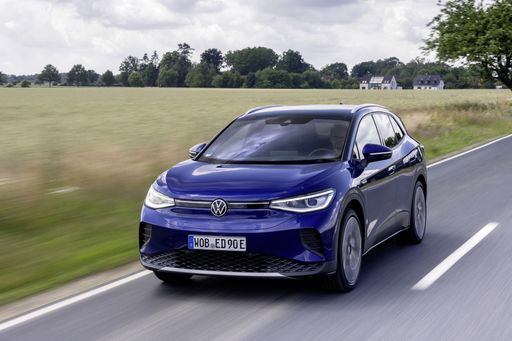
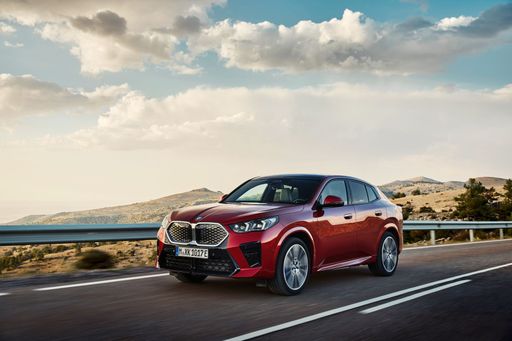
Both the BMW iX2 and VW ID.4 embody the characteristics of a modern SUV. The iX2 measures 4554 mm in length, 1845 mm in width, and 1560 mm in height, presenting a sporty yet practical aesthetic. The ID.4 is slightly longer at 4584 mm, with a width of 1852 mm and a height that varies between 1619 mm to 1634 mm, depending on the specific variant.

iX2

Power and Performance

In terms of power, the BMW iX2 offers two configurations: 204 HP and 313 HP, while the VW ID.4 boasts a broader range with options of 170 HP, 286 HP, and up to 340 HP for its more powerful variants. The iX2 also features a respectable torque output of up to 494 Nm, while the ID.4 peaks at 679 Nm, providing it with a considerable advantage in delivering performance during acceleration.

ID.4

Electric Range and Efficiency

When it comes to electric range, the ID.4 shines with an impressive maximum of 572 km on a single charge using its larger 77 kWh battery, with other configurations offering between 357 km to 563 km. The BMW iX2, with its 64.8 kWh battery, provides a commendable range of 459 km. Consumption figures reflect both models' efficiency, with the iX2 averaging between 15.9 to 16.9 kWh/100km, while the ID.4 ranges from 15.8 to 16.8 kWh/100km.

iX2

Acceleration and Speed

The BMW iX2 achieves a 0-100 km/h sprint in as little as 5.6 seconds for its more powerful variant, whereas the ID.4 can match this, accelerating in 5.4 seconds at its peak. Both models reach top speeds of 170 km/h for the iX2 and 180 km/h for the ID.4, providing satisfying performance for both urban and highway driving experiences.

ID.4

Interior and Features

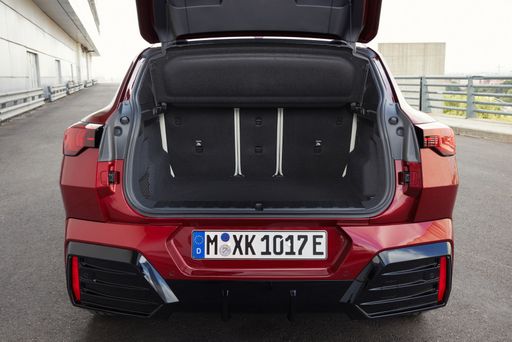
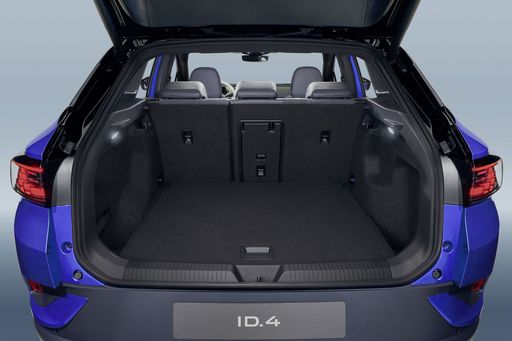
Inside, both SUVs accommodate five passengers comfortably. The iX2 boasts a trunk capacity of 525 liters, while the ID.4 slightly edges ahead with 543 liters, allowing for ample storage space for everyday needs. Both vehicles prioritize connectivity and convenience, featuring advanced infotainment systems, driver-assistance technologies, and high-quality materials, ensuring an engaging driving experience.

iX2

Innovations and Technology

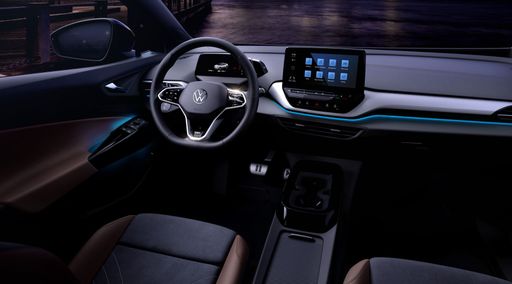
BMW's iX2 leverages the latest in automotive technology, emphasizing an eco-friendly driving experience without compromising on luxury. Its interface is designed for easy navigation, reflecting BMW's renowned focus on driver engagement. Meanwhile, the VW ID.4 is equipped with innovative digital cockpit technology that offers intuitive access to vehicle functions and real-time updates, ensuring a seamless user experience. Both vehicles support over-the-air updates, allowing for ongoing improvements post-purchase.

ID.4

Conclusion

Both the BMW iX2 and VW ID.4 represent significant advancements in the electric SUV market. The iX2 leans towards luxury with powerful performance and stylish design, while the ID.4 excels in range and innovative features. Ultimately, the choice between these two exciting models will depend on personal preferences regarding performance, range, and brand loyalty. As the electric vehicle landscape continues to evolve, both options stand out as worthy contenders for eco-conscious consumers.

Here’s where it gets real: The technical differences in detail

iX2

Costs and Efficiency:

When it comes to price and running costs, the biggest differences usually appear. This is often where you see which car fits your budget better in the long run.

VW ID.4 is markedly cheaper – starting at 34,800 £ , while the BMW iX2 costs 43,700 £ . That’s a price difference of around 8,932 £.

In terms of energy consumption, the BMW iX2 is barely more efficient: consuming 14.4 kWh/100km compared to 15.4 kWh/100km for the VW ID.4. That’s a difference of about 1 kWh/100km.

As for electric range, the VW ID.4 offers slightly more range – reaching up to 570 km, about 58 km more than the BMW iX2.

ID.4

Engine and Performance:

Under the bonnet, it becomes clear which model is tuned for sportiness and which one takes the lead when you hit the accelerator.

When it comes to engine power, the BMW iX2 offers barely more power – delivering 313 HP compared to 299 HP. That’s roughly 14 HP more horsepower.

When accelerating from 0 to 100 km/h, the BMW iX2 is very slightly quicker – completing the sprint in 5.6 s, while the VW ID.4 takes 6.1 s. That’s about 0.5 s quicker.

There’s also a difference in torque: the VW ID.4 delivers only slightly more torque with 545 Nm compared to 494 Nm. That’s about 51 Nm more.

iX2

Space and Everyday Use:

Cabin size, boot volume and payload all play a role in everyday practicality. Here, comfort and flexibility make the difference.

Both vehicles offer seating for 5 people.

In terms of curb weight, BMW iX2 is marginally lighter – 1,960 kg compared to 2,065 kg. The difference is around 105 kg.

When it comes to payload, the VW ID.4 carries very slightly more – 554 kg compared to 510 kg. That’s a difference of about 44 kg.

Who wins the race in the data check?

The VW ID.4 shows a few small advantages in the objective data comparison.
This result only shows which model scores more points on paper – not which of the two cars feels right for you.

from £34,800
ID.4

VW ID.4

  • Engine Type Electric
  • Transmission Automatic
  • Drive Type Rear-Wheel Drive, All-Wheel Drive
  • Power HP 190 - 299 HP
  • Consumption kWh/100km 15.4 - 16.6 kWh/100km
  • Electric Range 425 - 570 km
BMW iX2
VW ID.4

Costs and Consumption

View detailed analysis

Engine and Performance

View detailed analysis

Dimensions and Body

View detailed analysis

BMW iX2

The BMW iX2 cuts a sporty silhouette and delivers the buttoned-up premium feel you expect from the brand, wrapped in a compact electric package that’s easy to live with. It’s a smart pick for buyers who want engaging city driving, clever cabin tech and a touch of eco-conscious flair without giving up the fun behind the wheel.

details

VW ID.4

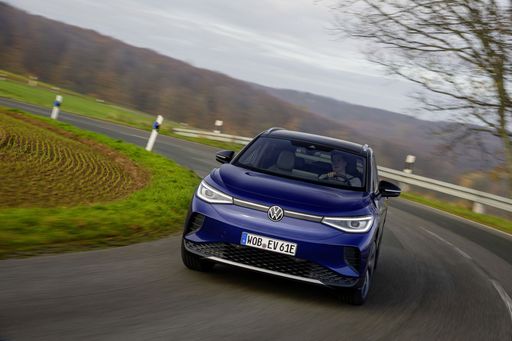
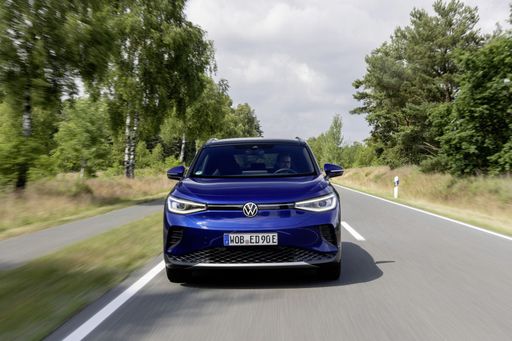
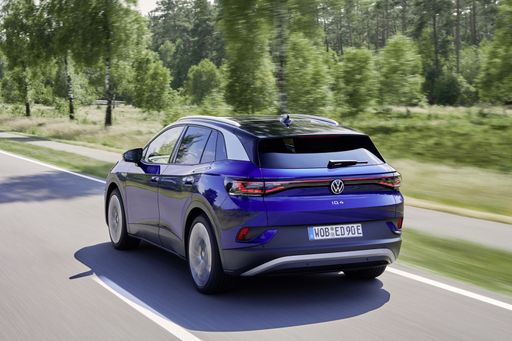
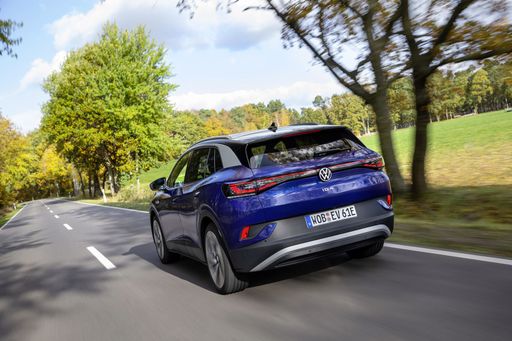
The VW ID.4 is a practical, family-friendly electric SUV that balances everyday usability with a calm, composed driving character. It pairs a roomy, well-finished cabin and easy-to-use tech with predictable handling and convenient charging options, making it a sensible choice for buyers switching to electric.

details
BMW iX2
VW ID.4

Costs and Consumption

Price
43,700 - 55,600 £
Price
34,800 - 47,600 £
Consumption L/100km
-
Consumption L/100km
-
Consumption kWh/100km
14.4 - 15.4 kWh/100km
Consumption kWh/100km
15.4 - 16.6 kWh/100km
Electric Range
476 - 512 km
Electric Range
425 - 570 km
Battery Capacity
-
Battery Capacity
-
co2
0 g/km
co2
0 g/km
Fuel tank capacity
-
Fuel tank capacity
-

Dimensions and Body

Body Type
SUV
Body Type
SUV
Seats
5
Seats
5
Doors
-
Doors
-
Curb weight
1,960 - 2,095 kg
Curb weight
2,065 - 2,219 kg
Trunk capacity
525 L
Trunk capacity
-
Length
-
Length
-
Width
1,845 mm
Width
1,852 mm
Height
-
Height
-
Max trunk capacity
-
Max trunk capacity
-
Payload
500 - 510 kg
Payload
525 - 554 kg

Engine and Performance

Engine Type
Electric
Engine Type
Electric
Transmission
Automatic
Transmission
Automatic
Transmission Detail
Reduction Gearbox
Transmission Detail
Reduction Gearbox
Drive Type
Front-Wheel Drive, All-Wheel Drive
Drive Type
Rear-Wheel Drive, All-Wheel Drive
Power HP
204 - 313 HP
Power HP
190 - 299 HP
Acceleration 0-100km/h
5.6 - 8.6 s
Acceleration 0-100km/h
6.1 - 8.5 s
Max Speed
-
Max Speed
-
Torque
250 - 494 Nm
Torque
310 - 545 Nm
Number of Cylinders
-
Number of Cylinders
-
Power kW
150 - 230 kW
Power kW
140 - 220 kW
Engine capacity
-
Engine capacity
-

General

Model Year
2026
Model Year
2026
CO2 Efficiency Class
A
CO2 Efficiency Class
A
Brand
BMW
Brand
VW
DriveDuel uses data analysis and artificial intelligence to evaluate vehicle data and create content. Content is regularly reviewed and improved. The displayed prices are estimates based on German list prices, adjusted to the respective country’s VAT. Country-specific registration taxes are not included. This information is not legally binding.