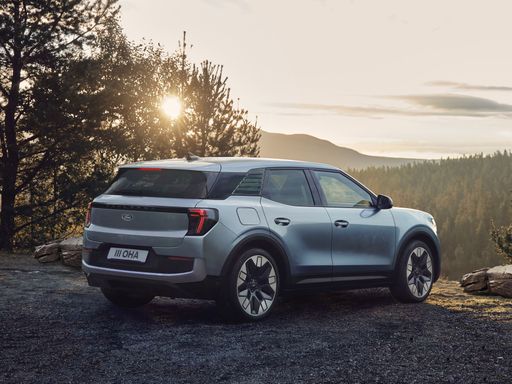
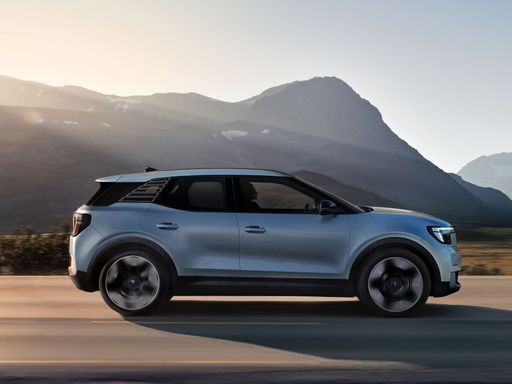
VS

BYD Atto 3 vs Ford Explorer EV comparison

Compare performance (449 HP vs 340 HP), boot space and price (38,600 £ vs 34,200 £ ) at a glance. Find out which car is the better choice for you – BYD Atto 3 or Ford Explorer EV?

BYD Atto 3 vs Ford Explorer EV: Key differences

BYD Atto 3

4.7 (3 Reviews)
rate
  • clearly more power
  • markedly quicker 0–100 km/h
details

Ford Explorer EV

4.8 (4 Reviews)
rate
  • slightly cheaper
  • a bit more electric range
details

All details on performance, efficiency, range and trunk space can be found in the technical comparison below – including user reviews for both models.

By Achim Sedelmaier

Atto 3

Overview: BYD Atto 3 VS Ford Explorer EV — two different answers to the family‑EV question

BYD Atto 3 VS Ford Explorer EV pitches a comfort‑centric compact EV against a more driver‑focused, spacious alternative. The BYD Atto 3 arrives with a playful, well‑equipped cabin and a city‑friendly, soft‑suspension character that makes daily commuting and school runs easy. The Ford Explorer EV leans toward composed high‑speed manners, stronger assistance systems and clever storage that suit longer trips and driver involvement. Choosing between them is really about whether you prioritise everyday comfort and kit or a firmer, more controlled package for longer distances.
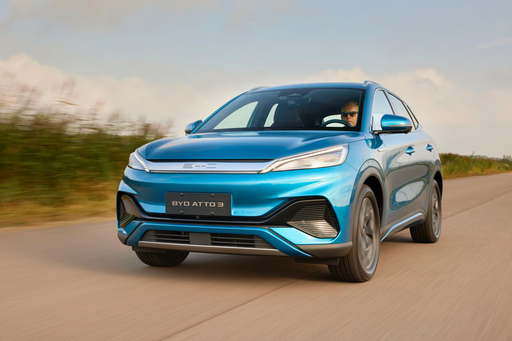
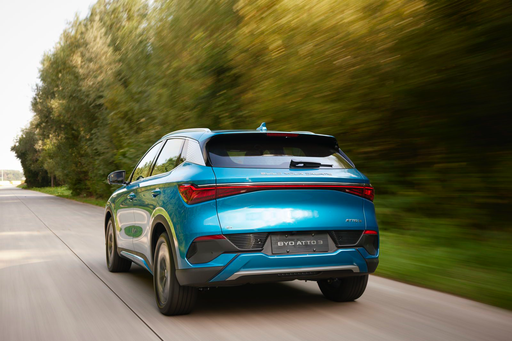
Explorer EV

Character and driving feel

The BYD Atto 3 feels like a relaxed town cruiser: soft suspension, light steering and a focus on isolation from potholes and kerbs that soothes daily use. By contrast, the Ford Explorer EV is noticeably more planted and communicative, with crisper steering and less body roll that rewards someone who wants confidence on twisty A‑roads. That softer Atto 3 setup makes it blissful around traffic but less engaging when you press on; the Explorer’s firmer ride is more authoritative but will feel stiffer over poor surfaces. If you enjoy an easy, comfy commute pick the Atto 3; if you value poise and highway composure the Explorer EV is the clearer choice.

Atto 3

Cabin feel, controls and perceived quality

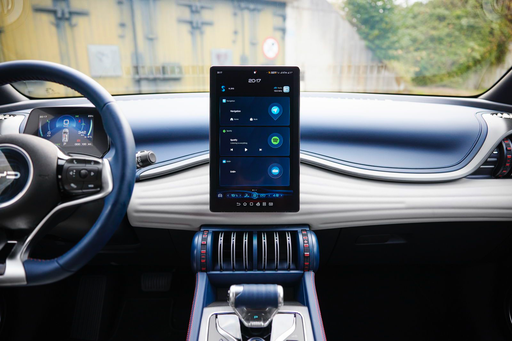
The BYD Atto 3 trades conservative trim for a distinctive, techy interior with a large rotating screen and a generally modern feel that punches above its price — though its menu paths can be fiddly for climate and some convenience functions. The Ford Explorer EV presents a more orthodox cabin with practical materials, solid build quality and clever storage solutions like a deep centre console and hidden compartments, but its touch sliders and haptic controls can be distracting. In everyday terms the Atto 3 feels more fun and gadget‑rich, while the Explorer feels calmer and more grown‑up to live with. Both cabins are competent, yet the Atto rewards tech‑minded buyers while the Ford rewards those who value everyday ergonomics and tidy storage.

Explorer EV

Practicality and family suitability

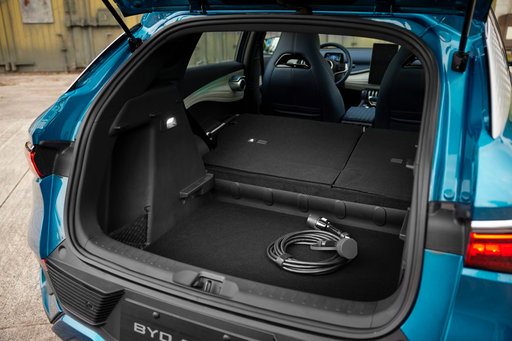
For family duties the Ford Explorer EV generally wins rear‑seat space and long‑leg comfort, making it friendlier for tall passengers or extended school runs. The BYD Atto 3 is roomy up front and perfectly practical for four adults, but its rear cushion and some boot details are less generous and geared toward everyday city tasks. Both offer the key safety kit families look for, yet the Atto 3’s clever standard equipment package gives a high perceived value versus the Explorer’s smarter use of space and extra stowage. If rear‑seat comfort and roomy practicality matter most, the Explorer edges ahead; for compact, well‑equipped family life in town the Atto 3 is hard to beat.

Atto 3

Long‑distance behaviour and charging friendliness

On long runs the Ford Explorer EV feels quieter and more relaxed, with strong motorway manners and a charging approach that suits frequent fast‑charge stops and route planning. The BYD Atto 3 is competent for occasional trips but shows its limits at sustained high speed with more wind noise and a less generous fast‑charge profile on earlier versions — the facelift addresses some of this but at a higher price. Ford’s stronger assistance and quieter cabin reduce fatigue on long stints, while the Atto 3 keeps advantage in thermal efficiency and urban range economy for mixed use. Frequent motorway travellers or those who rely on fast‑charging networks will prefer the Explorer’s package; urban and mixed‑use drivers who prize comfort and value will find the Atto 3 appealing.

Explorer EV

Buyer fit — who should choose which car

Pick the BYD Atto 3 if you want a comfortable, techy compact EV for city and suburban life, value rich standard equipment including climate efficiency features, and rarely run long motorway stints at high speed. Choose the Ford Explorer EV if you need a more composed, spacious family cruiser that handles longer distances with less fatigue, benefits from faster charging behaviour in practice, and rewards a more engaged driving style. Both cars have clear strengths and trade‑offs, so your priorities — softer everyday comfort and gadgetry versus highway composure, rear‑seat space and charging flexibility — should guide the choice. Below we unpack the technical differences that explain those real‑world contrasts so you can match spec to your routine.

Here’s where it gets real: The technical differences in detail

Atto 3

Costs and Efficiency:

Price and efficiency are key factors when choosing a car – and this is often where the real differences emerge.

Ford Explorer EV is slightly cheaper – starting at 34,200 £ , while the BYD Atto 3 costs 38,600 £ . That’s a price difference of around 4,362 £.

As for electric range, the Ford Explorer EV offers a bit more range – reaching up to 602 km, about 92 km more than the BYD Atto 3.

Explorer EV

Engine and Performance:

Power, torque and acceleration are the classic benchmarks for car enthusiasts – and here, some clear differences start to show.

When it comes to engine power, the BYD Atto 3 offers clearly more power – delivering 449 HP compared to 340 HP. That’s roughly 109 HP more horsepower.

When accelerating from 0 to 100 km/h, the BYD Atto 3 is markedly quicker – completing the sprint in 3.9 s, while the Ford Explorer EV takes 5.3 s. That’s about 1.4 s quicker.

There’s also a difference in torque: the Ford Explorer EV delivers slightly more torque with 679 Nm compared to 560 Nm. That’s about 119 Nm more.

Atto 3

Space and Everyday Use:

Cabin size, boot volume and payload all play a role in everyday practicality. Here, comfort and flexibility make the difference.

Both vehicles offer seating for 5 people.

Who wins the race in the data check?

The BYD Atto 3 has the upper hand in the objective data comparison.
This result only shows which model scores more points on paper – not which of the two cars feels right for you.

from £38,600
Atto 3

BYD Atto 3

  • Engine Type : Electric
  • Transmission : Automatic
  • Drive Type : Rear-Wheel Drive, All-Wheel Drive
  • Power HP : 313 - 449 HP
  • Electric Range : 470 - 510 km
BYD Atto 3
Ford Explorer EV

Costs and Consumption

View detailed analysis

Engine and Performance

View detailed analysis

Dimensions and Body

View detailed analysis

BYD Atto 3

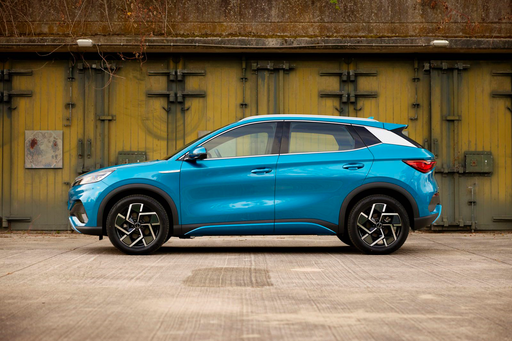
The BYD Atto 3 is an electric crossover that blends a distinctive, modern design with a comfortable, well-equipped cabin suited to everyday family use. It offers a relaxed, smooth driving feel and practical running costs, making it a sensible choice if you want an uncomplicated, value-focused EV.

details

Ford Explorer EV

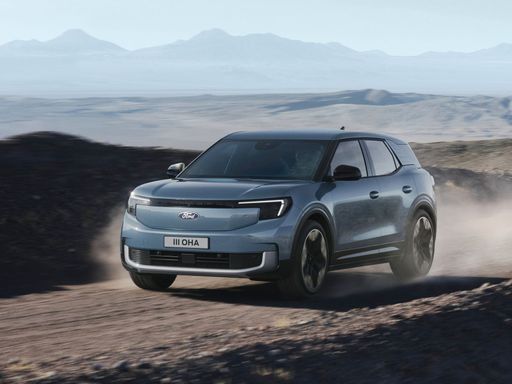
The Explorer EV brings the familiar presence and practicality of an Explorer into the electric age, offering roomy comfort and modern tech for everyday life and family trips. It feels composed on the road and serves as a straightforward, user-friendly alternative to conventional gas-powered SUVs.

details
BYD Atto 3
Ford Explorer EV

Costs and Consumption

Price
38,600 - 43,700 £
Price
34,200 - 49,600 £
Consumption L/100km
-
Consumption L/100km
-
Consumption kWh/100km
-
Consumption kWh/100km
14.6 - 17.3 kWh/100km
Electric Range
470 - 510 km
Electric Range
417 - 602 km
Battery Capacity
-
Battery Capacity
-
co2
0 g/km
co2
0 g/km
Fuel tank capacity
-
Fuel tank capacity
-

Dimensions and Body

Body Type
SUV
Body Type
SUV
Seats
5
Seats
5
Doors
-
Doors
-
Curb weight
-
Curb weight
1,996 - 2,209 kg
Trunk capacity
-
Trunk capacity
472 L
Length
-
Length
-
Width
1,875 mm
Width
1,872 mm
Height
-
Height
-
Max trunk capacity
-
Max trunk capacity
-
Payload
-
Payload
531 - 585 kg

Engine and Performance

Engine Type
Electric
Engine Type
Electric
Transmission
Automatic
Transmission
Automatic
Transmission Detail
Reduction Gearbox
Transmission Detail
Reduction Gearbox
Drive Type
Rear-Wheel Drive, All-Wheel Drive
Drive Type
Rear-Wheel Drive, All-Wheel Drive
Power HP
313 - 449 HP
Power HP
190 - 340 HP
Acceleration 0-100km/h
3.9 - 5.5 s
Acceleration 0-100km/h
5.3 - 8 s
Max Speed
-
Max Speed
-
Torque
380 - 560 Nm
Torque
350 - 679 Nm
Number of Cylinders
-
Number of Cylinders
-
Power kW
230 - 330 kW
Power kW
140 - 250 kW
Engine capacity
-
Engine capacity
-

General

Model Year
2026
Model Year
2026
CO2 Efficiency Class
A
CO2 Efficiency Class
A
Brand
BYD
Brand
Ford
DriveDuel uses data analysis and artificial intelligence to evaluate vehicle data and create content. Content is regularly reviewed and improved. The displayed prices are estimates based on German list prices, adjusted to the respective country’s VAT. Country-specific registration taxes are not included. This information is not legally binding.