
 Deutschland
 France
 Nederland
 Great Britain
 Italia
 Polska
 España
VS
BYD Atto 3 vs Renault Arkana – Differences & prices compared
Compare performance, boot space, consumption and price in one view.
Find out now: which car is the better choice for you – BYD Atto 3 or Renault Arkana?
The BYD Atto 3 (SUV) comes with a Electric engine and Automatic transmission. In comparison, the Renault Arkana (SUV) features a Full Hybrid or Petrol MHEV engine with Automatic transmission.
When it comes to boot capacity, the BYD Atto 3 offers 440 L, while the Renault Arkana provides 513 L – depending on how much space you need. If you’re looking for more power, decide whether the 204 HP of the BYD Atto 3 or the 143 HP of the Renault Arkana suits your needs better.
In terms of consumption, the values are 16 kWh per 100 km for the BYD Atto 3, and 4.70 L for the Renault Arkana.
Price-wise, the BYD Atto 3 starts at 32600 £, while the Renault Arkana is available from 26100 £. Compare all the details and find out which model fits your lifestyle best!
BYD Atto 3
The BYD Atto 3 makes a significant impression with its sleek design and modern aesthetics, embodying a sense of innovation and style. Its interior combines comfort and functionality, featuring high-quality materials and cutting-edge technology to enhance the driving experience. As an electric vehicle, it promises an eco-friendly performance, catering to those who are both environmentally conscious and passionate about automotive advancements.
details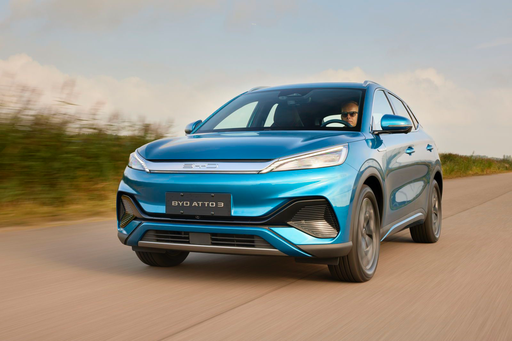 @ press.bydauto.be
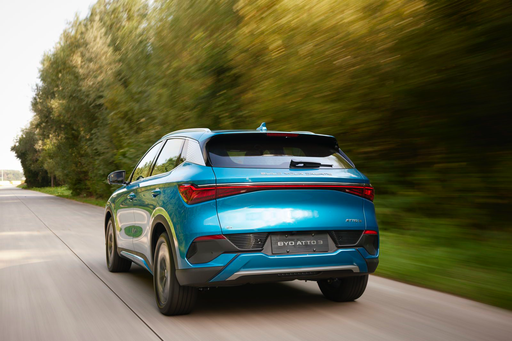 @ press.bydauto.be
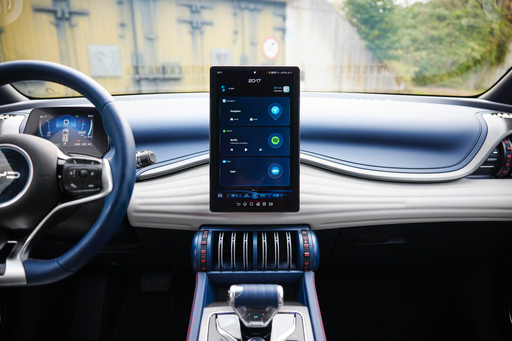 @ press.bydauto.be
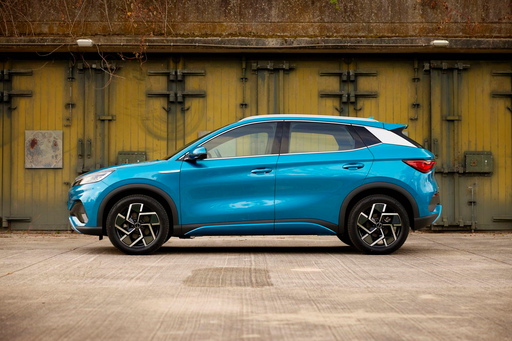 @ press.bydauto.be
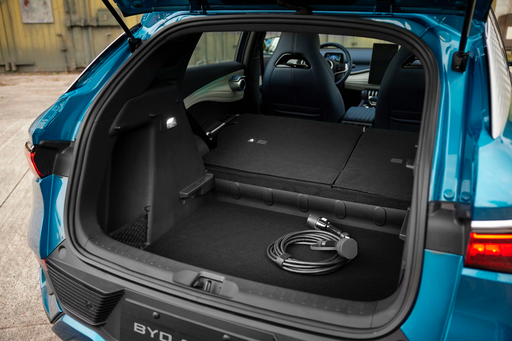 @ press.bydauto.be
Renault Arkana
The Arkana stands out with its striking coupe-SUV design, blending sporty aesthetics with practicality. Its bold silhouette and high ride height offer a unique presence on the road, attracting attention wherever it goes. Inside, the Arkana combines modern technology with comfort, making it a versatile choice for both city driving and weekend getaways.
details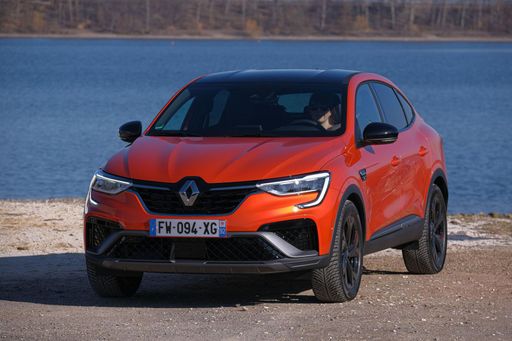 @ Renault
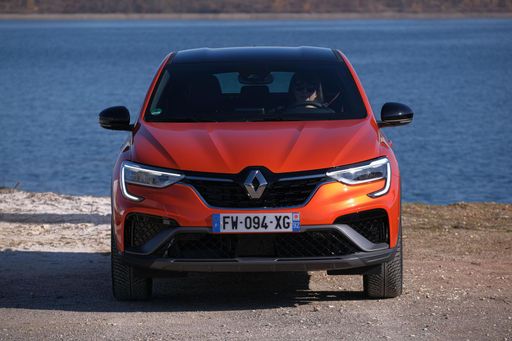 @ Renault
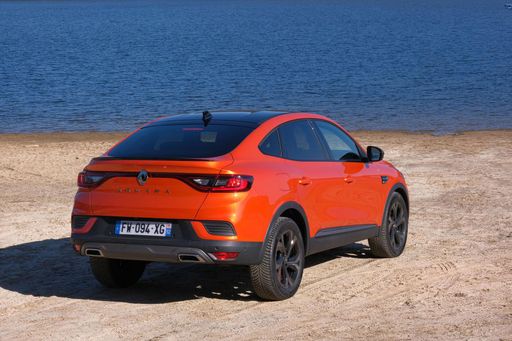 @ Renault
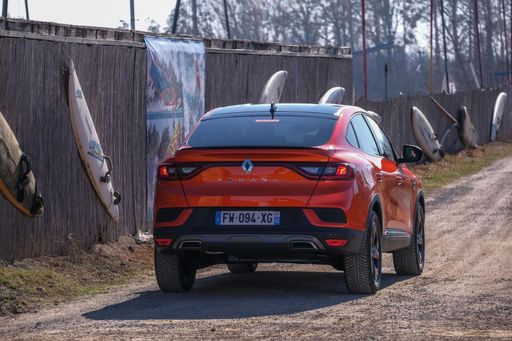 @ Renault
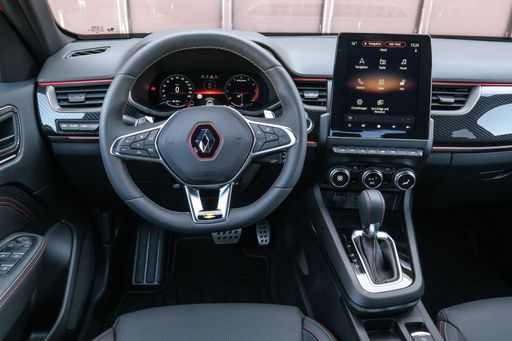 @ Renault
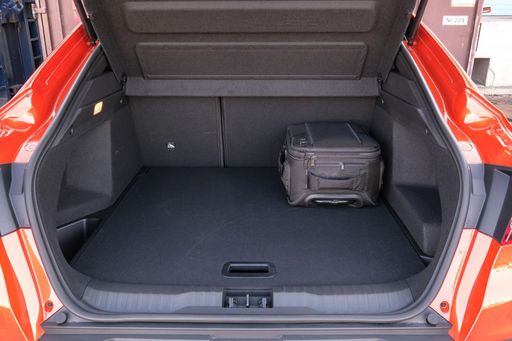 @ Renault
BYD Atto 3
Renault Arkana
|
|
|
|
|
|
Costs and Consumption |
|
|---|---|
|
Price
32600 - 34300 £
|
Price
26100 - 31900 £
|
|
Consumption L/100km
-
|
Consumption L/100km
4.7 - 5.8 L
|
|
Consumption kWh/100km
16 kWh
|
Consumption kWh/100km
-
|
|
Electric Range
420 km
|
Electric Range
-
|
|
Battery Capacity
-
|
Battery Capacity
0.60 kWh
|
|
co2
0 g/km
|
co2
106 - 130 g/km
|
|
Fuel tank capacity
-
|
Fuel tank capacity
50 L
|
Dimensions and Body |
|
|---|---|
|
Body Type
SUV
|
Body Type
SUV
|
|
Seats
5
|
Seats
5
|
|
Doors
5
|
Doors
5
|
|
Curb weight
1825 kg
|
Curb weight
1411 - 1510 kg
|
|
Trunk capacity
440 L
|
Trunk capacity
480 - 513 L
|
|
Length
4455 mm
|
Length
4568 mm
|
|
Width
1875 mm
|
Width
1821 mm
|
|
Height
1615 mm
|
Height
1576 mm
|
|
Payload
335 kg
|
Payload
451 - 465 kg
|
Engine and Performance |
|
|---|---|
|
Engine Type
Electric
|
Engine Type
Full Hybrid, Petrol MHEV
|
|
Transmission
Automatic
|
Transmission
Automatic
|
|
Transmission Detail
-
|
Transmission Detail
Automatic Gearbox, Dual-Clutch Automatic
|
|
Drive Type
Front-Wheel Drive
|
Drive Type
Front-Wheel Drive
|
|
Power HP
204 HP
|
Power HP
140 - 143 HP
|
|
Acceleration 0-100km/h
7.30 s
|
Acceleration 0-100km/h
9.8 - 10.8 s
|
|
Max Speed
160 km/h
|
Max Speed
172 - 174 km/h
|
|
Torque
310 Nm
|
Torque
205 - 260 Nm
|
|
Number of Cylinders
-
|
Number of Cylinders
4
|
|
Power kW
150 kW
|
Power kW
103 - 105 kW
|
|
Engine capacity
-
|
Engine capacity
1332 - 1598 cm3
|
General |
|
|---|---|
|
Model Year
2023
|
Model Year
2023 - 2025
|
|
CO2 Efficiency Class
A
|
CO2 Efficiency Class
C, D
|
|
Brand
BYD
|
Brand
Renault
|
BYD Atto 3
Introducing the BYD Atto 3: A Revolution in Electric SUVs
The BYD Atto 3 stands as a testament to the innovative strides being made in the realm of electric vehicles. With its sleek design and cutting-edge technology, this SUV is a beacon of what modern electric motoring can achieve. Packed with features that cater to both performance and sustainability, the Atto 3 is perfectly positioned to capture the attention of eco-conscious consumers and car enthusiasts alike.
Under the Bonnet: Power and Efficiency
At the heart of the BYD Atto 3 is a robust electric motor that delivers an impressive 204 PS (150 kW). Coupled with a front-wheel drive and an automatic gearbox, this setup ensures a smooth and responsive driving experience. The Atto 3 boasts a noteworthy acceleration, reaching 0-100 km/h in just 7.3 seconds, making it a formidable player in the electric SUV segment.
Efficiency is another strong suit of the Atto 3. The vehicle offers a remarkable consumption rate of just 16 kWh/100km. This efficiency, combined with an electric range of 420 km, provides drivers with both economical running costs and the flexibility for longer journeys without frequent recharging stops.
Design Innovations and Comfort
BYD has not only focused on power and efficiency but has also paid close attention to the design and comfort of the Atto 3. The SUV's dimensions — a length of 4455 mm, a width of 1875 mm, and a height of 1615 mm — provide a spacious interior, offering ample room for both passengers and cargo. With a boot capacity of 440 litres, trips with luggage are hassle-free.
The Atto 3 comes in two trim levels: Comfort and Design, each tailored to enhance user experience with a blend of elegance and practicality. The car is equipped with a range of modern interior features, designed to ensure a comfortable and enjoyable ride for all occupants.
Sustainability at Its Core
One of the standout aspects of the BYD Atto 3 is its commitment to sustainability. As an all-electric vehicle emitting zero CO2 emissions, it achieves a CO2-efficiency rating of class A. Such credentials not only position the Atto 3 as an environmentally-friendly choice but also offer potential benefits to consumers in regions with green vehicle incentives.
Competitive Pricing and Market Position
The BYD Atto 3 is competitively priced between €37,990 and €39,990, offering great value given the technology and features packed into the SUV. With these price points, it becomes an attractive option for those looking to transition to an electric vehicle without compromise on performance or features.
Final Thoughts
The BYD Atto 3 is a formidable entry in the electric SUV market, blending performance, efficiency, and sustainability with ease. For those seeking an electric vehicle that ticks the boxes of power, range, and design, the Atto 3 warrants a closer look. As electric vehicles continue to evolve, BYD's commitment to innovation ensures the Atto 3 is ahead of the curve, setting new benchmarks in the automotive industry.
Renault Arkana
The Renault Arkana, a dynamic and stylish SUV, continues to make waves in the automotive market with its unique blend of performance, innovation, and eco-friendliness. Renowned for its cutting-edge hybrid technology, the Arkana delivers not only on aesthetics but also in technical prowess, appealing to a wide range of consumers looking for efficiency without sacrificing drive quality.
Hybrid Powertrains: A Step Towards Sustainability
One of the standout features of the Arkana is its advanced hybrid powertrains. Available in both Full Hybrid and Mild Hybrid variants, the Renault Arkana caters to diverse driving needs with options that optimize fuel efficiency and performance. The Full Hybrid models utilize a sophisticated E-Tech system, combining a 143 HP petrol engine with an electric motor, achieving an impressive fuel consumption of just 4.7 L/100km. Meanwhile, the Mild Hybrid variants offer a more powerful experience with outputs of 140 HP and 158 HP, enhancing both performance and efficiency while keeping emissions in check.
Transmission and Driving Experience
Equipped with an Automatic transmission—featuring a Dual-Clutch Automatic system—the Arkana ensures a smooth and responsive driving experience. This setup allows for seamless gear shifts, dramatically improving acceleration and handling. With 0-100 km/h times ranging from 9.1 seconds in the more powerful variants to 10.8 seconds in the base models, the Arkana manages to deliver both excitement and practicality on the road.
Design and Dimensions
The Arkana’s unique SUV coupe design merges the allure of a sporty silhouette with the practicality of an SUV. At a length of 4,568 mm, a width of 1,821 mm, and a height of 1,576 mm, the Arkana strikes a solid stance on the road while offering ample space for up to five passengers. The trunk capacity of 480 to 513 liters ensures that it can handle everyday needs and adventures alike.
Innovation in Interior and Technology
Step inside the Arkana, and you’ll find a thoughtfully designed interior that emphasizes comfort and modern technology. Featuring a spacious cabin layout, the Arkana is equipped with the latest in infotainment technology, providing connectivity and entertainment for all passengers. The ergonomic design and high-quality materials contribute to a refined atmosphere, making every journey a pleasure.
Safety and Efficiency
Safety is paramount in the Renault Arkana, which comes loaded with an array of advanced safety features. The vehicle's CO2 emissions rates are competitive, with the Mild Hybrid variants producing between 130 and 135 g/km, while still delivering robust performance. Its impressive torque figures, reaching up to 270 Nm, enhance the driving dynamics and make it well-suited for both city driving and long-distance travel.
Conclusion: A Smart Choice for Modern Drivers
The Renault Arkana represents a significant step forward for SUV design and engine technology. With its hybrid options, stylish aesthetics, and a focus on efficiency, it caters to the needs of modern drivers seeking sustainable yet exhilarating performance. Whether navigating through urban environments or embarking on weekend getaways, the Arkana offers a compelling package worth considering.
The prices and data displayed are estimates based on German list prices and may vary by country. This information is not legally binding.